
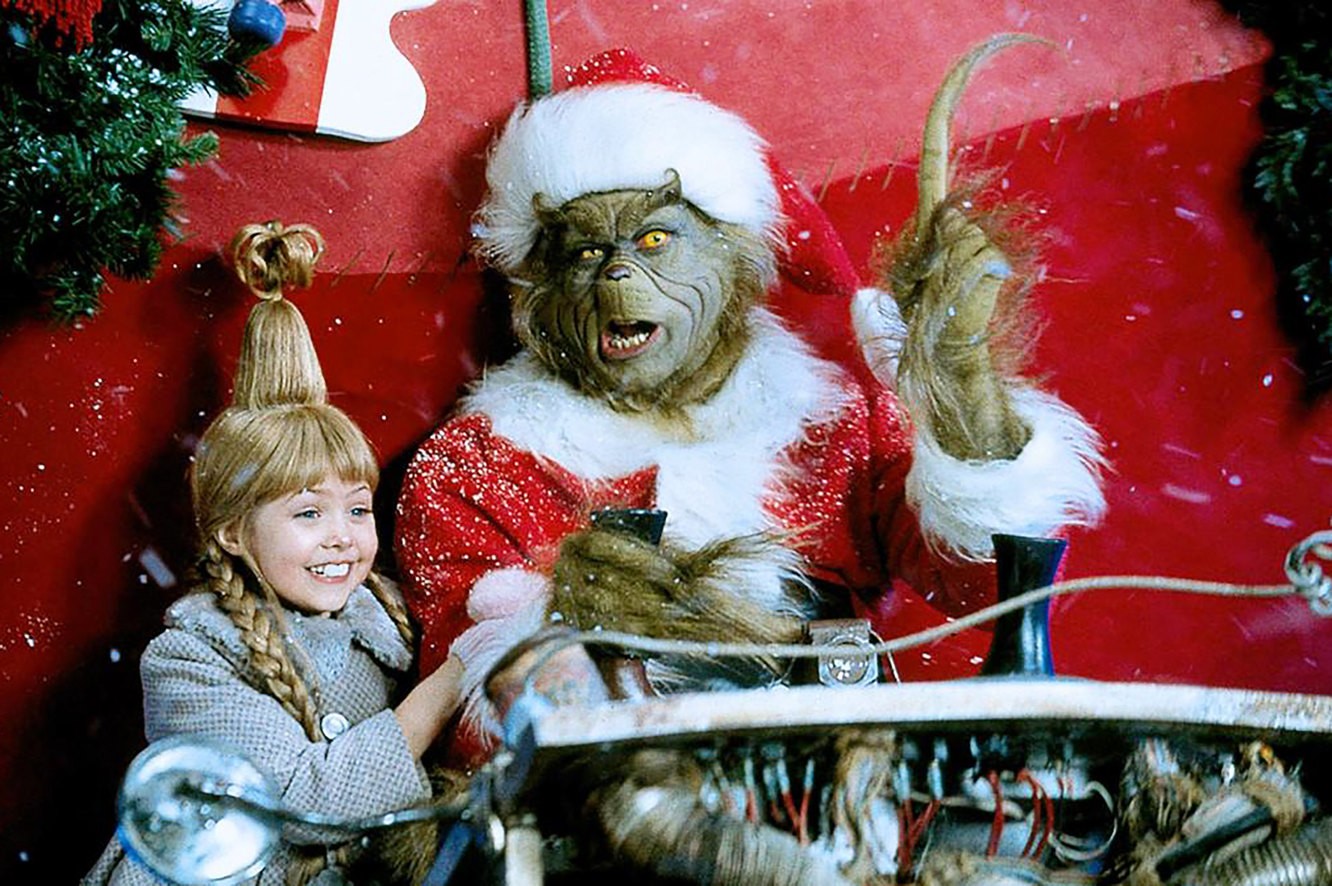
How are you, dear readers? Have you already started your traditional viewing of Christmas classics with a mug of hot chocolate and a basket of tangerines? Because after the New Year, our favorite holiday movies will go back on the shelf to wait for the next occasion.
I decided to seize the moment and tell you about how we even started making and watching movies set at Christmas.
How Did It All Begin?
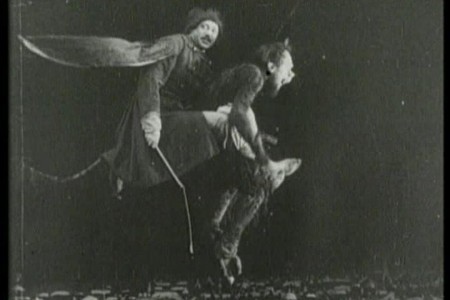
The first film about Santa appeared earlier than you might think. In 1897, just a year after the 'The Sprinkler Sprinkled' by the Lumière brothers, US residents could enjoy the world's first Christmas trilogy: 'The Night Before Christmas' ('Night Before Christmas'), 'Santa Claus Filling Stockings' ('Santa Claus Filling Stockings'), and 'Christmas Morning' ('Christmas Morning').
The plot of these silent short films was straightforward, showing the most ordinary preparations for the magical night. Unfortunately, they have not survived to our time, most likely having been burned in one of the Hollywood warehouse fires.
The oldest film we can watch today is George Albert Smith's 'Santa Claus' from 1898. The story told by the English director differs little from the already mentioned American trilogy. It is interesting, however, for its use of composite shots, which still look impressive today.
It is not surprising that cinema so quickly turned to Christmas stories. As the younger brother of theater, it borrowed themes and stories and tried to reproduce them in a new technical form. Therefore, in the very beginning, Christmas films were more often adaptations.
Christmas Movies of 'Golden' Hollywood and Europe
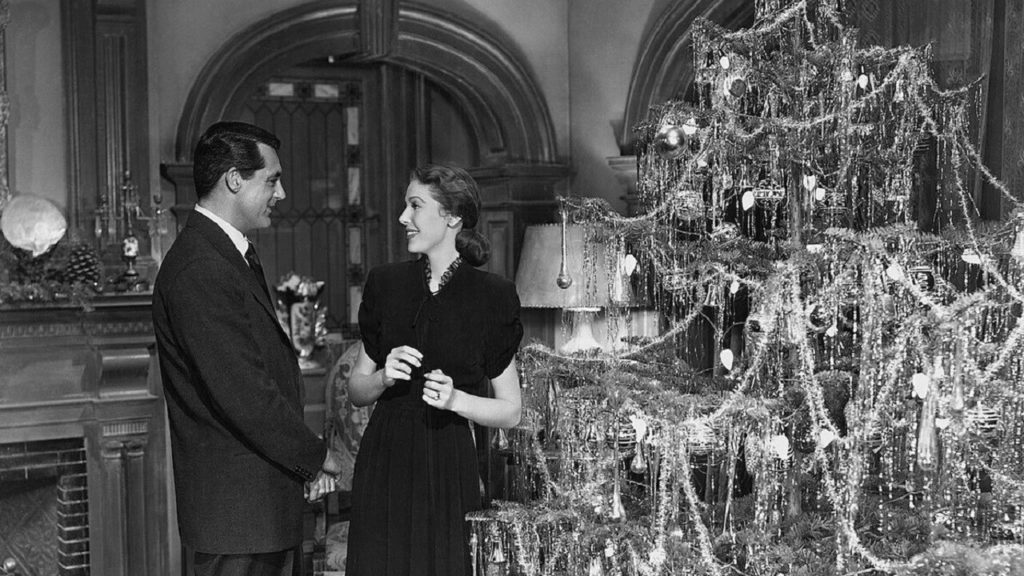
When we talk about Christmas classics, we immediately remember 'It's a Wonderful Life' by Frank Capra, 'The Bishop's Wife' by Henry Koster, 'Miracle on 34th Street' by George Seaton, and other famous early Hollywood films. American cinema was the first to realize that audiences love touching stories.
Besides the already well-established film industry in the United States, this is also linked to the development of television technology and advertising art. The American resident formed an image of that very holiday a little earlier, one that many still strive for – a beautiful Christmas tree with presents under it, a family dinner, and candles (which later became garlands) decorating every corner of the house. Films very skillfully wove these visual images into their narratives, helping the viewer immerse themselves in what we call the 'holiday spirit'.
With European cinema, it's a bit simpler. As a rule, films that tell us holiday stories are bright and beautiful – that's what we usually like about them. At a certain period, European countries were not in a position to create fairy tales. This doesn't mean there were no Christmas films there at all.
- The English film 'Mr. Scrooge' by Henry Edwards – one of the first feature-length adaptations of Charles Dickens' 'A Christmas Carol' (and perhaps the least cheerful). By the way, this work is considered the most adapted in the Christmas theme;
- The dark Swedish thriller 'The Guest Has Arrived' by Arne Mattsson, where the film's events take place on New Year's Eve. The plot is clearly inspired by Agatha Christie, but the film is not without Scandinavian flavor;
- A detective drama with French humor 'The Murder of Santa Claus' by Christian-Jaque. A film about how the residents of a small town investigate a murder, charming, sharp, and truly very French.
How Did 'It's a Wonderful Life' Influence Western Cinema?
Christmas and New Year's films became firmly established in Western countries in the early 1970s. This, by the way, is often linked to the popularity of 'It's a Wonderful Life'.
You might ask: 'Wait, Ellina, the film came out in 1947, what does it have to do with the 70s?'
Frank Capra's masterpiece had a difficult history – the film was a box office flop. Despite high critical acclaim, it did not gain popularity with the public in its release year. The production company Liberty Films went bankrupt as a result, and the director took it hard, although he believed until the end of his days that it was his best work. The situation changed 28 years later when the distributor's rights to 'Wonderful Life' expired and they decided not to renew them. Thus, the future American legend ended up on every television screen in the United States. The sad, yet kind and magical film won people's hearts and quickly became popular, first in the English-speaking world and then in European society.
This unexpected fame inspired many countries to create their own Christmas movie fairy tales. The 70s and 80s gave viewers excellent and unusual films, not only kind and family-oriented, but also scary, eccentric, and sometimes even absurd.
- The German film 'The Christmas Goose Augusta' tells the story of an opera singer whose children turn the holiday dinner into a family friend;
- 'Santa Claus is a Stinker' – a tragicomedy about slightly crazy French people who, by force of circumstance, are forced to celebrate Christmas together (spoiler – it doesn't go very well). Interestingly, the film has no age restrictions. But I wouldn't recommend watching it with small children;
- The Italian youth comedy 'Christmas Holidays' – a film about love and a ski resort, which later grew into a huge franchise. It can probably be compared to 'American Pie', but a bit more decent and with an Italian flavor;
- The Czech fairy tale 'Three Wishes for Cinderella' – a film well known to Soviet audiences. A kind family fairy tale. It seems to be even more loved in the Russian-speaking world than in Europe – its rating on Kinopoisk is significantly higher than on IMDb.
- 'The Dead' – an Anglo-Irish drama starring Anjelica Huston will not leave fans of serious cinema indifferent. A solid, intimate, unhurried film about family values.
Cinema of the Soviet Union
Soviet New Year's cinema lived its own life. The very first bright film was 'Carnival Night' by Eldar Ryazanov. The Soviet audience loved this bright picture, so many New Year's films were made. Some had tremendous success and are still watched in Russia today, probably even by our readers. Others passed more quietly.
- 'The Career of Dima Gorin' brought together future stars and excellent directors. The film was the graduation work of Frunze Dovlatyan and Lev Mirsky;
- 'How Toasts Are Born' – a Soviet satire starring Georgy Vitsin. The film is a short film, which turns it into a cinematic feuilleton and gives it even more charm;
- 'Leap Year' – an interesting film that, I think, will appeal to fans of theater in cinema and Innokenty Smoktunovsky. Interestingly, the situation is the opposite of 'Three Wishes for Cinderella' – on the foreign site, the film is rated higher than on the domestic one.
The Peak of Christmas Cinema
American and European Christmas cinema reached its peak at the turn of the century. The nineties and noughties gave a wide audience those films that many of us still rewatch with love.
This rise, of course, affected not only New Year's films; in general, audiences became closer to cinematic art. This is again linked to the development of technology and television. Production became cheaper, and going to the movies became accessible to any citizen of the Western world, even with modest financial means. And increasingly, film actors and actresses became opinion leaders.
All of the above became fertile ground for making family films – from comedies to adventures. The language of cinema became a bit simpler, plots became more dynamic, and the focus was aimed precisely at understandable feelings and emotions.
We can see a reflection of these trends in our favorite Christmas movies.
I think many of us are truly in love with 'Love Actually', in which we can find skillfully used cinematic trends of those years. The director and screenwriter of the film – Richard Curtis – is one of the most iconic screenwriters of modern British cinema. He skillfully wrote several short and charming stories. The film set the trend for film almanacs for several years to come.
New Year's Movies Today – What Are They Like?
Currently, New Year's cinema is going through hard times – often seemingly large-scale and technically high-quality projects from major studios look cardboard-like, underdeveloped, and rather give the impression of a Christmas trinket. There is, of course, an explanation for this too. It's about money.
The easy profitability of Christmas films with low costs has, after all, made film studios a bit lazy. This is very clearly seen, for example, in the film 'Last Christmas'. The project, with a small budget, paid off well (there's a trick with its release in China, where the film earned well, but due to local laws, not all the money reached the studio, but let's not talk about that), but it didn't have very good reviews from audiences and critics.
One of my biggest Christmas disappointments of recent times is the film 'A Boy Called Christmas'. A project that had great potential died in the hands of poor direction and outdated cinematic language.
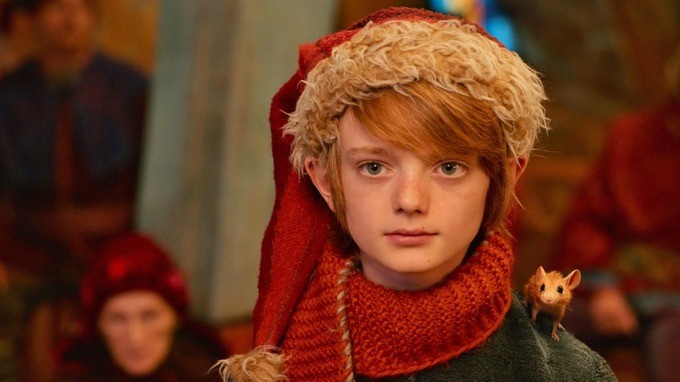
Therefore, the focus of discerning moviegoers is increasingly shifting either to independent cinema or to projects from streaming services. And while with the latter, things are more or less clear – the films are not necessarily better (unless it's 'Klaus'), but they also have familiar faces and are often available through an already paid subscription (I found, by the way, a list of the freshest films for you), then from representatives of the first category, we should expect more and more loud and interesting projects (festivals to keep an eye on).
'Christmas, Again' – a film that evokes more mild sadness than New Year's joy, but that doesn't make it worse. The story, based on the life of the film's director Charles Poekel, will surely resonate with some of our readers; The Netflix series 'Home for Christmas'. Don't write off this project because it's not 'just another Netflix product', but rather what some of us love about this studio – an interesting European multi-episode film with an engaging plot; Sean Baker's film 'Tangerine', which conquered Sundance, is a story about eccentric residents of Los Angeles who spend Christmas Eve searching for the lover of one of their boyfriends. In terms of vibe, this film reminded me of 'Ecstasy'. An unusual adaptation of Alexei Salnikov's book by Kirill Serebrennikov is a striking example of an unusual film shot against the backdrop of New Year's bustle.
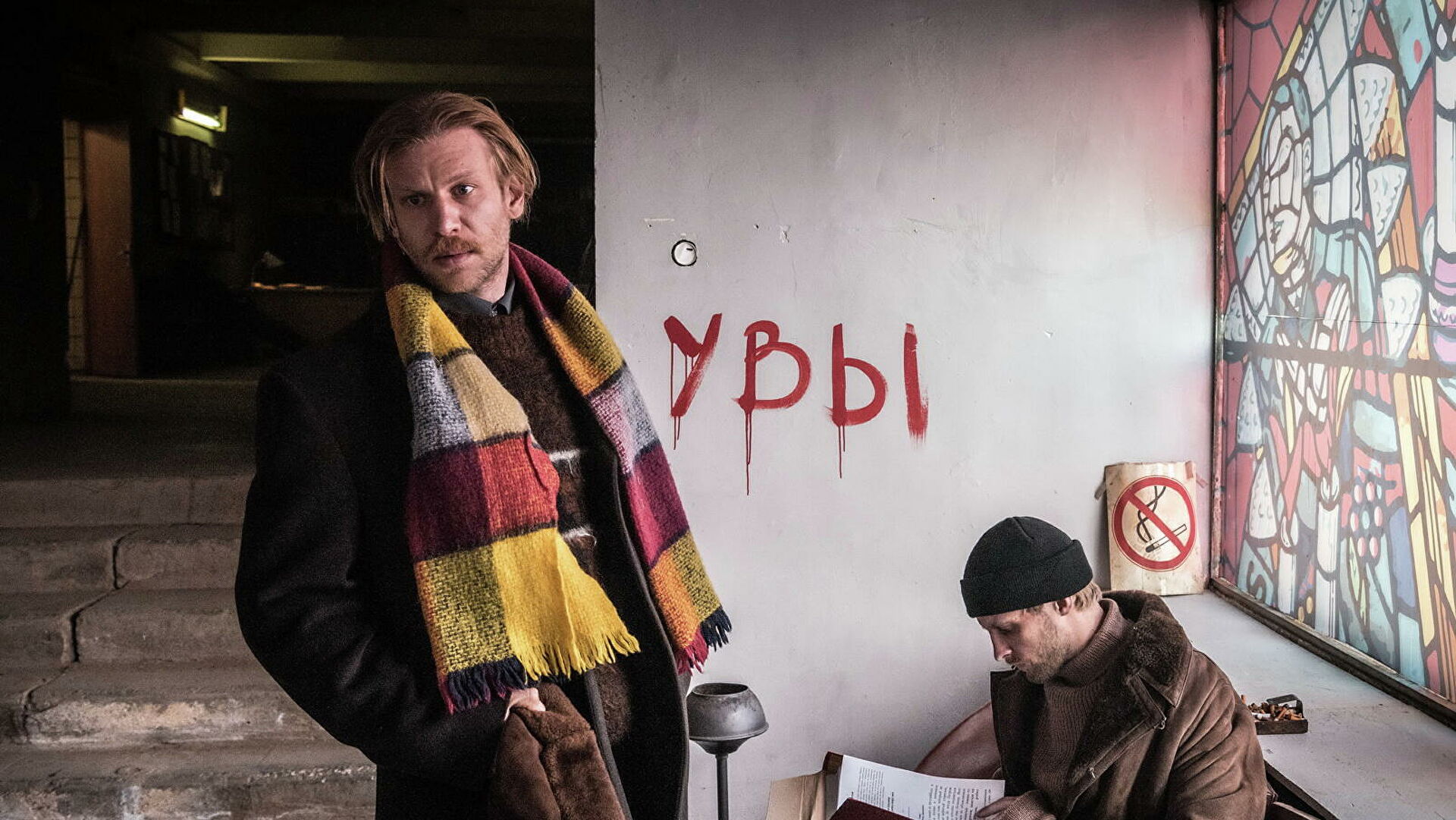
Kirill Serebrennikov in the film 'Petrov's Flu' managed to combine Russian chthon, vampires, and New Year's trees, making an engaging and surprisingly funny movie.
Open material
Comments
0No comments yet.
Sign in to join the discussion.