
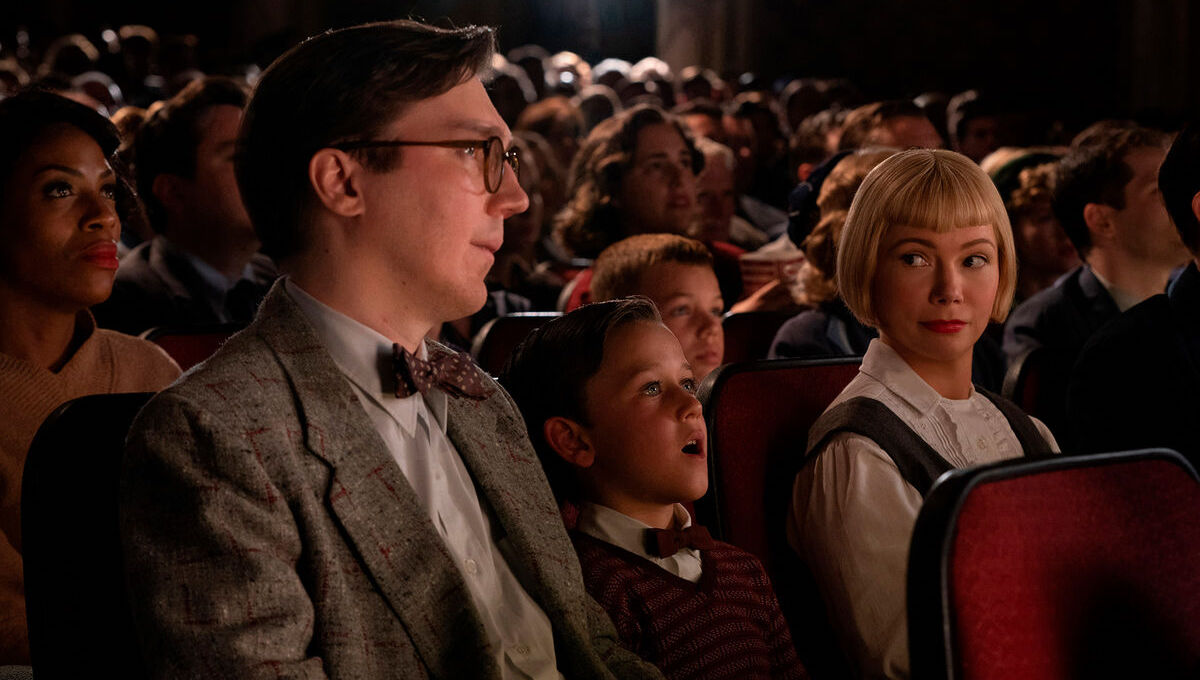
Steven Spielberg's new film about the coming of age of a boy who loved cinema very much. We tell you in our review why this drama with autobiographical elements is one of the classic's best films of the 21st century.
Parents take six-year-old Sam Fabelman (Mateo Zoryan Francis-DeFord) to the movies and quickly begin to regret it. The train crash scene from 'The Greatest Show on Earth' so frightens the boy that he can't even think of what he wants as a Hanukkah gift. Then he comes up with an idea – a toy train. First thing, Sam puts a car and boxes on the tracks and sends his new toy over them. The train derails – a disaster, just like in the movies. Since the boy wants to relive this traumatic experience ten times, and he feels sorry for the train, his mother Mitzi (Michelle Williams, with a strong Oscar bid) suggests filming the accident with his father's eight-millimeter camera. This is where the story of Sam Fabelman and his love for cinema begins.
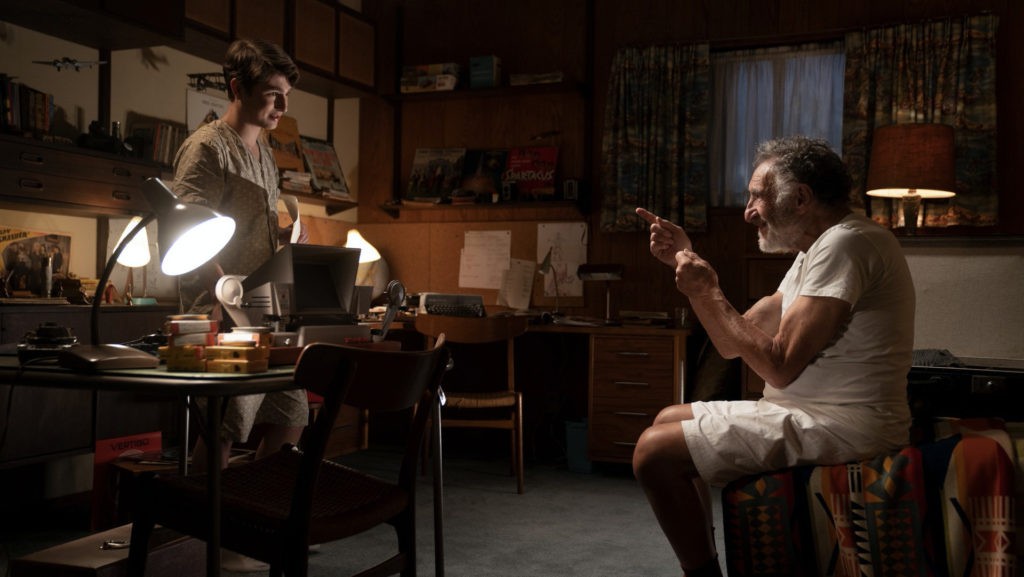
His loved ones are a bit frightened, yet at the same time amazed by the child's fascination with moving pictures, and each tries to explain the nature of cinema to him: his father (Paul Dano) gives a lecture on the technical side (it's all just pictures moving faster than the eye can register, that's all cinema is); Uncle Boris, who stops by for a day (in a phenomenal performance by 87-year-old Judd Hirsch), explains that art is always accompanied by loneliness; and his mother, more than saying it outright, holds in her mind that cinema is captured time, a moment gone but seized.
Spielberg is equally interested in all these views on cinema: the motif of an irretrievable past, technical achievements that most modern directors couldn't even dream of, and, of course, the feeling of loneliness, which the director has studied, needless to say, inside and out, essentially make up his entire filmography. And his filmography is, in fact, the subject of the film – the story of the formation of a future director, in whom it is easy to recognize Spielberg himself.
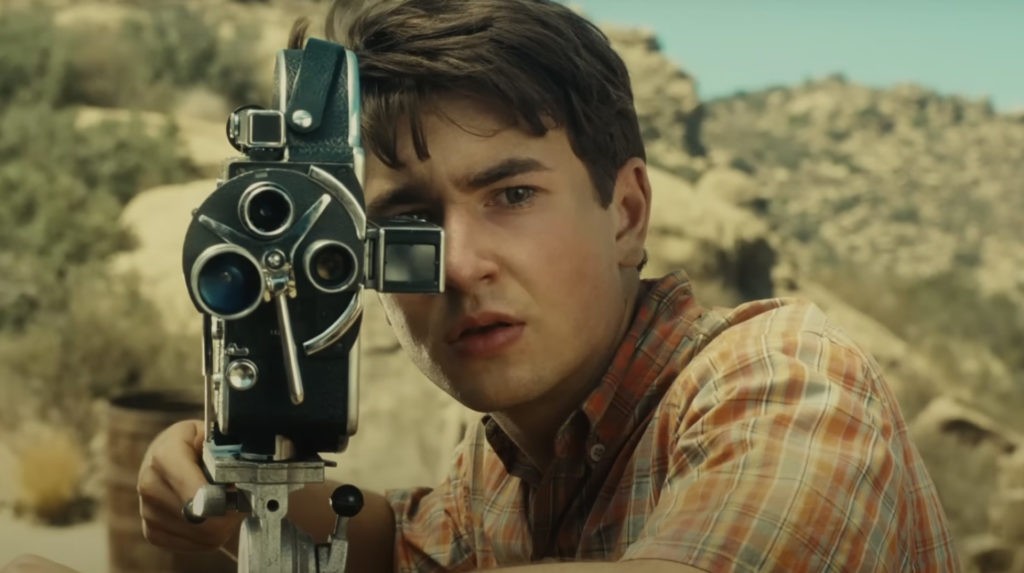
It's easy and pleasant to call the film an auto-biopic; here the director abandons universal themes, heroic characters, and messages written in large font, and ultimately makes perhaps his most human film. 'The Fabelmans' is still recognizably Spielbergian – its characters are more good than not, good generally triumphs more often, and sentimentality is again at the starting line, ready to overflow. Only it never does – as always with Spielberg, dramatic twists are destined to resolve well, but here one twist follows another, and at some point, you genuinely start worrying about the fate of the growing Sam, now played by Gabriel LaBelle.
How can everything be good when his father basically approves of his son's love for directing, but only as a hobby, because a profession must be serious, real ('Engineering – that's a real job!'); his mother loves her children and husband, but actively mourns her own lost career as a pianist and a life that, perhaps, didn't turn out quite ideally; his father's colleague and best friend (of the mother), Uncle Benny, is like a third, ambiguously superfluous member of the family; and moves due to his father's career – first to Arizona, where Spielberg himself grew up, then to California – don't exactly contribute to domestic coziness. The fairy-tale quality of the prologue gives way to the moderate drama of the Arizona section – still good, but the parents' marriage is falling apart ('The Fabelmans' in this sense is a subtle and intelligent film about divorce), only to arrive in California at a full-fledged coming-of-age drama, not too original, but surprisingly well-shot.
There, Sam faces the main trials of his youth – a relationship with a devout girl who prays to Jesus largely because he is sexy (as the character reasonably notes, God could have chosen a simpler avatar, but preferred to be a young man); the collapse of his parents' marriage; classmates straight out of memes about California WASPs. At school, pumped-up, dim-witted blondes bully the boy because he is Jewish, and largely because he is not as pumped-up and not as dim-witted. At home – conflicts with his father, who wants to see his son become an engineer, not one of those strange people who make a hobby their profession.
Sam responds to all his troubles by making movies, which are embedded in 'The Fabelmans' as short film inserts. At first, these are small imitations of films he particularly liked (Sam's response to the great 'The Man Who Shot Liberty Valance' is perhaps the best part of the film), then war epics with a McDonald's birthday party budget (a spectacle worthy of Robert Altman, or even Sam Peckinpah), films edited from family footage, and commissioned shoots.
In 'The Fabelmans,' Spielberg casually also made his own history of cinema, which found room for horrors, westerns, experimental dramas, and propaganda films (schoolboy fascists shine in young Fabelman's short film as if his last name were Riefenstahl). The older Sam gets, the more serious the genres he works with, and the harder it is to hide from the truth of life in them. And that is ultimately what the boy, and along with him Steven Spielberg, is doing. And few auto-biopics of recent years (and considering 'The Hand of God' and 'Belfast,' there were even too many of them) have spoken so honestly to the viewer about the fact that directing is, essentially, an escape.
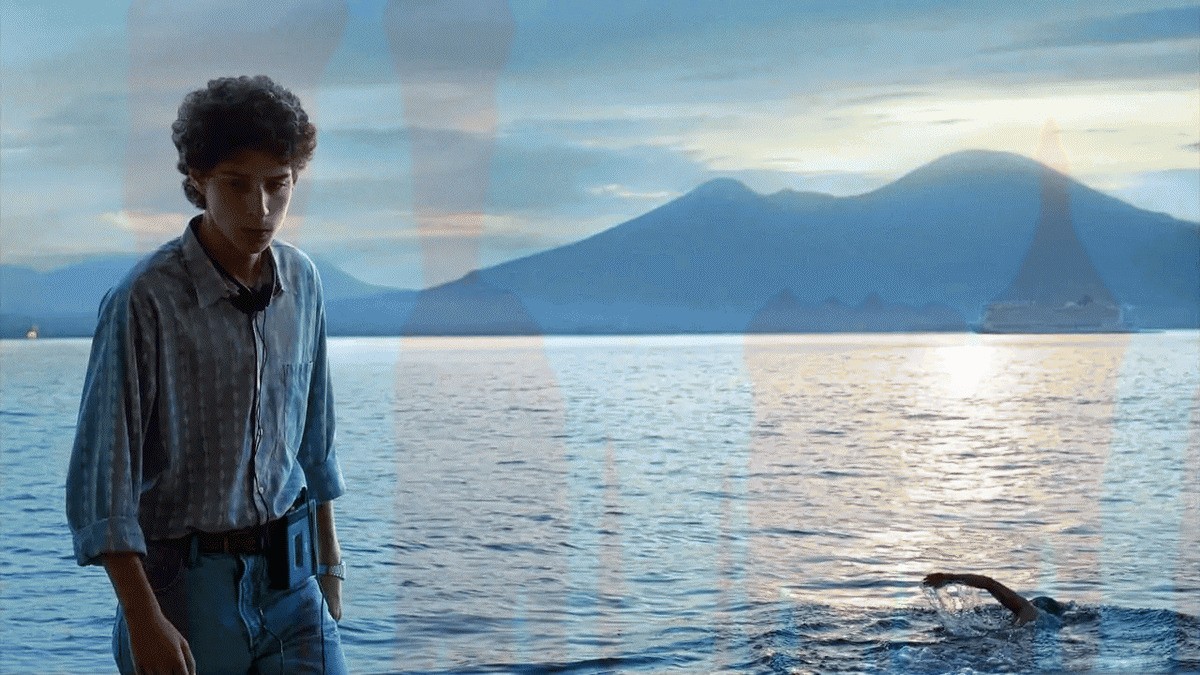
On December 15, a new film by Paolo Sorrentino, 'The Hand of God,' filled with the director's life experience, was released on Netflix. We tell you about another work of art by the modern Italian
Open material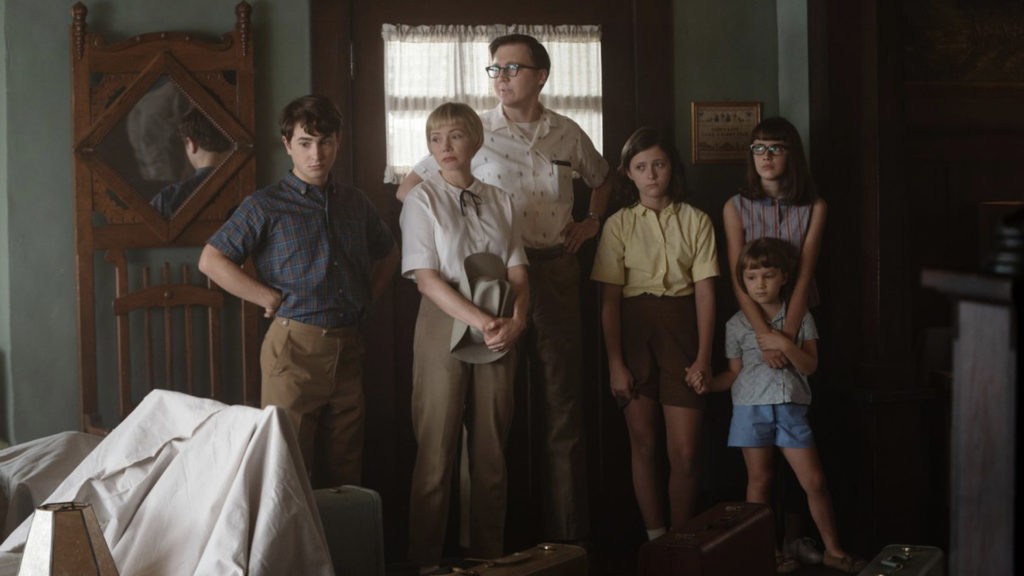
Escape behind the camera, escape behind the frame, where it is a little less scary, a little less painful, where there is a chance to replay life so that it becomes, firstly, pleasant, and secondly, meaningful. But you can't run too far, Spielberg shows – the movie ends, life begins. Although even for this, he has an unusually witty answer. When a local bully, whose girlfriend returned to him after Fabelman's short film, says, 'In movies, everything is not at all like in life,' Sam replies, 'That's true. But you did get the girl back, after all.'
And it is in this view of cinema, where everything is, of course, not like in life, but which can still change the world, even if it's small and unworthy, that perhaps lies what makes Spielberg a great director. It's not just that it's a great feat to make an autobiography where your childhood films are admired by friends and adults, and not fall into self-admiration, but in that fascination of a man in love with cinema, who, even if he wanted to, cannot tear himself away from the movie camera and projector. And because of the strength of this feeling, slightly obsessive, slightly compensatory, but ultimately, perhaps, the most important thing in the world, it is, of course, also impossible to tear yourself away from 'The Fabelmans.'
Comments
0No comments yet.
Sign in to join the discussion.