
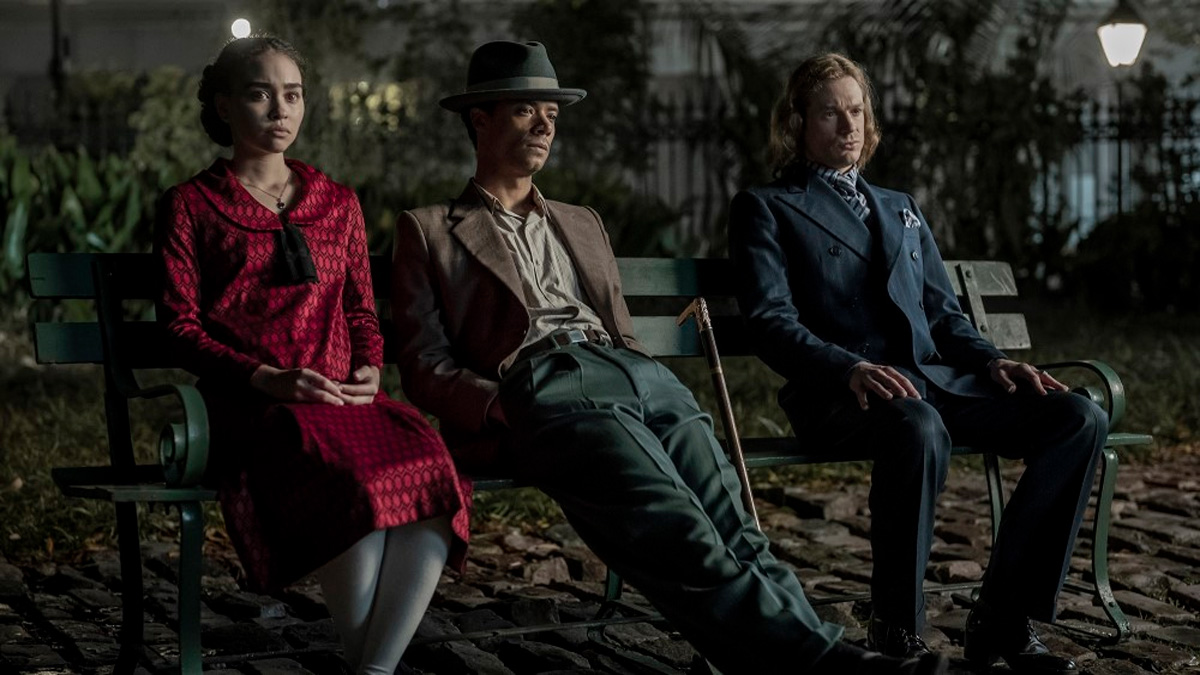
At the end of September, the series 'Interview with the Vampire' based on the novel of the same name by Anne Rice was released. Is it worth comparing with the 1994 film, and what are the advantages of the new project? You can find out in our article.
Last year, AMC acquired the rights to 18 books by Anne Rice, including the series 'The Mayfair Witches' and 'The Vampire Chronicles'. The channel aims to turn the writer's novels into a television franchise. The first to be released was a series based on the novel 'Interview with the Vampire'. It consists of 7 episodes and is accompanied at the end by comments from the creators about the specifics of making each episode.
'Interview with the Vampire': Pros and Cons
The first season is a detailed account of the first part of Anne Rice's novel. We are present at the interview of Louis de Pointe du Lac (Jacob Anderson) with journalist Daniel Molloy (Eric Bogosian). From these first episodes, we learn about Louis's meeting with Lestat de Lioncourt (Sam Reid). The events take place in New Orleans over a large time period from 1910 to 1940.
We witness not only the interactions of the characters, but also the changes in the world and society's views on people who are different from them.

Of course, one cannot help but want to compare the series with the film 'Interview with the Vampire' (1994) by Neil Jordan. The main feature and a positive aspect of the series in this regard is the presence of not only Louis's story, but also other characters who complement the overall picture. This is done through the use of Claudia's diaries and parallel narration in the present day.
Viewers are present at the conversation between Louis and the journalist, who is not afraid to ask tricky questions or steer the vampire's story in a different direction. The change in concept from 'Louis's Monologue' to 'As Many People, As Many Opinions' makes the project unique.
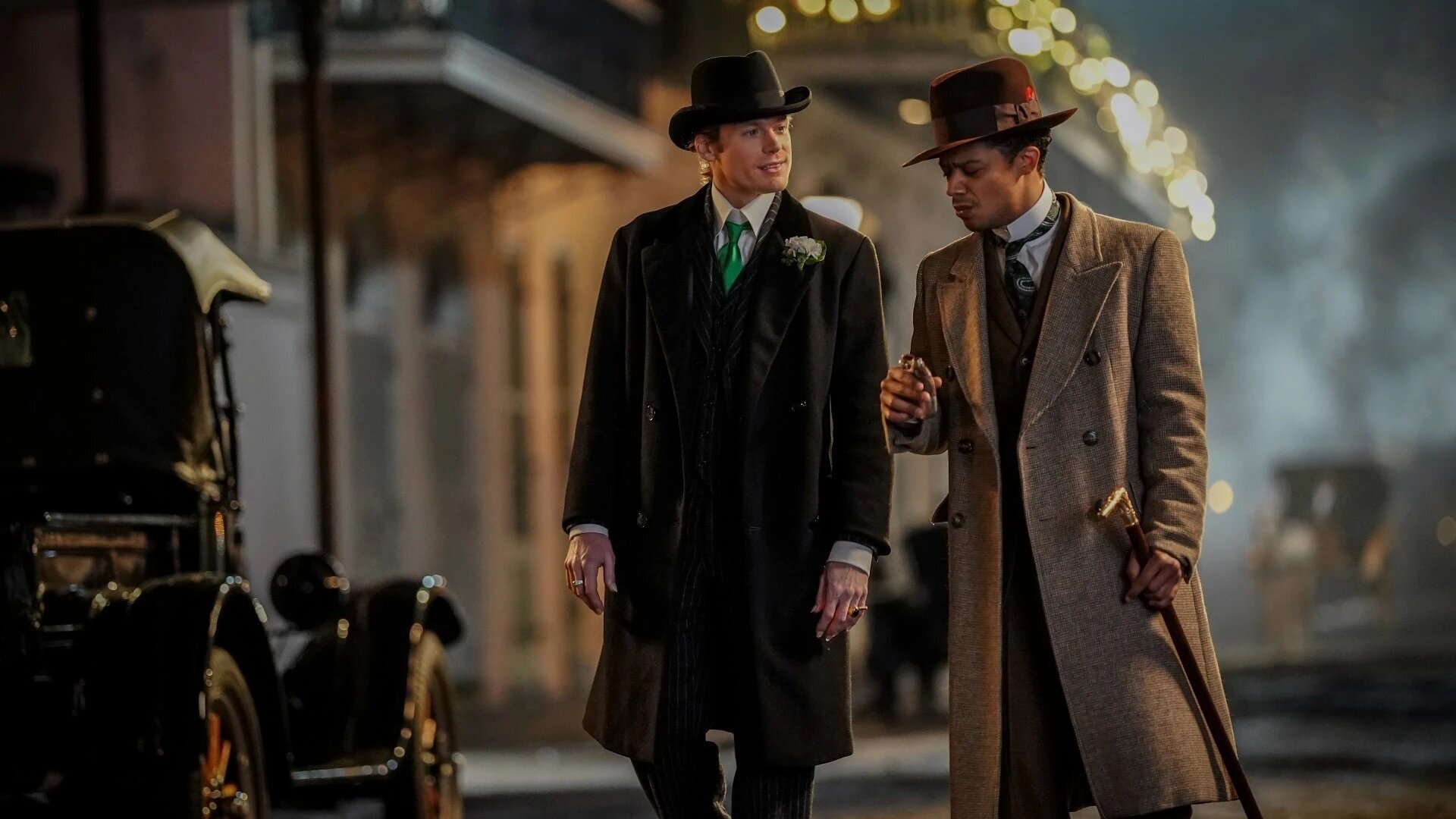
Of course, the question arises: what are the downsides? Perhaps for some, the drawback will be the somewhat slow pacing of the narrative in the first episodes and the focus on Louis and his family. But remember, this is an interview with him, and of course, he wants to talk more about himself. You might also be confused by Sam Reid's resemblance to Brad Pitt in the 1994 film. Believe me, if you are a fan of the film, you might initially have a slight confusion about who is on screen—Lestat or Louis from 1994.
Is It Easy to Live Forever? Especially Together
The events of the first season are largely concentrated not only in one city, but even in one house. We observe how the characters meet, love others, argue, hate, and suffer. The main trio—Louis, Lestat, and Claudia—is an inseparable system. They attract each other, drift apart, try to live separately, but there is one thing: they are a single whole.
Despite the understanding that the characters are immortal, the viewers are shown completely human problems. This is vividly illustrated in the episode about Claudia when she is first turned. She learns, throws tantrums like a child. It is pleasant to watch Louis and Lestat raise their young protégé.
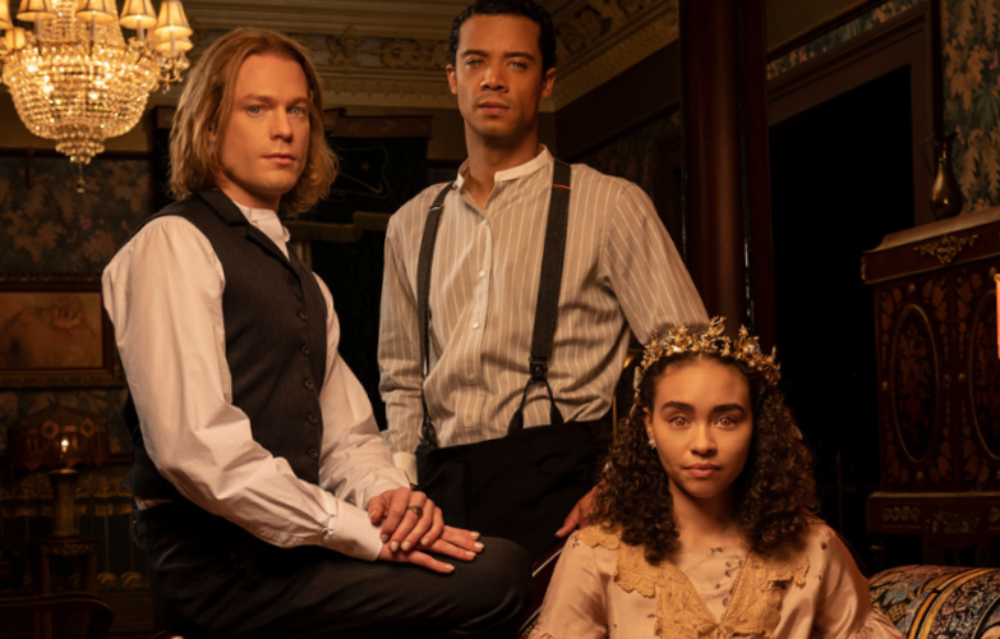
This humanity, combined with the necessity to kill others, becomes the main intrigue. All the characters are connected in one way or another. This is not Louis's first meeting with Molloy; they were already linked by an incident in the journalist's youth, which remains unrevealed. Like Louis, the creators do not want to tell everything, as if saying to us, 'Wait, the time has not yet come. We will tell you everything, but not now.'
In the end, it turned out to be a bloody story of relationships with beautiful scenery. There is something new here, and there is also what we love about Anne Rice's novel. But in the finale, you will be met with a very non-trivial plot twist that will make you look forward to the continuation. Fortunately, this will happen, as the series has already been renewed for a second season.
Trailer:
Comments
0No comments yet.