
How the ethno-horror “Qash” becomes mainstream cinema and what Aisultan Seitov's film is really about.
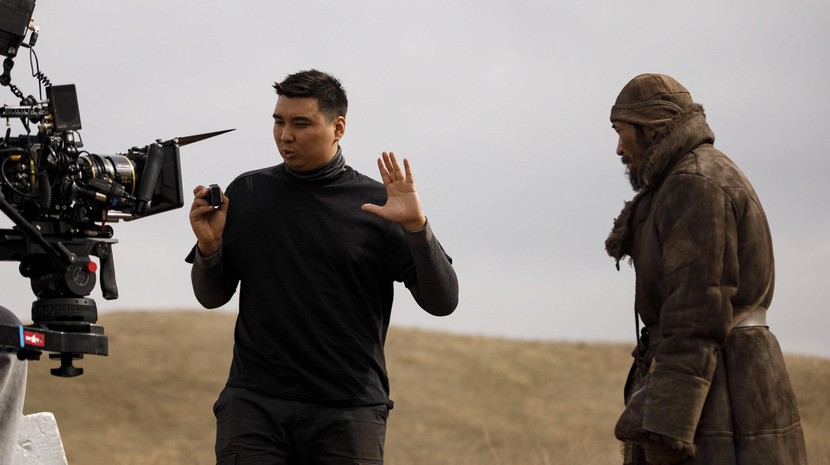
Kazakhstan saw the premiere of the debut film by Kazakh music video director Aisultan Seitov – “Qash”. Aisultan is known to the public for his work with Jah Khalib, Skryptonite, Miyagi & Endspiel, Ivan Dorn, as well as Kanye West and Offset. The team spent about two and a half years creating the film, with support from the QARA studio. And ever since the announcement of the theme of “Qash” – the period of colonization and the famine of the 1930s – the project has captured the audience's attention.
Is Aisultan Seitov truly the young hope of new cinema in Kazakhstan? Is it correct to compare him to Kantemir Balagov? Find out in our review-opinion on the debut project. We have not included plot spoilers, only shared impressions, so feel free to continue reading.
What is the film “Qash” about?
During the famine of the 1930s in the Kazakh ASSR, gravedigger Isatai sets off to the nearest city on a risky mission to save his village, but on the way he meets a wanderer who points the way to nowhere.
Genre and Theme
Perhaps the main misconception about the film lies precisely in its theme. Right after Aisultan announced the period in which the events take place, online commentators voiced their expectations. And among them, a common thread emerged: it would be a historical film with statements against the policies of Soviet power in Kazakhstan.
But the audience's expectations have nothing to do with the author's intention – not entirely. “Qash” is the story of an individual forced to survive under the given conditions. It is a personal drama. It is the struggle of each character. It is the pain of a people through the eyes of one hero. But not at all a political statement.
Officially, the genre is called “Ethno-horror”. And the film is exactly that from beginning to terrifying end. It is definitely a good slow-burn and a film akin to a parable. It is minimalism. It is a journey through the endless cold and gloomy steppe in search of answers. And we get a very clear answer in the finale.
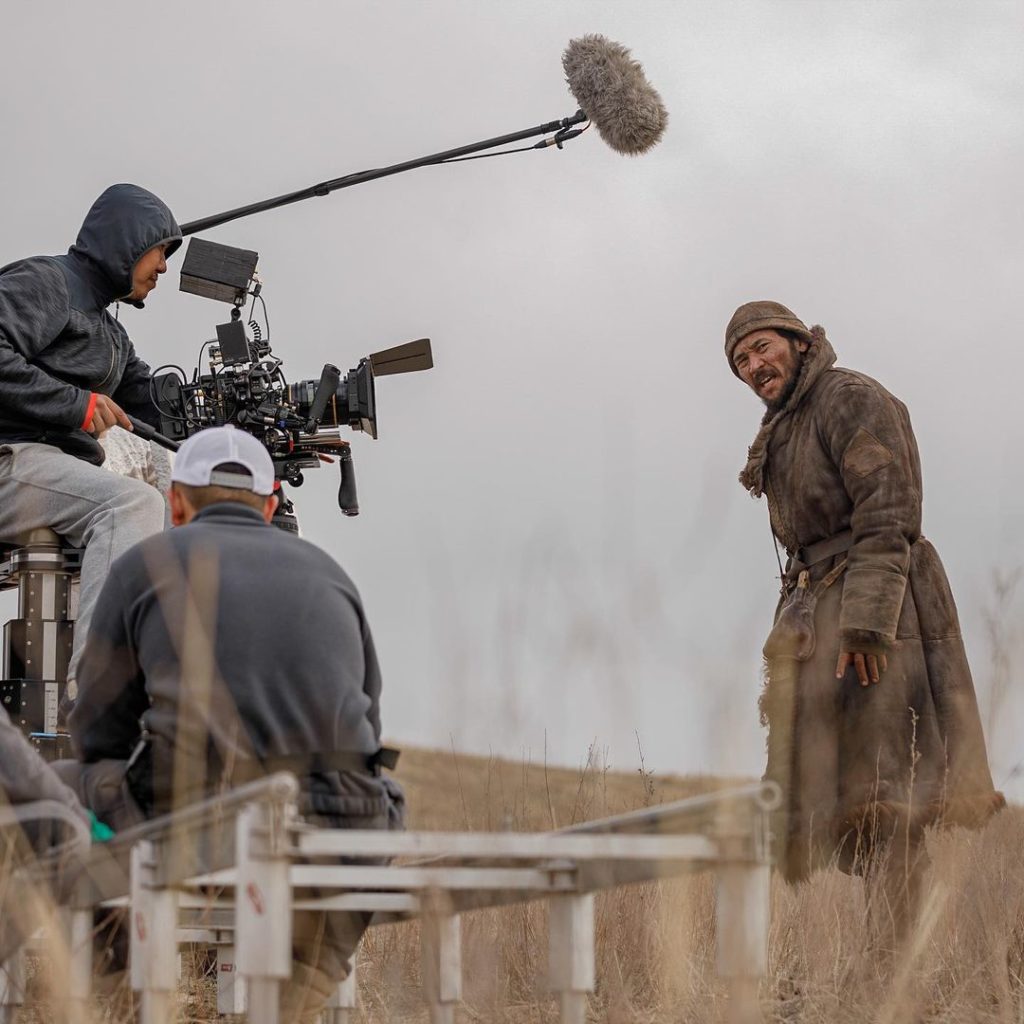
“Qash” is that rare and unique case where art-house becomes something mainstream, especially in Kazakhstan. Let me explain: the local audience is not used to such films; they simply haven't been made before. And if they were made, such films were only presented at international film festivals, but they rarely reached cinemas and did not receive due attention.
Now the picture is different: audiences are buying tickets en masse and going to the cinema to support the young director. It can be noted that the audience in the halls is very diverse – from children to the elderly. And everyone's impressions are also different. But that's why we watch good cinema – it should be memorable, understandable for any generation, and evoke emotions.
Moreover, if the support and positive comments on social media translate into box office success, it is a good sign for domestic films and young talents. Kazakh cinema will be able to break out of the endless comedies and crime action films and open the door for unique works in cinemas.
Perhaps this is why Aisultan Seitov is being compared online to Kantemir Balagov, with whom, by the way, he is friends. Kantemir managed to give Russian cinema more meaning, gathered a young audience around him, but he is also distinguished by success abroad – Western film critics speak very positively of his works. Aisultan has yet to achieve that.
Actors
For the main roles, the team chose professional actors – Yerkebulan Daiyrov and Ondasyn Besikbasov. This was undoubtedly a huge plus, as they handled the serious emotional scenes brilliantly. The debut was the work of a young actor – Sultan Nurmukha, who, by the way, also did an excellent job. Here we also note the work of the makeup artists and costume designers – everything is in the spirit of the time, accurate down to the smallest detail.
Cinematography
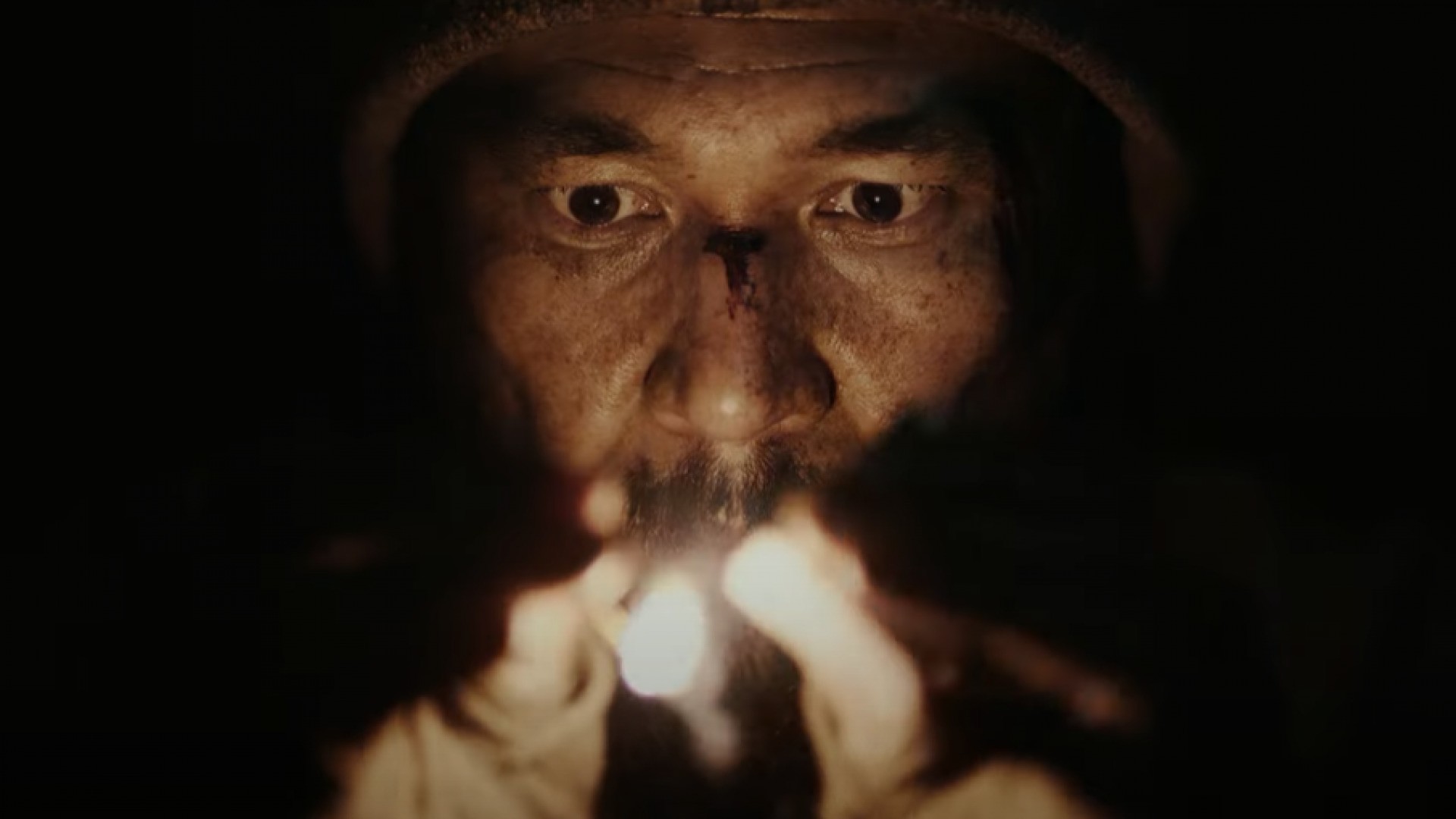
This was probably expected. It was expected that a music video director would compose every frame so perfectly that almost every minute of the film carries a certain aesthetic and meaning. Visually, there are no complaints about the film. The work with space, the wide steppe, and the minimal number of people in the frame is executed excellently. Bright colors, accents, and shadows are correctly arranged. Just look at the opening scene, which will immediately give you goosebumps. It sets the rhythm of the entire film.
Symbolism
Choosing a film with a cultural code for a debut is invaluable. Aisultan does not deny that Korean cinema had a strong influence on him, which, despite its uniqueness, becomes interesting to the whole world. It is especially worth noting that the film was released in the Kazakh language with Russian subtitles (for a wider audience reach).
And while watching, we recommend paying attention to the details, each of which plays its role. If you are not familiar with Kazakh culture, we list just a few:
- 4:3 aspect ratio. Yes, it is not the widescreen format everyone is used to. But it was chosen for a reason. Such a screen immediately evokes associations with the Soviet past, highlighting the boundaries that the characters cannot escape.
- No bright colors. The film has a unified color grading with an emphasis on hopelessness, hunger, emptiness, and doom.
- Mysticism and death – two accents that haunt not only the film's characters but also the viewers. Even the name of one of the characters, Alim, is consonant with the word “өлім”, which means death in Kazakh.
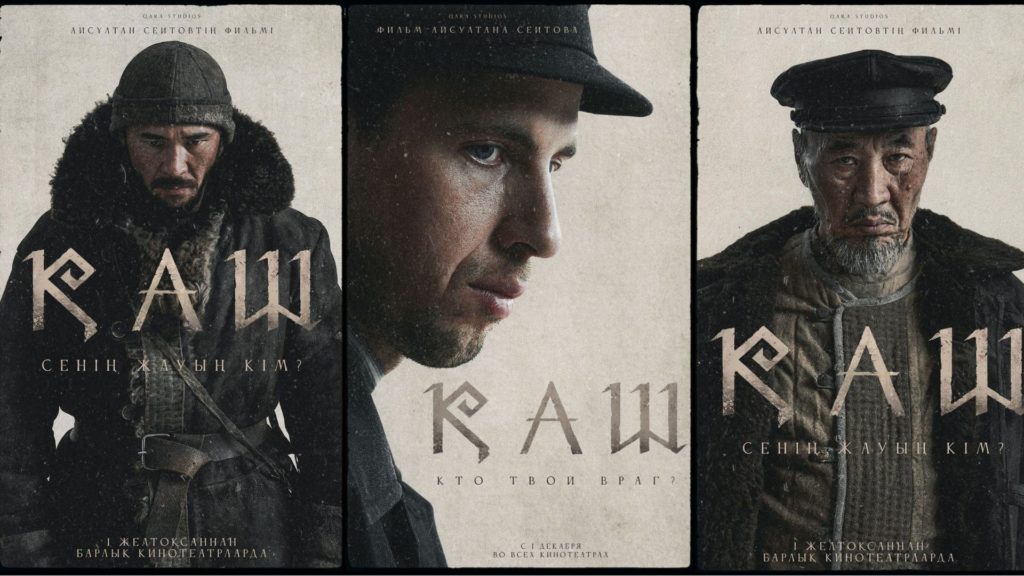
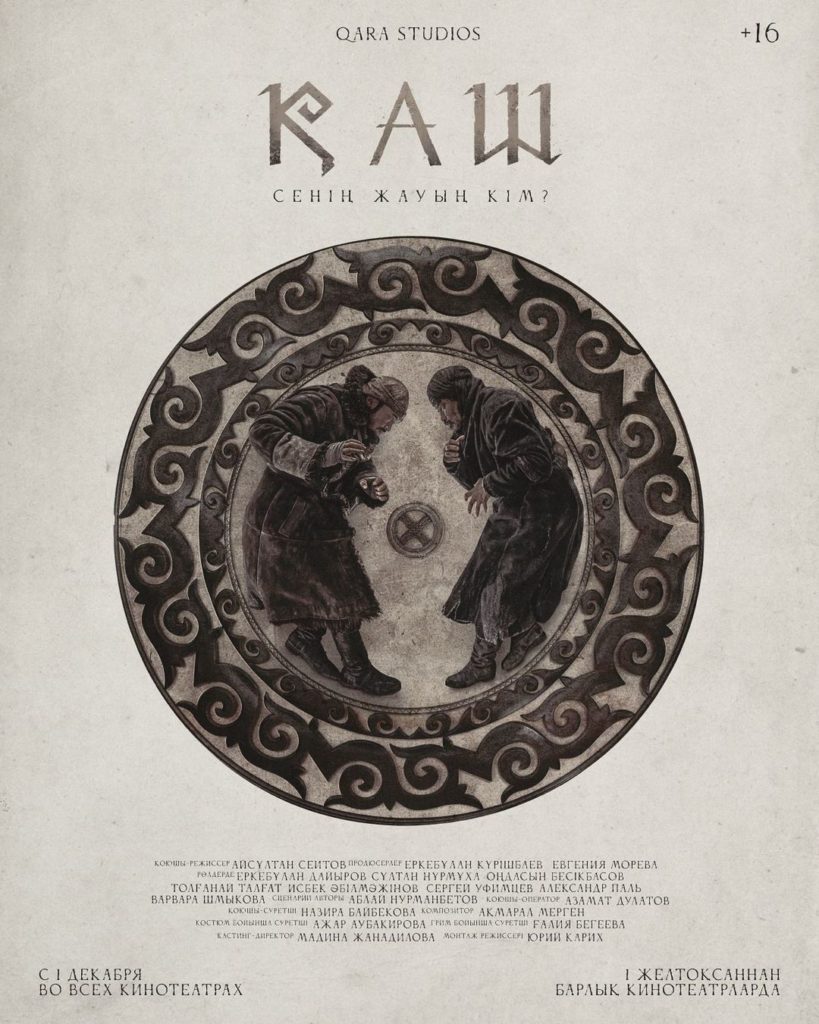
- Qash, by the way, translates to “run”. And the phrase will be uttered in the film at the most necessary moment. But even before the movie starts, you can see the characters on the poster, as if sealed inside a circle. Another sign that they have nowhere to run.
- The steppe has always had enormous sacred significance for all Turkic nomads. It is what the Soviet authorities wanted to eradicate from an entire people. We know several films where characters get lost in the desert and struggle against the elements. But how many films do you know where this happens in the steppe?
“From the very beginning, the film had a formula — I wanted to tell a story about people lost in the steppe. Gradually I came to the thought: 'What is the landscape of Kazakhstan? It's the steppes. Can I make a film about a labyrinth, using the steppe as that labyrinth? I can.' At that time, I had enough confidence,” says Aisultan Seitov in an interview. We recommend reading the full version of his conversation with Kantemir Balagov.
- The broken and burning shanyrak – the upper structure of the yurt. It has always been a symbol of a united people and its symbol was “responsible” for the connection between man and higher powers. Something to think about.
- The heroine Aiman embodies the image of Zheztyrnaq, a demonic character from Kazakh mythology in legends and fairy tales. She possesses magical power and can, like a witch, cast spells and curses.
- Playing national musical instruments, such as the shankobyz. Its sound is especially terrifying in the impenetrable darkness of the night.
- Asyks – a national game item, common among children.
- Dreams carry special symbolism. For example, a person buried in the ground may hint at how trapped the hero was, unable to control his own life and decisions.
- Balbals in the steppe – stones with human faces, erected by Turkic tribes since ancient times. They have several meanings: stones as landmarks or stones for commemorating slain enemies.
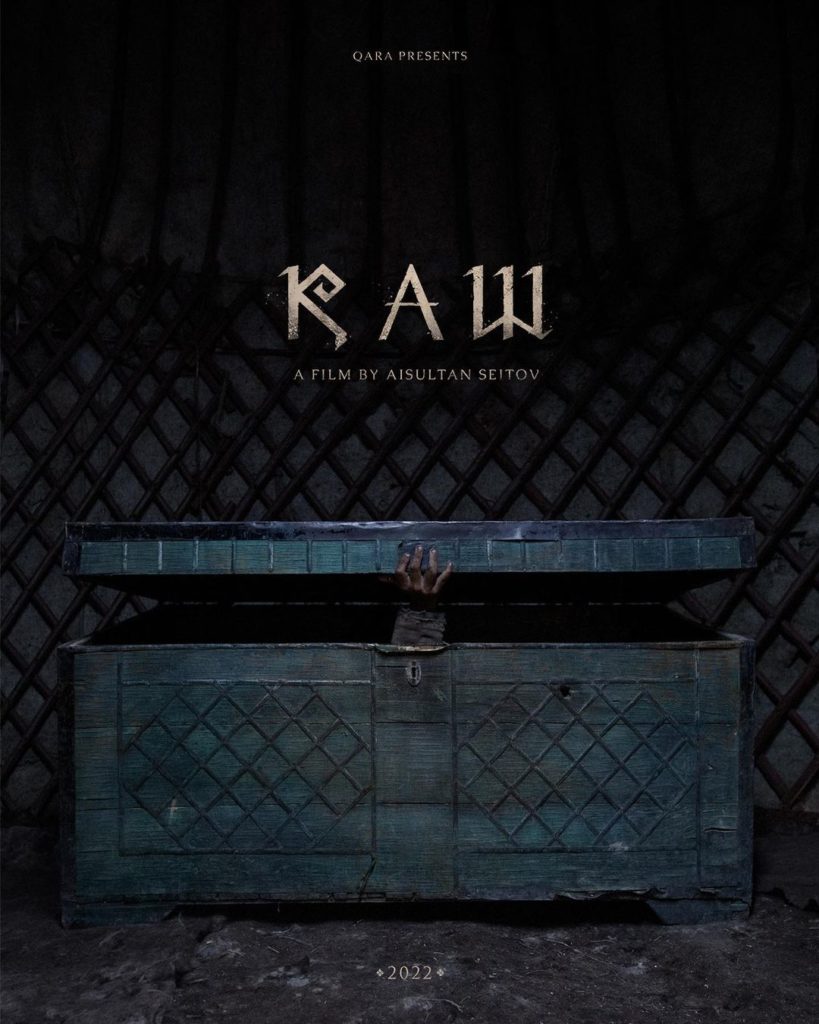
- Sandyq or chest – has always held a special place in the culture and traditions of Kazakhstan. Not only were items stored in the chest, but they were also passed down as inheritance. It is also associated with family wealth. In the film, the object has a special significance.
- Sound and music also play their role. Always precisely timed, always with mounting tension, always immersing you in the event. And it is not just “background” or “accompaniment”; it is a separate narrative element.
A Bit of Context
Yes, in modern realities and context, “Qash” acquires new meanings. Although it was conceptually created back in 2020. But geopolitics always sharply mixes with the social, so comparisons, references, and skepticism from the mass audience are inevitable for the film. Such is the agenda, and you cannot hide from it.
Moreover, previously all information about the topic of asharshylyk (mass famine) could only be obtained from documentaries and interviews with historians and political scientists. The film, although it does not venture into the territory of historical cinema, will still enter the list of must-watch when getting acquainted with this period. And perhaps it will encourage local cinema to address such acute and social topics.
Is It Worth Watching?
The feeling after watching can be described as “a lump in the throat and heaviness”. But it can reach every “thinking” viewer. “Qash” definitely managed to reach the domestic viewer and convey the sorrow of an entire people. And it is from such films that a new Kazakh wave of modern cinema should emerge. It is still unknown whether the film will be shown on streaming services, but judging by the comments, it is eagerly awaited in Russia, Belarus, and even the USA.
Films with a large number of visual symbols, metaphors, and meanings give reason to reflect on certain topics, discuss them, and “digest” them after viewing. And they give reason to look forward to a new film from the young director, because if this is his style, we would like to see more such films in theaters.
Comments
0No comments yet.
Sign in to join the discussion.