

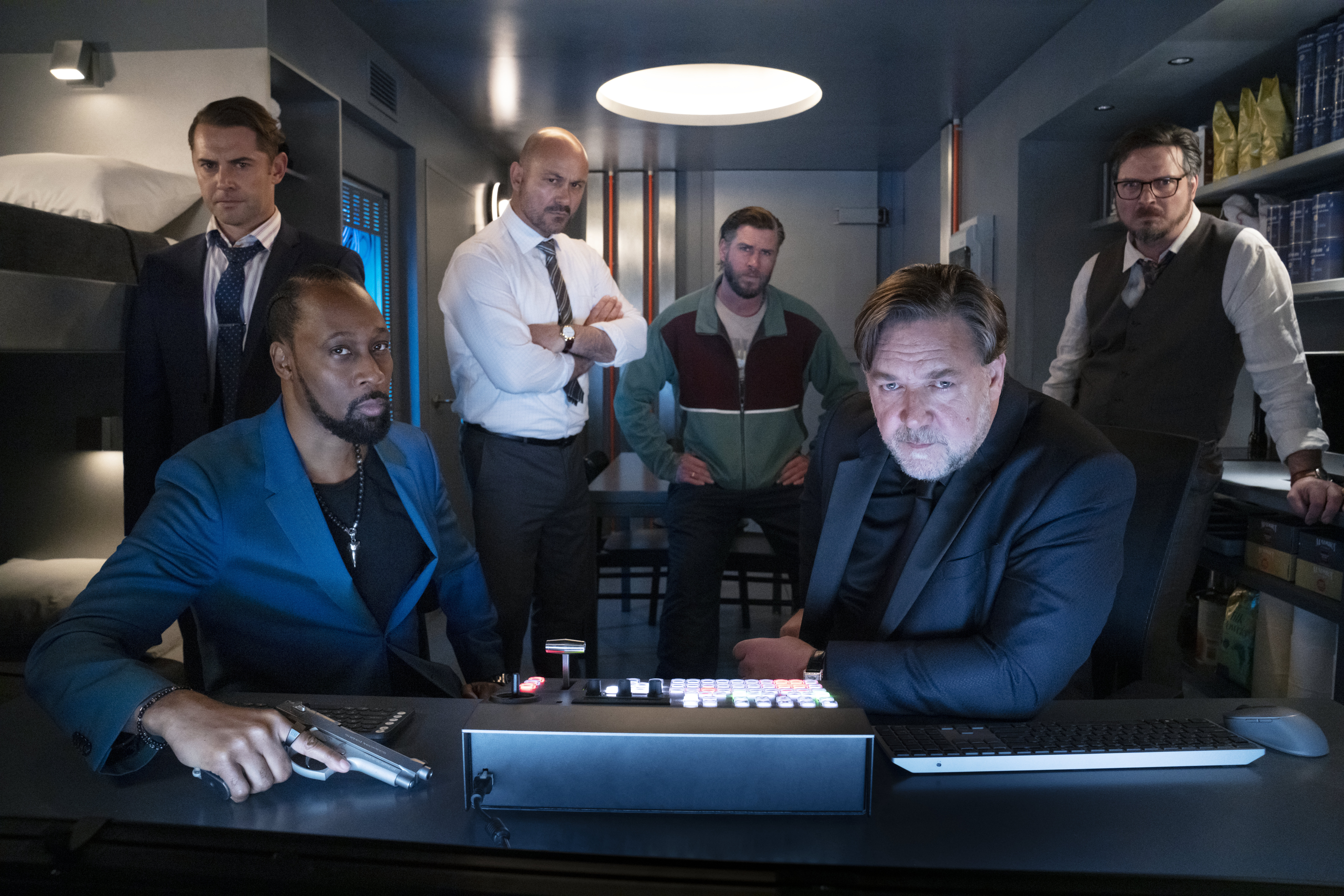
Ridley Scott's favorite, Oscar-winning Russell Crowe, has marked another directorial effort after an eight-year hiatus. About why his 'Poker Face', conceived as a crime thriller with elements of humanism and love of life, turned into a salon drama ab...
The film begins with a scene directly borrowed from the famous 'It' by Andreas Muschietti: young men and women frolic on a remote island, amidst the magnificent landscapes of Australia and an orange sunset. They jump into the water from a cliff, play cards, and ahead of them lies such a big and mysterious future...
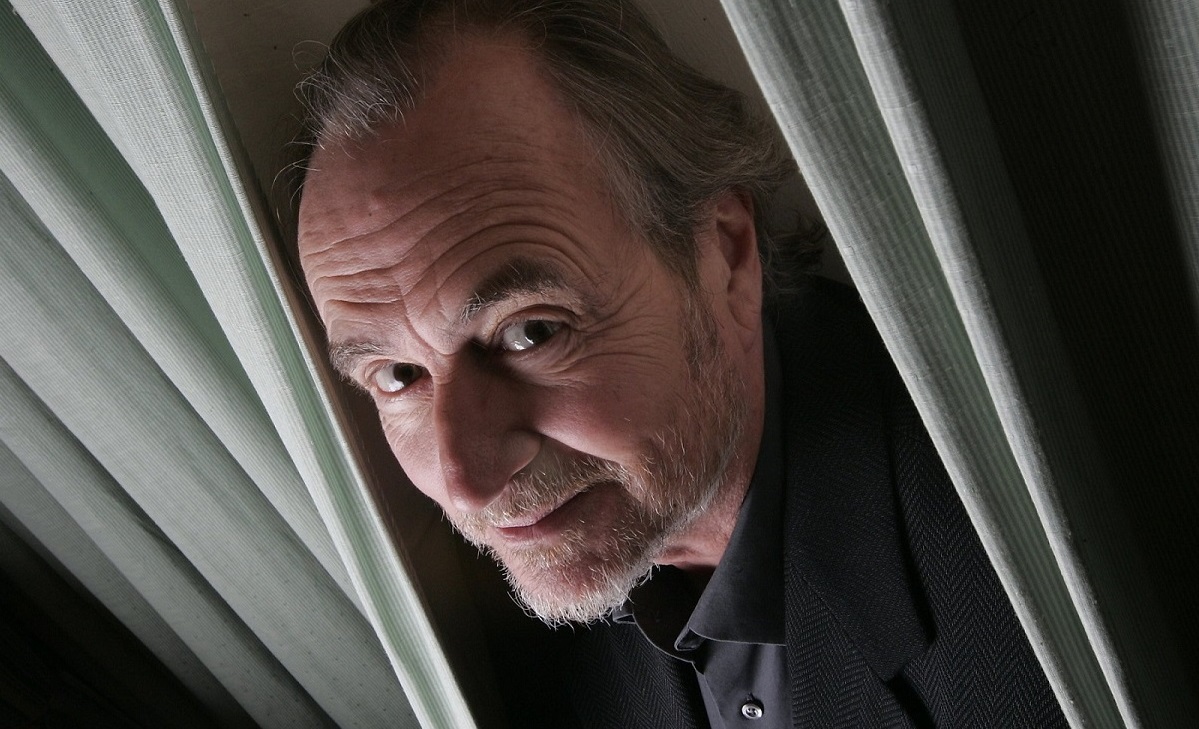
Evil has never felt so close, and horror movies themselves have never seemed so smart. And all thanks to the master of horror Wes Craven, who revolutionized the genre three times. Let's reca
Open materialSoon it arrives, and we meet the film's main character — card ace Jake Foley (Russell Crowe). What was once a simple hobby for this game led him to the throne of a card magnate with an online poker empire. Foley's business seems to be doing well: the business is thriving, his beloved daughter from his second marriage is growing up (Foley's first wife died in a disaster), he has several houses and a couple of expensive Maybachs. But deep down, something is weighing on him. He hasn't seen his childhood friends (with whom he frolicked on that island) in a long time, his relationship with his wife is cooling every day, and then there's an unexpected visit to the doctor, from whom Foley hears bad news.
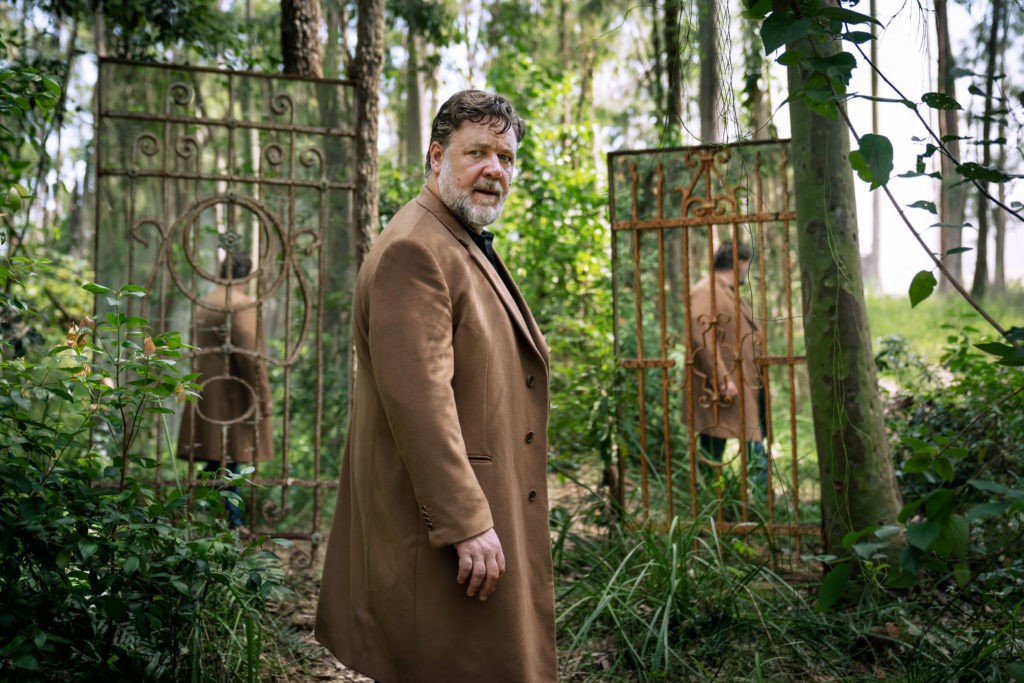
Then the billionaire decides to conduct a secret operation (why exactly 'secret' — remains off-screen). Foley invites his old buddies to the game of a lifetime. The stakes are very high — the winner takes both the money and the empire. But there is a second layer to this: the card ace wants to draw his friends into a frank conversation and find out why they drifted apart. And to make them more compliant, he stocks up on truth serum.
From here on, everything that happens will painfully resemble what the famous Briton Guy Ritchie has been doing for a long time — cards, chips, green baize, expensive cars, alcohol, anxious faces, suddenly arriving robbers, dialogues pretending to be intellectual humor, etc. But while Ritchie treats every scene with care and tries to bring character arcs to a logical conclusion, Crowe just skims the surface, grabbing whatever he likes.
This is that moment when the title 'Poker Face' fully reflects the content of the film. There is no room for emotions; everything is built on cold calculation. But the genre boundaries, seemingly cleverly placed throughout the film, look like ordinary props, cardboard walls — blow on them and everything falls apart.
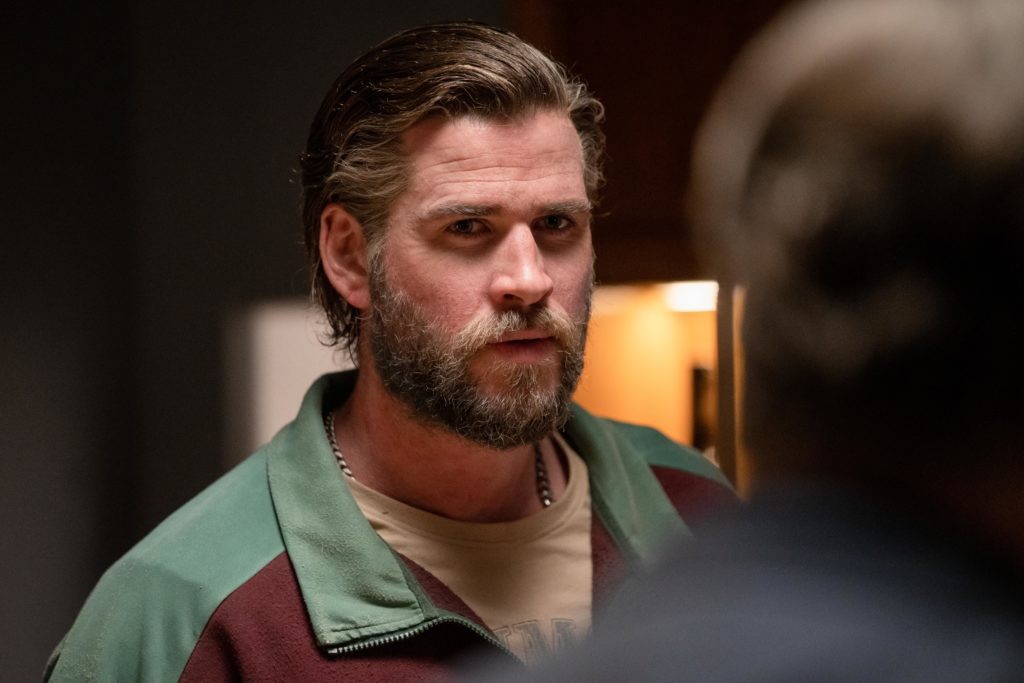
Crowe laboriously tries (or doesn't try — it's hard to tell) to play with a stoic face, limiting the plot to mere marginal notes: they sat down to play cards — didn't finish, friends seemed to just start confessing — didn't listen to the end, and no one is interested anyway, then bandits arrived — the shooting was so pathetic you'd want to take the saints out. Add to this periodic inserts of museum paintings decorating Foley's house and the author's philosophy with sea waves, clearly symbolizing the transience of all things (a technique that is 'original' to the point of being dreadful).
Such a jumble in 'Poker Face' is completely disorienting. The ambition clearly required more screen time, but Crowe was apparently severely limited in runtime. The only thing he managed to achieve in abundance is a smooth, lush, and fashionable picture: the shine of expensive cars, watches, the cold high-tech of smart homes. But the thing is, all these elements in the film look much livelier than his characters (played by decent second-tier actors), whom there is no point in sympathizing with; they are constantly washed away by that same metaphorical wave that periodically appears on screen.
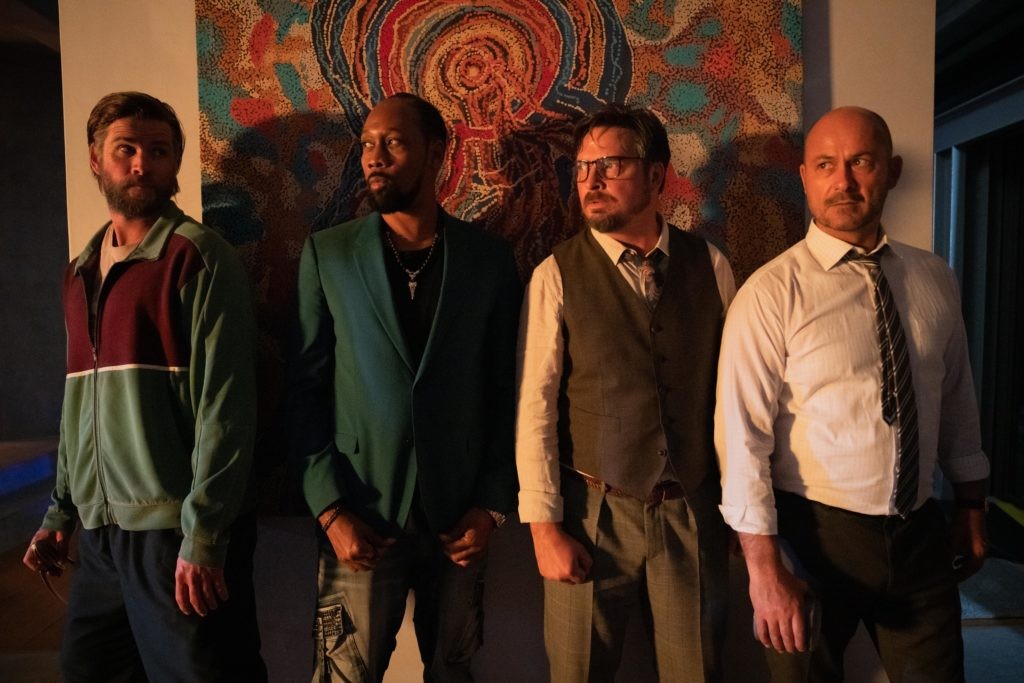
All attempts to build tension in the film devolve into an inappropriate and awkward salon drama, where scattered plot details cannot connect into one, wandering in the darkness of a luxurious poker room where there is no one to play.
In the end, 'Poker Face' turned out to be a ragged, strained, and dreadfully shoddy film that will surely be called one of the worst of the year. The only one you want to sympathize with here is Russell Crowe himself, who, despite all his efforts, has not managed to establish himself in the role of a solid director.
Comments
0No comments yet.
Sign in to join the discussion.