
On November 10th, the tightly crafted, extremely harsh and naturalistic debut film by Alisa Erokhina, “On the Eve,” hits theaters. A film woven from clichés that wittily dismantles those same clichés.
The film “On the Eve” was a participant at the “Window to Europe” film festival in Vyborg, where it won the prize for Best Actress (Darya Ekamasova) and earned warm reviews from the press. And now the debut of Alisa Erokhina is reaching wide release, set to win over audiences who have missed grounded cinema that is not lacking in original touches in both script and direction.
A teenager in search of love
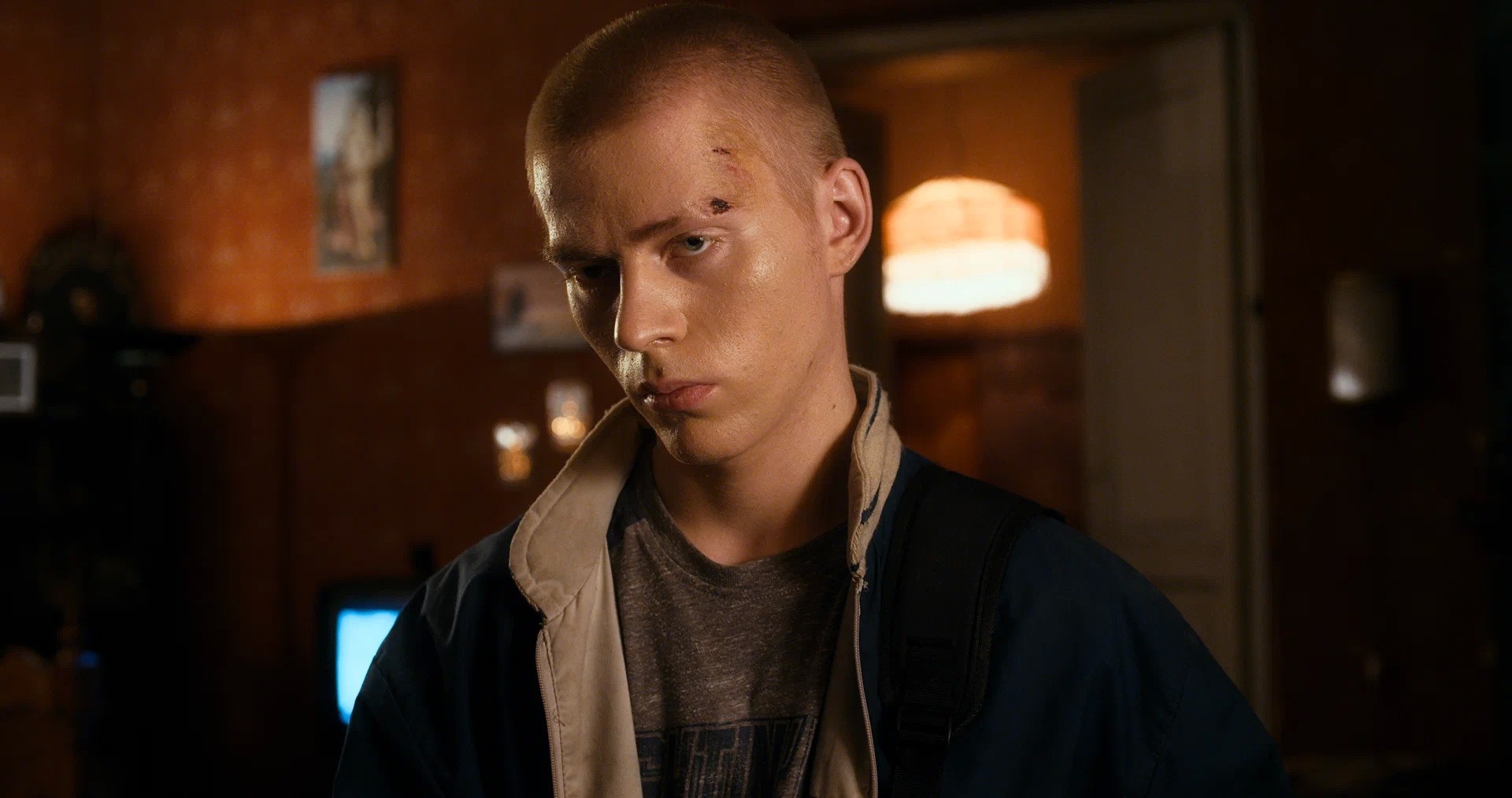
At the center of the story is a minor boy named Max (Artyom Yakovlev), who wanders aimlessly through the streets of St. Petersburg, tries to teach his flighty girlfriend (Veronika Zhukova) some sense, and also strives to mend relations with his father, who left the family. The latter bothers him especially, as the parent keeps refusing to spend time with him, finding all sorts of excuses.
Max discovers that his father has a mistress named Anna (Darya Ekamasova). And in her, he sees the root of all his troubles. So, this problem must be solved.
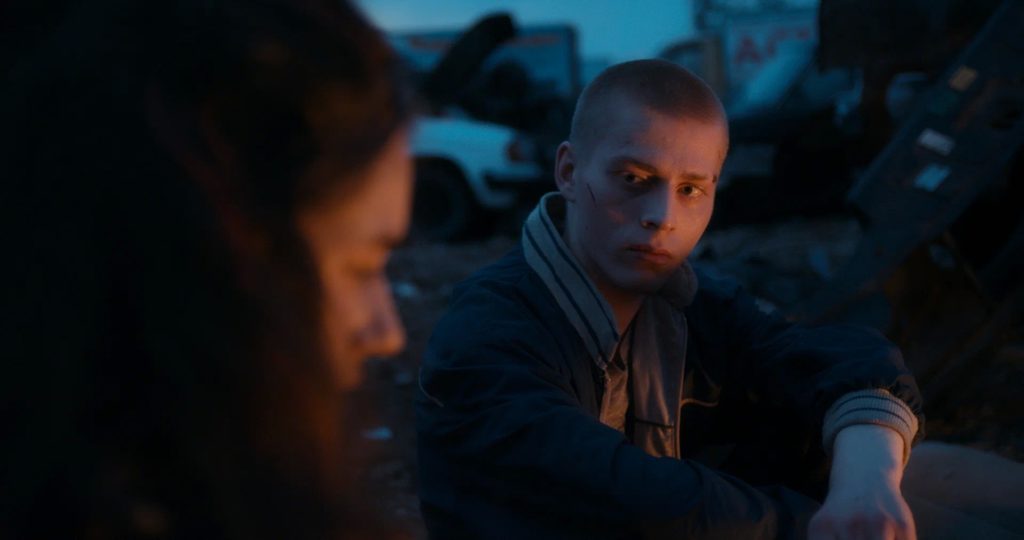
In “On the Eve,” Alisa Erokhina immerses viewers in the modern world of troubled teenagers, but does not try to give it the shade of hackneyed social drama and bleakness. Although her hero either steals sweets from a store, gets into unnecessary fights, or prefers to relax at a dump, the director is more concerned with the inner world of the lost and therefore lonely Max.
The hero rushes in search of the best way to get rid of loneliness. He provokes those close to him to elicit their emotions. He throws himself headlong into adventures to prove to himself that he is alive. He seems to walk paths long trodden by the tragic characters of Gus Van Sant. And at some point, it may seem that you already know what he will do, what decision he will make. But then the director makes a surprising move and abruptly shifts the perspective to the female one...
A strong image of a weak woman
It is easy to see in a stranger what you want to see. So Max saw in Anna an “enemy,” a home-wrecker, a narcissistic femme fatale. However, in the second act, Alisa Erokhina emphasizes a simple but seemingly often forgotten truth — everyone has their own truth.
Darya Ekamasova, with a balance of elegance and authenticity, embodies a character not very typical for modern domestic cinema — a lonely and insecure woman dreaming of happiness.
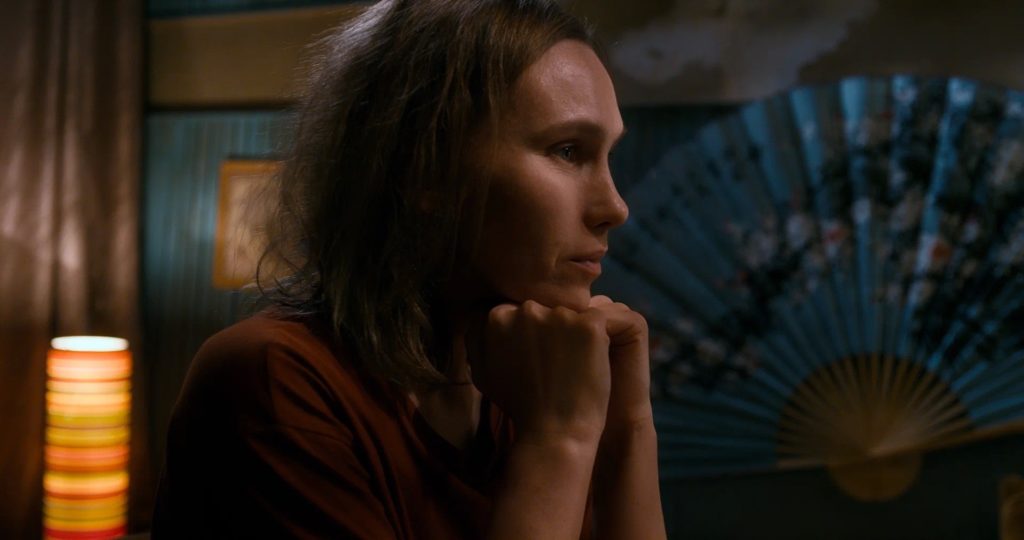
Her Anna is not a femme fatale (she feels awkward at speed-dating events, not knowing what to talk about — horoscopes or her work as a dog walker); she is not overly concerned with wealth (she lives in a modest apartment with her sister and does not discuss finances with her lover). She finds it easier to connect with four-legged friends than with other people. And her relationship with Max’s father develops rather against common sense.
The two-act narrative is designed to show different perspectives on the same situation, so that the viewer can draw conclusions themselves. Not about what is right or wrong in this case, but rather about how whimsical life can be, what challenges it sometimes presents to a person.
Clichés in the film
“On the Eve” skillfully handles the clichés of teen cinema and films about adultery, steering these plot threads into previously unexplored directions. Thanks to this, the simple storyline is engaging, and the story itself lingers for days after viewing.
One can only regret that, unlike the script content, the film’s visual style more often inherits the clichés of domestic cinema — scant cinematographic solutions and a desire to make the picture pseudo-documentary do nothing to distinguish “On the Eve” from the average auteur cinema of the mid-2010s. Yet, when it comes to the spiritual rather than the social, original visual techniques would be especially fitting. Here, they are unfortunately absent. And no allusions or references (those who wish can easily find even a nod to the Coen brothers) can compensate for this.
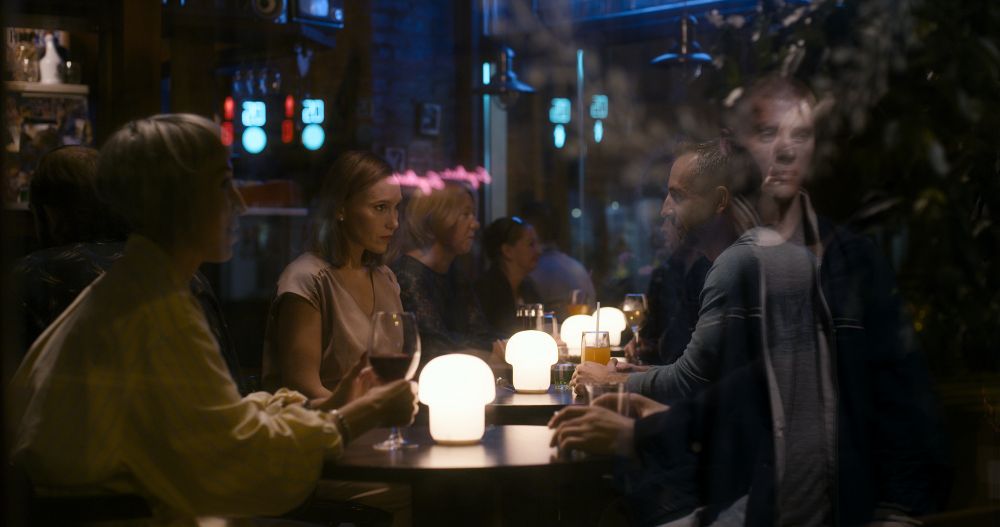
Another scourge of the film is the terrible sound work. This, again, is linked to the desire to make the film as natural and realistic as possible. But as a result, about fifty percent of the dialogues here go unheard by the audience. We don’t need that kind of mumblecore.
“On the Eve” is a solid film for a debutant, despite its flaws. It has many interesting ideas (Erokhina also serves as the screenwriter here), original directorial solutions (this adapted variation of “Rashomon” fits perfectly here), and the actors have literally dissolved into their characters (you wouldn’t say that actor Yakovlev is not a professional, even though that is exactly the case).
Trailer:
Comments
0No comments yet.
Sign in to join the discussion.