
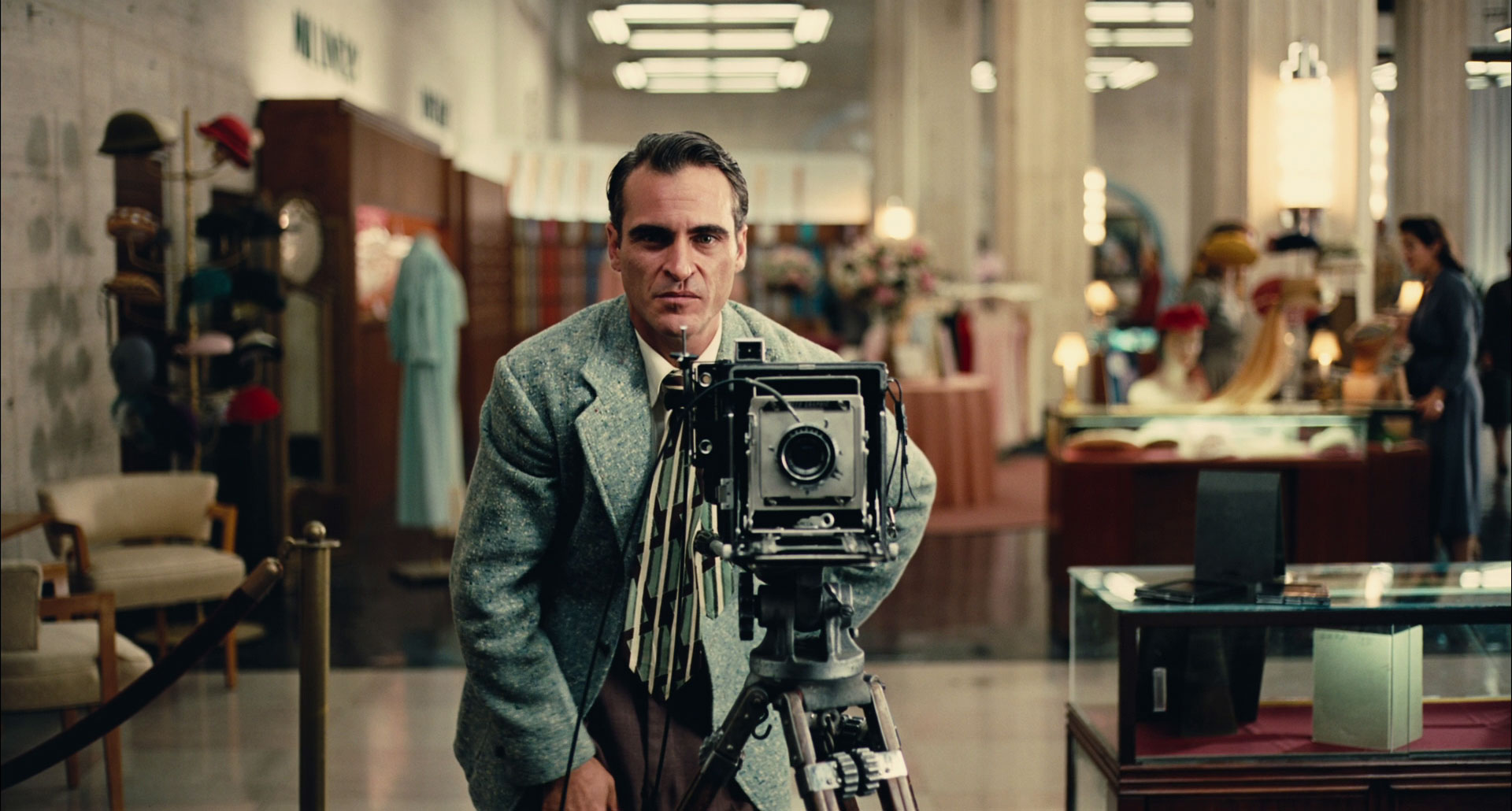
A hippie detective investigates the disappearance of his ex, an alcoholic with PTSD turns to faith, a neurotic finds love, and a prospector finds oil. All Paul Thomas Anderson films – from worst to best
Paul Thomas Anderson is one of the most talented directors of the 21st century. His Punch-Drunk Love, which turned 20, gave us Adam Sandler's best role; Licorice Pizza was one of the main films of last year, and The Master, his opus magnum, has been re-released. On this occasion, we recall all nine of the director's films and rank them from simply great to the best.
9. Hard Eight (1996)
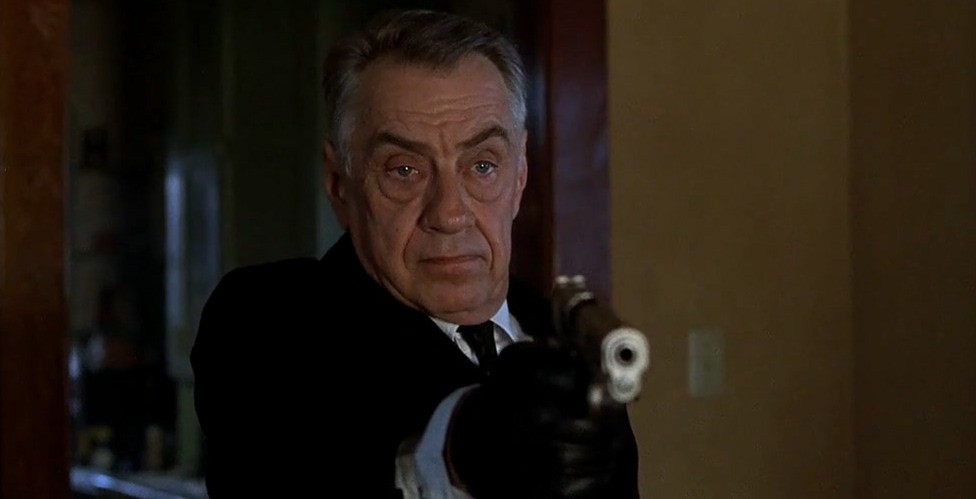
A beautiful and melancholic story, essentially a retelling of Martin Scorsese's The Color of Money, which itself retold the great The Hustler. There's no Paul Newman here, but there is the familiar disillusionment of an old player in a new world.
In the final third, interestingly, we suddenly find ourselves in a completely different film, with Tarantino's talisman Samuel L. Jackson in full force, Philip Baker Hall, whose good-naturedness hints at menace, and, of course, Paul Thomas Anderson, who by the end of his debut sharply reaches a new height, though not yet entirely his own – the signature style in Hard Eight is still forming.
8. Phantom Thread (2017)
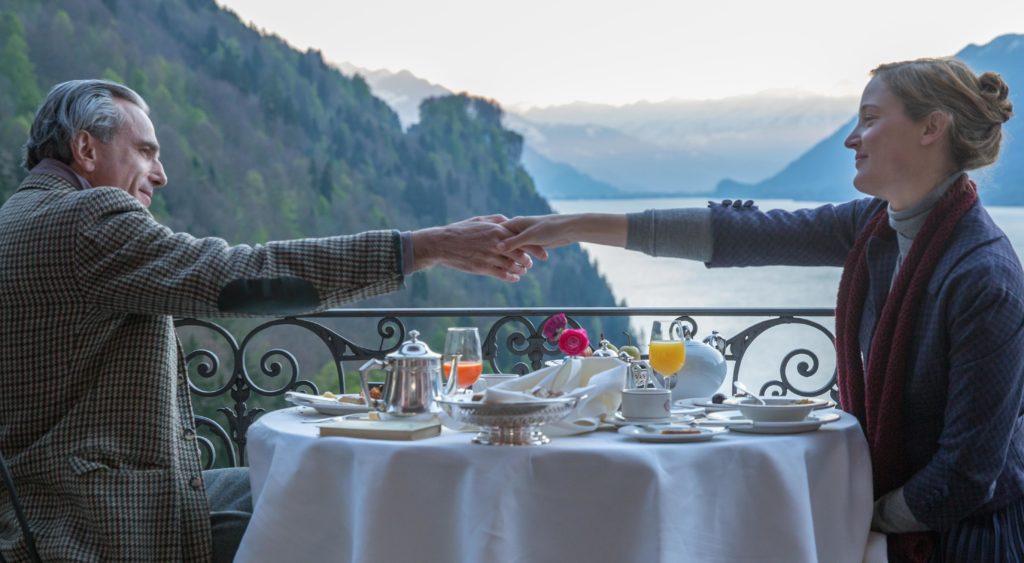
A poetic film in which the egocentric, domestic tyrant designer Reynolds Woodcock meets a waitress from a provincial hotel café, makes her his muse, and, in general, is deceived. What begins as a classic story in the vein of Pygmalion turns into a drama of codependency – a toxic man is complemented by a toxic woman, they poison each other's lives (sometimes literally) and find a certain happiness in it.
Phantom Thread is visually Anderson's most perfect film, but despite its excessive even poeticism, it is not about fashion or 'chic' (a word Woodcock hates), but rather about the ambivalence of a world where even the most beautiful things can be essentially ugly, and perversion has its own beauty. At the same time, the thread of the universe here is truly phantom: beauty eternally slips away, the moment evaporates, anger gives way to tenderness, the past is a ghost, the future a phantasm.
7. Punch-Drunk Love (2002)
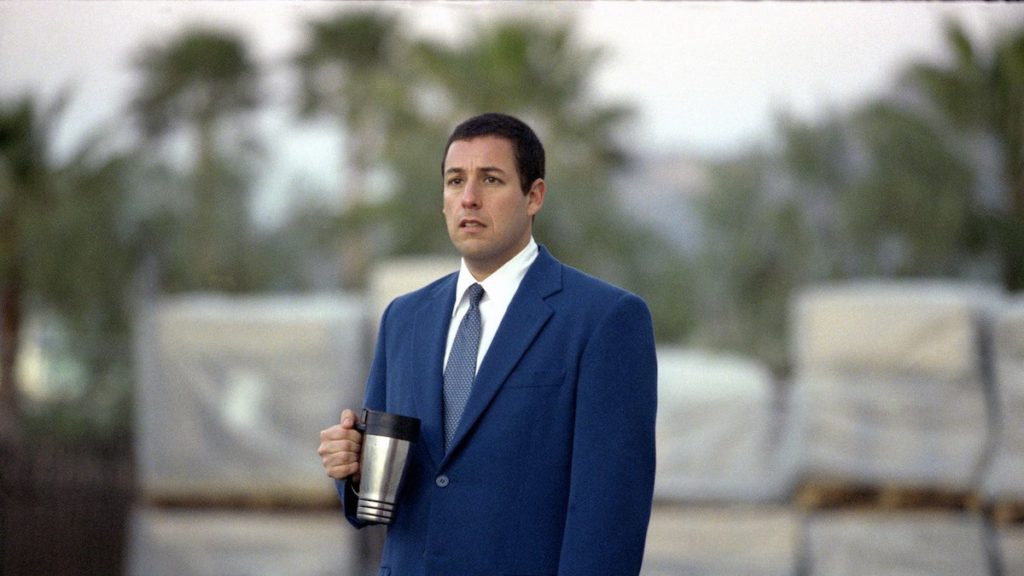
Many value this less than the director's other works – there is neither the usual scope of Anderson's films nor his characteristic philosophizing. Although reducing this sincere and emotional film about love to a simple rom-com is also a mistake. Love here is not a way to make money on popcorn, but a miracle that can happen, or, in general, not.
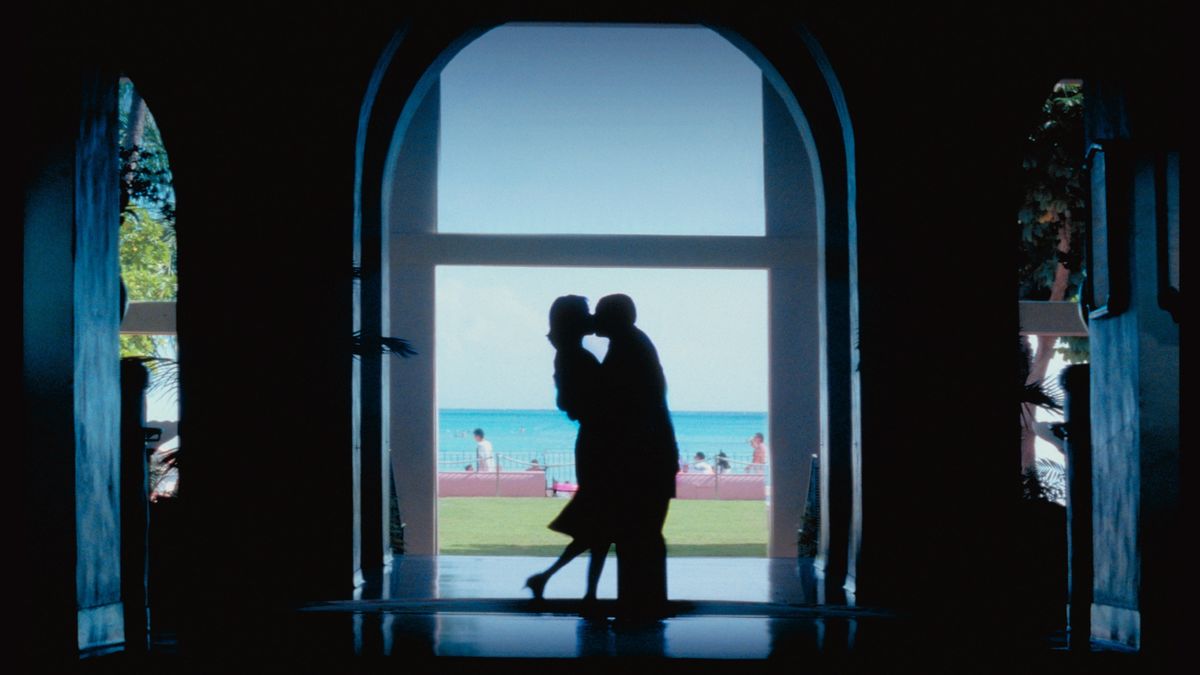
Twenty years have passed since the release of <em>Punch-Drunk Love</em>. This unusual romantic comedy from one of America's greatest contemporary directors is a small film that knocks you off your feet.
Open materialIn an hour and a half, Anderson manages to say more about the world, modern life, the city, and neurotic businessmen than some directors do in three. Punch-Drunk Love remains his most misunderstood film – it is by no means an exercise in a classic Hollywood genre, but an attempt to give it ontological depth, a romantic attempt that reveals the director as a true romantic, albeit one fixated on repentance, power, Freudianism, and the passage of time.
6. Licorice Pizza (2021)
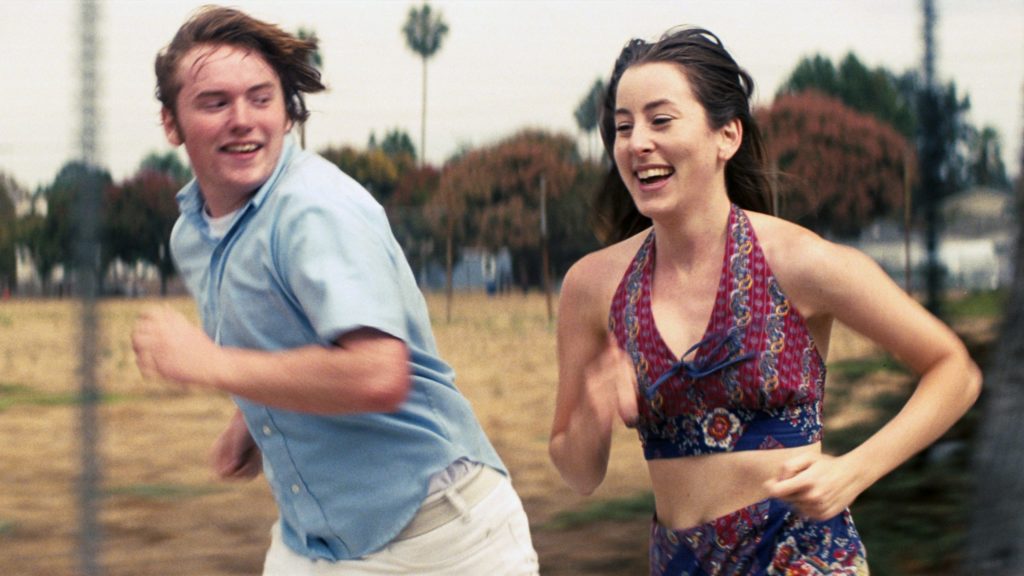
A strange love story that may seem frivolous, or perhaps unexpectedly serious. Like the seventies, the era in which the film is set, the picture divides viewers and stirs the imagination. Under David Bowie's Life on Mars?, the director takes viewers on a tour, as if tipping them into dreams of the past, only to discern behind the waves of phantom nostalgia the dramatic mistakes, the sadness of uncertainty, failed coming-of-age against the backdrop of discredited youth.
Stylistically, <em>Licorice Pizza</em> inherits from Scorsese, Linklater, Bogdanovich; it is a film for cinephiles, but not only for them. You might not have seen <em>Taxi Driver</em>, to which a significant part of <em>Pizza</em> is a drawn-out parody, you might not have seen early Lucas or be a fan of The Doors, but the story of a strange (some might say not quite right) love can probably touch anyone who knows how to open their eyes in time. And ears too: the soundtrack here is half the pleasure.
Another reincarnation of Batman, an impressive Russian debut, hits from the independent studio A24, and other bright projects in our list of the 10 best films of the first half of 2022.
Open material5. Boogie Nights (1997)
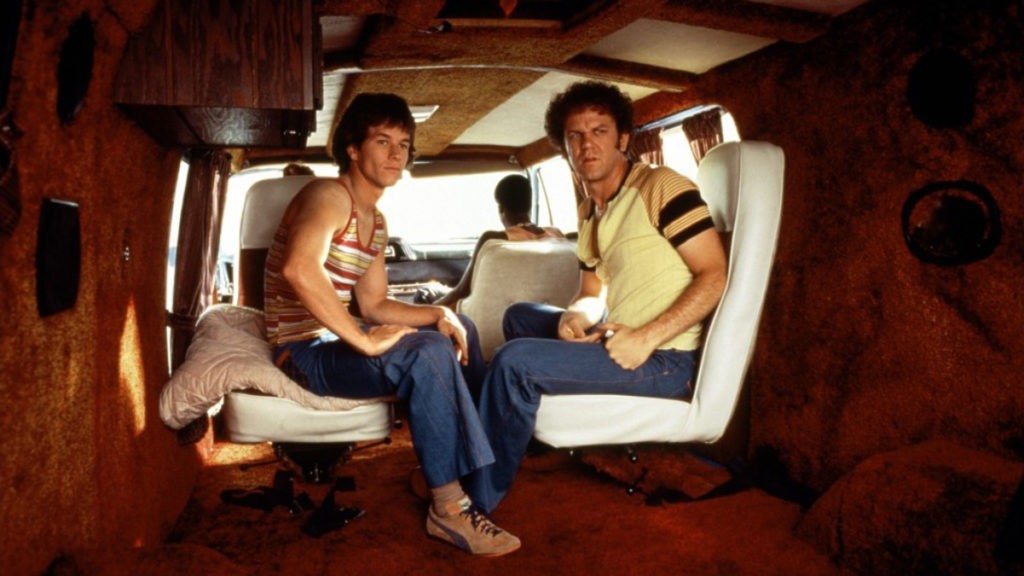
The main hit of the director's early period, a big film about little people and about one specific little man whose porn career elevated him to the Olympus, only to cast him down. The main character of the film, Dirk Diggler (Mark Wahlberg's best role), the owner of an unusually colorful pseudonym, got everything he could dream of but couldn't manage it, either due to absolute infantilism or because it couldn't be otherwise. Boogie Nights begins as a biopic of a porn actor and ends with the debunking of the American dream.
However, despite the seriousness of what is happening on screen, it is an ironic, engaging, and masterfully made film in which a person's fate rhymes with the fate of a country, and the porn industry with a family – perhaps dysfunctional, but there is no other. This is only Anderson's second film, but even at such a young age, he managed to make a film that is both devastating and comforting, a rare achievement.
4. Inherent Vice (2014)

In principle, this is the best film in the world, especially if you like noirs where the detective (Joaquin Phoenix) is perpetually stoned and remembers nothing, the femme fatale (Katherine Waterston, best role) is perpetually disappearing, only to disappear again, the investigation moves from dead end to dead end at the speed of a turtle, which, naturally, the police Achilles never catches, and the main crime is not that someone killed, kidnapped, or robbed someone, but that time passes, or rather slips away, and, characteristically, irrevocably.
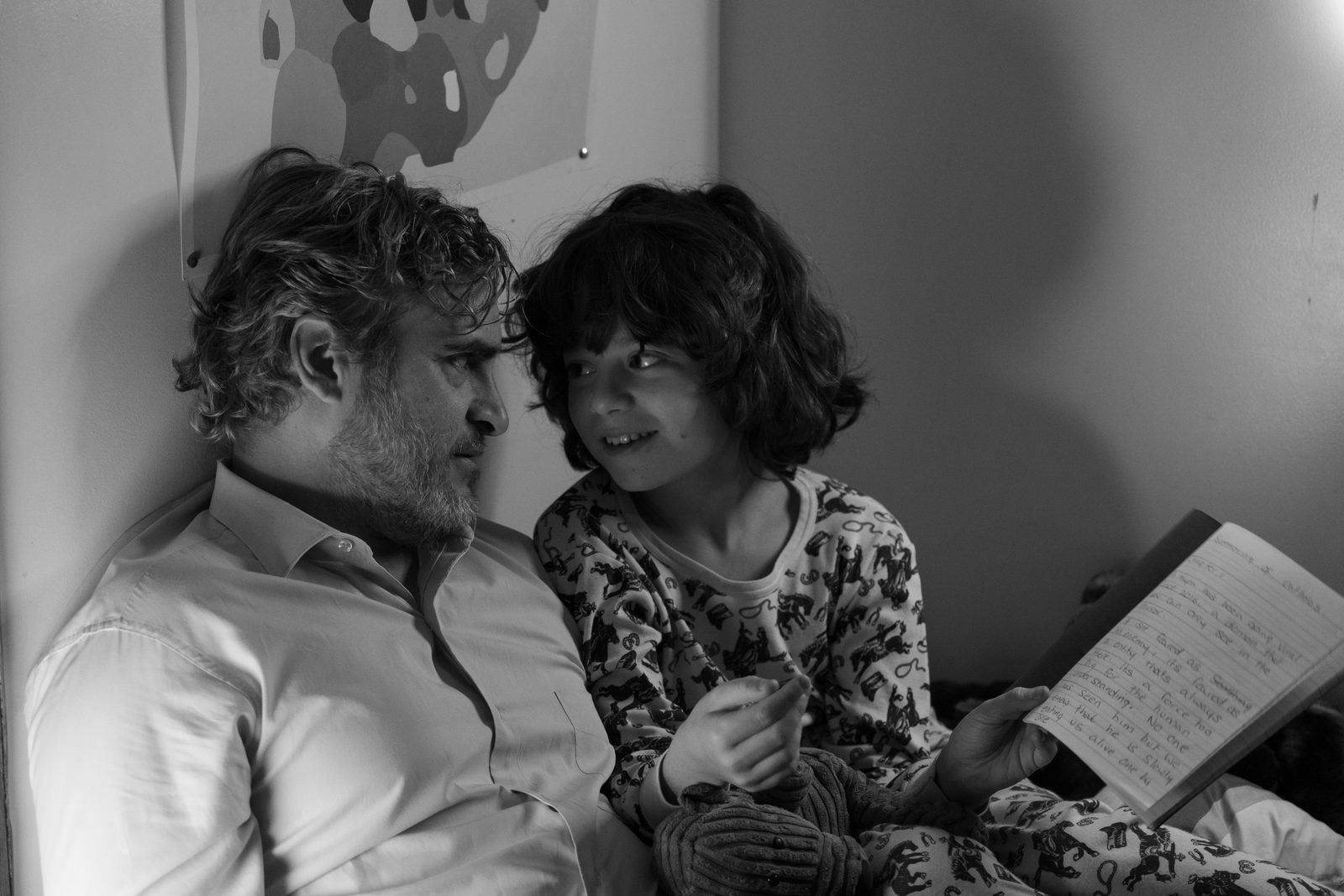
Life is an endless journey without a destination or clear goals. So Joaquin Phoenix in the new drama <em>C'mon C'mon</em> from studio A24 explores the world, but through the eyes of children, and with this...
Open materialOf all Anderson's filmography, it is Inherent Vice that most begs to be rewatched – in this neo-noir phantasmagoria on the theme of the American seventies, there are so many jokes worthy of The Big Lebowski, and at the same time so much melancholy and longing for freedom (and all this to the songs of Neil Young), that when the film ends, you simultaneously want to laugh, cry, and immediately rewatch it.
3. There Will Be Blood (2007)
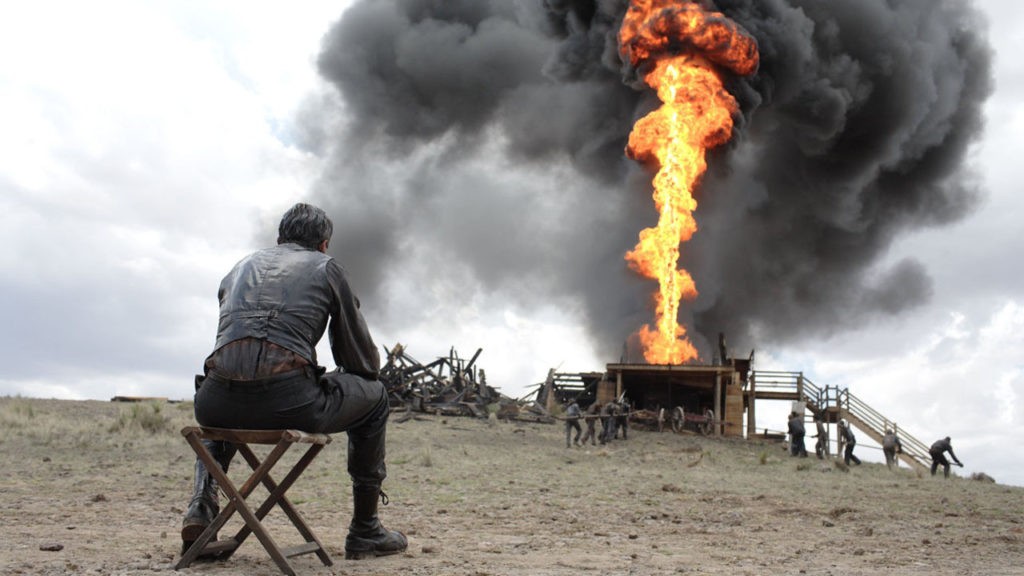
It will not be news to say that this is a great film. If Anderson is a student of Altman, then this is his McCabe & Mrs. Miller, with the difference that McCabe, a forgotten hero of the seventies, tried to build a business rationally, and the era broke him, while Daniel Plainview (Daniel Day-Lewis at his peak) gives himself over to capitalism entirely, the curves of supply and demand form a cross for him, oil replaces holy water. In the religious frenzy of capital accumulation, Plainview certainly finds God, but Anderson wouldn't be himself if he didn't ask: what kind?
There Will Be Blood is an epic, three-hour attempt to find an answer to this question, hopeless but majestic. You can see a textbook on doing business in it, or you can see something like a revelation, and in either capacity, it will be a stunning work.
2. Magnolia (1999)
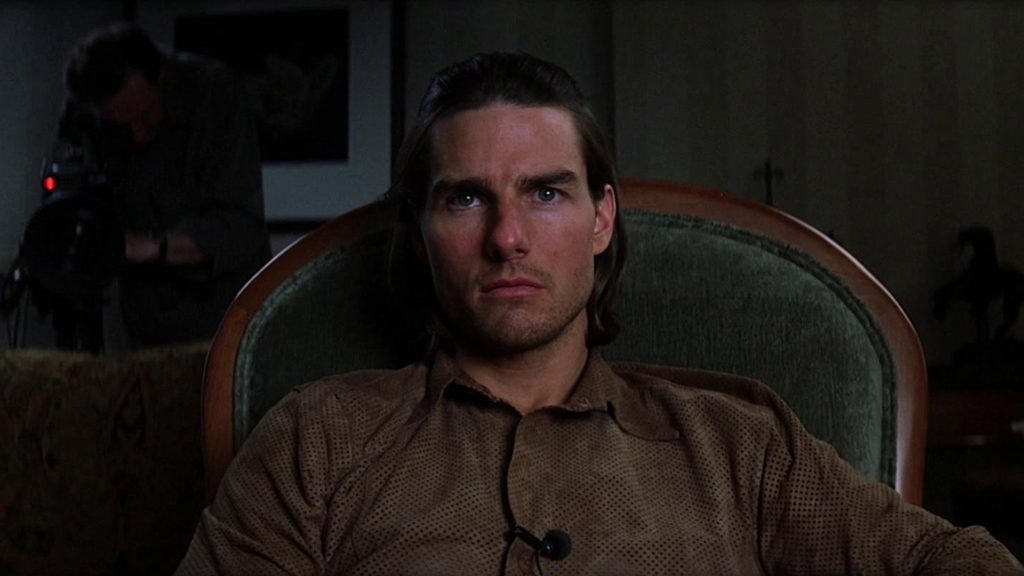
This drama, which won the main prize at the Berlin Film Festival in 2000, is now criticized by many – for its fragmented narrative, its attempt at too serious a statement, and the overall melodramatic nature of what happens. There is a significant grain of truth in this criticism, but of all Anderson's films, it is Magnolia that has the most direct impact on the viewer. It's hard not to cry along with Julianne Moore, not to fall in love at first sight with the cocaine addict along with the romantic cop; not to despair and, in a sense, be uplifted towards the end.
This is a touching, straightforward ode to love and hate, repentance and forgiveness, not so much a big film as a spiritual experience. But it is also a big film: a film whose climax is a rain of frogs simply cannot be anything less than completely outstanding.
1. The Master (2012)
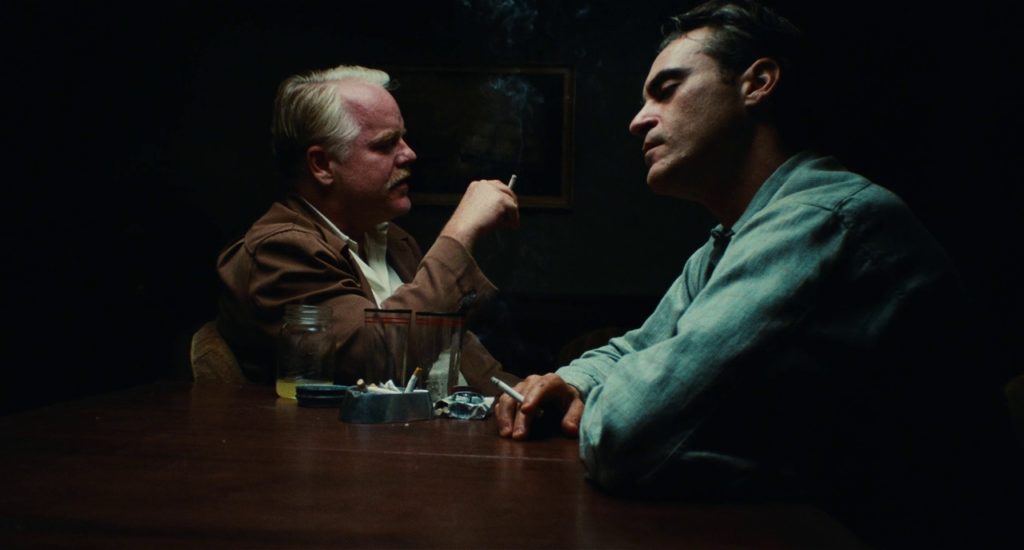
An astonishing, grandiose film; two and a half hours alone with the unsettling feeling that the abyss from the famous expression (which is scary to look into and which somehow looks back at you) is not somewhere outside, but inside. This frightening feeling, that Sartre never dreamed that hell is not other people, hell is yourself, reaches its apogee here.
Joaquin Phoenix plays a wormhole, Philip Seymour Hoffman plays God, at some point they switch places, but the meaning doesn't exactly change: the eternal friction of two abstractions, the interdependence of creator and creation, master and student, lord and servant; the world turns out to be built on a dichotomy that cannot be resolved, on a conflict that cannot be escaped. Once seen, The Master lodges itself in the brain for a long time, giving no rest, and this is probably a sign of a great film.
Not least, this is the merit of the actors: of course, all decent people already know that Hoffman and Phoenix are great, but in The Master, both reached unprecedented heights. Hoffman – alas, his last, but what a height: a parody of a Scientologist, a god, a madman, a charlatan, Captain Ahab; his plasticity within a single episode is shocking. Phoenix is not far behind: when the Master is arrested by the police, he plays a scene worthy of the Apostle Peter; when he drinks machine oil, he is the most wretched drunkard, and it is impossible not to believe him.
Comments
0No comments yet.
Sign in to join the discussion.