

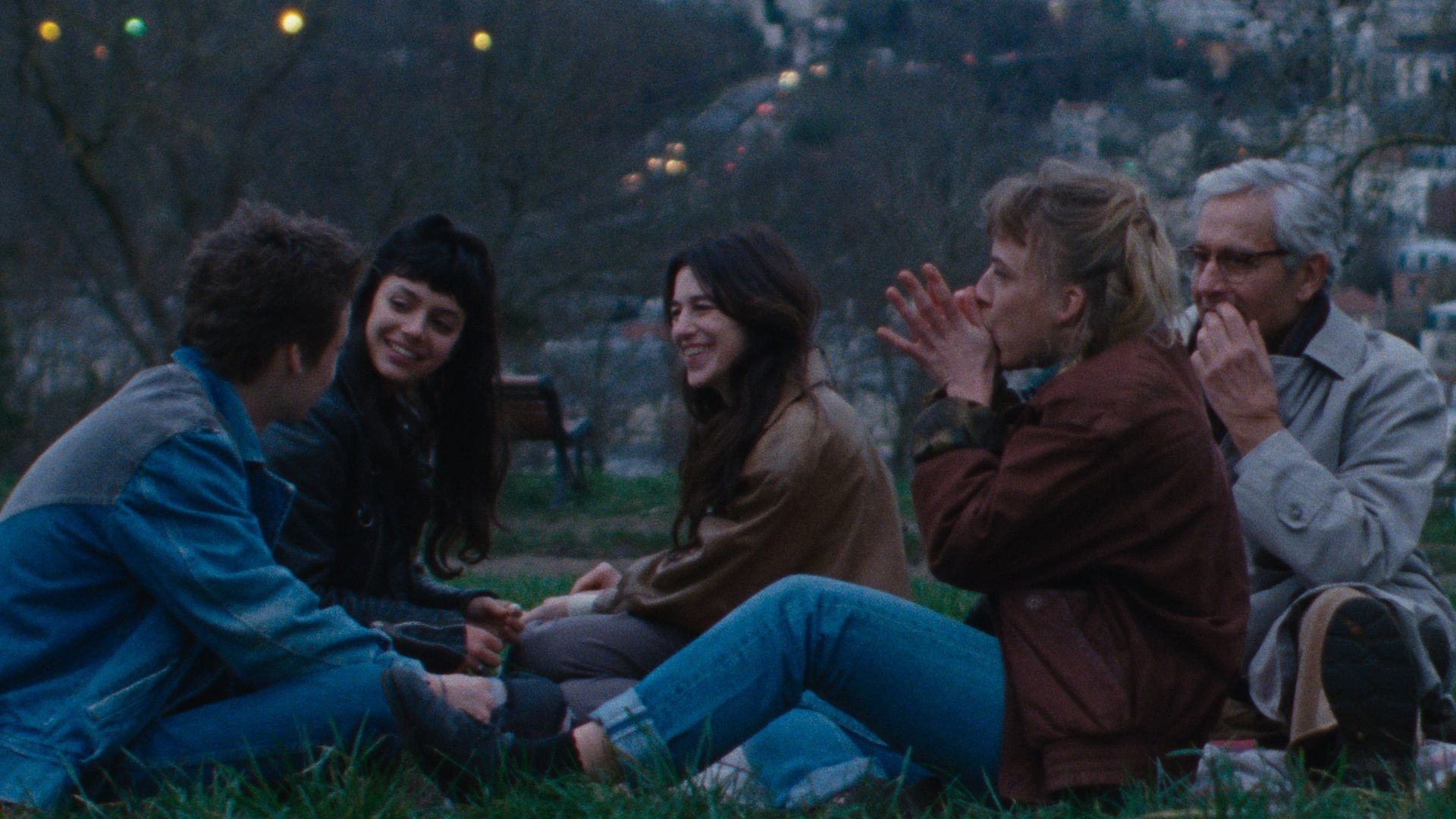
Emmanuelle Béart draws people into candid conversations, and Charlotte Gainsbourg learns to live anew in Mikhaël Hers’ film “Passengers of the Night.”
Paris in the 80s. The intoxicating spirit of change. Hopes for a bright future with a new government. Late-night radio conversations about the intimate. From the very first seconds, the film “Passengers of the Night” (Les passagers de la nuit) immerses the viewer in an atmosphere of freedom. Freedom from judgment, shyness, and the shackles of the past. Only then does it introduce us to Elisabeth, the heroine of Charlotte Gainsbourg, who is divorcing her husband, raising two teenage children, looking for a job, and finding her place in this world.
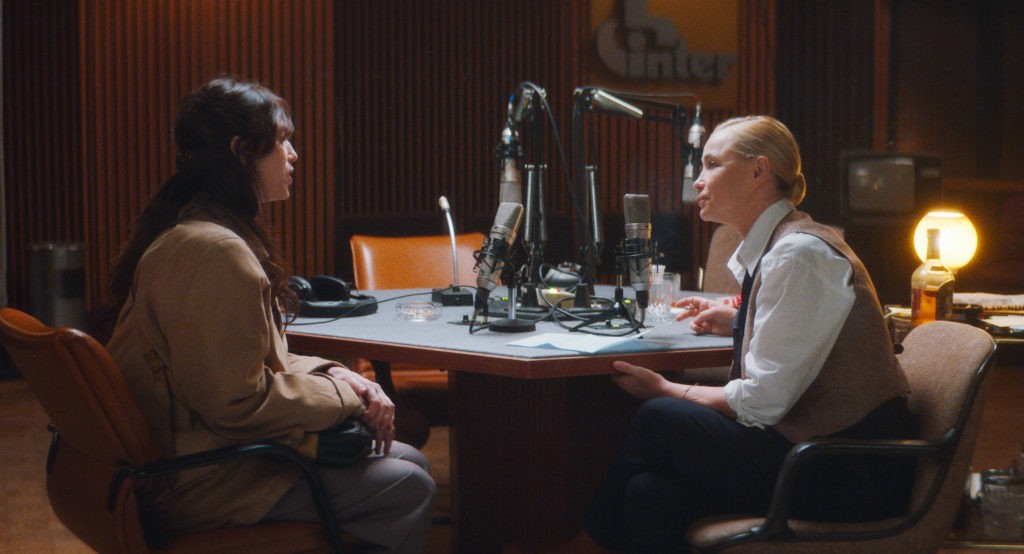
Elisabeth loves listening to the radio while gazing at the lights of the night city through huge panoramic windows. She is especially fond of the talk show “Passengers of the Night,” where guests speak live about what truly concerns them. By chance, she manages to become an assistant to the charismatic host (played by the enchanting Emmanuelle Béart) and becomes part of the project herself. But even this is not the turning point in her new life; it is her acquaintance with young Talulah (Noée Abita), a guest on one of the show’s episodes, whom Elisabeth takes under her wing.
Gentle sadness with French charm
The film by Mikhaël Hers does not have a strict narrative structure. It features two timelines showing two transitional periods in Elisabeth’s life (right after the divorce and several years later), a series of loosely connected episodes for character development, and side storylines (such as Talulah’s struggle with addiction).
Watching “Passengers of the Night” is more like flipping through a family photo album. This feeling is familiar to everyone—when, looking at a random photo from long-gone days, you instantly remember the story behind it. Nostalgia. Warmth. Gentle sadness. All of this is seasoned with subtle French charm and a largely romantic outlook on life.
This approach to the plot may make some viewers feel cheated, like, “These aren’t my memories, why should I care about the director’s personal experiences?!” And that would be fair. But if you set aside a critical mindset, you can see that “Passengers of the Night” addresses universal themes: relationships between parents and children, life after a breakup with a loved one, and finding oneself.
More than once or twice during the viewing, you might catch yourself thinking, “I had the same thing!” Because of this, the film has an almost therapeutic effect. It provides food for thought, memories, and a reassessment of one’s own life and individual actions, reminding us once again how beautiful life can be if you just pay attention to the little things around you.
Beauty is eternity lasting a moment
One thing that cannot be denied about “Passengers of the Night” is its beauty. It is literally in everything.
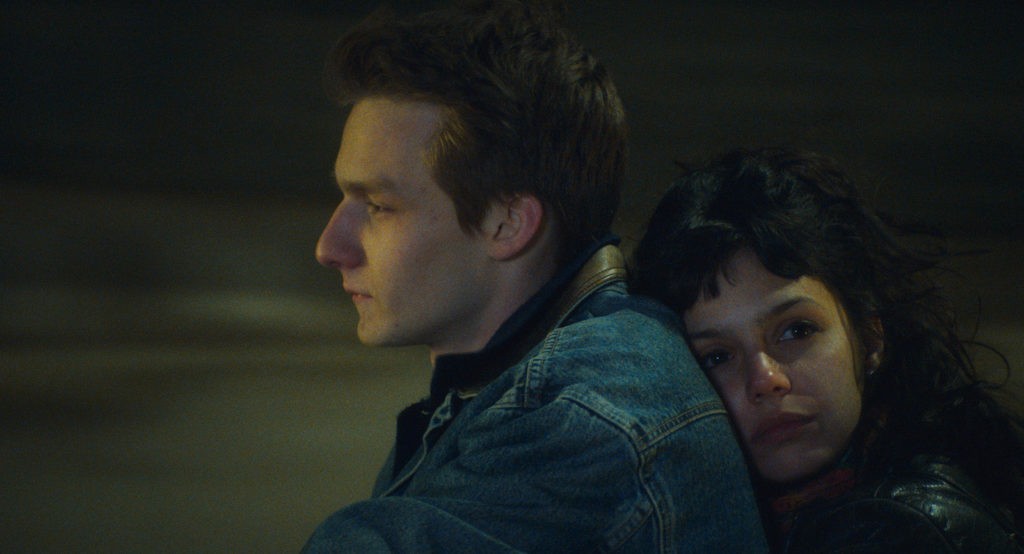
Beautiful actresses whose charisma envelops you: you could drown in the eyes of young Noée Abita, while Charlotte Gainsbourg and Emmanuelle Béart, to use a journalistic cliché, live life on screen, embodying the French acting school.
Enchanting music that carries you far, far away. It is both sad and inspiring. And in the scene where the characters dance to a song by Joe Dassin, the world seems to pause, because nothing more beautiful could exist in that moment.
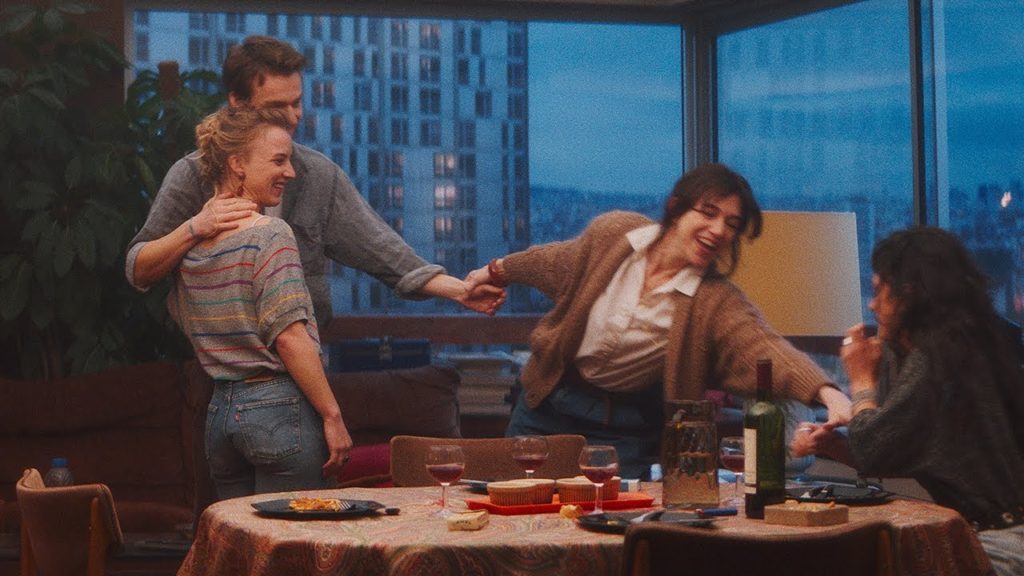
The beauty in “Passengers of the Night” is not only audiovisual, although another whole paragraph could be dedicated to the understated yet very intimate and captivating cinematography. Beauty here also lies in the fact that the characters on screen truly behave like close people. Despite difficulties and disagreements, they support each other, encourage one another, and simply stay by each other’s side. And this warmth can be felt by every viewer. And that is priceless in our time.
Trailer:
Comments
0No comments yet.
Sign in to join the discussion.