
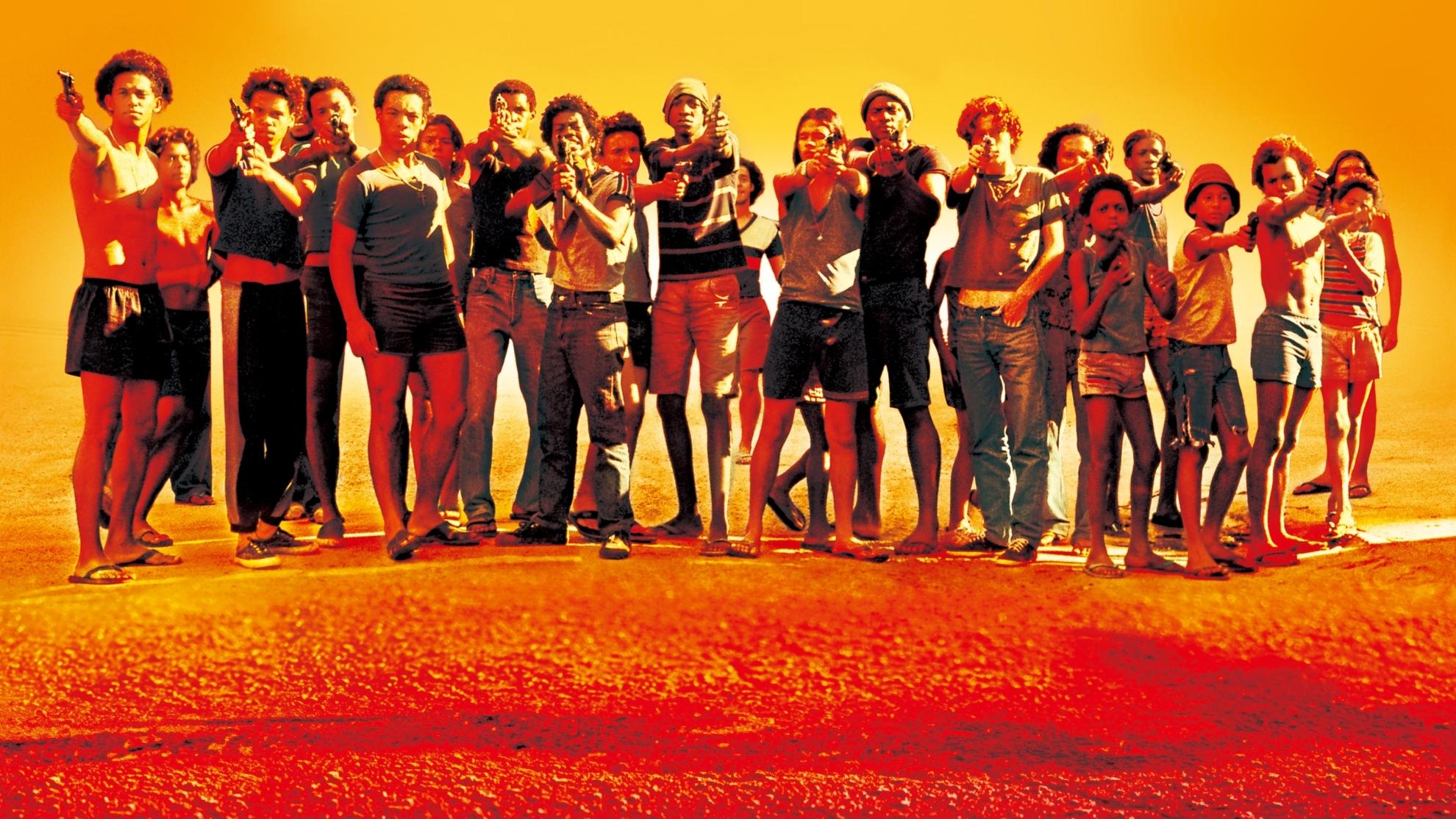
On August 30, 2002, the film 'City of God' by directors Fernando Meirelles and Kátia Lund premiered in wide release, starting in Brazil (we're not counting the Cannes premiere in May for a select audience). The film became a cult classic and received...
Don't pick me
'City of God' is a crime drama that tells the story of life in one of the most dangerous neighborhoods in Rio de Janeiro from the 1960s to the 1980s. The film's main characters are ordinary kids whose families were forced to move to the outskirts of the city into newly formed areas during urbanization, which later turned into criminal favelas.
The Cidade de Deus neighborhood (or City of God, or CDD) was originally conceived as a solution to the slums in central Rio, but, like Darth Vader, it became one of the most criminalized and dangerous favelas in the city. This was due to heavy rains in 1966, which led to the emergency relocation of homeless people into already-built houses. The problem was that infrastructure was not yet in place, and people lacked many essentials for a comfortable life. Gradually, due to the slow work of authorities in establishing decent conditions, a lack of jobs and means of subsistence, robberies and thefts began in the area. In the end, CDD became mired in crime, which continues to reign in the 'city' to this day.
The film 'City of God' was based on the novel of the same name by writer Paulo Lins. Lins lived in this neighborhood from the age of seven and knew the rules of survival there firsthand. The novel was developed over ten years and published in 1997. Critics hailed the work as one of the greatest in modern Brazilian literature. The book, and subsequently the film, addresses themes of racial and social inequality in Brazil, where a person comes into conflict with society and resists it, gradually crossing the line drawn by the law.
If you think about it, it all started with small thefts. Residents stole the fuel they needed and pocketed the money, which was catastrophically scarce. No murders, no drug trafficking. But it always starts small, so gradually the neighborhood sinks into crime, and the film's story ends with a bloody and senseless massacre with many victims. In the finale, Cidade de Deus is not just a slum lacking funding, jobs, and improved infrastructure. The favela is a true drug kingdom ruled by criminal gangs.
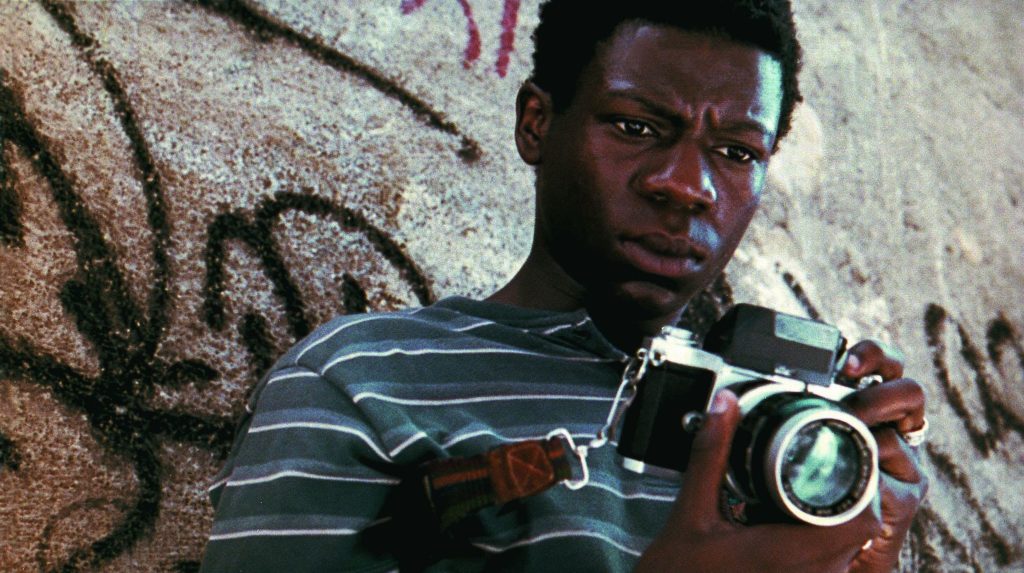
In the City of God, there are its own laws, and the police don't go there. It's much easier for cops to take their cut from drug and weapon sales than to try to restore order there. Of course, when things get really bad, the authorities have to step in and scare off the bandits and ordinary residents, but no one makes a targeted effort to investigate or eradicate crime. As Rocket says: 'If you run, they catch you. If you stand still, they catch you too. It's always been like that.' The police don't care who is actually to blame. The slum is rotten: everywhere you look, there's a criminal, so grab anyone. Therefore, every resident knows that either you leave CDD and try to make something of yourself, or you stay and accept the rules of a cruel game—there's no other choice.
It's funny that the name of the neighborhood doesn't match reality at all. If God is anywhere, He's certainly not here. He closed His eyes and plugged His ears, trying not to know what's happening; otherwise, I don't know how to explain such a life. The film takes place in Rio, but the main city landmark—the Christ the Redeemer statue—never appears on screen. Isn't that proof that the area is more like a 'city forgotten by God'?
During pre-production, director Fernando Meirelles wanted to cast only non-professional and little-known actors in the film. Meirelles achieved his goal. The film features many people found in the slums of Rio de Janeiro. Some of them (Alexandre Rodrigues and Leandro Firmino) are from Cidade de Deus itself. Firmino got the role of the film's most colorful character purely by chance. He came to the auditions just to keep his friends company, but ended up playing Li'l Zé, the leader of the criminal gang that controlled almost the entire favela.
Another temporary resident of the area was actor Matheus Nachtergaele, who played the role of another gang leader nicknamed Carrot, whose people oppose Li'l Zé. The fact is that during the screenplay development, Nachtergaele had already starred in the project 'Machine of Pity' (2000) and became very popular in Brazil. The director wanted to replace the actor, but Matheus convinced Meirelles that he would immerse himself in the role, and moved to the City of God for three months to prepare.
Although filming did not take place in the neighborhood itself, but in neighboring, less dangerous ones, Fernando Meirelles once said that if he had known in advance how frightening and life-threatening it would be to film in the favelas of Rio, he would have given up the idea of making the film. It seems possible to shoot a movie in CDD if you want, but it would most likely be a short film that would probably never be released. If it doesn't end up being your last film. This isn't like negotiating with the cultural mafia over an adaptation of 'The Godfather'.
But you can still see the City of God in the film. When a satellite view of the territory controlled by Li'l Zé appears on screen—that is the real Cidade de Deus (and what did you expect? Want to see the real one? Wait for the world situation to stabilize, buy tickets to Rio, and go risk your life for big money out of your own pocket. The film is already overly authentic).
The film is full of colorful characters. Almost all of them were real people. Li'l Zé, Knockout Ned, Carrot—definitely. The role of Ned was played by famous Brazilian singer Seu Jorge (his song even appears on the soundtrack), and the mother of the real Ned appears in a cameo in the scene where Jorge's character first shoots at Zé's men and kills one of them. She is the first to speak to the character and encourage him. And Rocket is a composite image of two people: writer Paulo Lins and his childhood friend who dreamed of growing up and becoming a photographer.
The cards don't get shuffled when God deals
The development of the film began five years before its release. It started when Fernando Meirelles was given Paulo Lins' book 'City of God' in the second half of 1997. The first draft of the screenplay was ready by early 1998, but after that it was repeatedly refined and rewritten. Still, on set, there were moments when improvisation came into play or scenes appeared that were not originally planned. For example, in the scene where the father beats Shaggy, Rocket's older brother, Luiz Otávio (who played the child version of the main character) starts laughing, which wasn't in the script, so Shaggy's line: 'Don't you dare laugh. Why were you grinning when Dad was whipping me?' was an improvisation by actor Renato de Souza.
The dialogue between Rocket and his 'colleague' Marina (Graziela Moretto) about the guy never having taken a hot shower in his life was also not included in the script. The conversation wasn't even supposed to be documented, as the actor was telling about his life in the slum during a break in filming.
Also, the film was not supposed to have a scene with a prayer before the start of the war (read 'massacre'). During filming, a boy who grew up in the slums told the directors that prayer is an integral part of gang life in the favelas. People constantly pray before going to a 'showdown'. Meirelles suggested that this boy perform the ritual, which was included in the final cut. And whether God helped those who prayed, the viewer sees at the end of the film, in the shootout scene, the result of which the creators reproduced from a real photograph taken during that very war.
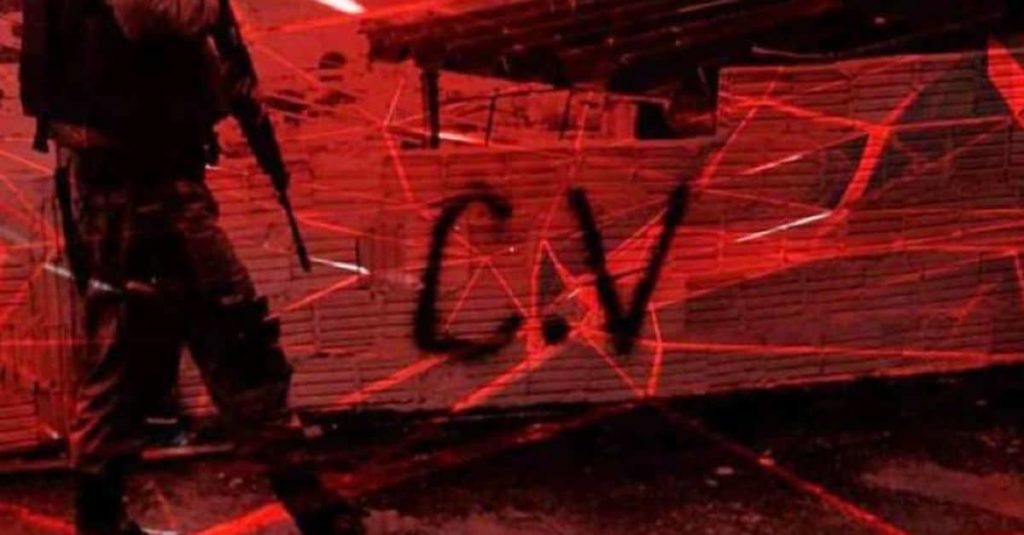
'City of God' ends with a scene of a group of kids talking about how power over the slum will now pass to them. The film did not include the moment where a boy loses his flip-flop but goes back for it. The director decided to keep the segment so that the audience would notice the presence of a very young child in the criminal gang. By the way, these kids eventually grew up and turned into the gang called the Red Command (Comando Vermelho). The gang is still functioning and controls some streets in Rio, though not as powerful as before. And the guys did create the 'blacklist' they talked about in the final scene (and this list still exists, and hardly anyone wants to be on it).
Over the five-year journey to the big screen, the creators overcame many difficulties. As mentioned, the main cast was recruited on the streets of Rio, as Meirelles needed authenticity on screen. They needed not to act but to live on screen and show life in the slums to the viewer. In forty days, 2000 interviews were filmed, after which two hundred young people were selected to begin attending acting workshops. All the kids were divided into eight groups based on their age, and preparation for filming began. The producers also hired director Kátia Lund, who already had experience filming in favelas, to help Fernando in difficult moments.
A huge contribution to the work with actors was made by Fátima Toledo. For example, Leandro Firmino said in interviews that Toledo greatly helped him find the rage within himself to play the role of Li'l Zé. The actor tried to think like his character, imagining he wanted to have everything in life, intoxicated by power and inhumanity. Firmino says that stories about Li'l Zé, like a legendary greedy and unbalanced gangster, are still told in CDD. The guy also talked about how he is similar to Zé and how he differs. He shares the character's disdainfulness, but unlike the gangster, Leandro thinks many times before committing an act. The actor even sympathizes with Li'l Zé and understands him, saying he is 'a normal person, just by an irony of fate he turned in the wrong direction'.
Leandro Firmino said that 'City of God' greatly influenced his life, and he was glad to participate in such a project that exposes the problems of Brazilian slums. Despite the actors spending a lot of time in workshops with Fátima Toledo, they managed to study, and the producers helped them however they could: with food, bus passes, shelter, information, and also provided financial and spiritual support. Ultimately, Dona Fátima turned the shy boy Firmino into a confident antagonist who revealed himself on screen.
Another achievement of Fátima Toledo can be considered the hateful look of Li'l Dice (Douglas Silva) towards Shaggy in the scene where the latter slaps the former. The fact is that, as a true professional, Toledo advised Renato de Souza to bully the boy for 15 (!!!) consecutive days. Just imagine: non-stop two-week bullying for no reason. Of course, anyone would play a look of hatred then. As a result, after this scene, Silva couldn't take it and started crying, threatening to leave the film. Fortunately, everything ended well.
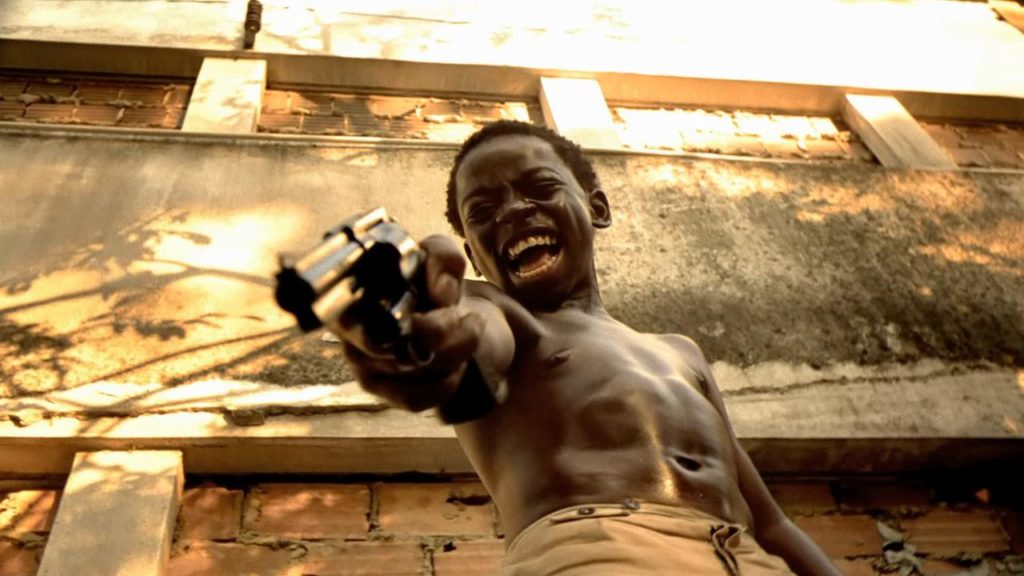
In general, they loved making kids cry on set. A little boy, whose friend in the film gets shot in the leg by Li'l Zé, was also made to cry using a trick. He was told that his favorite teddy bear was lost (now that's even worse than two weeks of bullying), after which the camera captures a close-up of the boy's tear-stained and devastated face, and in the next scene, his friend is killed. Yeah, you wanted to know how people live in the favelas? There you go. By the way, realism is also enhanced by shooting on 16mm film. The image is not as clear and polished as in many feature films. And the exclusively handheld camera of cinematographer César Charlone simply erases all boundaries between the viewers and the characters, as if forcing the audience to become random witnesses to what is happening, which adds maximum documentary quality to the film.
The combination of all the above turned 'City of God' into one of the most important films in Brazilian cinema. It remains just as relevant and socially acute today as it was twenty years ago. Today, the project is already a classic, a must-watch at least once in a lifetime. Even though all four Oscar nominations were unsuccessful, the film received a much greater reward—it made the world a little better. It's amazing how cinema made the authorities at least slightly stir and start taking small steps towards improving the quality of life in Brazilian slums. But, unfortunately, even after two decades, the problem is not solved. The favelas are still dangerous, and eight-year-old boys sell cocaine on their streets. It's scary to imagine such a life.
The 'City of God' cinematic universe
In addition to the film by Fernando Meirelles and Kátia Lund, several other projects about Brazilian favelas are sort of related to the main film (all movie aggregators link them on their websites), but sort of not, since they are not connected plotwise. These projects include the prequel short film 'Laranjinha and Acerola'/'Palace II' (Palace II), the series 'City of Men' (Cidade dos Homens), and a film with the loud title 'City of God 2' (but essentially the same 'City of Men', because the original title is the same as the series—Cidade dos Homens).
All these films tell the stories of two friends, Laranjinha/Laranjinha (Darlan Cunha) and Acerola (Douglas Silva), living in Brazilian slums and facing adventures almost every day (if you can call life in a favela among poverty and crime that). Almost every actor who starred in 'City of God' appears in one or more of the projects about the friendship of the two boys. And there is a pretty good reason for that.
The thing is, when Fernando Meirelles and Kátia Lund were preparing for the early stages of filming 'City of God', they received an offer from Guel Arraes to direct an episode of the series 'Brave People' (Brava Gente) for Globo. Looking ahead, I'll say that Globo together with O2 Films released all these projects, including the feature film by Lund and Meirelles. Maybe that's why they are linked on all aggregators and considered one franchise? Something like a thematic universe united by a common team of creators, since the names and studios match in the credits everywhere. So it turns out to be a 'franchise of criminal life in Brazilian favelas'.
At first, the directors refused to create an episode, but after some thought, they changed their decision on the condition that they would adapt a fragment from Paulo Lins' book and that actors preparing for the feature film adaptation would participate. Thus, on December 28, 2000, the episode 'Palace II' was shown, which became a kind of rehearsal for the non-professional actors from the favelas and an invaluable experience for Meirelles and Lund. It was shot directly in Cidade de Deus itself, and during the work, it became obvious that filming the feature film there was not worth it, as the neighborhood was in a state of conflict between three drug dealers fighting for control of territories.
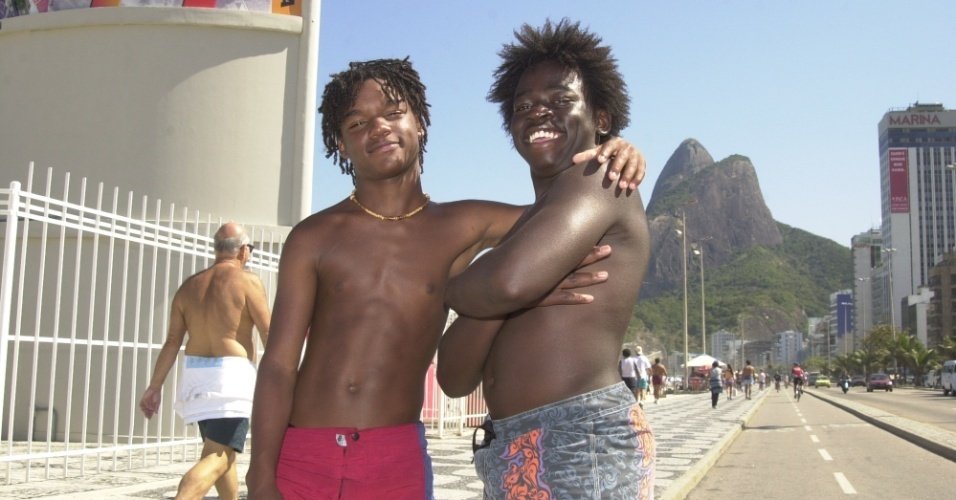
Some time later, the episode began to be perceived as a short film, which visited the Berlin Film Festival in 2002. From there, the series brought back a prize from the New York Film Academy, winning in the 'Panorama' program. On 'Kinopoisk', the short film has the title 'Laranjinha and Acerola' and no user rating. This is because the story of two friends living in the City of God trying to find money for a concert, first stealing a girl's gate, then getting into trouble, and eventually having to carry out errands for drug dealers, has no Russian translation and is generally unknown to a wide audience. Of course, you can find the short on the internet, but you'll hardly understand much without knowing Portuguese (I only understood the skeleton of the story).
In 2002, riding the success of 'City of God', the idea to make a TV series that served as a continuation of the short film emerged. The first episode aired on TV on October 15 of that year. Since then, Laranjinha (more correct to pronounce, and sounds nicer) and Acerola have survived a bunch of stories, and their friendship has undergone many trials.
Over 4 seasons, they managed to work as mailmen and ice cream sellers, draw a map of the slum naming streets after gangsters, spend the summer in the company of two Japanese guys and a boy from the city, star in a movie, lose their virginity, and even travel to the capital to meet the president, but most importantly—they grew up. The opening remains unchanged in each season, but the guys look older each time. And if in the first season they were looking for money for a school trip, in the fourth, it was already for supporting their families.
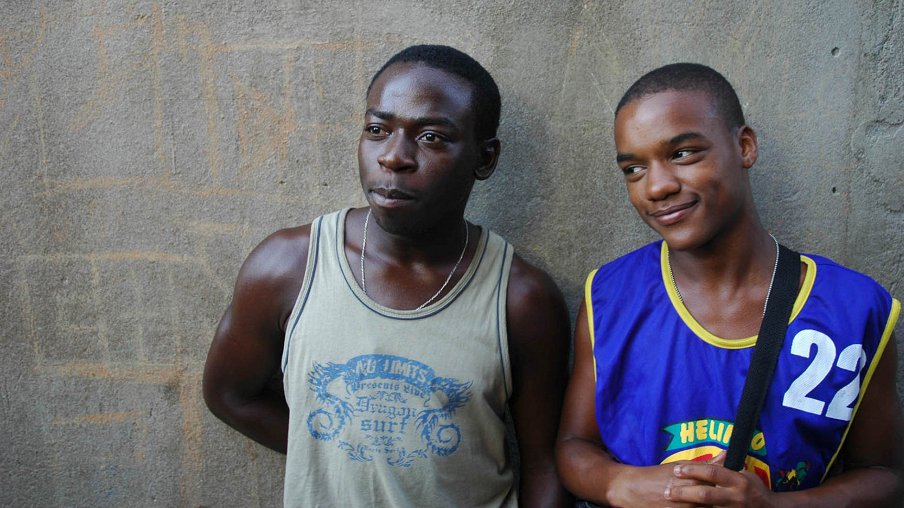
Among the directors and screenwriters of the series, the names of the creators of the first short film and 'City of God'—Fernando Meirelles and Kátia Lund—appear. Also on the list is writer Paulo Lins. In the third season, Paulo Morelli takes over as director of almost every episode. The series finds the funny and amusing in the difficult lives of children born and raised in the slums. It raises serious topics like teenage pregnancy, abortion, and life in poverty. Some episodes are even backed by bleak statistics. Apparently, the creators wanted to achieve the effect of the feature film again, which gave impetus to government action.
Again, there are 19 episodes across 4 seasons, but only 12 of them are available in Russian translation. The remaining 7 are on the internet in Portuguese. Some can be found with English subtitles, but that doesn't make the viewing task much easier for most. Many (if there are even people interested in watching) simply won't watch in Portuguese, where everything is understood only in the most general terms. And the series itself is very funny. A lot is built on the dialogues of the guys, so I think 'City of Men' just needs a full translation. At least Russian subtitles.
After the end of the fourth season, the viewer says goodbye to Laranjinha and Acerola for 2 years. In 2007, a film was released with a Russian localization titled 'City of God 2', but essentially having nothing plot-wise in common with the original, and in the original called, like the series, 'City of Men'. Our familiar guys are 18 years old, they uncover secrets of their family tree, as both were orphans, and their friendship faces its most serious test yet. Here, in the Russian translation, Acerola became Tuz, and Laranjinha is called Uoles (this is the real name of Darlan Cunha's character, but in the series, almost no one addressed him that way). The film's director and one of the screenwriters was Paulo Morelli, and Fernando Meirelles only sat in the producer's chair.
It seemed like the film set some kind of end point in the story of the two friends, with adult life outside the slum, raising children, and work not related to crime ahead of them. But 10 years later, a continuation came in the form of the 5th and 6th seasons of the series 'City of Men'. 8 additional episodes, released in January 2017 and 2018, tell about the lives of Acerola and Laranjinha, 12 years after the 4th season.
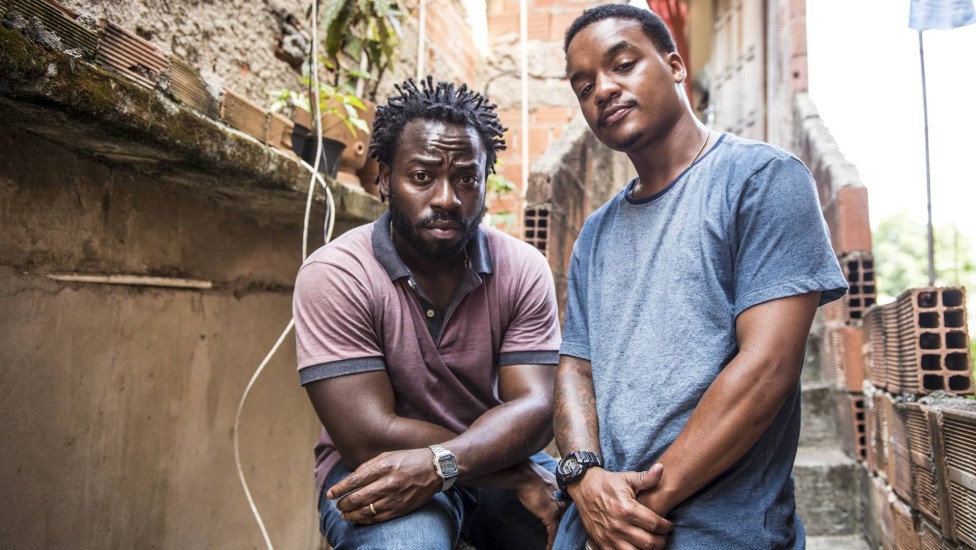
The guys have turned into men, and both are now fathers, and in the 6th season, the character João Victor (Thiago Martins) even returned to his role, with whom the friends once spent a summer, and now he is their children's school teacher. But, unfortunately, any plot details are hard to come by, as the seasons are simply unavailable for viewing in Russia. Several years of my searching have yielded no results except the official streaming site of Globo.
My attempts to buy a subscription to watch the two new seasons in the original were unsuccessful, as our cards are not accepted for payment. Therefore, I would like to address streaming services, dubbing studios, translation studios, and any film enthusiasts (if anyone like that is reading us). Maybe there is some opportunity to purchase the rights, translate, and dub the project here? I understand it sounds very presumptuous and arrogant, but hope is a strong feeling. Personally, I am incredibly curious to know how the story ended. I became a fan of the guys, going through their entire difficult life journey with them, and I sincerely want as many people as possible to know about them, so if there is a possibility, please keep the flame of my hope alive.
Other materials from us dedicated to the twentieth anniversary of films that you can also read:
- "Harry Potter and the Philosopher's Stone"
- "Lilo & Stitch"
- "Resident Evil"
- "Minority Report"
- "Chicago"
- "Gangs of New York"
Comments
0No comments yet.