
On August 25, thanks to the efforts of the company Pro:vzglyad, Oliver Stone's film The Doors hits the screens, telling the story of the band's formation and specifically the life of its frontman Jim Morrison. Let's talk about why you can safely go see this biopic, even if you don't like biopics.
Plot
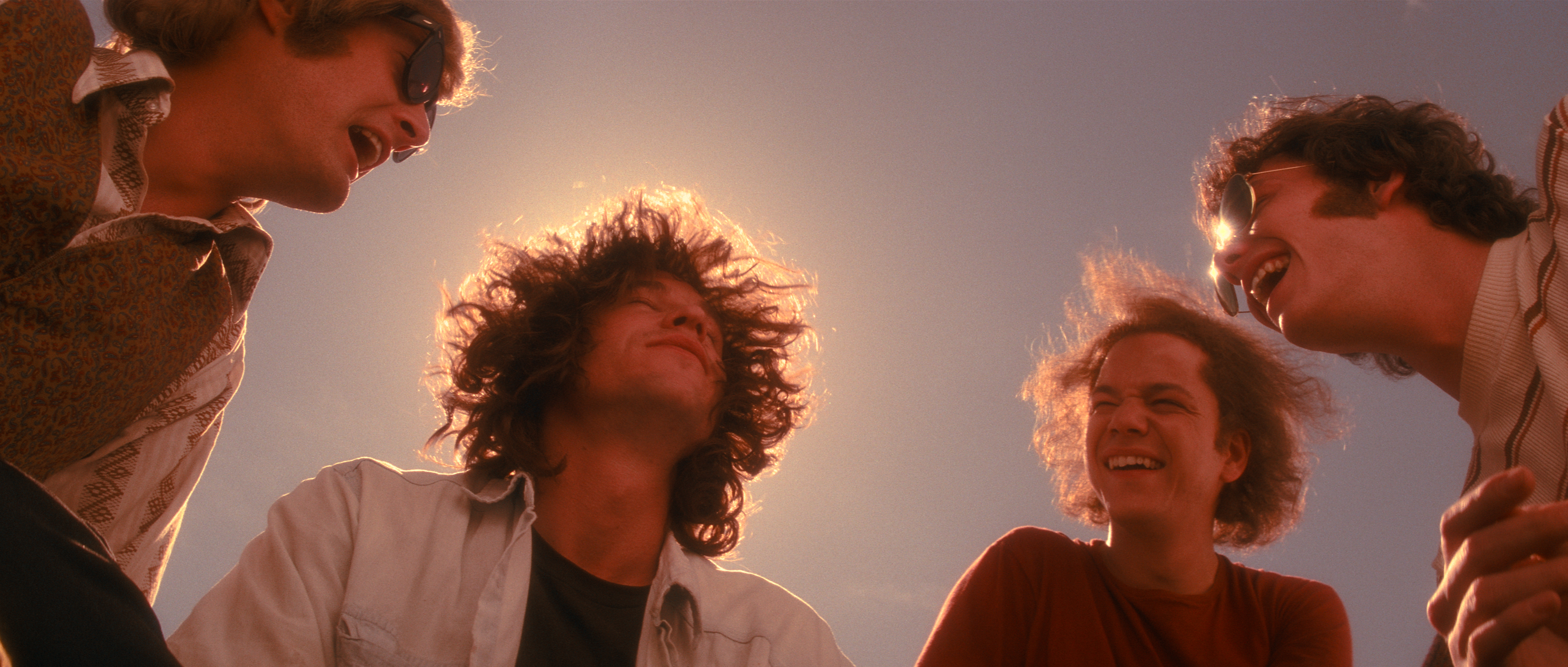
Young Jim Morrison (Val Kilmer) tries to express himself and his thoughts in every possible way – he makes films, writes poetry, and composes songs. His soul demands an outlet and finds it on stage, alongside Ray (Kyle MacLachlan), Robby (Frank Whaley), and John (Kevin Dillon), who will collectively become known to the world as The Doors.
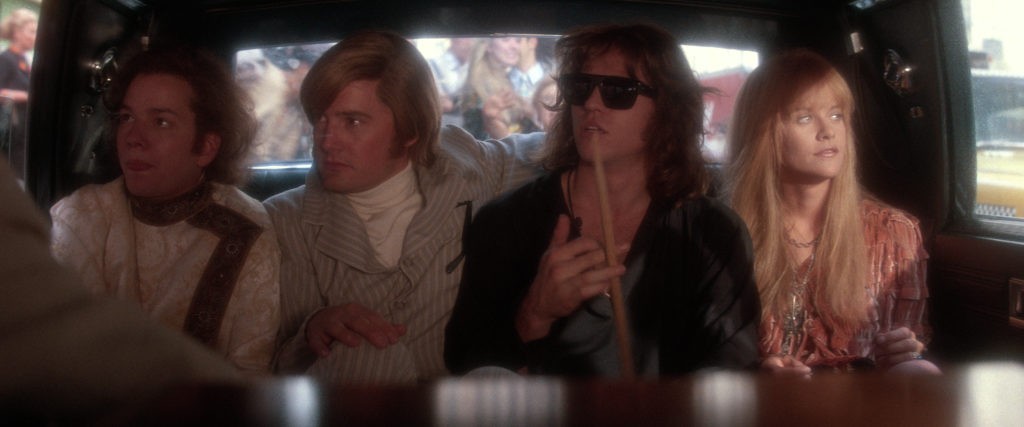
He is destined to find his one and only in the form of Pam (Meg Ryan), who, of course, will not be the only one in his bed; to open his consciousness with the help of drugs and alcohol and get lost in its corridors; to taste fame and lose touch with reality until it reminds him of itself. And most importantly – to become synonymous with rock 'n' roll.
Memory and Legacy of The Doors
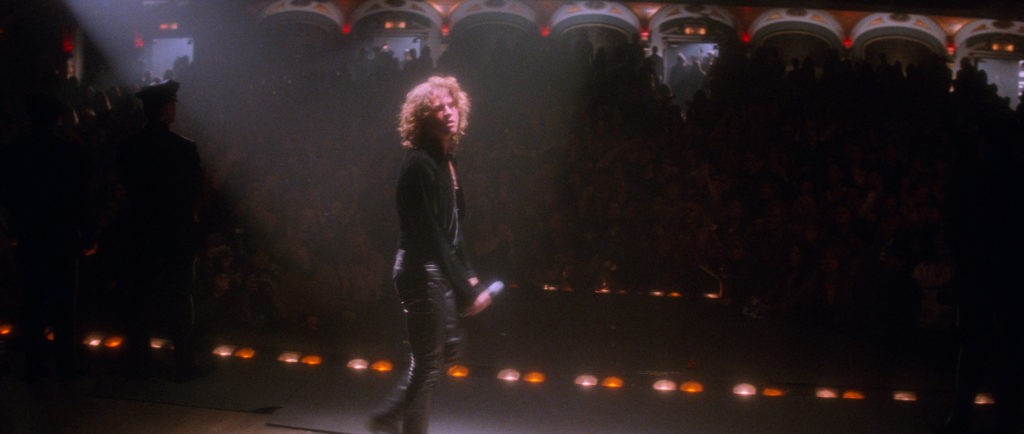
Oliver Stone definitely aimed to create specific sensations in the minds of his viewers, and he unquestionably succeeded – the film The Doors truly immerses you in an altered state of consciousness. Long scenes of the band's concert performances could have felt drawn out in any other film, but here they work to cloud the viewer's perception of surrounding reality, making them feel like a participant in the action and experience a real cocaine-acid intoxication.
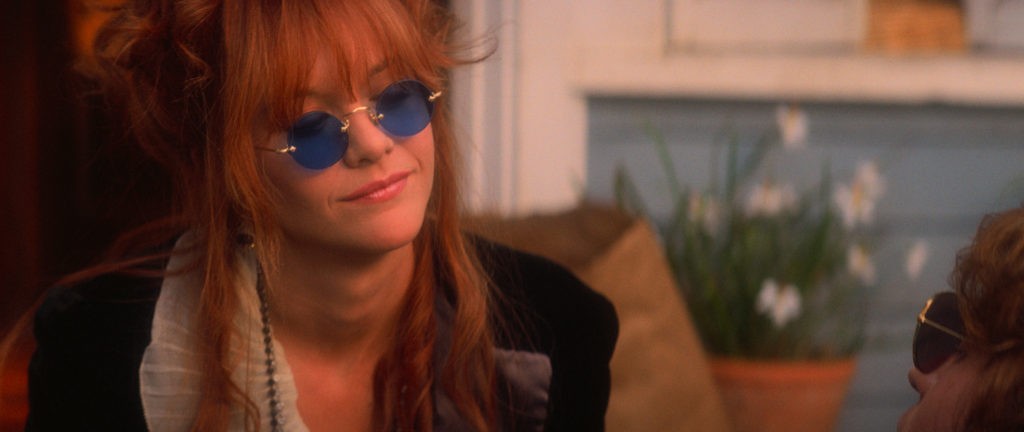
This is undoubtedly aided by the brilliant acting. Val Kilmer looks like an ancient Greek god descended from the pages of the books he loves to quote. Truly a Dionysus – the lord of festivities and bacchanalias. The mismatch of Meg Ryan's typical roles at the time with the character she plays also creates an interesting shock therapy effect. I felt a slight lack of The Doors themselves – but they were compensated by wonderful cameo appearances by Michael Madsen, Billy Idol, and Crispin Glover (as Andy Warhol himself). The cinematography, color grading, psychedelic inserts – everything works here.
There is only one small nuance that negatively affects all the characteristics described above: the real The Doors and their frontman. Because after watching Oliver Stone's film, it's easy to conclude that this is exactly how everything was in reality, that Morrison was exactly like that, and that he behaved that way one hundred percent of the time. Therefore, a smart viewer should watch the film with a certain degree of skepticism – as with any other biopic.
Another downside of the film is the relative simplicity of the plot. We observe more sketches of scenes from Jim's life than a coherent story. On one hand, this violates the laws of screenwriting accepted in Hollywood and recognized worldwide (we've written about the infamous even repeatedly). On the other hand, the backbone still remains in place, and the central focus is given to something else, which we will now gladly discuss.
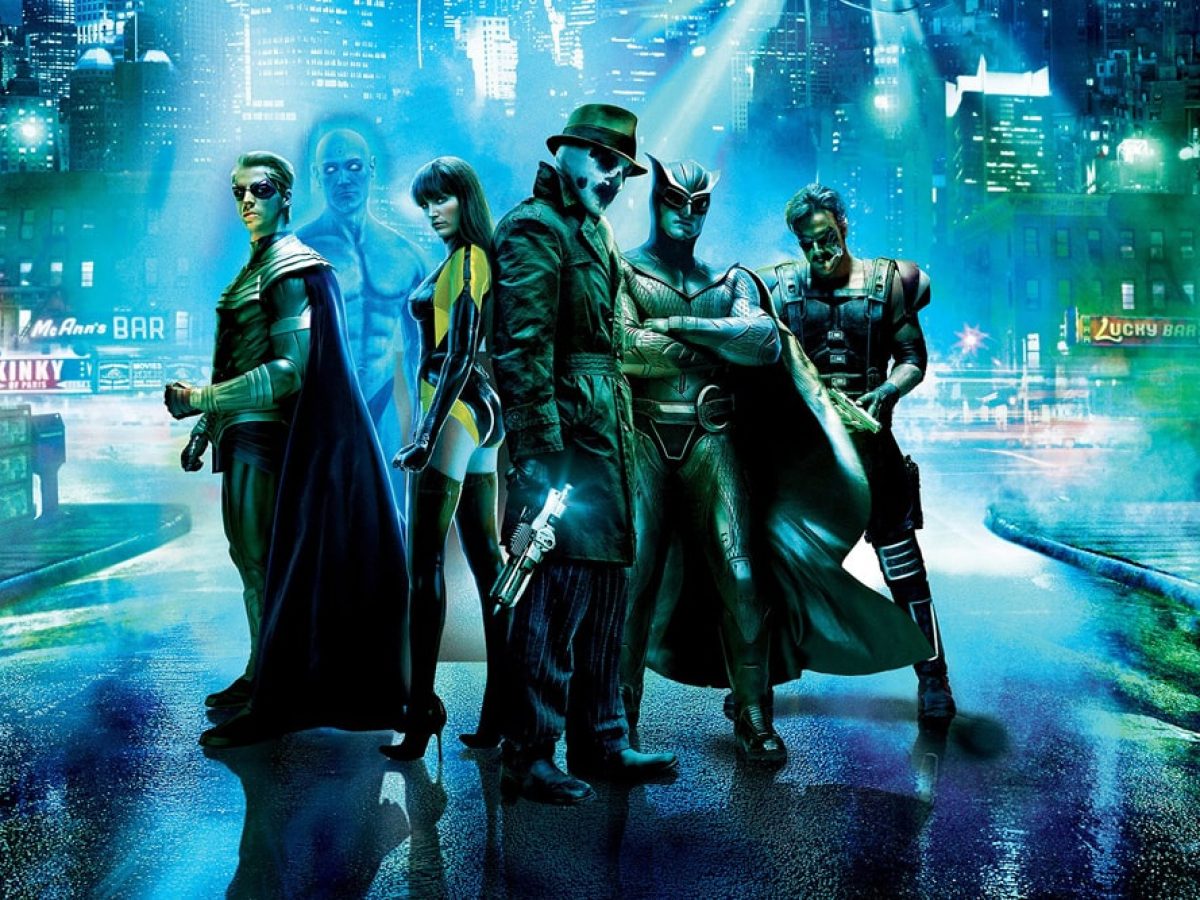
In the film 'Watchmen', there is no hero or team of heroes, only unusual people in unusual circumstances. And that makes it outstanding.
Open materialThe Principle of Historicism
How interesting it is to watch this film now, in our time and against our cultural backdrop! Because it's very easy to look at the characters' actions and start throwing around trendy words like 'abuse', 'stalking', or 'toxic'. And it's so hard to keep in mind that the action took place in the era of flower children, for whom having sex with a stranger or dropping acid in the middle of the street was as ordinary as drinking coffee in the morning before work is for us.
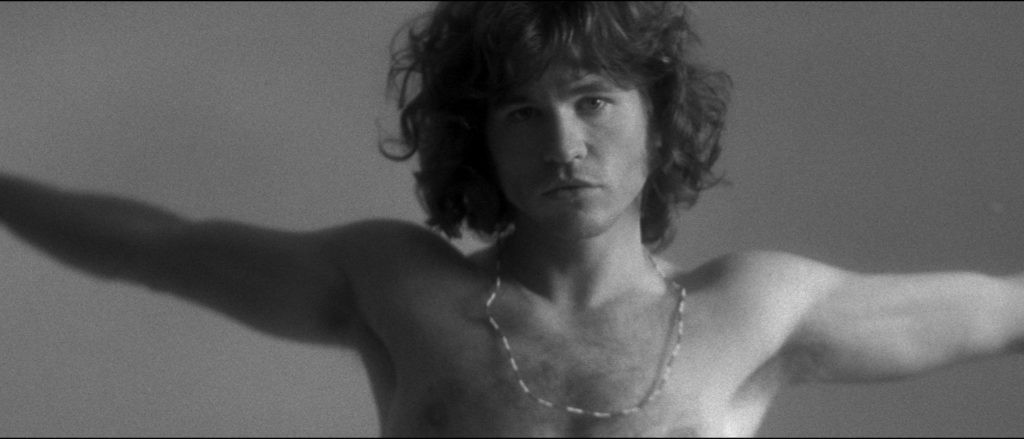
That's the beauty of The Doors. It perfectly recreates the atmosphere of that time, when rebellion and personal freedom were above all else – even if today we would see the same actions in a completely different light. And that's absolutely normal, because judging the actions of our ancestors through the lens of modern morality is simply unfair. Yes, we should develop and grow, but we cannot perceive the legendary Jim Morrison as a spherical horse in a vacuum. Jim Morrison in this film is a product of his era, who could not have emerged or succeeded in any other time.
And how satisfying that is. That Stone is not afraid to show the people of that time in all their glory. That the story of one person becomes the story of an entire generation. That any other filmmaker would have made another conveyor-belt biopic (sorry, 'Bohemian Rhapsody', but I won't forgive you for turning Freddie Mercury's story into boring banality). But here we see something more than a biopic. So don't be afraid that you won't see anything beyond a simple rise of the band. The Doors will appeal not only to biopic lovers but also to those who appreciate honest stories without excessive moralizing. That is, at least to me.
Comments
0No comments yet.
Sign in to join the discussion.