
Zombies are among the favorite monsters in horror, not only because of their external 'charm' and special diet, but also because of the Resident Evil game, which largely popularized them (and gave Paul W.S. Anderson his only successful project). Netf...
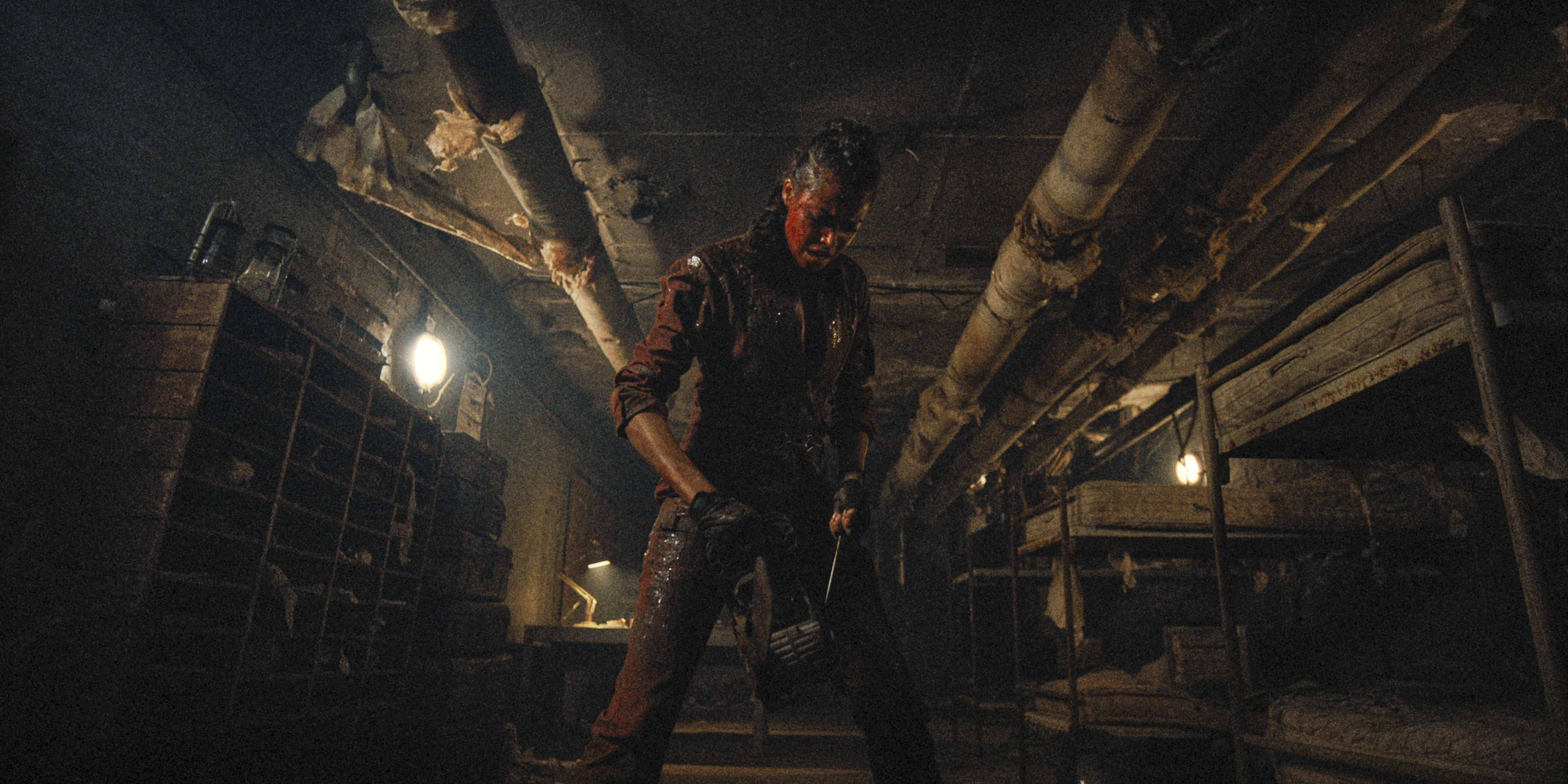
An apocalypse has occurred on Earth due to the T-virus escaping from a laboratory, turning people into zombies. The behavior and self-organization abilities of the monsters are studied by 28-year-old Jade. And how did the world come to this? It all began a few years earlier, when two sisters, Jade and Billie, arrived with their father, Dr. Albert Wesker, in a town called 'New Raccoon City' in South Africa. There, they learn to live as ordinary teenagers while their father is still working on the dangerous T-virus.
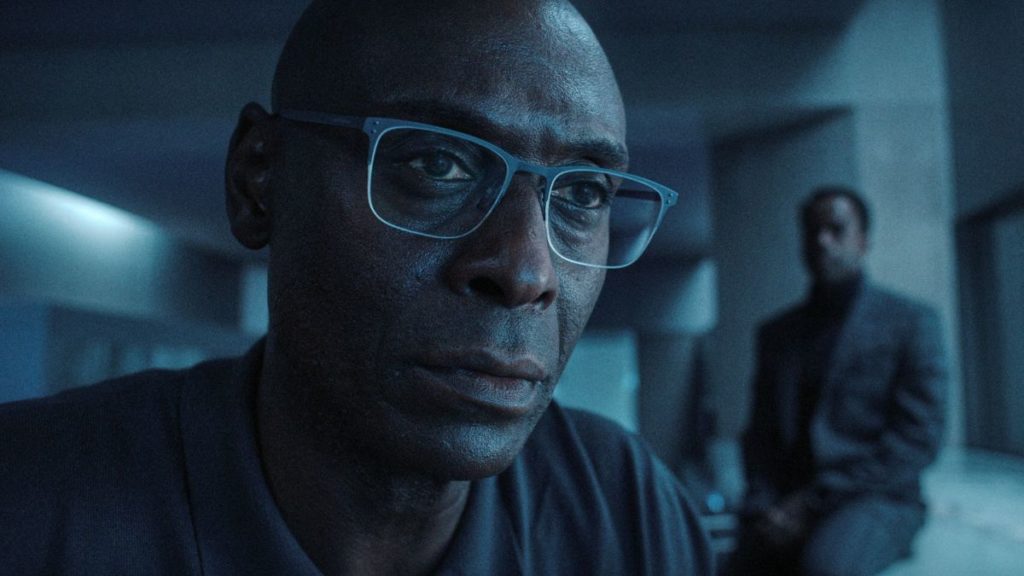
Streaming service Netflix attempted to breathe new life into Resident Evil. But as a result, the series elevated rather than pleased fans. The series adaptation of 'Resident Evil' by showrunner Andrew Dabb managed to draw criticism from fans even before its release. It turned out that Lance Reddick, playing one of the key roles, Dr. Albert Wesker, didn't even know what kind of character this was in the games. He created his portrayal based on Dabb's script. Well, one can say a lot about Paul Anderson's views on Resident Evil, but he had one important rule when selecting actors: they all had to, if not complete the game, at least watch walkthrough videos to immerse themselves in the atmosphere and feel this world. Milla Jovovich and Michelle Rodriguez were avid fans of the game. And Anderson's first film, despite deviating from the canon, turned out very good. Even in the sequels, you can find, if not interesting visual solutions, then at least decent graphics and action.
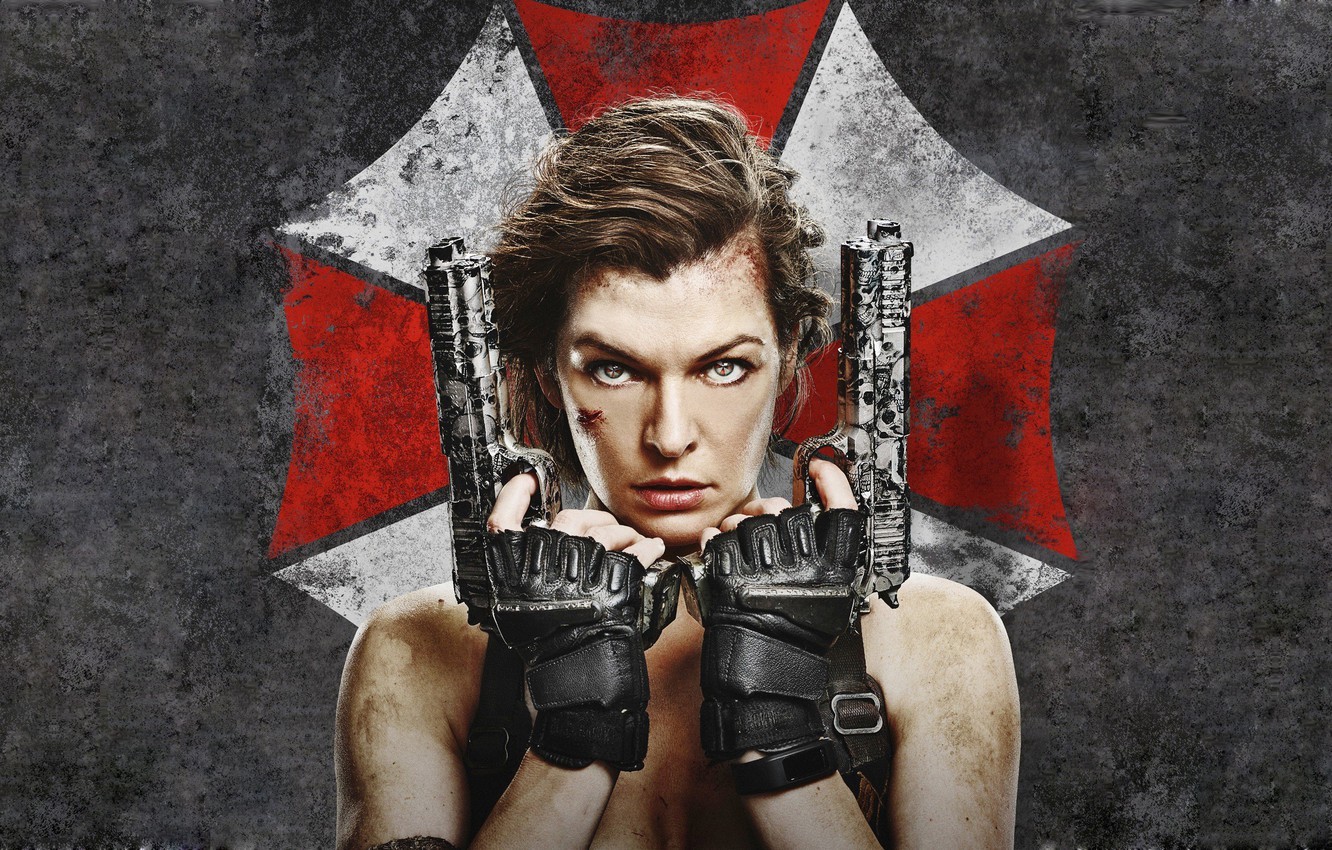
This year, the 'Resident Evil' film universe celebrates its 20th anniversary: in 2002, the first film adaptation based on the popular game Resident Evil, starring Milla Jovovich, was released. We remember...
Open materialSo what did Netflix give us by releasing its series less than a year after another adaptation of Capcom's creation by Johannes Roberts, 'Resident Evil: Welcome to Raccoon City'? An ordinary teen drama (which also didn't turn out very well, as you'll understand later). The showrunner decided to tell the painful story of two sisters, daughters of Albert Wesker, who confront the dark side of the Umbrella Corporation.
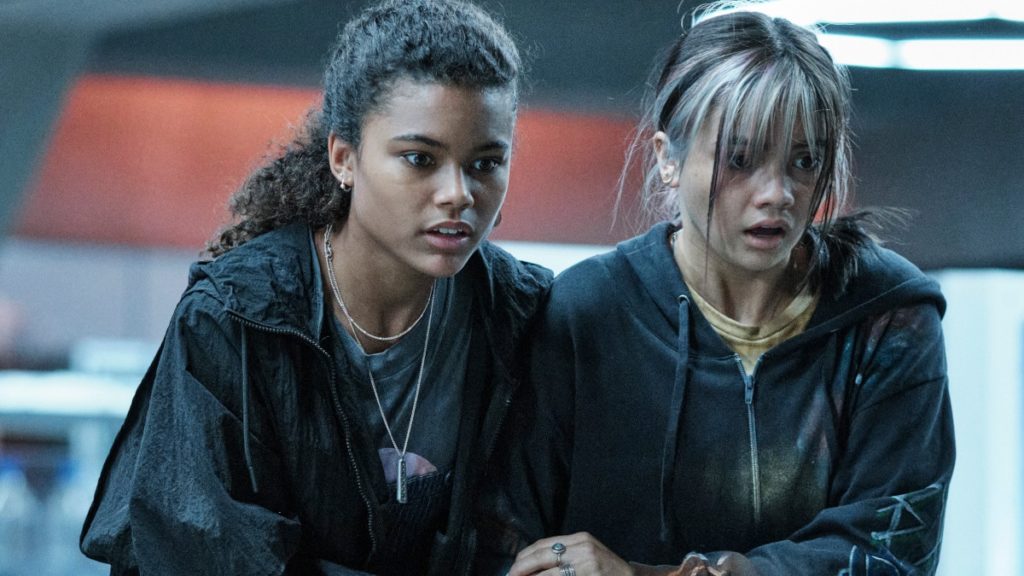
For most of the runtime, we watch them argue, feel jealous, doubt, suffer from bullying, and endlessly tell each other that they are two against the whole world. Even the T-virus doesn't interest them as much as the question of why one suddenly isn't talking to the other. Essentially, the plot that kicks off in the first episode doesn't develop at all until episode 6, where, finally, besides sorting out their relationship, they show an interest in looking a bit more globally at the world around them and what is happening to them.
This approach with a teenage lens could be explained by a desire to capture some of the success that 'Stranger Things' achieved. But if with the Duffer brothers the story develops by leaps and bounds, taking your breath away, and the visual quotes and directorial ideas are a feast for the eyes, then in the teenage 'Resident Evil' everything is very drawn out.
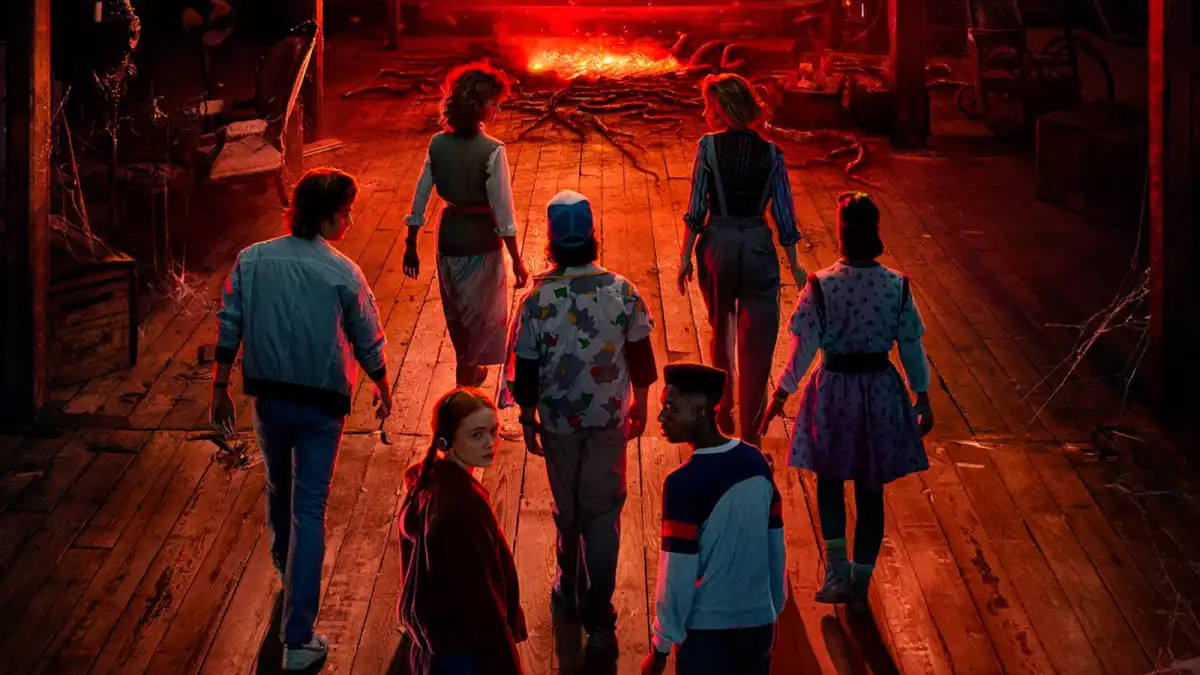
If Steve Harrington dies, we're ready to write a petition to Netflix.
Open materialThe story, although shot according to the canon (which was credited to Netflix before the premiere), is frozen in time, and the dreary characters don't even try to evolve. The first season has a total of 8 episodes, but interest is lost by the second because the plot doesn't move anywhere. It seems as if the catalyst for the conflict should be the drama between the sisters themselves, but for some reason, it fails time and again. Neither Lance Reddick's performance nor the parallel storyline with adult Jade (Ella Balinska) in the zombie apocalypse world adds depth or meaning.
The situation could have been sweetened at least by good action and graphics, but here either the budget or the skills were lacking. Perhaps if Netflix had made a two-hour film, it would have been better, or at least less dreary, than trying to find its cash cow by chasing the success of the series 'Stranger Things' and exploiting the popularity of Capcom's game.
Comments
0No comments yet.
Sign in to join the discussion.