

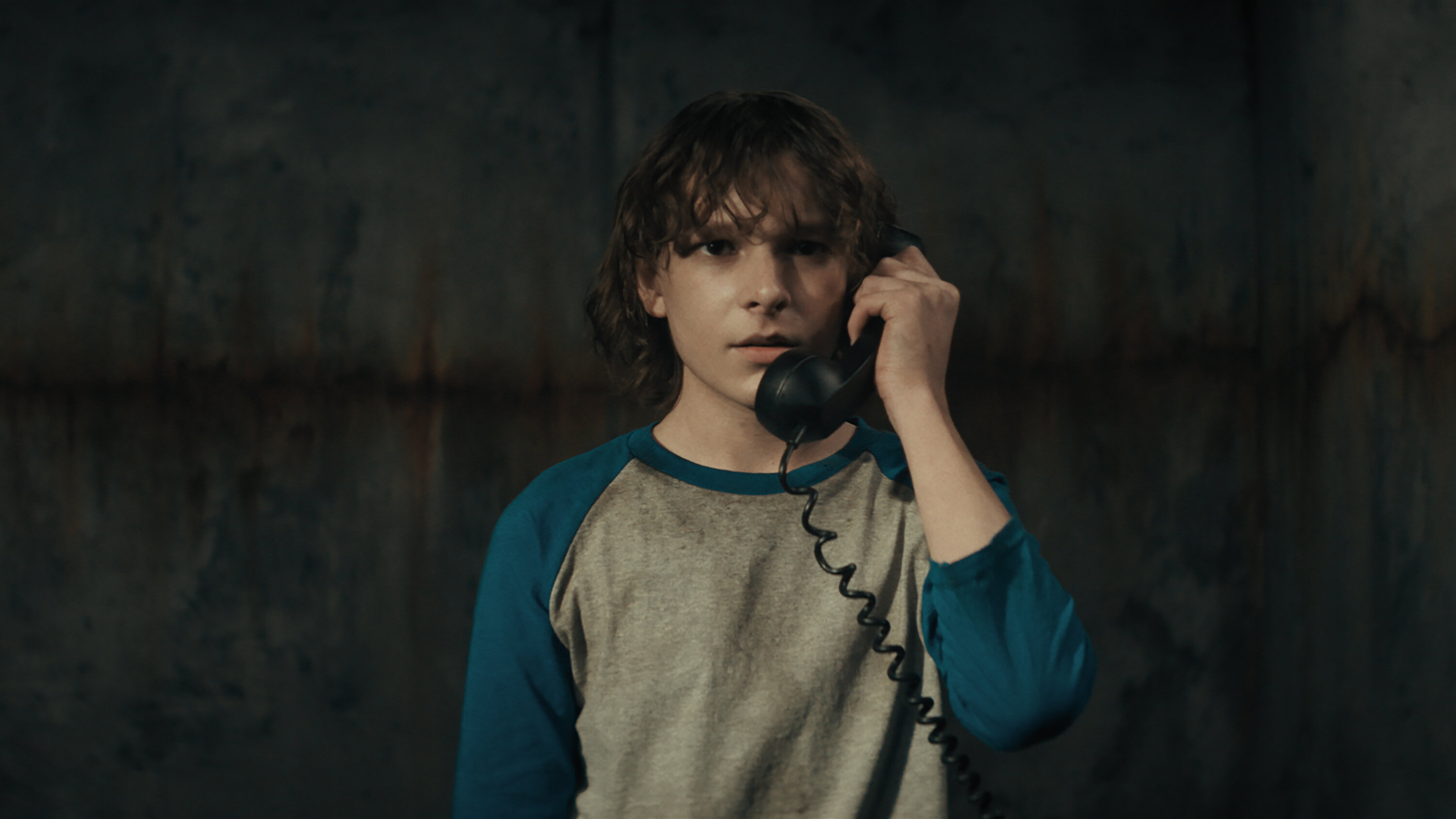
In Stephen King's stories about terrible things, paranormal forces, and human cruelty, children have long been the main characters. Filmmakers borrowed this method in their time. And the horror film 'The Black Phone' once again proves that it is stil...
The events of the film take place in the 1970s in the American state of Colorado, where a maniac (Ethan Hawke) is on the loose. Several children have already gone missing, and no one can find even a small clue to help in the search for the criminal. One day, 13-year-old John Finney (Mason Thames) falls into the villain's clutches. In a soundproof basement where he is held captive, the boy finds a black phone that suddenly connects him with the maniac's previous victims.
This is a film adaptation of the short story of the same name by Joe Hill, the son of Stephen King. And in essence, this fact explains a great deal. 'The Black Phone' is a social horror film by Scott Derrickson that largely explores the nature of violence: domestic (dysfunctional families) and societal. In particular, school abuse is one of the red threads in Stephen King's works, and this theme is given enough screen time here, given the hour-and-a-half runtime.
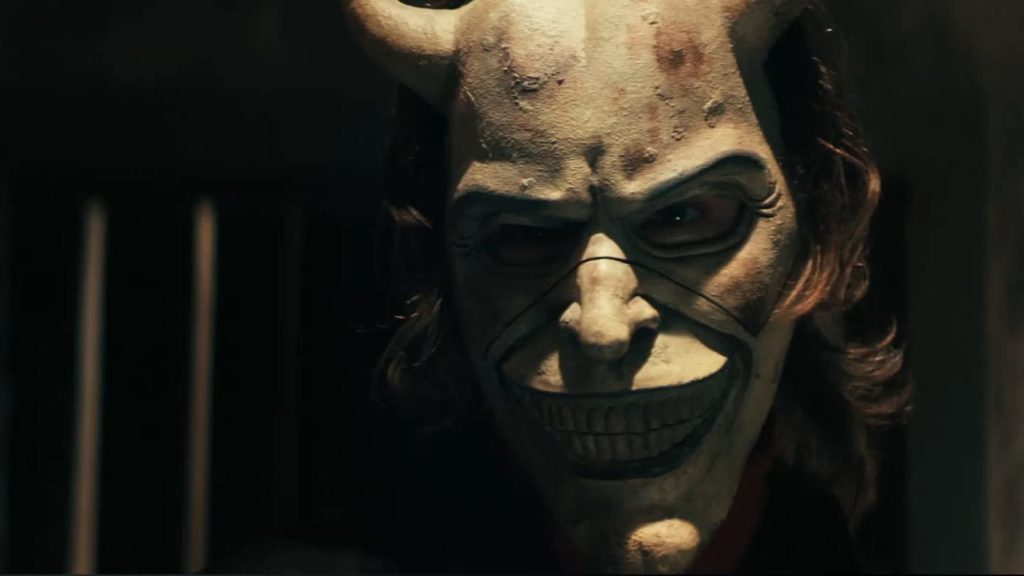
Another equally important element of the story is the missing children, who are eventually forgotten by everyone. According to statistics, approximately 460,000 children go missing annually in the US alone, the majority of whom are minors. And 'The Black Phone' brings the viewer's attention back to this problematic situation, which seems to have become commonplace over the past few years (and therefore less important, which is wrong).
Visually, it's a rather gloomy picture: even daytime scenes look as if they were shot on the verge of twilight, creating a oppressive atmosphere. This technique in horror color grading is used quite often. Nevertheless, this is not another banal empty shell, a horror flick for the sake of standard jump scares and an adrenaline rush for the viewer. It is also a small declaration of love for cinema and specifically for Stephen King's world. Among the obvious references here is to the beloved 'It'. The film also mentions 'The Texas Chain Saw Massacre' or 'Enter the Dragon' with Bruce Lee. In this regard, director Scott Derrickson reminds me of many cinephile filmmakers, for example, the Duffer Brothers, who do something similar on a larger scale in 'Stranger Things'. By the way, there is also a touch of 80s nostalgia in 'The Black Phone'.
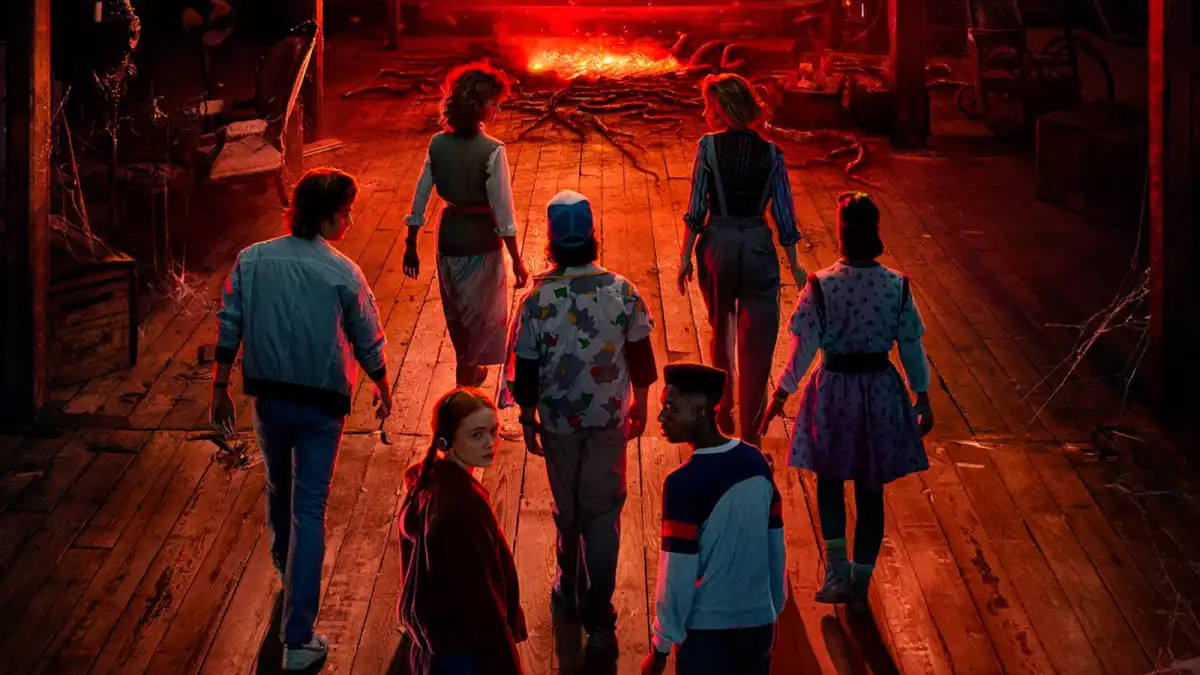
If Steve Harrington dies, we're ready to write a petition to Netflix.
Open materialSpeaking of Derrickson himself, one cannot help but recall his 'Sinister', which also starred Ethan Hawke. In 2020, it was recognized as the scariest film of all time. This conclusion was based on heart rate frequency during viewing: viewers' pulse on 'Sinister' rose to 86 beats per minute, which is a third higher than normal. So, it's not surprising that even with a rather unpretentious plot, 'The Black Phone' is a worthy horror film. It builds atmosphere in moderation, confuses in moderation, and scares in moderation. And the ending is somewhat reminiscent of the series 'Mare of Easttown' (if we say exactly how, it would be almost a spoiler).
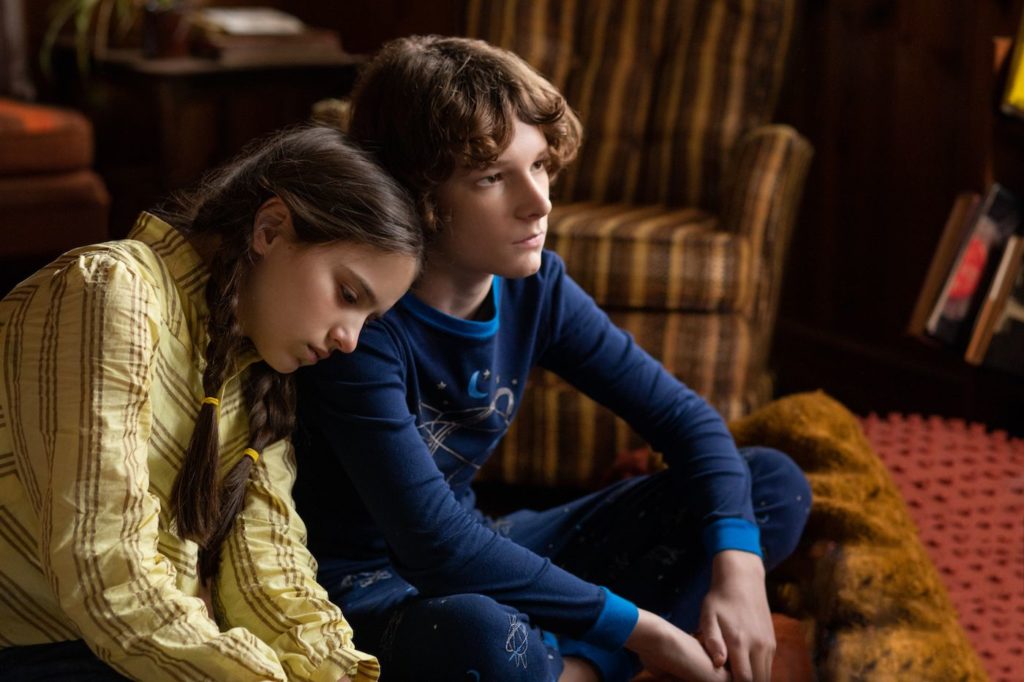
'Mare of Easttown' is a new hit that every lover of quality stories should watch. And we'll tell you why.
Open material
In addition to the directing work, it is worth noting the acting talents. First and foremost, Ethan Hawke. Despite the fact that he spends most of the scenes in a mask (and we only see part of his facial expressions, but what expressions!), his main strength in this horror film is his voice (in the original dubbing). It's incredible how in a second he switches from a measured tone to a mad one. And in close-up scenes, everything becomes clear just from his eyes. Mason Thames is no slouch in terms of acting either; his childhood despair and terror look more than natural. Those who will be making a spin-off of 'Stranger Things' should take a closer look at him.
'The Black Phone' is an intimate horror film where events for most of the runtime do not extend beyond a basement with bare walls and a concrete floor. The main character's world narrows to the confines of this room, which may cause particularly sensitive viewers to experience a feeling of claustrophobia.
Though not deeply, the film explores madness and violence in their most obvious manifestations, each time prompting the thought: 'Why is this still normal for many people?' It's not surprising that, as in Stephen King's works, so in Derrickson's film, the main evil is not some supernatural entity, but people themselves.
Comments
0No comments yet.
Sign in to join the discussion.