


On June 30, “Official Competition,” a satirical comedy about the behind-the-scenes world of auteur cinema, starring the main stars of Spanish and Argentine cinema — Penélope Cruz, Antonio Banderas, and Óscar Martínez — hits the big screen.
How do ordinary viewers imagine the world behind the camera?
Narcissistic stars earning millions, producers who know nothing about cinema but dictate their own rules, crazy directors trying to turn their fantasies into reality... This is roughly how the behind-the-scenes world of cinema is portrayed in “Official Competition” (Competencia oficial), the new film by the Argentine duo Mariano Cohn-Gastón Duprat (“The Distinguished Citizen,” “The Masterpiece”). But behind the veil of good-natured mockery of the film industry lies much more meaning, sometimes not the most obvious.
A Film About Film
An 80-year-old billionaire, wanting to immortalize his name in history, chooses between making a film and building a bridge, opting for the former. He proposes to finance a new project by the famous director and darling of international film festivals, Lola Cuevas (Penélope Cruz). The basis of the upcoming auteur film is a book by a Nobel Prize laureate, which tells the story of the complicated relationship between two brothers.
For the roles of these characters, Lola invites two maestros — Félix Rivero (Antonio Banderas), a Hollywood star, universally recognized handsome man, and idol of millions, and Iván Torres (Óscar Martínez), a theater actor, acting teacher, follower of the Stanislavski method, and apologist for high art.
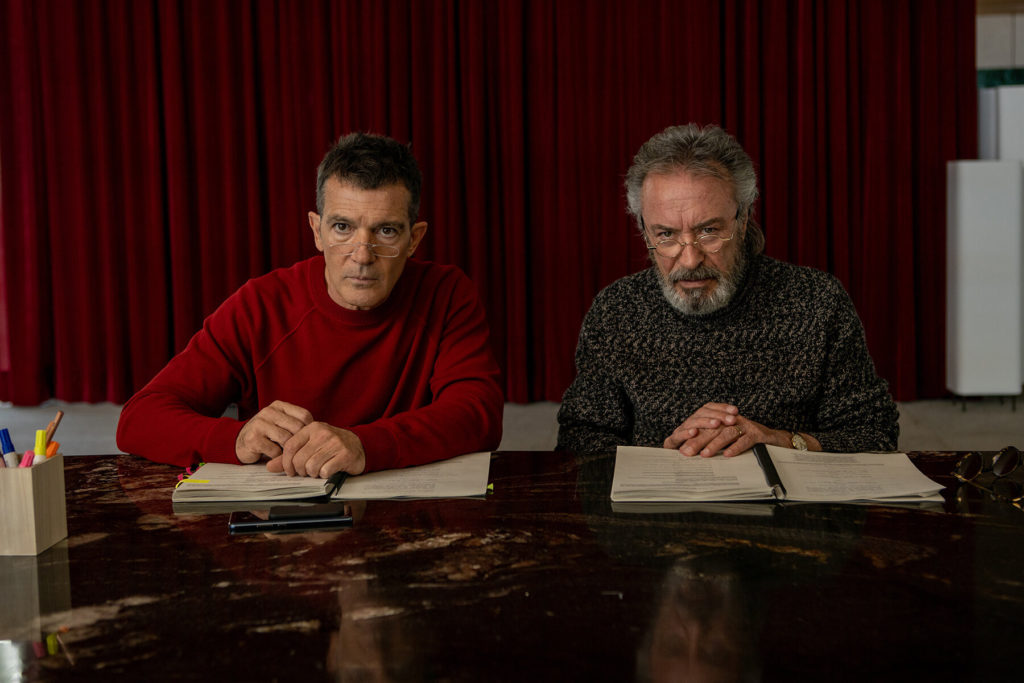
The main plot of “Official Competition” is built around the attempts of this eccentric trio to get along for the sake of art. The film within a film here does not imply actual shooting, as usually happens in such movies, but focuses on rehearsals. This preparation gives rise to a lot of funny, caricature-absurd, and sometimes tragic situations. And watching Penélope Cruz teach Antonio Banderas how to act is a whole separate kind of cinematic pleasure.
The most accurate translation of the original title would be “official competition,” a term often found in the world of festival cinema. A world where representatives of so-called high art often end up, competing in breadth of thought, depth of subtext, and beauty of presentation.
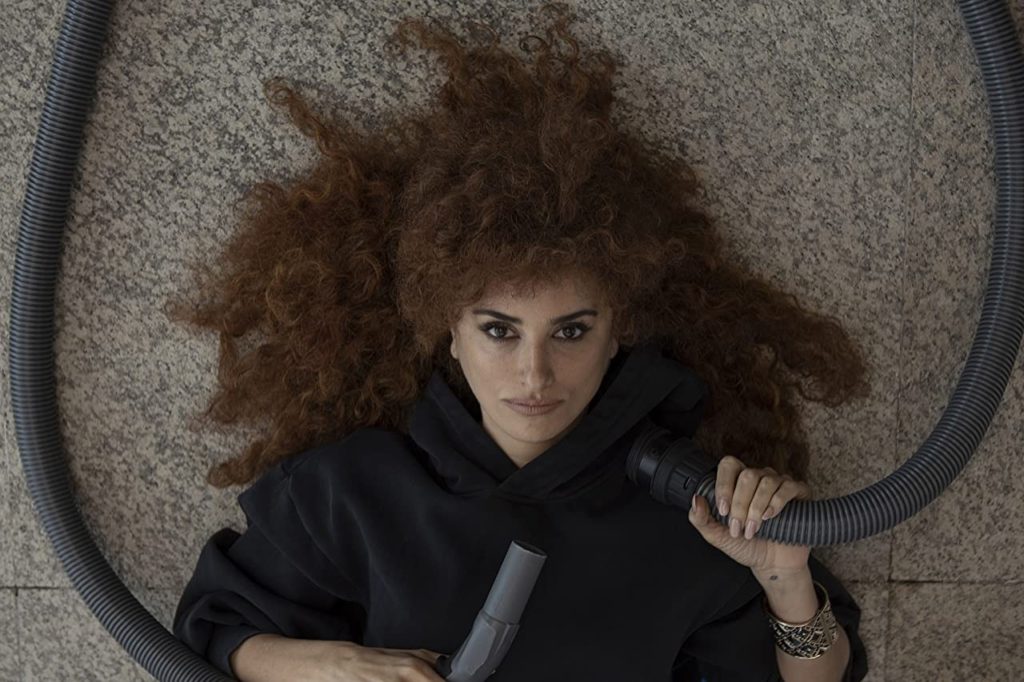
The work of Cohn and Duprat largely ironizes their colleagues, emphasizing the meaninglessness of creative competitions, although they agree that competition is the engine of progress even in cinema. The even greater irony of “Official Competition” is that it itself is full of subtexts, like the objects it mocks: from illustrating painful attempts at self-realization in creativity and reflection on the theme of acting, to searching for the finest line between genre cinema and genuine art.
When the Film Ends
In one of the episodes of “Official Competition,” an interesting question is posed: “When does the film end?”
With the final credits? After the awards season? Or maybe when the last argument about whether the actors performed well subsides?

In the case of this film, it can be said that there will be plenty to discuss after viewing. It is a subtle and uproariously funny auteur film about auteur cinema, with actors deftly playing the roles that have become established for them in their real careers (the same Antonio Banderas simply revels in the image of a world star). One of the brightest new releases of the summer that should not be missed.
Trailer:
“Official Competition” in theaters from June 30
Comments
0No comments yet.
Sign in to join the discussion.