

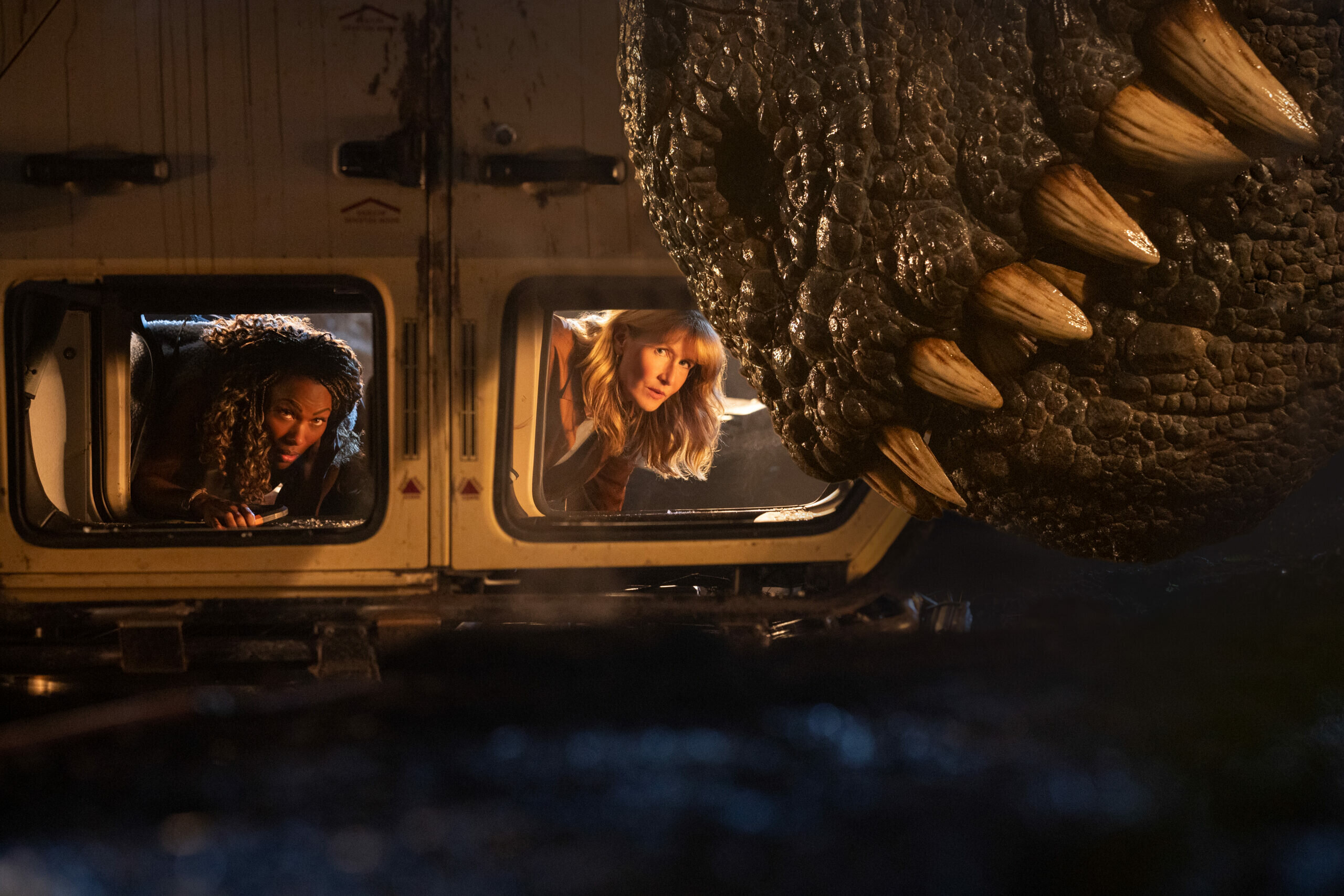
Dinosaurs are still in fashion, as are Jeff Goldblum, Laura Dern, and a bit of Sam Neill. The final installment of the sci-fi-tinged adventure action film 'Jurassic World: Dominion' is hitting worldwide theaters, and we're looking back at how it all...
Origins
In the early 90s, Steven Spielberg managed to acquire the rights to adapt Michael Crichton's novel of the same name. And in 1993, the impressively scaled film "Jurassic Park" hit the big screen.
At the center of the plot are three scientists invited to evaluate the project of the wealthy John Hammond. Combining his resources and ambitions, Hammond decided to bring dinosaurs back to life, aided by risky genetic experiments with the DNA of extinct creatures. Playing God led to enough specimens for an entire park, which the tycoon planned to open to the public. To gain public support, since not everyone approved of his idea, he invited specialists: Alan Grant, Ian Malcolm, and Ellie Sattler.
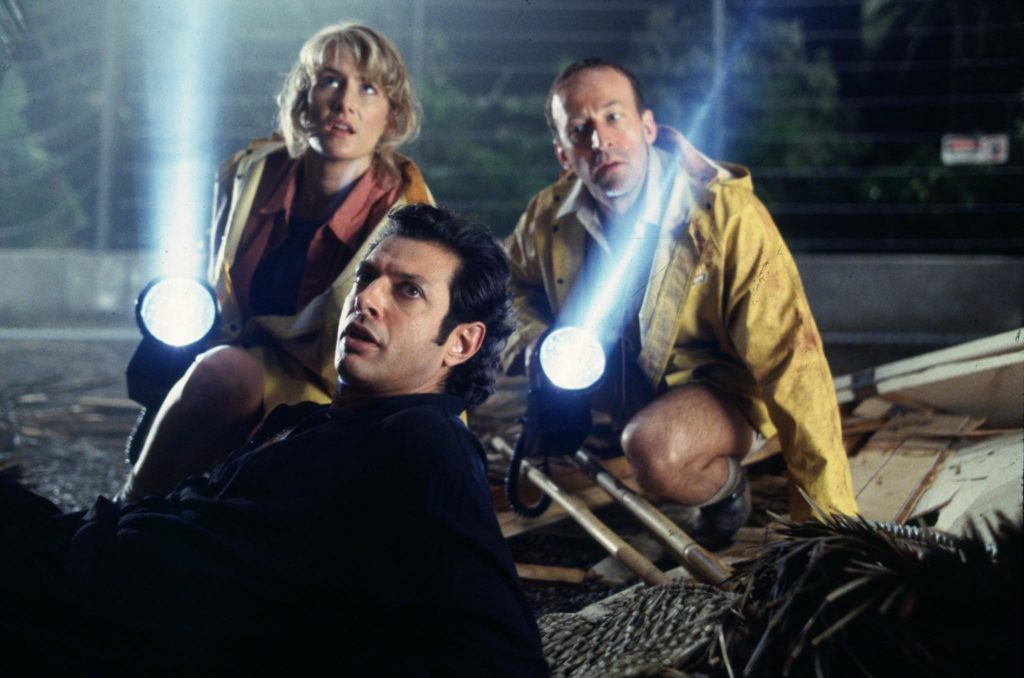
But here's the rub: just as the characters played by Laura Dern, Jeff Goldblum and Sam Neill arrived at the park (on the remote island Isla Nublar), chaos erupted. The dinosaurs scattered throughout the park, and the scientists were no longer marveling at the spectacle but simply trying to survive. "Jurassic Park," especially by 90s standards, was an impressive film that deservedly won three Oscars: for Sound, Sound Editing, and Visual Effects.
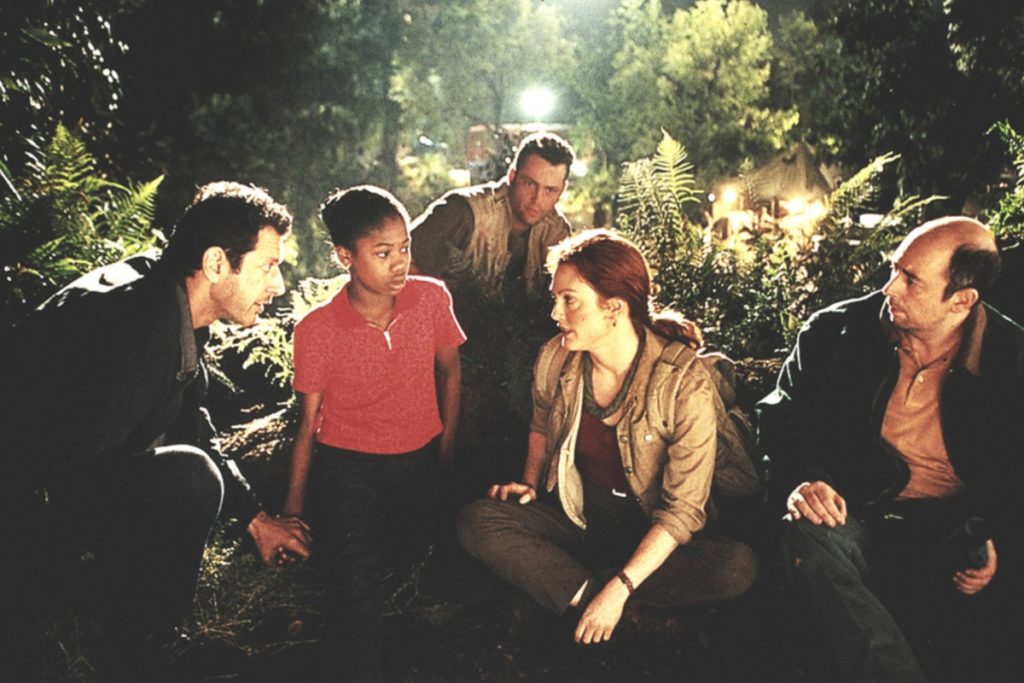
Spielberg continued to develop the idea of the consequences of playing God in the 1997 sequel "The Lost World: Jurassic Park". Four years after the events of the first film, dinosaurs are being studied on another remote island.
Fate was kind to Laura Dern and Sam Neill, leaving them alone. But Jeff Goldblum had to carry the film alongside Julianne Moore and Vince Vaughn. The result was a brisk adventure action film that effectively repeats all the tenets of the first movie. The dinosaurs hunt the scurrying humans with no less enthusiasm. But it all doesn't feel as fresh and new as the first time.
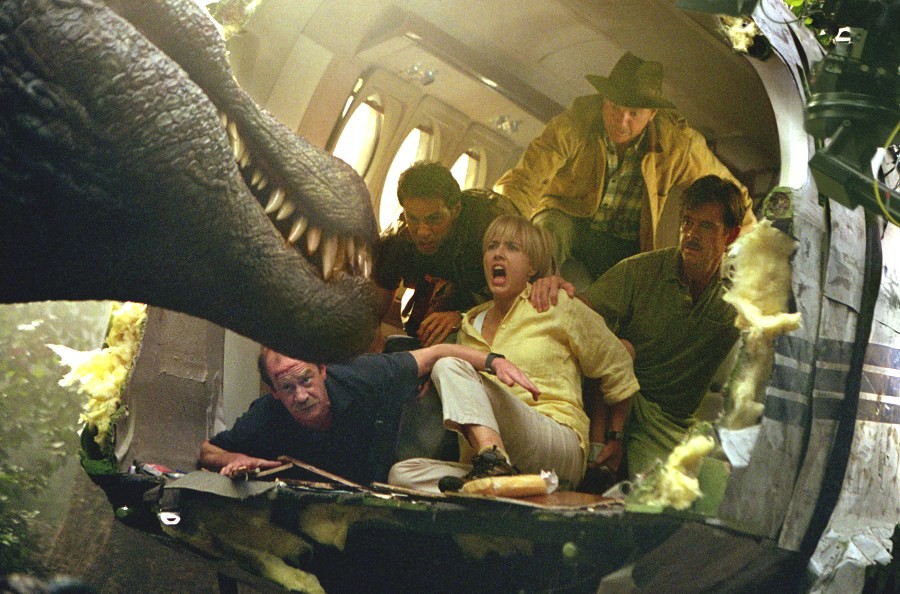
Nevertheless, the strong box office of the second part allowed the third film to go into production, but Spielberg only acted as a producer, with Joe Johnston taking the director's chair. "Jurassic Park III" (2001) attempted to break out of the narrative loop of the first two parts. Sam Neill returned, this time heading to the dinosaur island with a couple who had lost their son. Now the scientist wasn't just researching but also assisting in a rescue mission.
The attempt to spin the story around a child search backfired on the creators, resulting in the film focusing more on human relationships (and strange plot decisions, like a raptor in an airplane cockpit) rather than dinosaurs. The once-main characters of "Jurassic Park" suddenly became more like extras than active participants. All this is compounded by unimpressive special effects and a predictable ending, turning the third film into more of a filler movie than a grand finale.
14 Years Later
After a 14-year hiatus, Universal Pictures decided to revive the dinosaur franchise. And so "Jurassic World" (2015) was launched, targeting a new audience. Now it's no longer a park but an entire island teeming with prehistoric creatures and cutting-edge technology.
The director of the new trilogy, Colin Trevorrow, decided not just to bring dinosaurs back to life but to modernize them. Thanks to advances in genetics, a unique hybrid, the Indominus Rex, was created—combining the best traits from various animal species. And then the plot follows a well-worn path: the predator escapes, and all visitors are in danger.
The main characters here are operations manager Claire (Bryce Dallas Howard) and raptor expert and dinosaur trainer Owen (Chris Pratt). They train extinct creatures, save the island, rescue visitors, and even flirt a little. But overall, the dinosaurs are still in the spotlight.
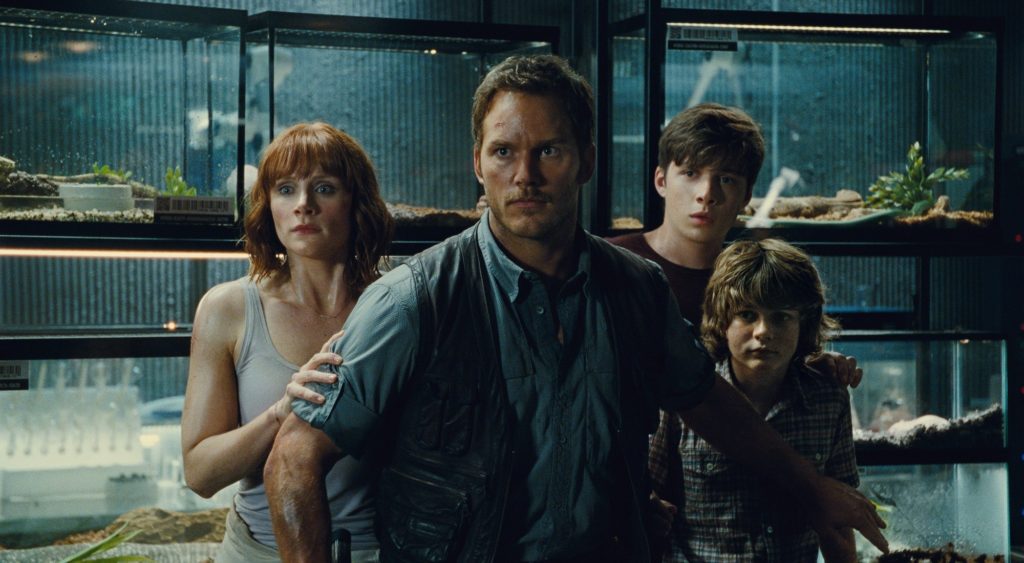
The film centered on the same old, albeit somewhat forgotten, plot about playing God and the conflict between man and nature, embellished with 21st-century trappings. Audiences liked it, although people probably appreciated the scale of destruction and the colorful action of dinosaurs hunting humans more.
But an equally significant reason for the film's success might have been its well-chosen timing. The release of "Jurassic World" coincided with a time when superheroes were becoming more prevalent in cinema. Additionally, sequels or remakes of famous sci-fi space projects ("Star Trek," the expanding Star Wars universe) were emerging. People were longing for something more grounded and relatable to reality, where science ruled the roost, not saviors from other planets or universes. The world of dinosaurs connected the present with the past, and crucially, with a future where the boldest experiments could become commonplace. Riding the wave of renewed interest in dinosaurs and nostalgia for Steven Spielberg's universe, the first "Jurassic World" managed to rake in a substantial box office and immediately greenlit a second part.
In 2018, the sequel "Jurassic World: Fallen Kingdom" (2018) by J.A. Bayona hit theaters. Three years after the events of the first film, Claire and Owen return to the ill-fated island, not to destroy but to save the doomed dinosaurs from yet another total annihilation (this time due to a volcanic eruption). But they gradually realize that their rescue team actually intends to transport the creatures to civilization and sell them on the black market.
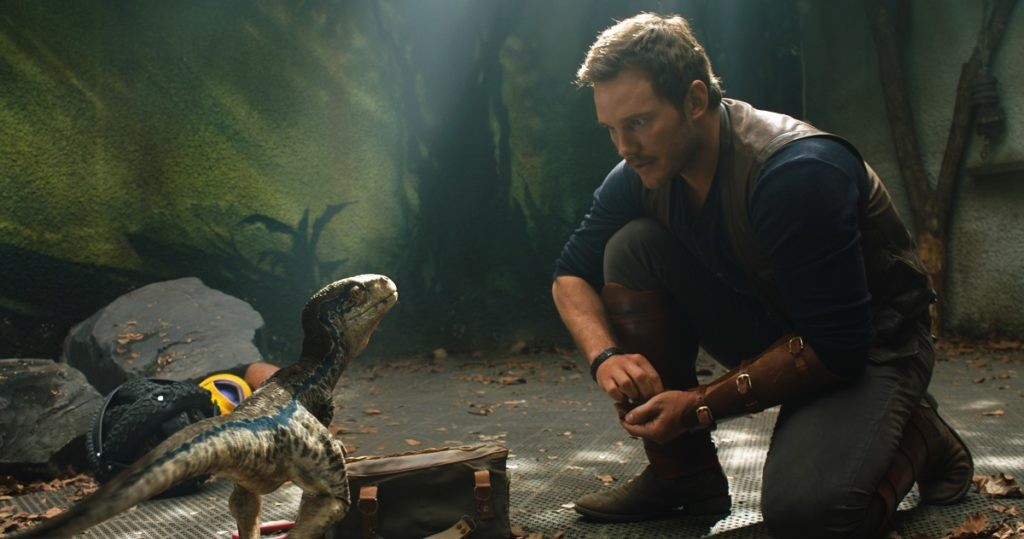
There were high expectations, but the film ultimately failed to meet them. People are playing God again, but on an even larger scale: not just an island, but a ship on the open ocean and even the mainland. The intimate universe of Jurassic Park, existing only in a park on a remote island, expanded so much that it began to resemble a space opera in scale. The film devolved into a spectacular thrill ride.
The conflict here is no longer between man and nature, but between man and man, with dinosaurs relegated to the role of additional special effects designed for a wow factor. And there are issues with the characters, who seem stuck in a time loop and incapable of development after the first film.
But people love thrill rides, so the film earned enough to warrant a third part—"Jurassic World: Dominion". Colin Trevorrow returned to the director's chair, and the veterans who survived the Jurassic period—Sam Neill, Laura Dern, and Jeff Goldblum—returned to the screen. The old guard joins forces with Chris Pratt and Bryce Dallas Howard to prove to the film world one last time that not everything is so bad in the dinosaur universe.
But judging by international reviews, things aren't all rosy. The film is at least criticized for its mediocre plot and an overt attempt to play on nostalgia, which still doesn't save it. But regardless, watching the beautiful action (judging by the trailer), the flamboyant Goldblum and company will still be enjoyable. And the dinosaurs themselves are a fascinating spectacle. For everything else, we have Spielberg's 90s films.
Comments
0No comments yet.
Sign in to join the discussion.