

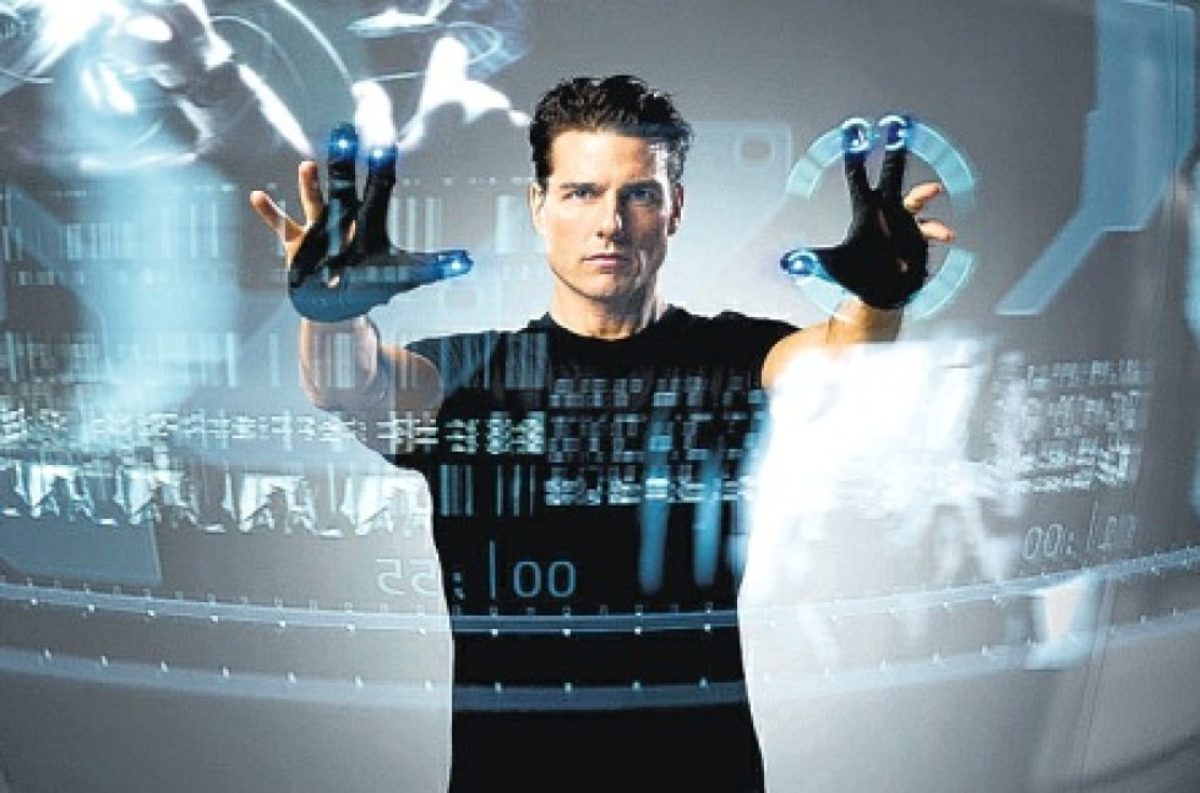
We may not be in 2054 yet, but many of the futuristic technologies shown in 'Minority Report' have already become reality. In honor of the film's 20th anniversary, let's talk about it from the perspective of predictive power.
What looked like a distant and fantastic future in 2002 has become quite ordinary in 2022. Perhaps this is the main revelation when rewatching the cult blockbuster Steven Spielberg's 'Minority Report', which turned 20 years old.
The film, loosely interpreting the short story of the same name by Philip K. Dick, painted a picture of the distant year 2054, where criminals are tried preemptively (before they even commit the actual offense). The technology, based on predictions and their infallible interpretation, works flawlessly for many years and helps reduce crime to record low levels. However, everything changes when the head of the pre-crime program (Tom Cruise) is named as the next culprit.
20 years ago, 'Minority Report' impressed with its stylish, near-monochrome visuals, seasoned with a ton of special effects. The graphics not only spiced up the brisk action sequences but also showcased numerous delights of the future. Let's take a retrospective look at the things that Steven Spielberg's film truly managed to predict. After all, he assembled a team of 23 futurists who compiled an entire 'bible' of 2054.
Self-driving cars
One of the most memorable scenes in the film is Tom Cruise's character trying to escape from a self-driving car on a highway filled with similar driverless vehicles. From Tesla's developments to Yandex's experiments, self-driving cars are not yet ubiquitous, but they no longer seem like something from the future, and the time when this becomes commonplace is near. So it's safe to say that this prediction has come true, and it took much less than 50 years.
Personalized advertising
Wherever the main character goes, he is constantly pursued by personalized advertising. Billboards literally address him by name, attracting attention and selling him goods and services.
Thankfully, it hasn't come to that yet (although the Japanese were close to implementing this idea), but targeted advertising is something we encounter every day. Whether we listen to music or log into social networks, we are constantly faced with commercial offers designed 'especially for us.' Even the covers of movies and series on Netflix are selected based on your personal taste. So 'Minority Report' was not far from the truth.
Voice assistant and 'smart home'
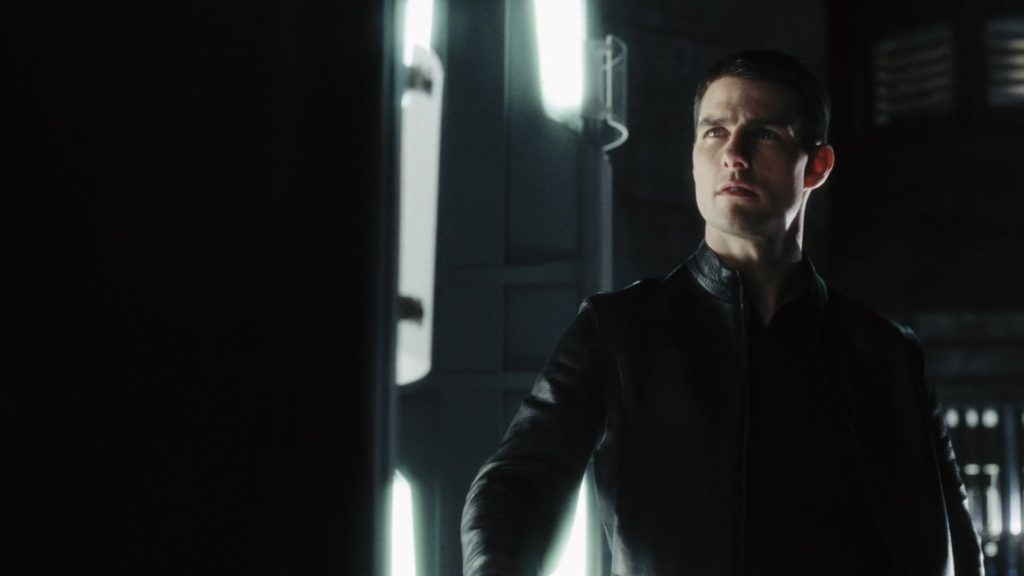
In 2002, it seemed like science fiction to come home and control household items using voice commands (Tom Cruise's character turns on the 'TV' this way). Now, there are many voice assistants on the market, from Siri to Alice, which can be easily integrated into a 'smart home' system and carry out your commands. To play music, lock doors, or adjust the air conditioner, you no longer have to do it manually; just say the right command.
Facial recognition system
The main character of 'Minority Report,' in an attempt to evade authorities, goes to extreme measures—agreeing to an eye transplant. The reason is an actively functioning system for identifying individuals by their retinas.
Something similar was developed for the needs of the US FBI back in 2011. The system, called Next Generation Identification, could analyze fingerprints, retinas, and recognize faces to quickly determine the criminal history of anyone caught on camera.
Now, such systems are taking a different direction. For example, in Moscow, you can already pay for metro fare literally with your 'face' (Face Pay).
As time shows, 'Minority Report' is not just an engaging and intelligent blockbuster, but also a largely prophetic film. Who knows, maybe the core technology for determining the intent to commit a crime will cease to be fiction. However, Steven Spielberg also showed the dangerous consequences of implementing such technological things in his film, so we hope that scientists watched it carefully too.
Comments
0No comments yet.
Sign in to join the discussion.