

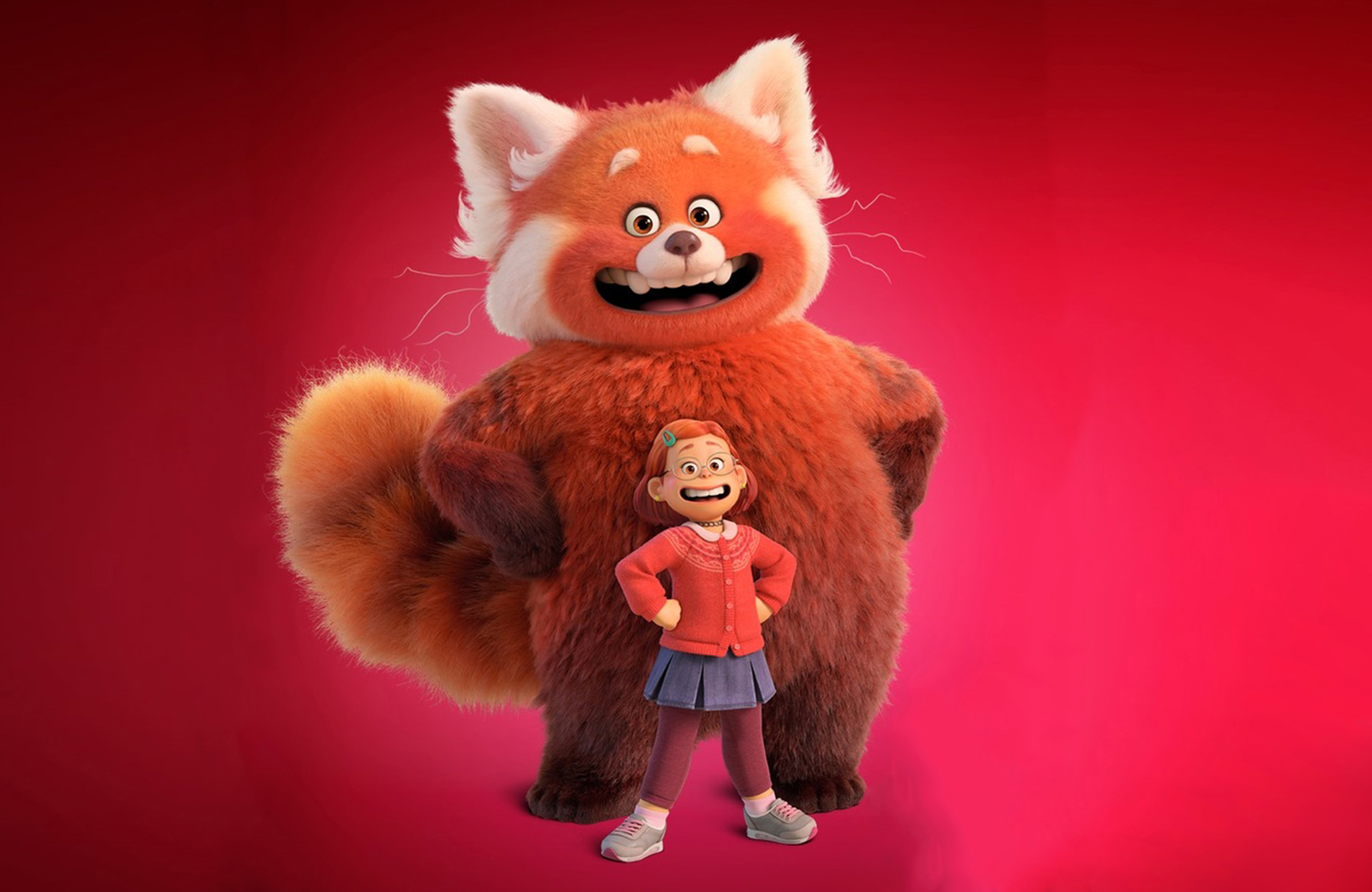
Pixar has long been not just a studio name, but a brand that never disappoints. In March of this year, their new film 'Turning Red' was released, clearly vying for the role of the number one guide for parents on how not to behave with children.
The new Pixar project by screenwriter and director Domee Shi can be called an interesting trend in the world of animated teen comedies in recent years. 'Turning Red' is the story of thirteen-year-old schoolgirl Meilin Lee, a girl from Canada with Chinese roots. Her family instilled in her perfectionism and deep respect for national traditions, while her school friends gave her a love of pop music and an interest in boys. Every day of her life is scheduled down to the minute thanks to the care of her overprotective mother. And it seems that the active and cheerful Meilin handles everything perfectly. But the mutual understanding in the Lee family instantly evaporates when, due to an unexpected surge of emotions, Meilin turns into a giant red panda.
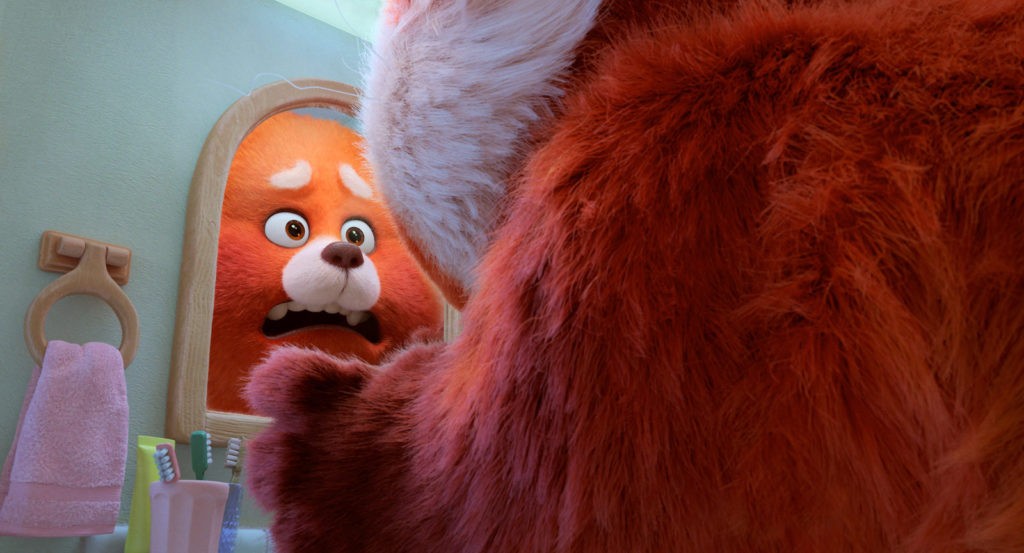
The animation 'Turning Red' raises important questions about personality formation, finding oneself, and one's place. This is one of the main themes of many Pixar films, such as 'Toy Story', 'Inside Out', or 'Brave'. The new story about turning into a red panda is another vivid fairy tale about the struggle with the fear of growing up and a conversation about the relationship between children and adults.

But this animation also raises adult and controversial questions that are not often discussed with young viewers. Using the Lee family as an example, it explores not only the possibilities but also the problems of globalization and mass migration of populations in the 21st century. These processes lead to the interpenetration of different cultures, and the problem of self-identification in the modern world is becoming increasingly acute. Can the traditions of the West and the East coexist without being devalued? The heroine faces a dilemma: how to understand and hear herself when every day she has to adapt to the realities of the Western world, and in the evenings honor the traditions of the Eastern one?
'Turning Red' is a multi-genre attraction that throws both children and adults high on its twists and turns. Gradually, the teen comedy increasingly turns into a drama, where the choice of a thirteen-year-old girl will essentially predetermine her future life. The heroine finds herself in a situation where her entire family for generations has not accepted their true essence. And Meilin turned out to be the first to break this vicious circle, not running away from her inner panda.

Even the pro-feminist theme brought to the forefront — the conflict between daughter and mother — feels important and necessary; without it, it would be a different story. The director has an honest conversation with us about how difficult it is to be a teenage girl. And it's quite sincere and caring, despite the obvious reference to the topic of puberty and sexual maturation (the red panda is a clear metaphor here). The goal of the film is to show that all this is normal and that children can and should be talked to about it to avoid future complexes. Domee Shi herself admitted that 'Turning Red' is a story about the relationship of a growing child with their body, with their mother, and an analysis of intergenerational trauma.
The modern world of the 21st century is an example of how the social dominates the individual, sometimes displacing it. When your personal feelings lose value under the pressure of the collective. But you must always remember who you are and what ideals you adhere to, otherwise you will have to tame your inner panda like in the cartoon 'Turning Red'.
Comments
0No comments yet.
Sign in to join the discussion.