
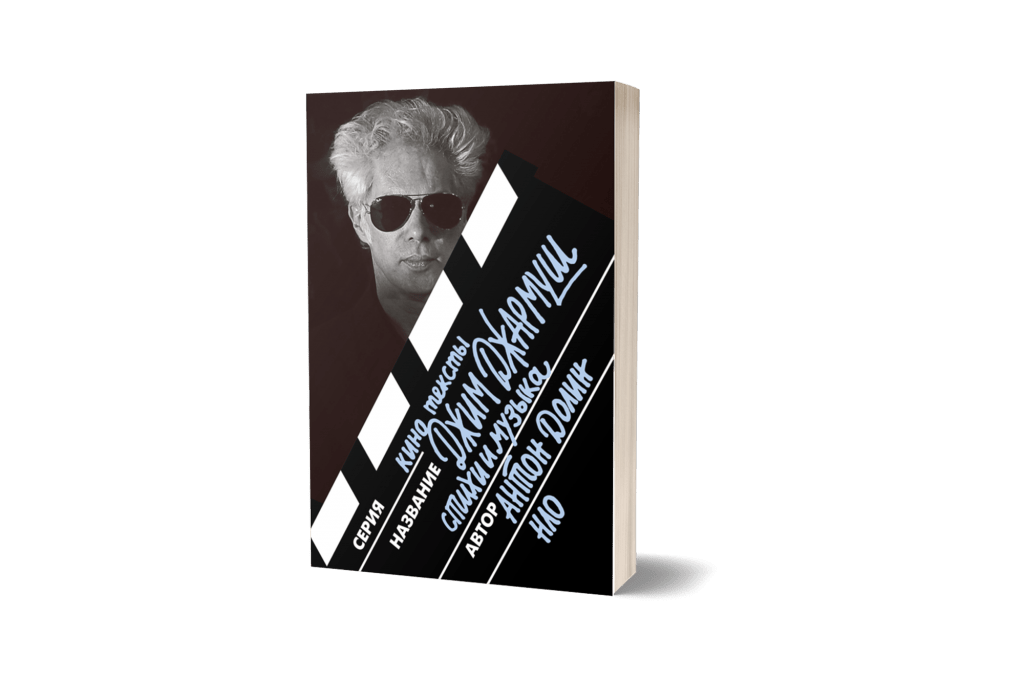
The author of 'Dead Man' and the cult anthology 'Coffee and Cigarettes', Jim Jarmusch, is rarely a subject of discussion. But Russian film critic Anton Dolin decided to rectify this misunderstanding by dedicating an entire book to the work of the Ame...
Not much is known about the main 'foreigner' in American cinema: he went gray at an early age, conquered Cannes with his debut, plays in a rock band, writes poetry, and has been friends with musicians all his life. But the main thing about him is said by his films, which mostly have no beginning or end. Because the journey is far more important to him than the final destination.
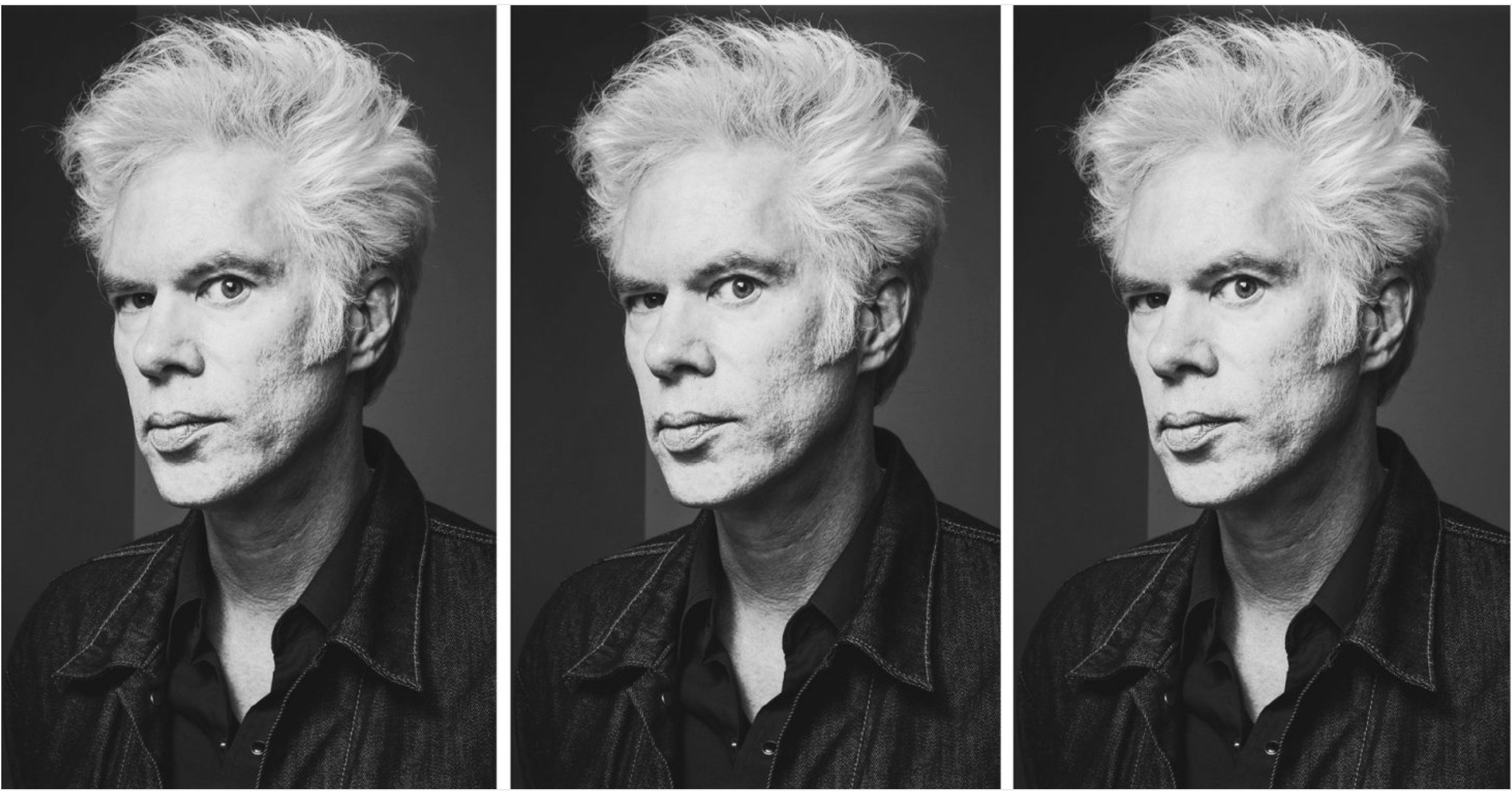
Jim Jarmusch turns 68! Remembering why we love this outstanding and unlike any other American director.
Open materialThe author of the book 'Jim Jarmusch. Poetry and Music', Russian publicist and film critic Anton Dolin, takes roughly the same approach. In it, he bets on reverse chronology (by analogy with how the average viewer gets acquainted with the work of most filmmakers). And he intersperses reviews of the films with original poems (professional poets were invited for this purpose), written in the spirit of Jarmusch's cinema, and musical essays by genre specialists. It is no coincidence that so much time is devoted to music and poetry, as they are fundamental elements of the American's films.
More than just a collection of reviews
The film reviews in this book turned out to be more informative than critical. For the uninitiated reader (and viewer, accordingly), they will delight with explanations of references and Easter eggs, and the presence of interesting facts. For example, you can find out why 'Paterson' is actually called that. Or who served as the source of inspiration for the film 'Permanent Vacation'. Spoiler: not the author himself, as is commonly believed.
It is also interesting to read how Dolin traces common features between the films. Such intersections do exist, and in large numbers. And it doesn't matter whether the film is about vampires, zombies, or silent hitmen.

The heroes of this book are loners and outcasts, musicians and writers, wanderers and taxi drivers, the dead and the immortal. These are all Jarmusch's characters, whom he brings out of their usual shadows and makes the main protagonists in his works. He gives them a voice. He allows viewers to recognize themselves in these outcasts.
In the book, Anton Dolin explains and interprets many aspects of the American's work that might otherwise remain unclear. After all, the works of the American director require a high degree of erudition (sometimes unattainable). After reading the book, the picture will become more complete. Although you can enjoy the films without delving into all the nuances.
What else besides reviews?
Logically, the main part of the book 'Jim Jarmusch. Poetry and Music' consists of reviews of the director's films. But to make the work more substantial and engaging, Anton Dolin added several interviews he conducted with the filmmaker. And perhaps this section turned out to be the most interesting. When the conversation turns to the director himself, his portrait becomes more complete, you learn additional information about the films, and about his relationships with actors. For instance, in one of the answers, the American names the person he would appoint as President of the Universe (if you've seen Jim's recent works, you'll probably guess who he's talking about).
The essays by music film critics turned out to be no less intriguing. They analyze the influence on music of such personalities as Iggy Pop, Tom Waits, and RZA, who have appeared more than once in Jarmusch's films, and sometimes participated in creating soundtracks for them.
But the poems are an acquired taste. Their metaphorical content and loose structure are quite pronounced. It is clear that this is the intention, because it is impossible to achieve attunement with the work of the book's main character in any other way. And the gray-haired genius himself would probably have liked this approach. But, subjectively, the poems could have been stronger.
To summarize everything written, I would recommend this book not only to fans of the poet and artist of independent cinema, but also to those who would like to see an alternative approach to cinema and life in general. There are indeed valuable thoughts and examples of destinies that might make someone reconsider their values.
Comments
0No comments yet.
Sign in to join the discussion.