
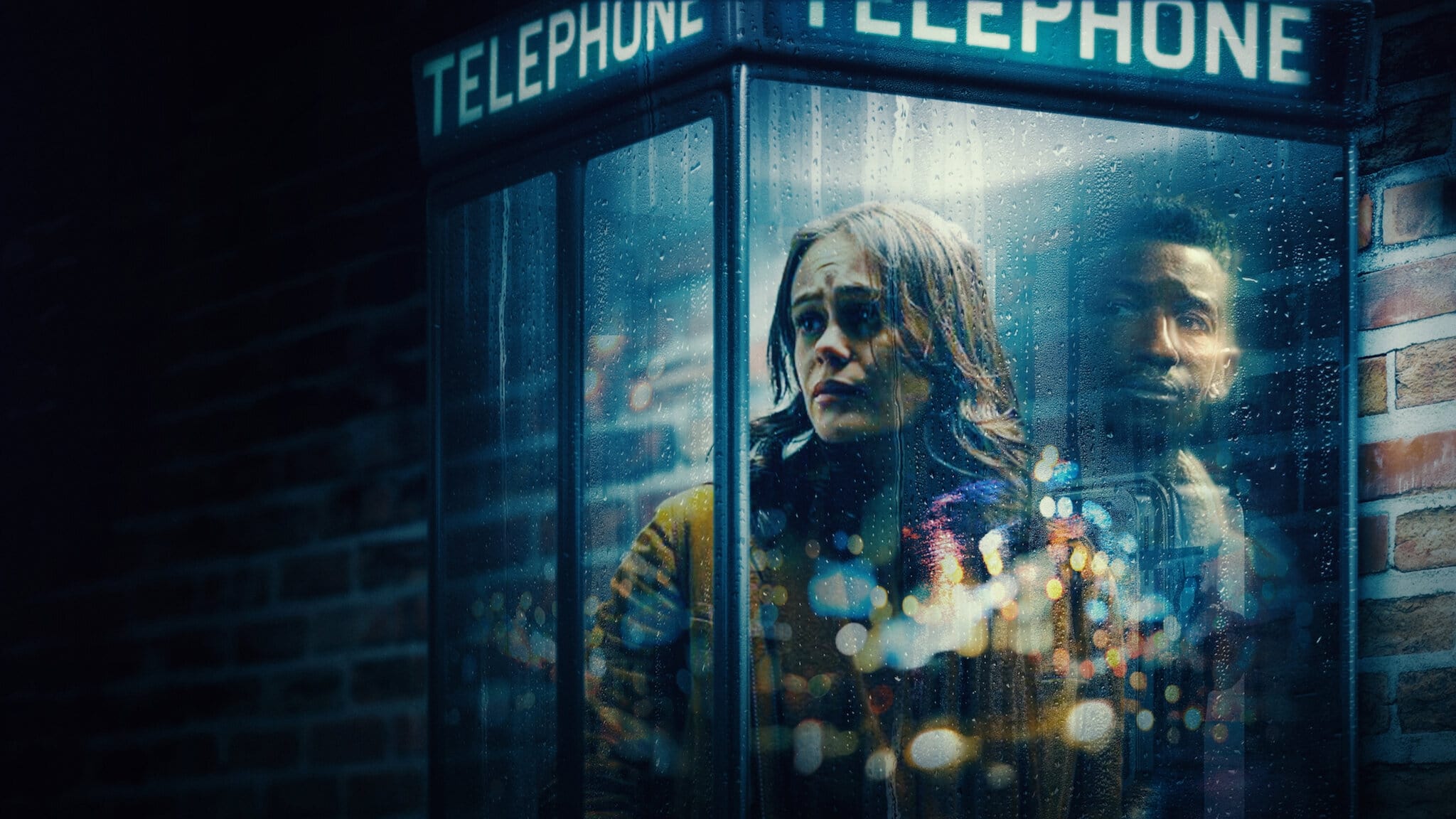
On January 14, Netflix released a series adaptation of the podcast 'Archive 81', produced by the most famous horror maker of our time, James Wan. Another incredibly interesting idea in the hands of one of the leading streaming services, but will thos...
It seems that everything is subject to adaptation these days: books, comics, biographies of famous personalities, catastrophic events, horrific murders, heartwarming stories of love and friendship, and now even podcasts. The popularity of the audio format has been skyrocketing lately, which means it deserves the attention of the target audience. Guided by this logic, streaming services vying for viewers' precious time (and money) are buying up the rights to create content based on fiction podcasts.
Netflix's new original series titled Archive 81 is precisely such an adaptation. Some of the biggest names in the horror genre were responsible for bringing this audio work to the screen. James Wan served as executive producer, the writing team includes Paul Harris Boardman ("Deliver Us from Evil"), and several episodes were directed by Rebecca Thomas ("Stranger Things"). The result is quite interesting, a bit eerie, but somehow very Netflix-like.
What's the Plot?
Dan Turner (Mamoudou Athie) is a professional at his craft. The guy restores and brings damaged video and audio tapes back to life. A childhood hobby that became a real way to make a living. As an eight-year-old child, Danny lost his entire family in a terrible fire. All that remained of his psychotherapist father (Charlie Hudson III) was a birthday tape (which the boy himself smashed in anger) with congratulations and his favorite old movies.
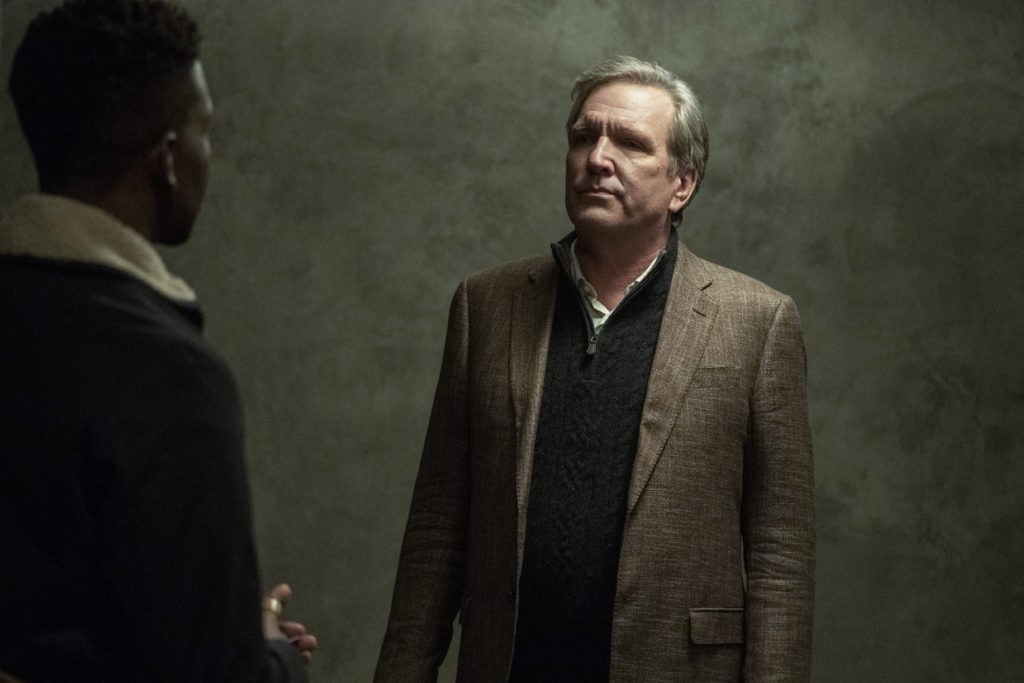
One day, Virgil Davenport (Martin Donovan), the owner of the very secretive but very influential and wealthy company LMG, offers Dan a job for a whopping one hundred thousand dollars. All he needs to do is restore and digitize VHS tapes damaged in a fire. At first, the guy refuses, but his gut tells him the tapes are connected to his parents' death, so they might give Turner the answers he needs. However, this reward comes with a set of conditions. The archive of materials is located (oh, Lord, how unexpected!) in the middle of nowhere and cannot be moved. There's no connection, no internet, the landline is tapped, and surveillance cameras are everywhere. Circumstances, of course, are completely atypical for horror stories.
During his work, the guy literally gets to know, through the screen, a documentary student Melody Pendras (Dina Shihabi), who was investigating the Visser apartments, which burned down under unknown circumstances. In 1994, the girl interviewed the residents of the apartment building for her dissertation (or were there other reasons?) and encountered the strangeness that reigned within the walls of the old building. However, unusual things happen not only in the Visser. The mysteries and events in the series twist and become more detailed, and the boundaries between 1994 and 2019 blur. What is this? The consequences of isolation outside the city and excessive immersion in working with the tapes, or do mysticism, demonic entities, and other worlds really exist?
Video Recordings Don't Burn
"Archive 81" screams its love for cinema in almost every frame. Over 8 episodes, the name Andrei Tarkovsky is mentioned at least three times, and the main character even manages to watch "Solaris" (though, of course, this wasn't done for no reason, as it's easy to draw a plot parallel). Besides the name of the Russian director, the series mentions other representatives of cinematic art, video tapes appear in the frame, posters flash by (there's even a poster for the "Brooklyn Film Festival"), and Turner wears a t-shirt with a print of Fritz Lang's "Ministry of Fear".
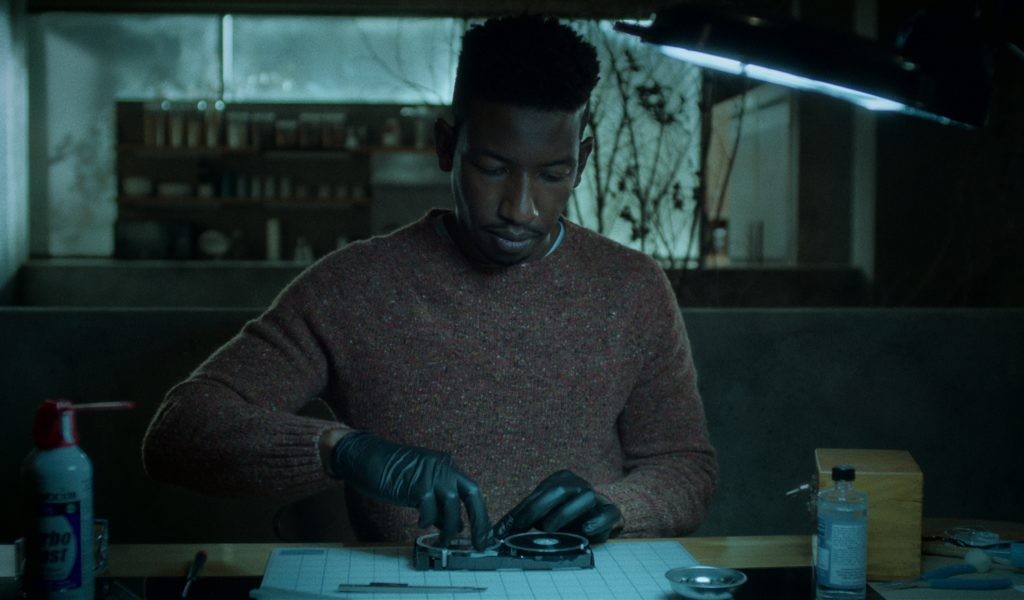
And Dan's very passion for tape restoration can already be considered a declaration of love. With what meditative quality and delight the camera captures the process of restoring and working on the burnt tapes. How beautifully and carefully the young professional threads the tape and disassembles the VCR. With what reverence he picks up and examines the damaged camera; you could enjoy these shots endlessly in the series. A true aesthetic pleasure for a viewer who loves cinema.
"Archive 81" shows the imperishability of any work (isn't it a sign that the easily flammable tapes miraculously survived a terrible fire?). A project filmed by a person can serve as an answer to pressing questions or hold the creator's dark secrets, become the most precious memories of loved ones, or gather dust on a warehouse shelf for years without need. The camera doesn't choose what it will film, but the tape will always preserve the recorded footage.
Started Off Strong
From the very first episode, "Archive 81" hooks the viewer. The series is interesting to watch, and as soon as the end credits roll, you can't wait to start the next episode. There will be people who say: "Series are supposed to be like that. They have to hold the target audience's attention for an entire season, and often longer. What's there to be happy about?" But many don't always manage to maintain viewer interest over a long distance, so such an achievement is worthy of respect.
Netflix is incredibly helped in this regard by its policy of releasing an entire season at once. Even if the series isn't super interesting and wouldn't pass the test of a multi-week marathon, it doesn't fear being abandoned after a month of watching. There's a high probability that the season will be watched to the end.
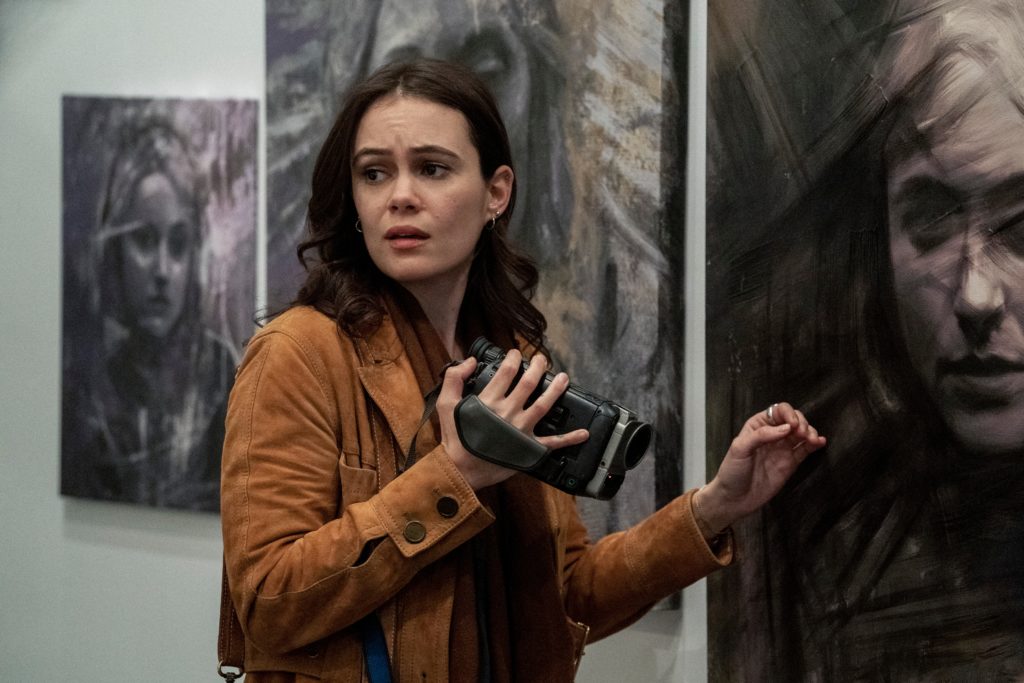
The blend of horror, detective story, science fiction, thriller, and retro film looks excellent on screen. Gradually, the rather unconventional plot in the spirit of found footage with all the horror clichés listed above turns into a real mysterious sci-fi detective story, drawing the viewer in, and by the end, even into a melodrama. With each processed tape, new pieces of the puzzle are revealed, the story becomes layered with secondary storylines that are supposed to converge at a single point at a certain moment. The creators handle the suspense extremely skillfully, and juggling genres comes surprisingly easily to the series.
"Archive 81" is masterfully made. The absence of star names in the cast (except, perhaps, Donovan) doesn't prevent the series from being interesting. The young actors play their roles well, but the technical component of the project stands out pleasantly from the overall picture. The series is, after all, an adaptation of a podcast, so special attention was paid to the sound work. The viewer often feels uncomfortable precisely because of the speakers.
Unlike horrors where suspense builds through music, the creators of "Archive" replace it with scraping sounds, unpleasant occult prayers, video tape static, white noise mixed with external irritants, and many other sounds uncomfortable for the ears. It's almost impossible to guess whether a jump scare awaits us in the next frame or if it will stop. The viewer is constantly tense, expecting the familiar "scare" pattern, but the series is smarter than such moves, which is why it's scary for almost all 8 episodes, because the unknown always frightens more than something familiar.
Ended on a Sour Note
There are more than enough positive aspects for watching. For example, the authentic retro-style shots. Before each opening title, the viewer watches the episode's opening as if from old tapes. In the first episode, it's a fragment of Melody's recording; in the third, a trailer for a film about Satan and an interview with critics; and in the fifth, news. Or the real gem of the project, the character of Matt McGorry – Mark Higgins, Dan's friend and host of his own podcast "Mysterious Signals." An excellent character with a worthy motivation, acting as a kind of explainer of what's happening on screen. Without him, the series would definitely have been worse.
By the way, yes. In the adaptation of a fiction horror podcast, there is a podcast about mysticism. But what's even funnier, at one point viewers might catch themselves on an even more complex chain. Think about it: we watch as the employer monitors Dan through cameras, who in turn watches Melody's tapes, where a girl is shown a lost cursed tape on a projector. Has anyone called ?
The editorial team of the 'After the Credits' project decided to compile our own top 10 Christopher Nolan films, ranking them from worst to best.
Open material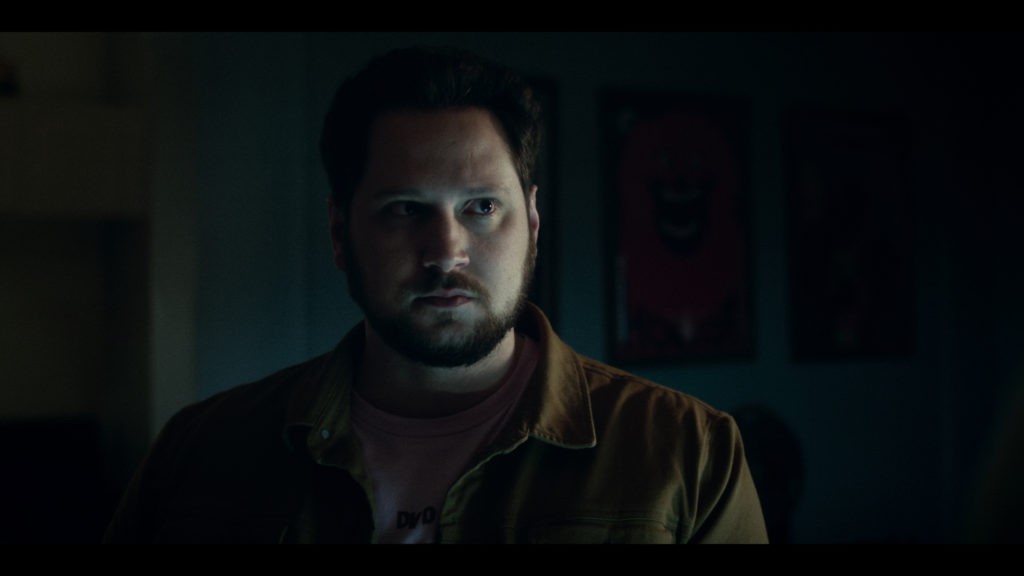
Unfortunately, towards the finale, "Archive 81" weakens. Firstly, Netflix cobbled together a whole explanation episode that turned out to be completely unnecessary. Instead of 45 minutes of runtime, a bunch of new characters and storylines, they could have told viewers everything in 15 minutes through dialogue. Why introduce a third timeline into the series and cut off the plot threads that had accompanied us almost from the beginning, pretending they never existed? Secondly, the finale itself raises many questions. The logic of the characters' actions is unclear, the main character's motivation also leaves much to be desired, and the ending screams that the story isn't over and the streaming service is hoping for a continuation.
Well, since "Archive 81" didn't become a mini-series, we'll have to wait and hope that in the second season Netflix squeezes the maximum potential out of the idea and also brings answers and a new dose of viewer interest to the plot. At the moment, the series looks worthy of watching, but it's unlikely that the new retro-styled horror will be listed among the hits.
What's the Verdict?
An extra episode, a muddled ending without any clear explanations of the invented intra-series laws, and an obvious setup for a continuation leave a mark on the incredibly stunning impressions from the first episodes. "Archive 81" would have looked magnificent as a completed story. Unfortunately, Netflix doesn't favor such an outcome, but the first season is worth watching.
A great idea, the sound work, and excellent suspense that doesn't leave the viewer for almost all eight episodes won't allow anyone to say the project is bad, but at the same time, "Archive 81" serves as the most vivid example of why you shouldn't write reviews of a series/season based on the first episodes, as the ending can significantly affect the impression of the entire season, or even the series.
Comments
0No comments yet.
Sign in to join the discussion.