

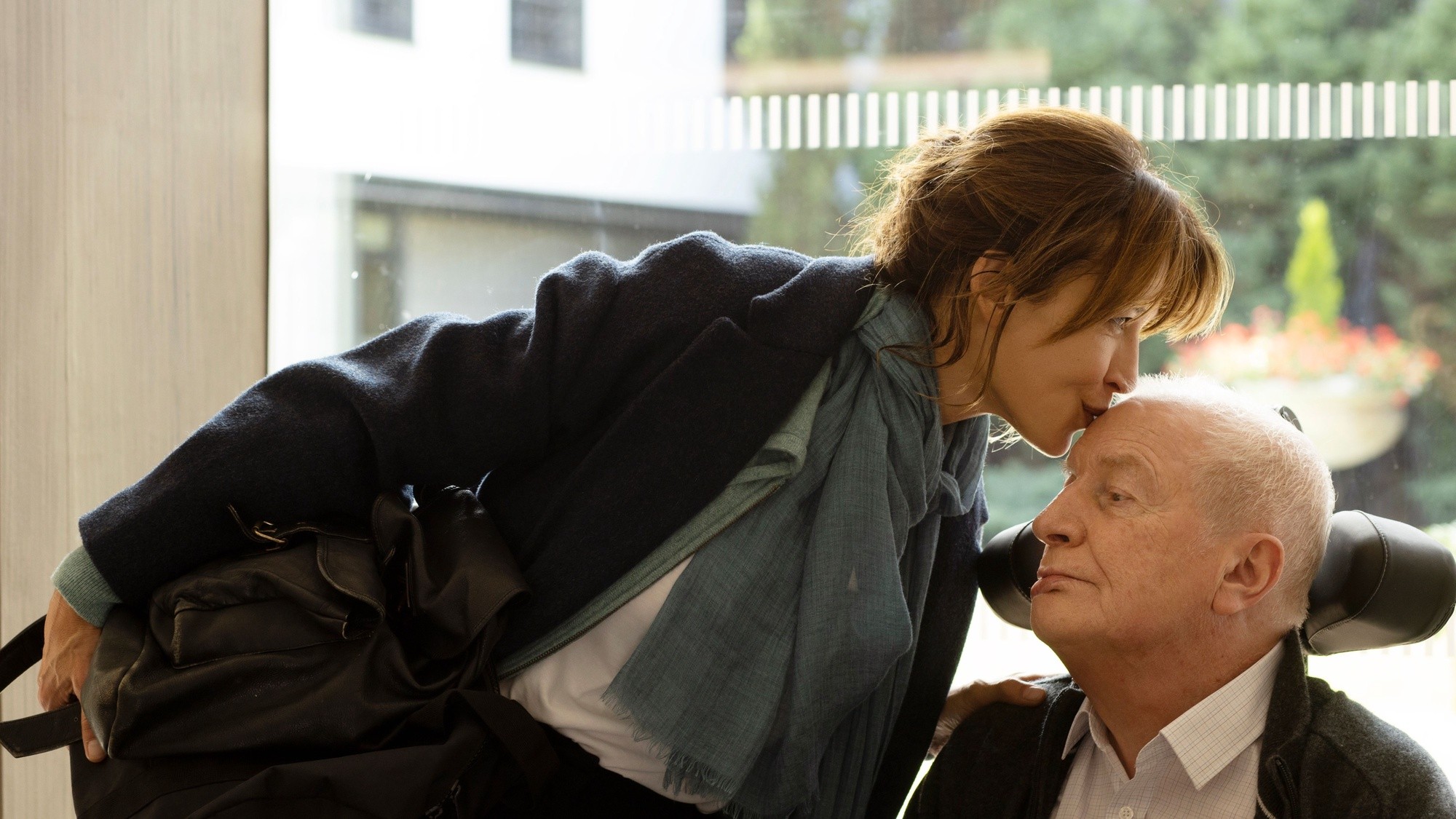
François Ozon in the film ‘Everything Went Fine’ reflects on the inevitability of death, the vagaries of love that sometimes defies all logic, and the contradictions of euthanasia.
On January 20, A-One releases in Russian theaters ‘Everything Went Fine’, a new and very personal film by the French master François Ozon. The project is based on a book by his friend and colleague Emmanuèle Bernheim, who passed away several years ago, about the euthanasia of her father, the famous collector André Bernheim. The French director tried to adapt this story with all due delicacy, intimacy, and respect.
Ending It
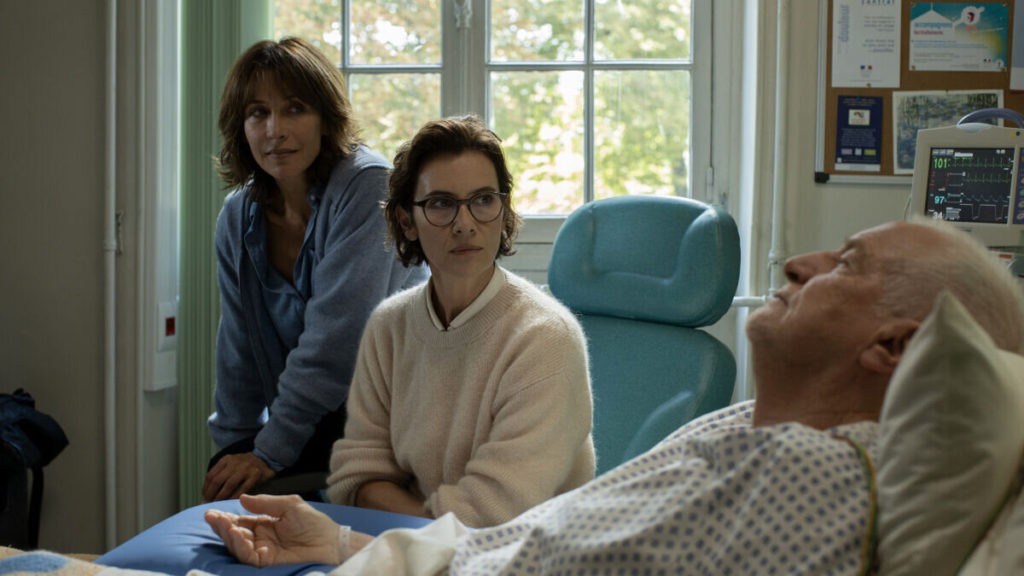
The habitual routine of two French sisters—writer Emmanuèle (Sophie Marceau) and musician Pascale (Géraldine Pailhas)—is thrown off when their father (André Dussollier) suffers a stroke. Partially paralyzed, the man requires a great deal of care and attention. Despite past disagreements with their father, the daughters are ready to provide it. But when he asks for euthanasia, they face the hardest choice of their lives.
François Ozon, who for several years now has shifted his career from shocking films full of not only outrageousness but also dark humor to more domestic and everyday cinema, seems to have found a balance between texture and content in his third film in this new guise, without drawing all attention to external refinements.
He speaks easily, deftly, and without embarrassment about complex topics, leaving room for actors to showcase their own intonations. This is wonderfully used by Sophie Marceau, perhaps the only one among the pantheon of French film divas with whom Ozon had not yet worked, and André Dussollier, who remarkably delved into the character of his role, and Charlotte Rampling, appearing in just a couple of scenes as André's wife but as always brilliantly stealing those episodes from the main characters.

Restrained Optimism
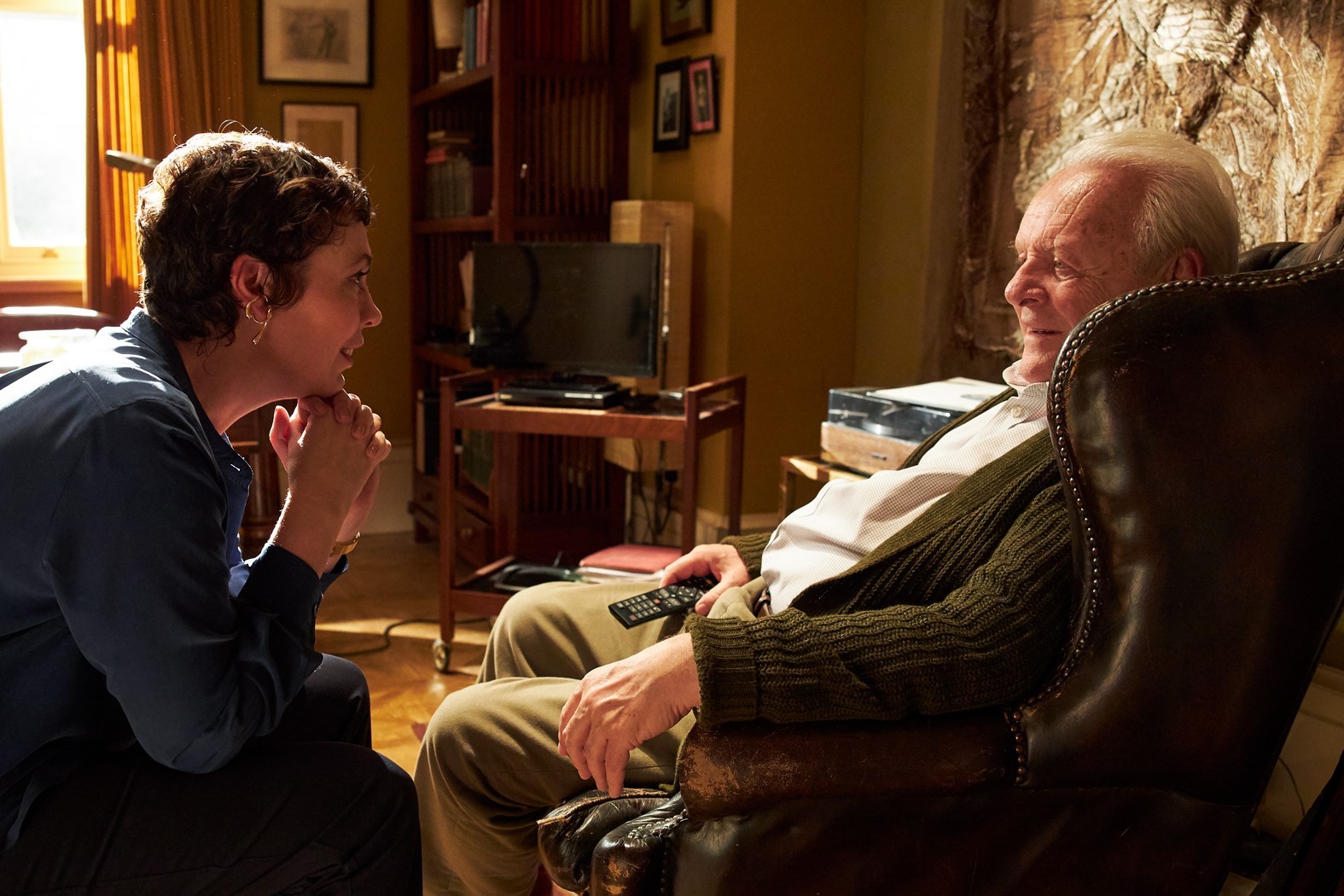
In the film ‘Everything Went Fine’, they don’t discover a new continent—we all die. This process can be frightening, painful, unpredictable, devoid of beauty and gloss. But we shape our attitude toward death ourselves. And André, bedridden and forced to endure humiliating bathing procedures, does not lose his love for life even in the face of death. Moreover, he wants to leave life beautifully (necessarily to Brahms' sonatas) largely because he loves it. He cannot imagine an incomplete existence—without travel, attending his grandson's concerts, and everything that gives meaning to his life.
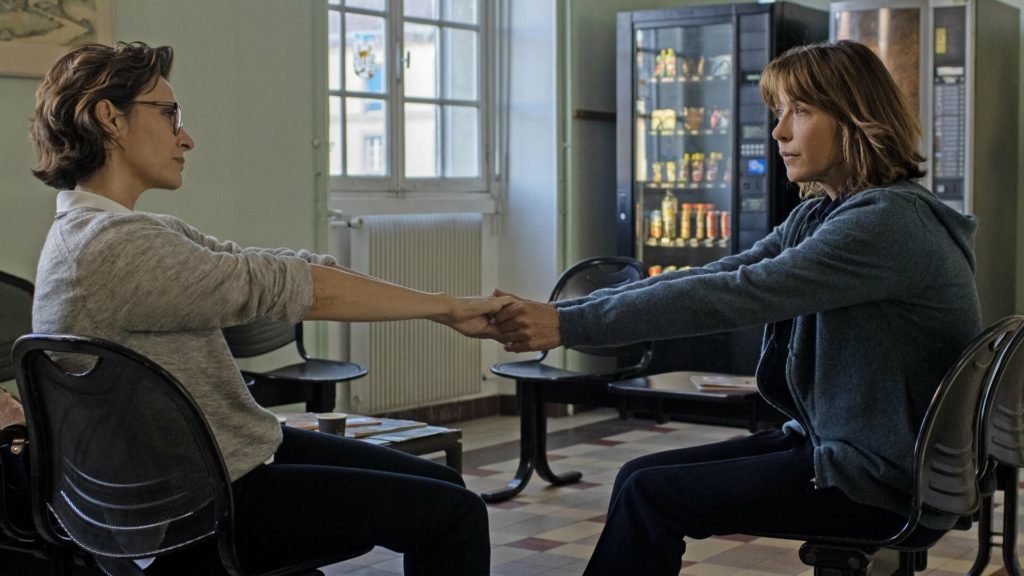
This restrained optimism is evident throughout the film ‘Everything Went Fine’. It is especially revealed in André’s rare but precisely aimed jokes and the gradually changing attitude toward death of Sophie Marceau’s character, who acts as a kind of suicide producer. This approach to the story, this mood, helps to more easily perceive the rather heavy material (especially for those who have encountered a similar situation).
As for euthanasia itself, the key theme, Ozon does not make any moralizing conclusions. There is no explicit condemnation or glorification of this phenomenon, which is illegal in France. For him, euthanasia in this story is rather a catalyst for the manifestation of love. Including the illogical love of a daughter for a father she once wanted to kill, considering him an unbearable tyrant.
Is ‘Everything Went Fine’ Worth Watching?
‘Everything Went Fine’ is not the kind of film you’d recommend casually, but it can become critically important in shaping one’s own attitude toward issues of death and especially life. This is purely an actor-driven film, built on the precise interaction of characters who don’t even need loud words or intricate dialogues to express feelings and experiences. This is a film that needs to be seen and experienced to some extent to better know oneself and prepare for the inevitable.
In theaters from January 20.
Trailer:
Comments
0No comments yet.
Sign in to join the discussion.