

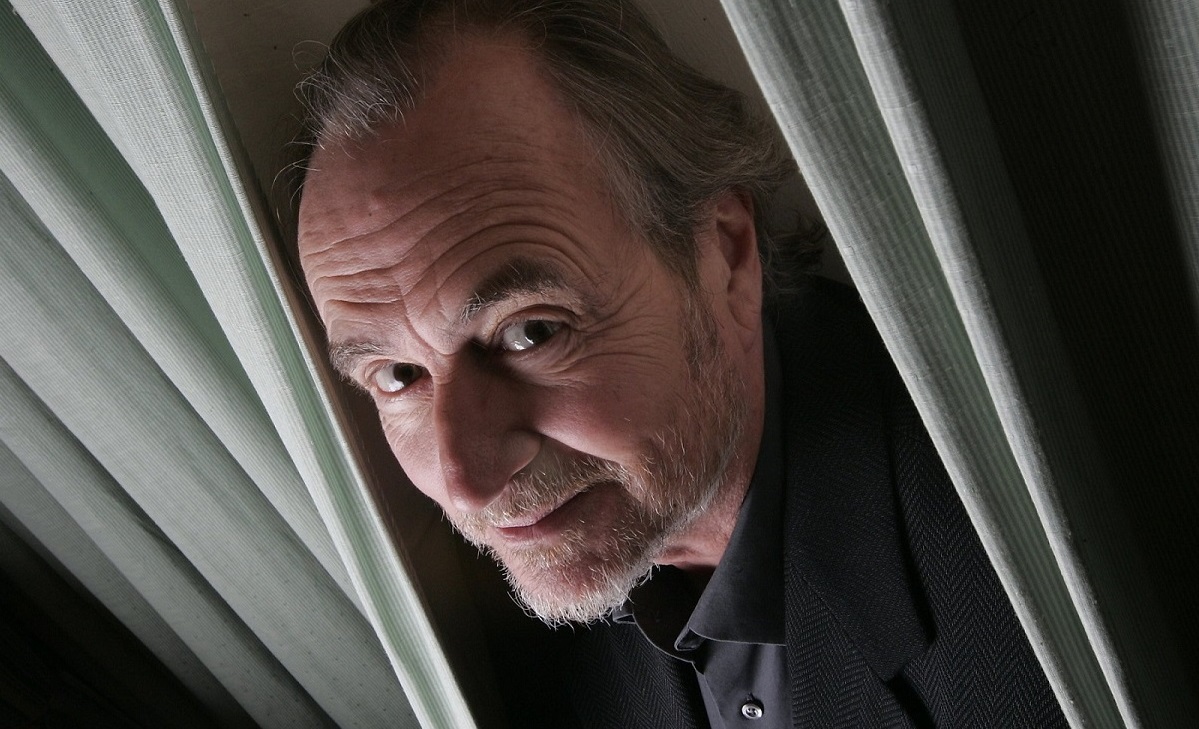
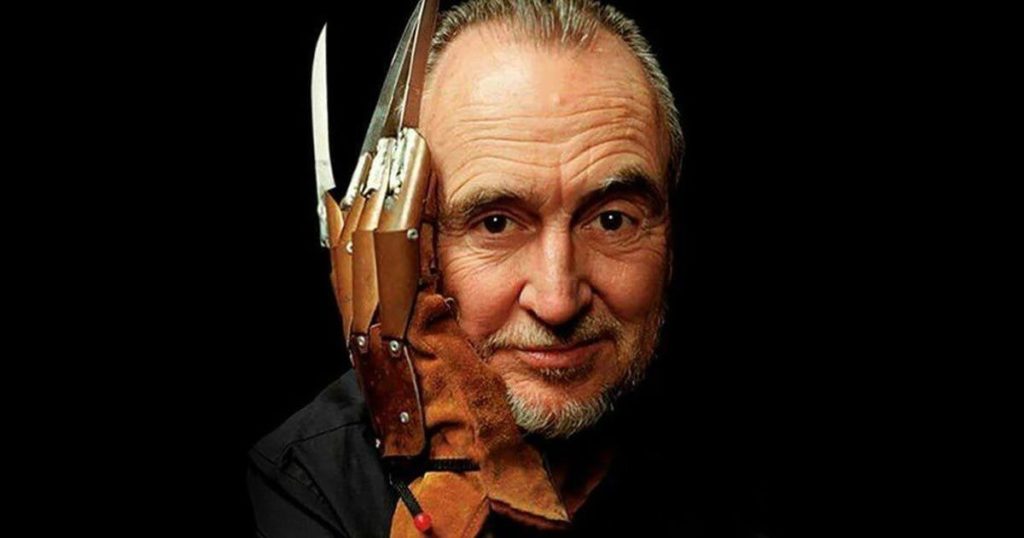
Evil has never felt so close, nor horror films so smart. And all thanks to the master of horror, Wes Craven, who revolutionized the genre three times. We remember exactly why he earned his place in the hall of cinematic fame.
From a strict religious family to becoming one of the cult directors working in the most brutal and aggressive genre — that's the life story of Wes Craven in a nutshell. His father died early, and the future master of horror films was mostly raised by his mother, a devout Baptist who only allowed her son to watch Disney animation, and even then, only occasionally. Young Craven had no idea what a movie theater even was.
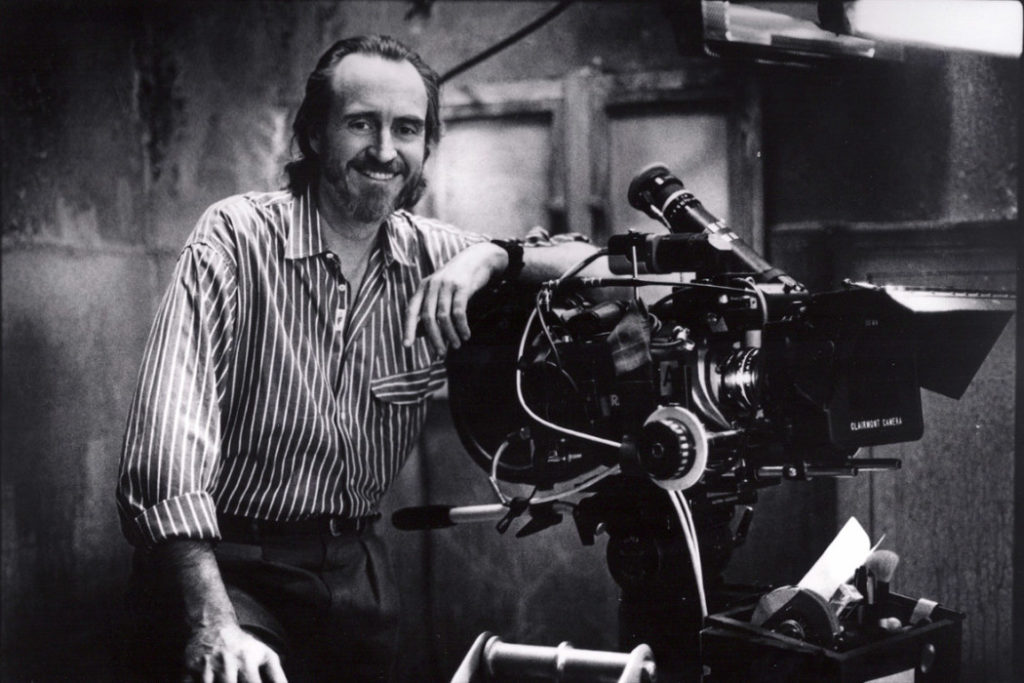
He graduated from Wheaton College, a Christian college, with a degree in English Literature, where alcohol, tobacco, and even dancing and movies — an integral part of the average American student's life — were forbidden. The world of restrictions increasingly dissatisfied Wes, so after graduating, he headed to Baltimore, where a new life awaited him. He managed to become an assistant to the poet Elliott Coleman at Johns Hopkins University — the young man wasn't shy about writing him a letter, which unexpectedly led to a job offer. Near Wes's rented apartment was a movie theater that often showed arthouse films. That's where his lifelong love for cinema began.
Wes Craven earned degrees as a writer and psychologist, working for a time as a taxi driver and a messenger. After meeting Sean S. Cunningham, he even participated in filming several pornographic films, the titles of which remain a mystery to this day. And then came Craven's fame as one of the most renowned horror filmmakers of the late 20th century. Truly a rags-to-riches of darkness story.
Horror films don't instill fear in people. They release it.
Revolutions Named Craven
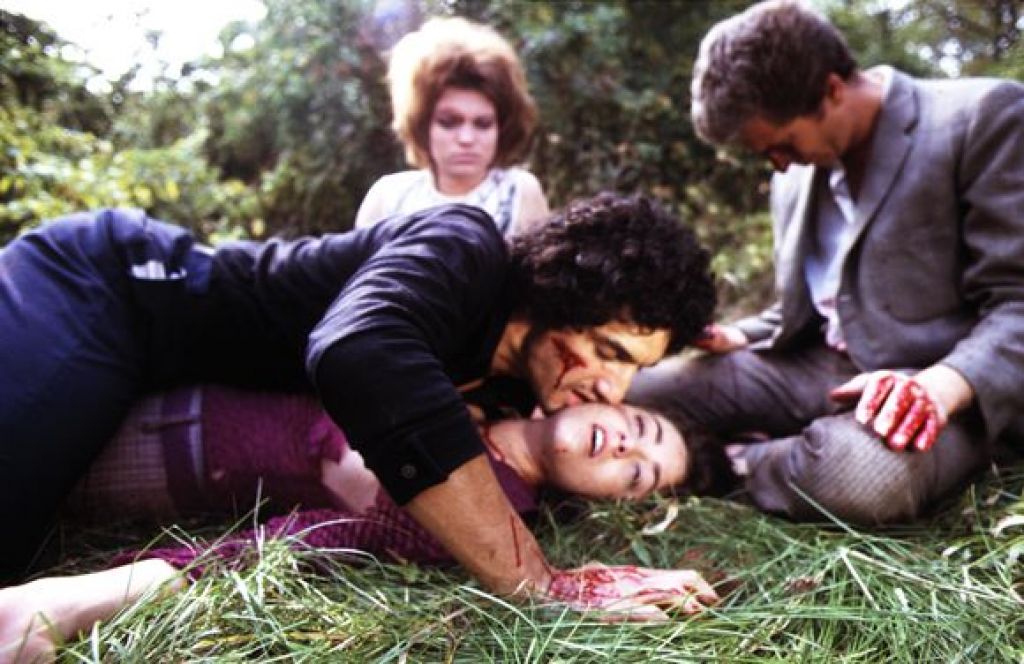
An educated connoisseur of philosophy, he perfectly understood the pain points of late 70s society — an era when all taboos in American society were crumbling. At that time, the main cinematic taboos in the US were sex and blood, so in his debut horror film 'The Last House on the Left' (1972), made with Cunningham's support, the fledgling director cranked these two elements to the maximum. With a budget of $90,000, the film earned over three million at the box office.
This horror film was the first in the style of moralistic horror; no one had previously attempted to combine two seemingly contradictory concepts. Notably, this grim story of parental revenge was initially supposed to be a porn film. However, during filming, the director decided to 'tone down' the sex scenes and focus on scenes of violence.
Everyone thinks I'm some scary old man who lives in a cave. I tried to make other films, not horror, but I couldn't make money on them.
Thus, Wes Craven reinvented the genre for the first time, breaking the most important rule — the viewer should be entertained. It was even rumored that many film critics couldn't sit through to the end due to the abundance of on-screen cruelty. The film became a kind of statement about American society, which was bursting with a thirst for violence following the events in Vietnam and the tragedy of Charles Manson's cult.
Both 'The Last House on the Left' and the subsequent 'The Hills Have Eyes' (1977) were based on folk tales: the former on a 13th-century Swedish ballad, and the latter on Scottish folklore. Thus, Wes Craven cemented his status as a man who proved that everything new is well-forgotten old.
The world almost lost the great cinematic genius in 1981 with the release of the failed DC Comics adaptation 'Swamp Thing'. Interestingly, this didn't stop the studio from making sequels. Wes Craven, of course, had no part in them. A lifeline was thrown to the director by the nearly bankrupt company New Line Cinema. The 80s were the heyday of slashers in the US, so everyone wanted their piece of the celebratory cake, or at least a reprieve from bankruptcy, and Wes Craven gave them the desired gift, while also launching the career of Johnny Depp.
'A Nightmare on Elm Street' (1984) not only earned over $30 million at the box office but also continues to generate profit from royalties on merchandise and the regular use of the image of Freddy Krueger, who became a pop culture icon. Wes Craven came up with this story inspired by a newspaper article about Cambodian students who died from exhaustion, afraid to sleep due to nightmares. By the way, Freddy Krueger was the name of one of the bullies at Craven's school, and the killer's signature sweater came from the lighting technician's girlfriend: she gave him a scary red-and-green sweater.
Freddy Krueger? I don't feel like I gave birth to Jesus.
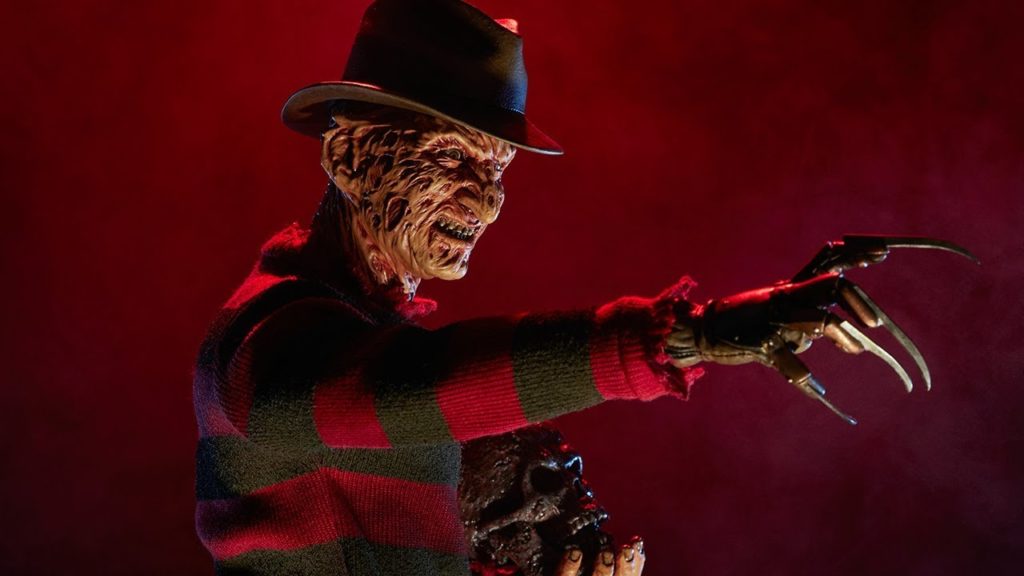
In 'Nightmare', Wes Craven moved the genre into an entirely different space — into dreams, where you can't get rid of or run away from the maniac, and there's no survival guide either. Thus, the horror master abolished all traditional rules of the game in horror films and made the main antagonist a witty, inventive, and talkative killer. Additionally, the slasher touches on the theme of the sinfulness of sex: this connotation arose due to the AIDS epidemic in the US in the 80s.
'Scream', Heard Loud and Clear
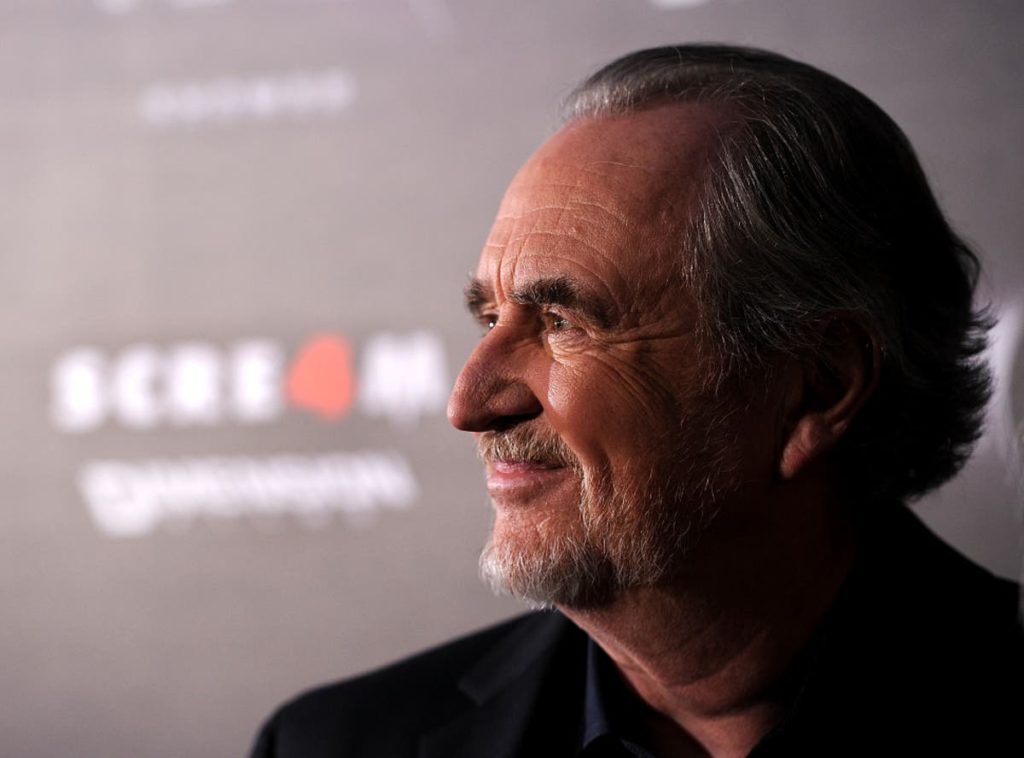
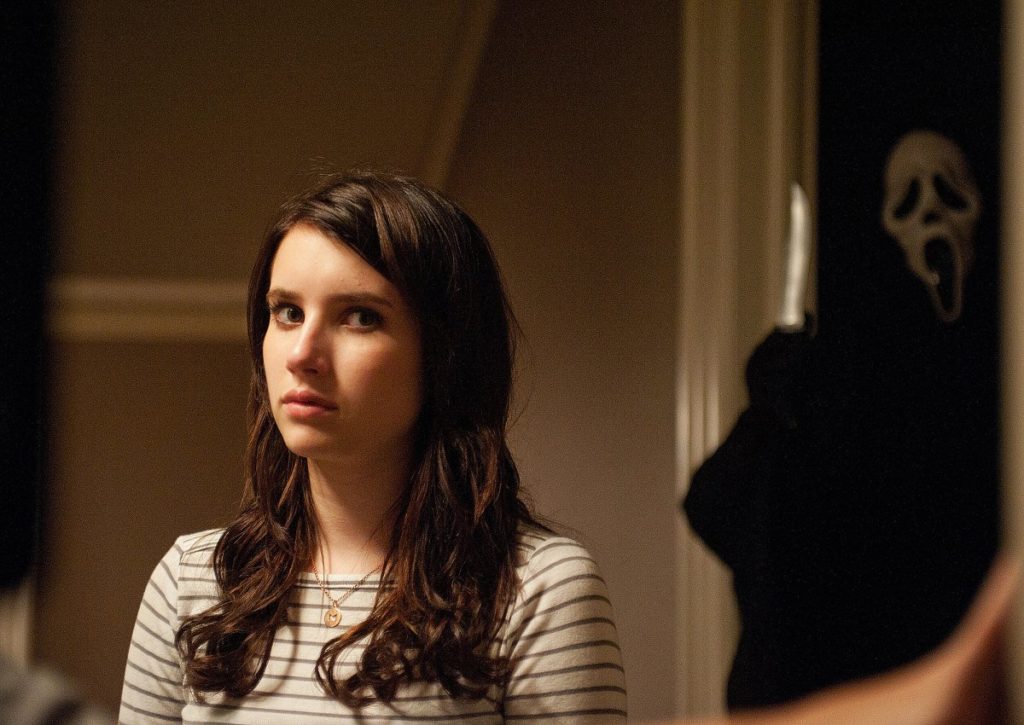
By the mid-90s, Wes Craven had already elevated the genre considered lowbrow. His hallmark was that he didn't use the idea of 'evil from without', which writer H.P. Lovecraft, and later many horror directors, loved. In Craven's work, darkness was always hidden in human nature or appeared in a supernatural form. The director developed this idea about the origins of evil in his sarcastic horror film 'Scream' (1996, 1997, 2000, 2011), which marked the beginning of the third revolution born from the hands of a cinematic genius.
It is a postmodern challenge to the entire horror genre, a metaphor for other shows, not life itself, which broke the traditional scheme of 'Film imitates life, life imitates film'. 'Scream' boldly abolished all the unwritten laws of horror films, directly and by name mocking slasher clichés, and foreshadowed an era of cinema that breaks the canons. It became the horror film that miraculously turned into a black comedy.
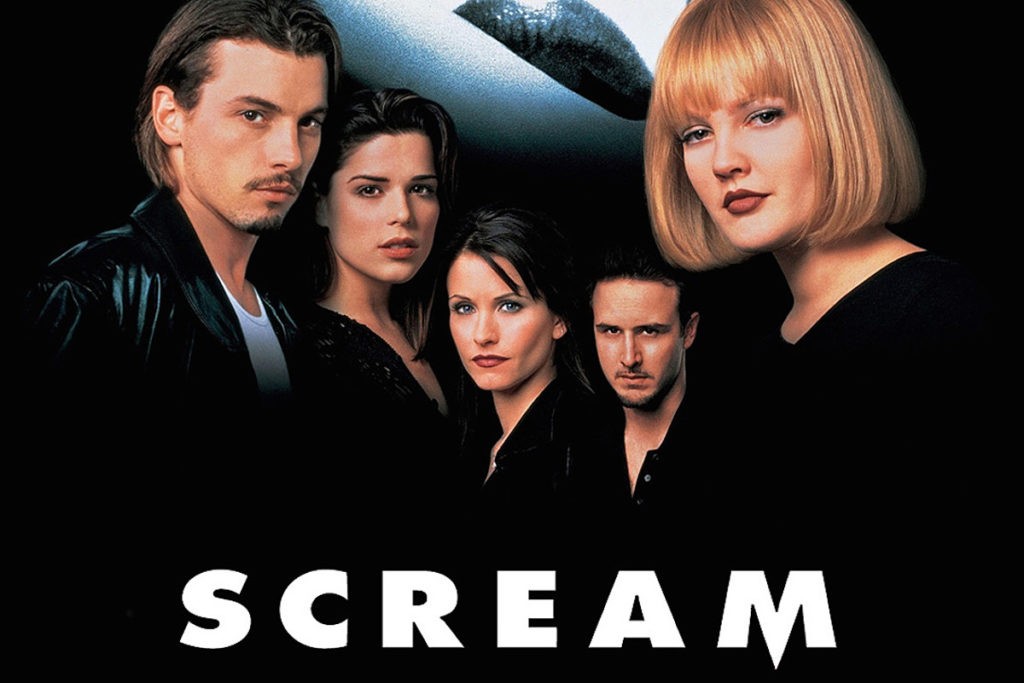
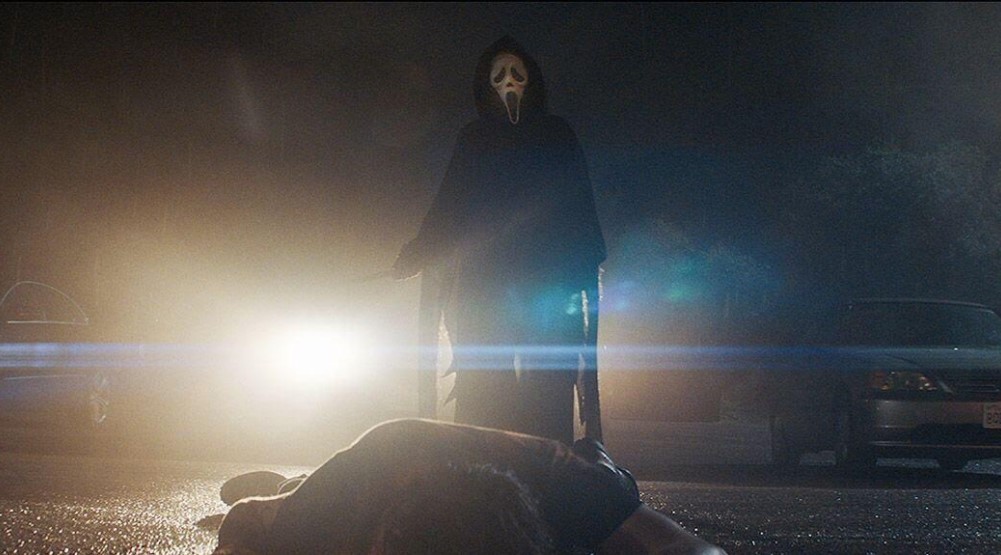
In 'Scream', Wes Craven shows that the villain can be anyone, even the most innocent. Evil becomes anonymous and ubiquitous, which is also a characteristic of US society at the turn of the century and the early 2000s. Therefore, the masked maniac character is a kind of symbol of the socialization of the right to control and violence. And the director makes this idea more absurd with each new installment. But if in the 90s and early 2000s, jokes about ubiquitous evil were ironic, now they seem more lifelike (speaking of Craven's feel for the era).
Each of us has our own curses, something we're uncomfortable with but have to live with. For example, I make horror films.
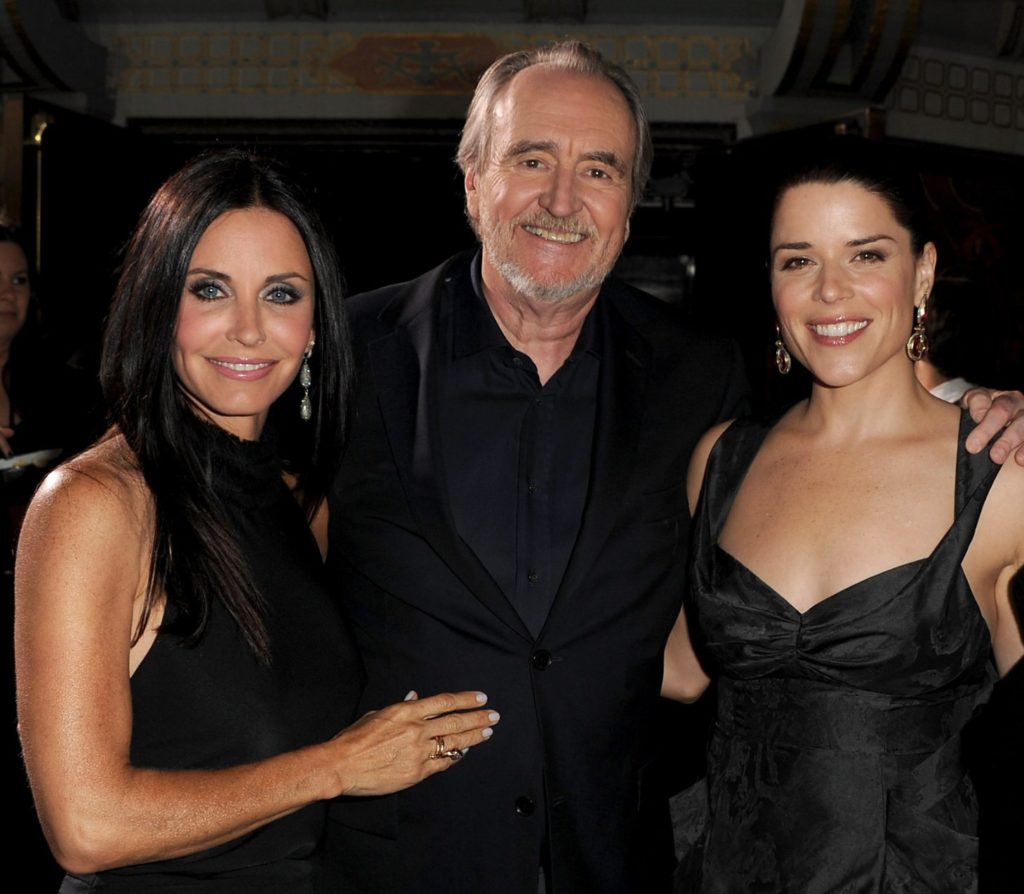
A separate achievement of Wes Craven and 'Scream' is the strong female characters in horror films, something that, at the time, perhaps only John Carpenter could boast of in 'Halloween'. The heroines Neve Campbell and Courteney Cox only increase their strength, perseverance, and will to live with each new installment.
Despite the abundance of violence and murders, the films about the maniac in the mask bought at a hardware store didn't inspire deadly terror. Perhaps this is because the viewer doesn't get a sense of the reality of what's happening. The people surrounding the characters seem not to believe they live next door to a maniac. Breaking the conventions of the horror genre, people out of curiosity run to where a corpse is found, scare each other by putting on masks, laugh when they should be afraid.
The entire world of 'Scream' is perceived as a fake, assembled from theatrical sets. This idea is more strongly revealed in the sequels: in the second part, the climax takes place on a stage, and in the third, the murders are literally on the set of the 'Scream' films themselves.
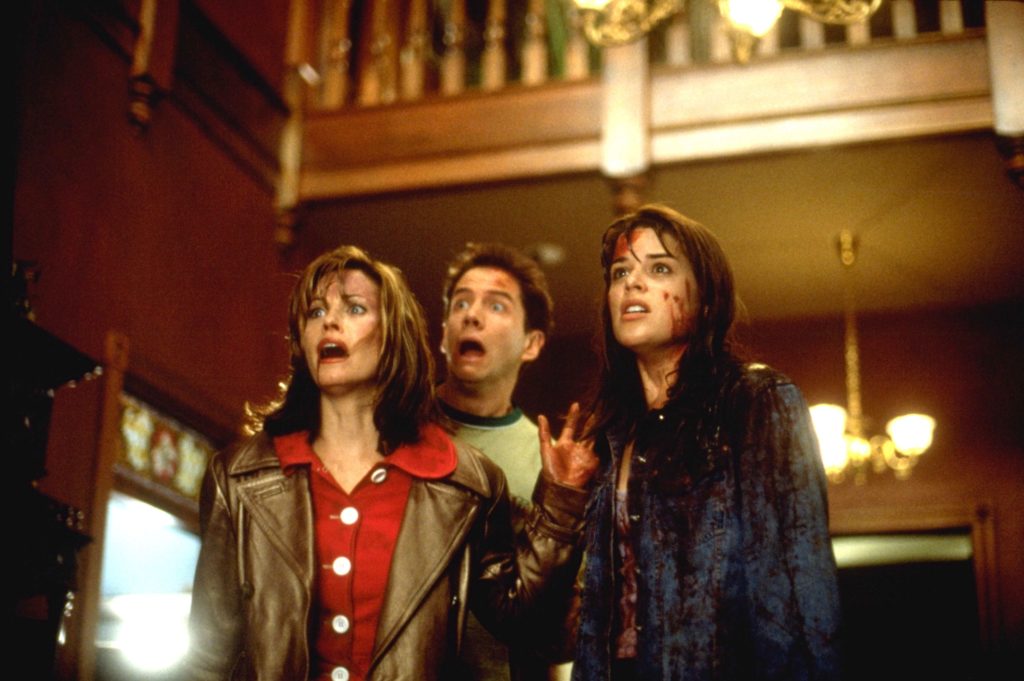
At the same time, all four parts — some better, some worse — show the interaction of horror films with reality. This cinema literally studies the influence that horror has on the lives of its creators and the viewers themselves. After all, the characters in these slashers are ardent fans of the genre who literally quote classic horror films. The question of the moral responsibility of horror towards society is also raised here: does cinema create maniacs? Craven answers it with a line from one of the killers: 'Movies don't create psychos — they make them more inventive!'
And the story of the mass murder in the town of Woodsboro — the main theme of the first 'Scream' — becomes the plot of a multi-million dollar franchise discussed in the sequels, meaning it's a film about a film. Wes Craven first used this technique in the seventh part, 'Wes Craven's New Nightmare' (1994).
I believe that cinema is one of the main forms of art. It's an amazingly powerful way to tell stories that can make people cry with joy and inspire them.
To Be Continued…
The development of popular franchises without the participation of the founder and creator of the idea is a common practice in the film industry. Traditionally, the first and, rarely, second parts are considered cult classics, while all sequels are seen as a way to make money off the audience. This was the case, for example, with the 'Alien' and 'Terminator' universes, filmed in the late 70s and 80s, and then receiving sequels in the 21st century.
The fourth part of 'Scream' was the last film in Wes Craven's career: the director passed away in 2015. What fate awaits the fifth film, made without the great horror filmmaker? The foreign press has already seen it and is praising it. We'll find out on January 13th whether the creators of the black comedy 'Ready or Not', Tyler Gillett and Matt Bettinelli-Olpin, managed to give a worthy continuation to the legacy of the master of horror cinema.
Comments
0No comments yet.
Sign in to join the discussion.