

Netflix has released the drama 'The Lost Daughter,' which won the award for Best Screenplay at the Venice Film Festival. Is the award deserved, and is it worth watching?
The film — the directorial debut of Maggie Gyllenhaal — tells the story of a university professor named Leda Caruso, who, seeking solitude on vacation, goes to a Greek resort. There she meets a young mother, Nina, and this acquaintance awakens forgotten memories of the past in the protagonist.
'The Lost Daughter' is an adaptation of the eponymous novella by Italian writer Elena Ferrante. The original film is called The Lost Daughter, which literally translates as 'the lost daughter,' and this perhaps better reflects the essence of the drama than the localization made in Russia. Gyllenhaal explores the contradictory nature of parent-child relationships, showing a fierce duel between the present and the past.
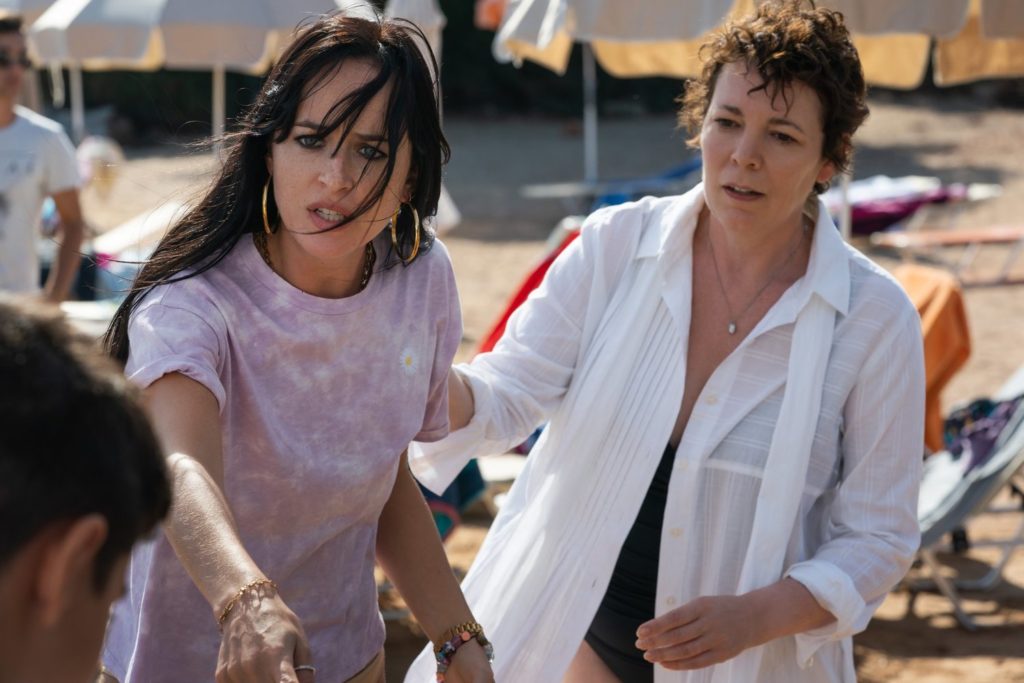
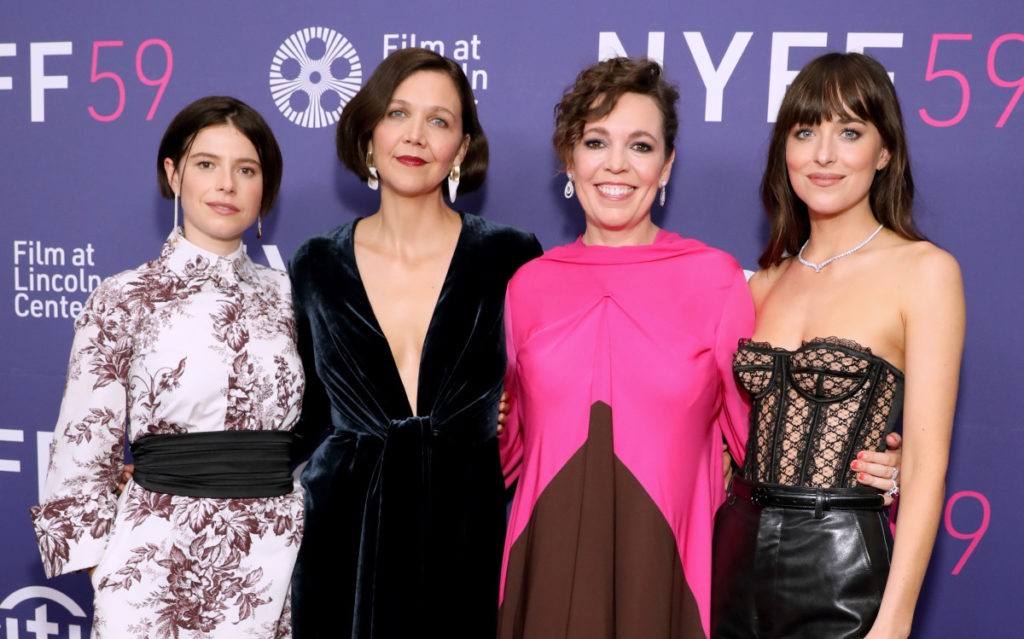
Leda Caruso, observing the life of a young mother with her daughter, projects what is happening onto herself and plunges into forgotten events of days past. Helplessness, fatigue, loneliness, selfishness, and the inability to own one's life, now inextricably linked to the child — these are the feelings that the mothers in Gyllenhaal's film experience. Regret and disappointment, along with joy and happiness, are alternately read in the eyes of Olivia Colman, then Jessie Buckley — a duo of two wonderful actresses playing one heroine trying to cope with her contradictions at different periods of life. The expressive performance of Dakota Johnson is the only clue to discern the actress in the features of the young mother Nina, so well did she inhabit the role. Also appearing in the frame is Ed Harris, who perfectly lightens the parental drama with his simplicity and friendliness.
Not only contextually but also visually, 'The Lost Daughter' is divided into two parts: the first is lighter, easier, while the second feels anxious and heavy. In the beginning, warm, soft colors dominate the frame, sometimes even muted. But the deeper Leda Caruso plunges into her emotional depths, the more contrasting and colder the picture becomes, even creating a tangible tension. In the last ten minutes, Maggie Gyllenhaal shows where the 'personal hell' ultimately led Olivia Colman's heroine, which of the two parts prevailed in the story.
The drama of motherhood in the film 'The Lost Daughter' may not resonate with everyone, especially if one lacks similar experience. But a sense of involvement in what is happening arises thanks to the work with a handheld camera by cinematographer Hélène Louvart: she often shoots close and sometimes even out of focus. Her shots acquire emotionality, becoming more intimate and personal. It creates the feeling of being next to Colman and Johnson's heroines at the Greek resort. And the questions raised in the film are, in essence, understandable and timeless.
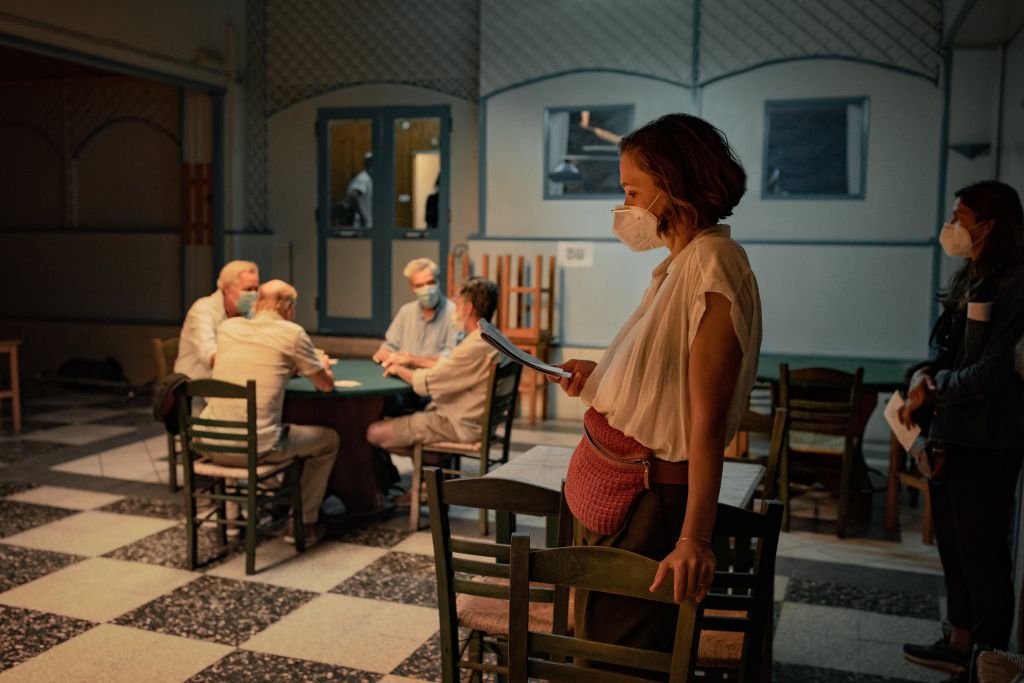
The psychological drama 'The Lost Daughter' starts rather measuredly, the narrative is unhurried, sometimes even drawn out, and only picks up pace towards the end. Because of this, it can be boring to watch Olivia Colman's turmoil and Dakota Johnson's ambiguous glances. But considering that this is Maggie Gyllenhaal's directorial debut, such slowness is forgivable. Moreover, it is fully compensated by the multifaceted nature of the story, which does not try to moralize but rather shows that people are imperfect beings deserving of sympathy.
Comments
0No comments yet.
Sign in to join the discussion.