
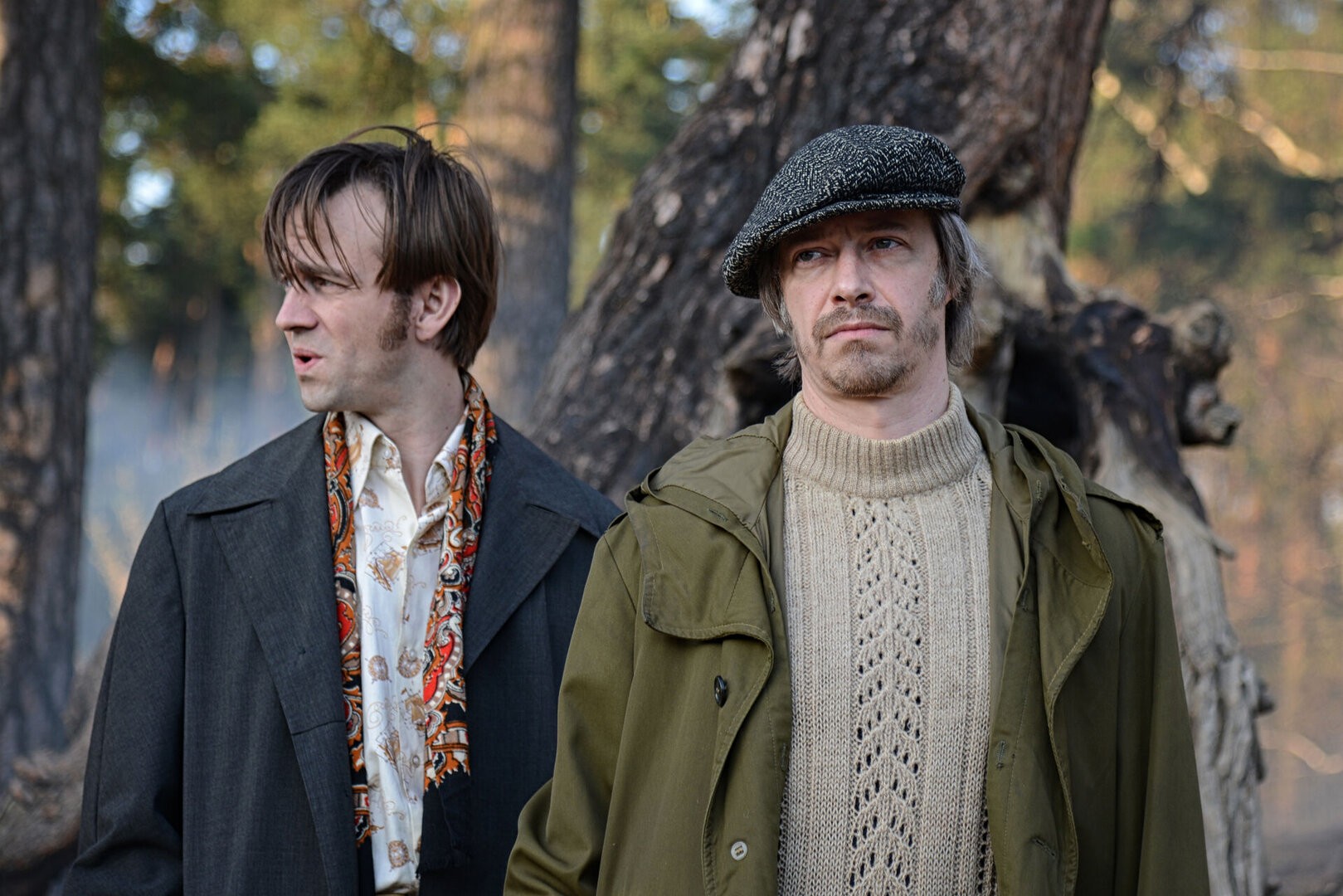
The level of skepticism towards mass contemporary domestic cinema has risen to such an extent that comments like "Why watch the movie if BadComedian's review will come out later?" are becoming more and more common. Will the new film by the Pyotr Fomenko workshop, "Portrait of a Stranger," overturn this perception?
What is the film about?
An actor and womanizer, Oleg Orlov (Yuri Butorin), is kicked out by his wife. At the same time, he finds himself out of work – the weekly radio play in which he plays a Soviet spy is suspended indefinitely. In complete disarray, with only one suitcase in hand, he tries to find a way out of the crisis.
Fate brings him together with the renowned writer Lev Nikolaev (Kirill Pirogov), whose book seems to be known and loved by the entire Soviet Union. Nikolaev himself has become disillusioned with what he describes and finds a kindred spirit in the lost Orlov. Together, they must figure out themselves, their attitudes towards those around them, and the very system in which they both have to live.
First Figure – Lyrical
For a long time, there has been a feeling that the Ministry of Culture would no longer sponsor films about the Soviet period and Soviet people that speak warmly of them. However, the very beginning of "Portrait of a Stranger" unexpectedly turned out to be quite good, cheerful, and lively.

Yes, there are some jabs at the USSR, but they seem to be made with love, in the spirit of good satirical films. The actions and motives fit the logic of characters from that time – and that's always a good thing. Viewers who didn't live through that era will be able to catch familiar traits in the characters, while those who remember the seventies well will experience a wave of nostalgia and recognition.
So much works for the atmosphere here! There's a gorgeous authentic (mostly) soundtrack; familiar interiors with recognizable parquet floors, marble, and Lenin's profile on the wall; a park full of chess players; and even the radio play "Club of Famous Captains" playing in the background. The situations themselves are quite amusing, the actors perform well, and there is absolutely no toilet humor.
Therefore, watching the first part of the film is genuinely enjoyable, and skepticism gradually falls asleep.
Second Figure – Sad
Somewhere around the middle of the film, the enjoyment gradually begins to turn into bewilderment, because the plot seems to almost come to a halt. Where you expect to see character development, there is seemingly nothing. Instead, you notice two things you previously overlooked.
Firstly, when attention isn't focused on the plot, it shifts to the visuals. And it turns out they aren't so flawless. While the interiors look authentic, the computer graphics in the exteriors are jarringly bad. They look as "realistic" as the face of Bella and Edward's newborn daughter from Twilight.
Secondly, the number of drinking bouts increases exponentially. Vodka seems to become a character in its own right and is present in almost every scene. The characters (especially the two main ones) are constantly either drinking or already drunk.

Take the scenes with the character played by Galina Tyunina (the most interesting character in the film, by the way). In the middle of her storyline, alcohol serves as a catalyst for certain events that will make her rethink her life. That would have been fine to end it there, but no – the authors will resort to the saving grace of vodka again when they need the character to "open up." As if there are no other ways to reveal a character.
Third Figure – "Portrait of a Stranger"
By the end of the film, the jokes no longer hit as sharply as before. Because "Portrait of a Stranger" turns into just a collection of anecdotes, tall tales, and absurd situations that are only connected by the presence of certain characters. There's more and more vodka, less and less character development, and a growing understanding in the viewer that we are watching a film about extremely unpleasant individuals.
And by the end, the film finishes you off. Because it suddenly decides to descend into "exposing" the people of the World War II generation and the system that breaks the common man. All of this turns into a perfect example of "vulgarity without vulgarity" – there's no toilet humor, but it's still unpleasant to watch.
"Portrait of a Stranger" shows us modern people who seem to have accidentally ended up in the past. Moreover, this exaggeration is not unique to us – it brings to mind . Globalization has developed to such an extent that the main, American-style selfish characters are becoming the norm in all major cultures (insert the True Detective meme here: "Me, me, me, I, I! I'm so important!"). And it doesn't matter that a Soviet person is not quite about that.
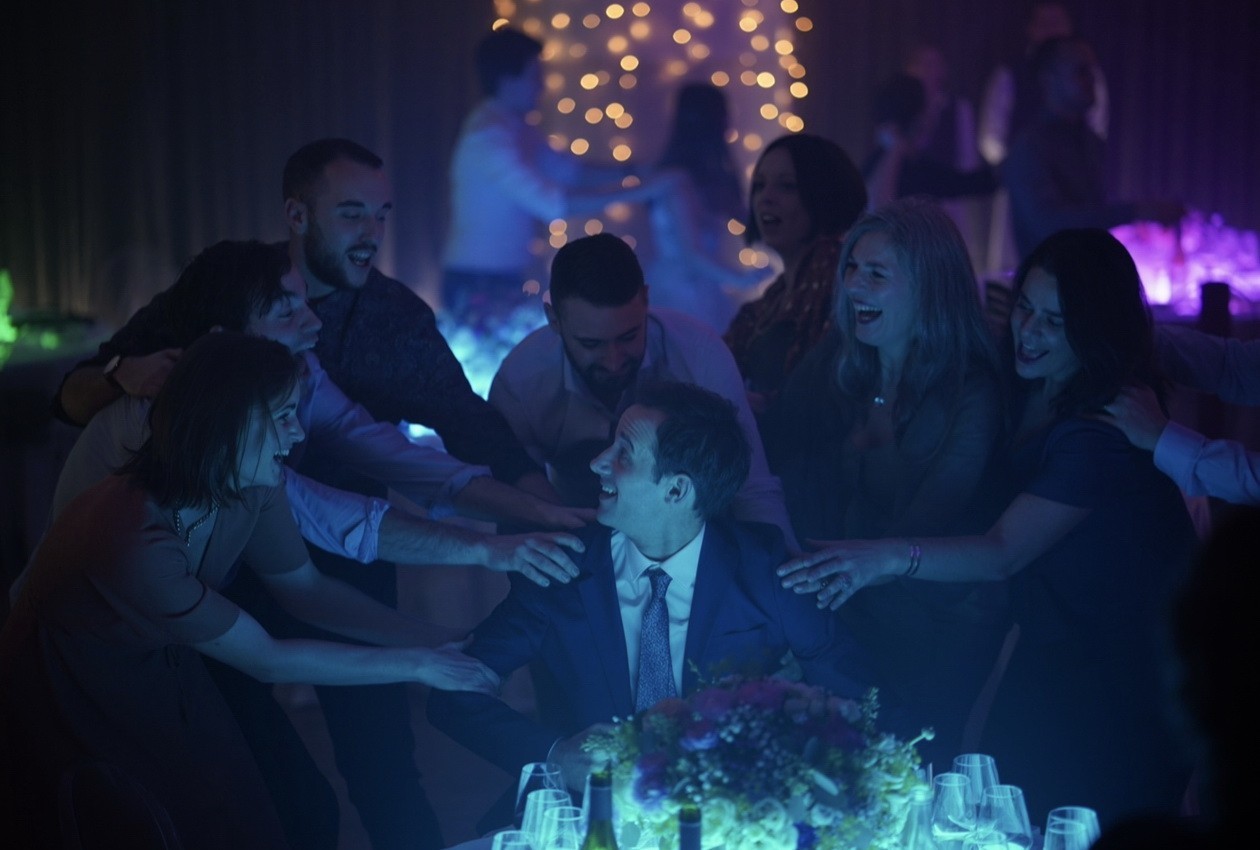
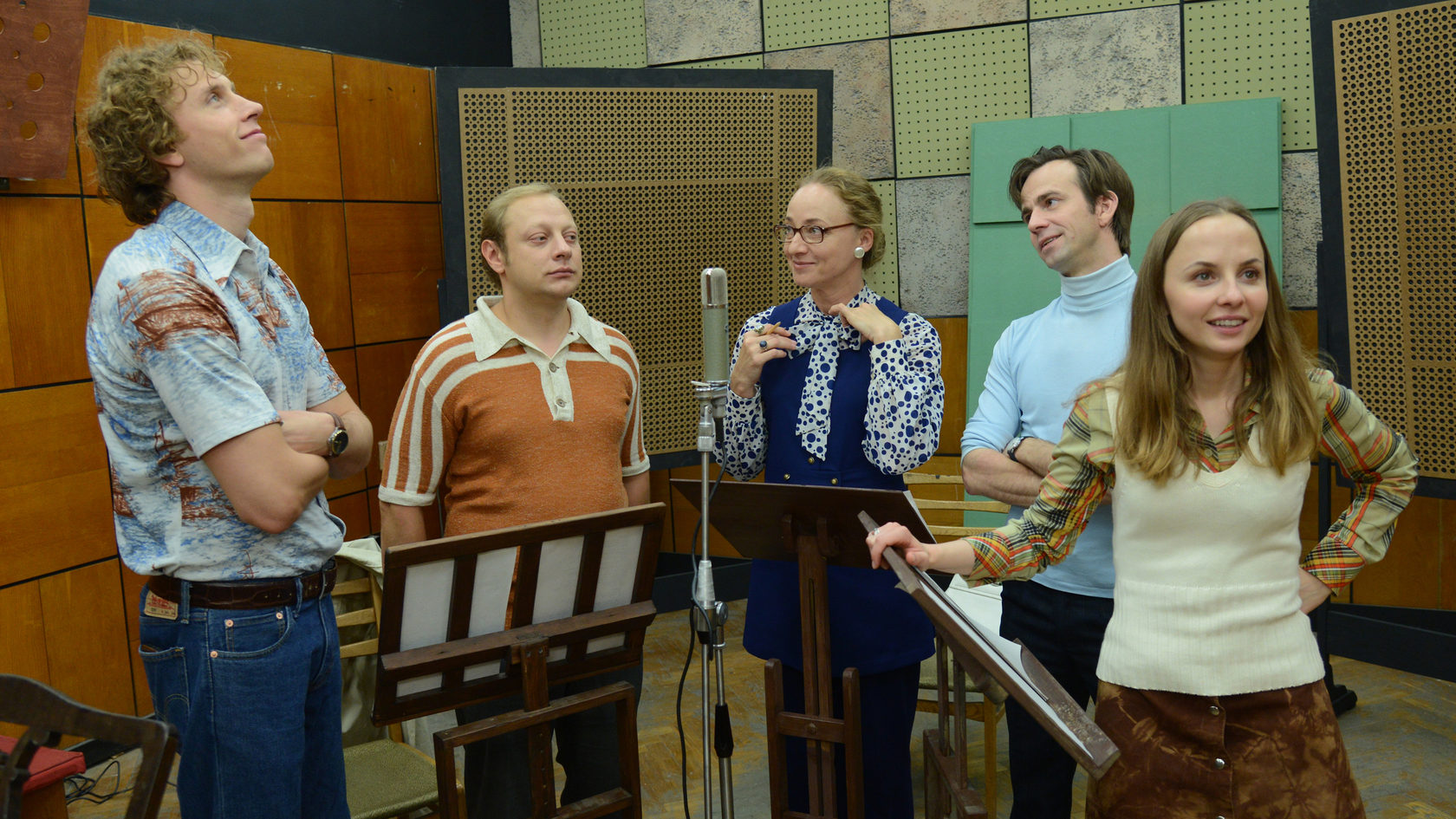
"Portrait of a Stranger" tries to sit on two chairs at once: to please USSR enthusiasts and to throw a bunch of bad things about it in favor of the modern Russian agenda. And that's sad. Because the film once again joins the ever-growing list of movies that had enormous potential to become good, timeless cinema. But alas.
Still, the large inscription "Main Sponsor – VTB" before a film about the USSR should have hinted at what kind of film this would be.
Comments
0No comments yet.