


How fabulous can St. Petersburg be in cinema? We tell you using the example of the film 'Silver Skates'.
We have already told you how St. Petersburg can become London or Paris. Today, we will take a stroll through the New Year's Petersburg from the film 'Silver Skates'.
History of Creation
The film's release was initially scheduled for February 13, 2020, but was later postponed to December of the same year to avoid competition with another Russian melodrama, 'Ice 2'. The premiere took place on December 10, 2020. The film received favorable reviews from critics and topped the Russian box office for two weeks, but ultimately did not recoup its budget. However, the streaming service Netflix acquired the rights to the film. 'Silver Skates' is the first Russian film released on the platform in the Netflix Originals category.
For most of the crew, this was a debut project. Director Mikhail Lokshin was known at the time for his advertising work — he directed a commercial for 'Sibirskaya Korona' featuring David Duchovny.
How the Icy Petersburg Was Created
The film is partially based on the eponymous book by Mary Mapes Dodge (although the events described in the book take place in the Netherlands). Its story unfolds on the eve of Christmas, when the air smells of magic and the most incredible events often occur. In the small town of Broek, a competition for young skaters is planned.
In the film, however, the events unfold in St. Petersburg on the eve of the 20th century. At that time, so-called ice fairs existed in the city. When the ice formed, the authorities organized a fair on the rivers and canals. People would walk right on the ice and buy a variety of goods. There were those who could move quickly and deftly on skates. According to the plot, such guys formed a gang that skillfully picked the pockets of passersby. The main character, a lamplighter named Matvey (Fyodor Fedorov), encounters such a group.
Only part of the episodes were filmed on the natural ice of the Neva, Fontanka, Moika, and Kryukov Canal. The weather was unlucky: the winter was warm, with temperatures hovering around 0 °C, so the natural ice of St. Petersburg's rivers and canals was reinforced before filming: a deck was created, a colored substrate was laid (to make the ice look more impressive and cleaner in the frame), and another 10 cm of ice was poured on top. In total, about 10,000 m² of ice was reinforced in this way.
For filming the mass ice scenes that could not be done on natural ice, a section of the Moika and the Winter Canal, 130 meters long, was recreated in a pavilion complex in Vsevolozhsk on 40,000 m². All scenes in this pavilion were filmed against a chroma key background, thanks to which graphics specialists from the company CGF Alexander Gorokhov transferred the canal to real St. Petersburg during post-production. Gorokhov's team filmed and scanned the center of St. Petersburg with a special camera to later embed real architectural objects into the image.
Sheremetev Palace — Museum of Music
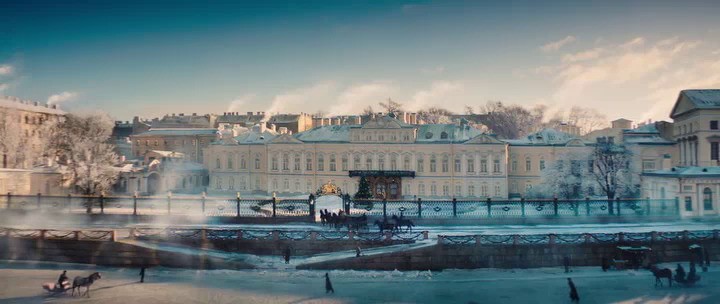
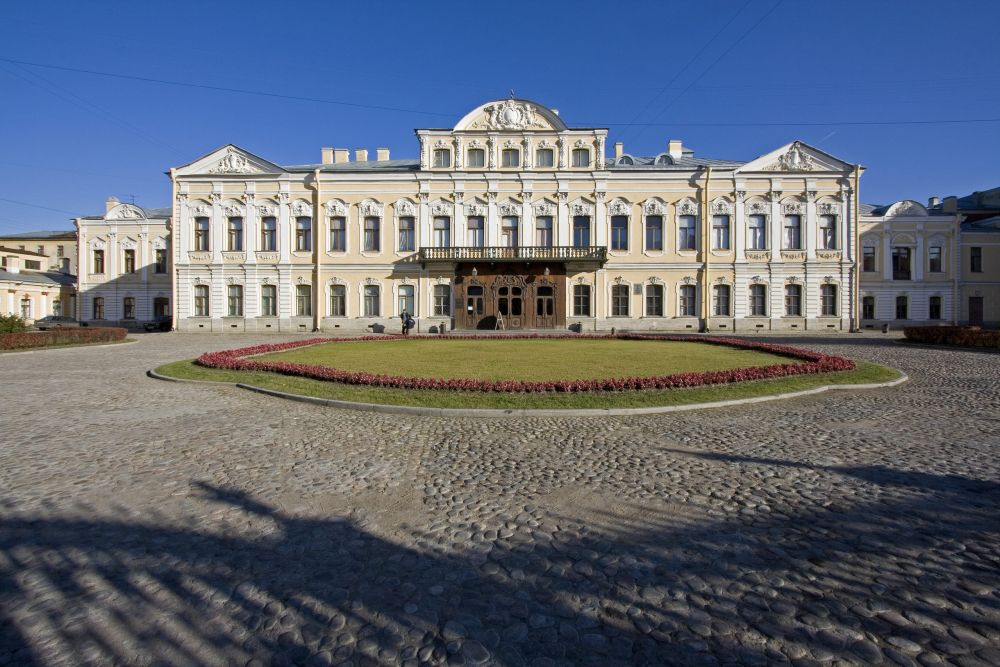
One of the palaces of the Sheremetev counts in St. Petersburg was named the Fountain House, after the Fontanka River on whose bank it stands. Until 1917, the Sheremetev Palace and estate belonged to five generations of the senior (count's) branch of the Sheremetev family. Currently, the main building of the palace houses the Museum of Music, which includes a restored enfilade of state rooms on the second floor. In one of the wings of the Fountain House is the Anna Akhmatova Museum.
Palace of Grand Duke Vladimir Alexandrovich
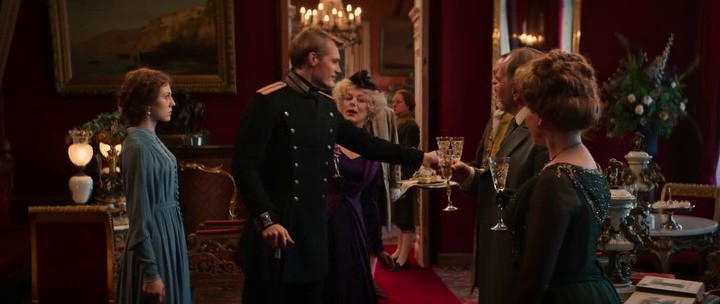
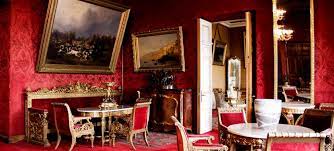
The palace was built according to the design of architect A. I. Rezanov in 1867–1868, but the decoration of the premises continued for several more years, until 1874.
In May 1917, the Red Cross commission for prisoners of war was housed in the palace; from October 1917, the board of the Union of International Trading Partnerships; from October 1918, the theater department of the People's Commissariat for Education; and in 1919, the publishing house 'World Literature'. The House of Scientists was opened on January 31, 1920, by decision of the Petrosoviet on the initiative of the Petrograd Commission for Improving the Living Conditions of Scientists (chairman Maxim Gorky) in the former palace of Grand Duke Vladimir Alexandrovich.
House of the Architect
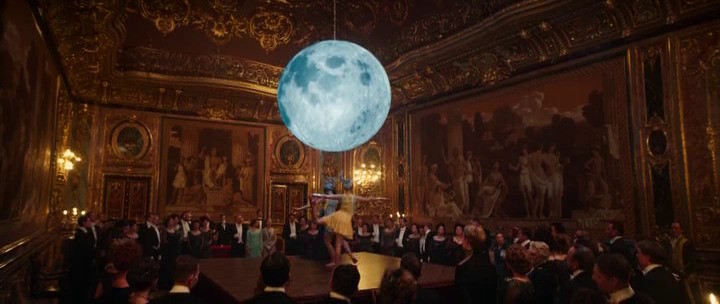
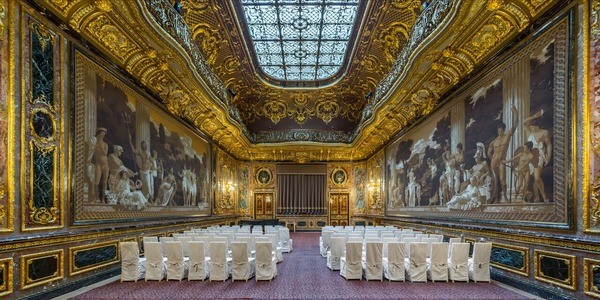
In 1863, the childless baron A. L. Stieglitz purchased the mansion for his ward (adopted daughter) N. M. Yuneva, who was married to A. A. Polovtsov. Initially, the couple did not undertake any alterations here, but the mansion quickly became one of the centers of the city's social life. Representatives of the aristocracy, officials, and royal relatives visited here. Because of this, the owners decided to give the house more prestige.
In the 1880s, architect M. E. Mesmakher renovated the interiors. The architect remodeled the courtyard facades of the mansion, added a two-story wing with the Bronze Hall and the Small Dining Room, and finished the walls of the Portrait Gallery with high walnut panels. Portraits of the house owners by the famous French artist C. Durand were placed in the shallow niches of the gallery. The Bronze Hall, illuminated by overhead light through a glazed ceiling, is finished with marble, bronze, and gilded stucco; the walls feature mirrors and tapestries, and the floor is made of various types of wood. Contemporaries called this room a 'miracle of art'.
Marble Palace
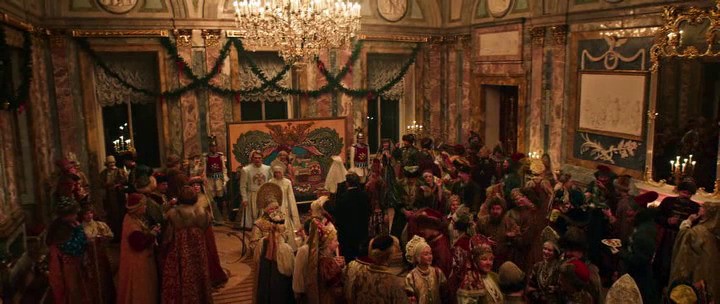
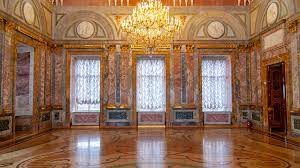
The Marble Palace was built in 1768–1785 according to the design of architect A. Rinaldi. At the request of the first owner of the palace, G. G. Orlov, who admired Rinaldi's talent, a portrait of the architect was installed on the wall opposite the entrance. The Marble Palace is known, first and foremost, for being the first time in St. Petersburg's construction practice that natural stone was used for cladding walls and finishing architectural details. By order of the Empress, the roof was covered with copper, necessitating the creation of a special production facility at the Sestroretsk arms factories to produce the required amount of sheet copper. The Marble Palace amazed contemporaries with its luxury; it was not for nothing that it was called a huge jewelry box.
Thanks to filming in such amazing places with a rich history, the filmmakers ultimately managed to create a beautiful New Year's fairy tale about love, honor, and friendship in the fairy-tale tsarist Petersburg awaiting the New Year.
Comments
0No comments yet.
Sign in to join the discussion.