
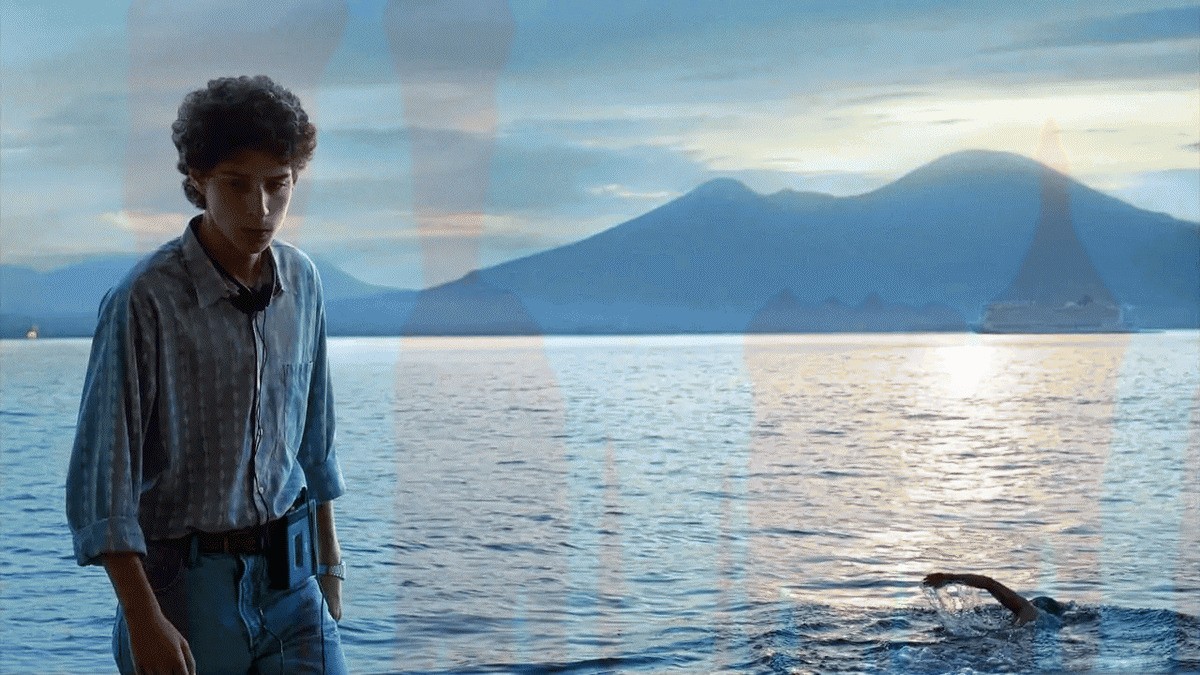
On December 15, Paolo Sorrentino's new film 'The Hand of God', filled with the director's life experience, was released on Netflix. We tell you about another work of art by the contemporary Italian director.
'The Hand of God' participated in the main program of the Venice Film Festival and won a total of 8 awards, including the Grand Jury Prize, the second most important award. In the race for the Oscar, Sorrentino's new film is a clear favorite in the 'Best International Feature Film' category (it will be tough for our film to compete if it makes it into the nomination). The film by one of the most famous contemporary Italian directors is largely autobiographical, and the director had planned to bring the story to the screen for twenty years.
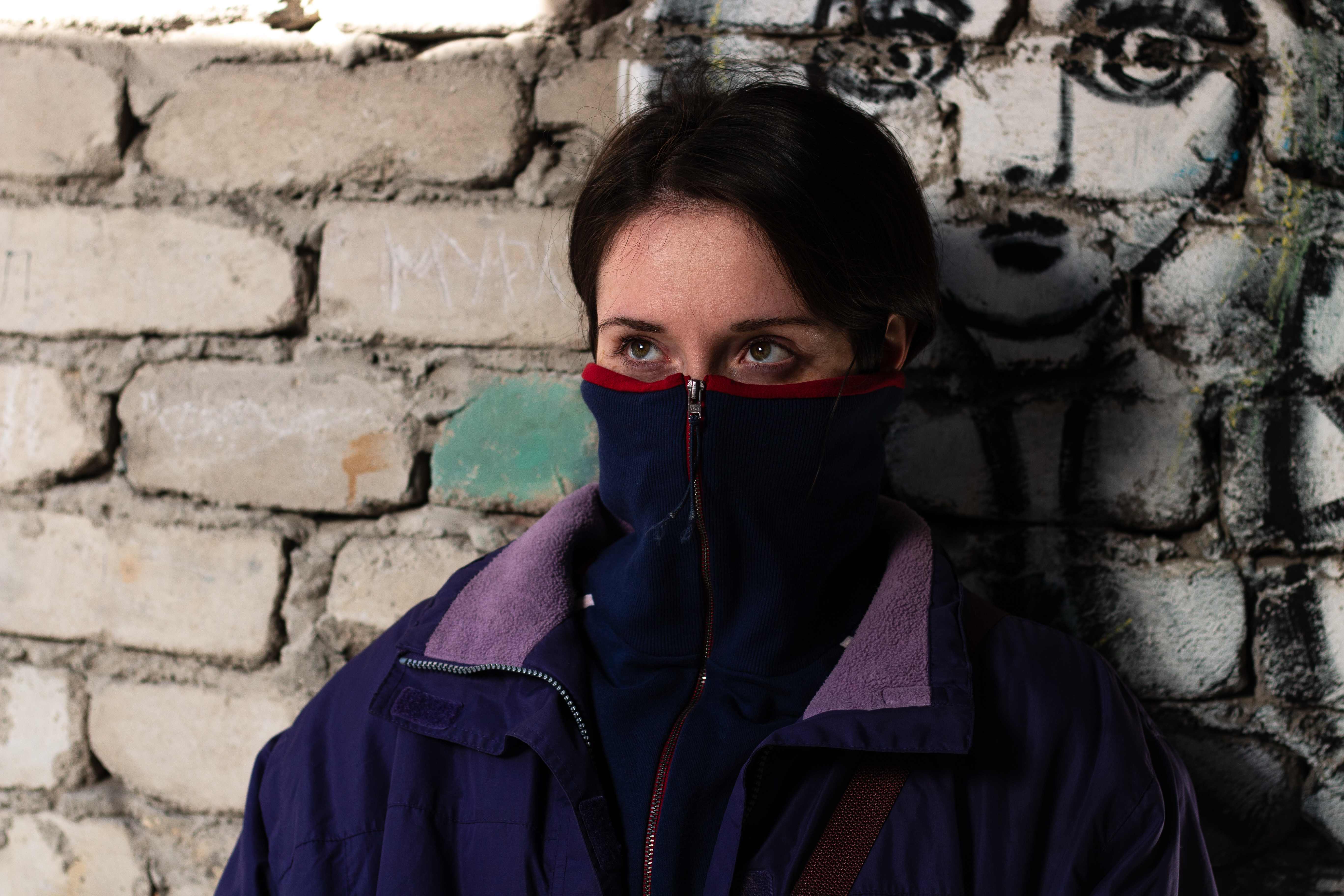
On October 30, the premiere of Kira Kovalenko's film 'Unclenching the Fists', a graduate of Alexander Sokurov's workshop, took place on digital platforms.
Open materialWhat's the Plot?
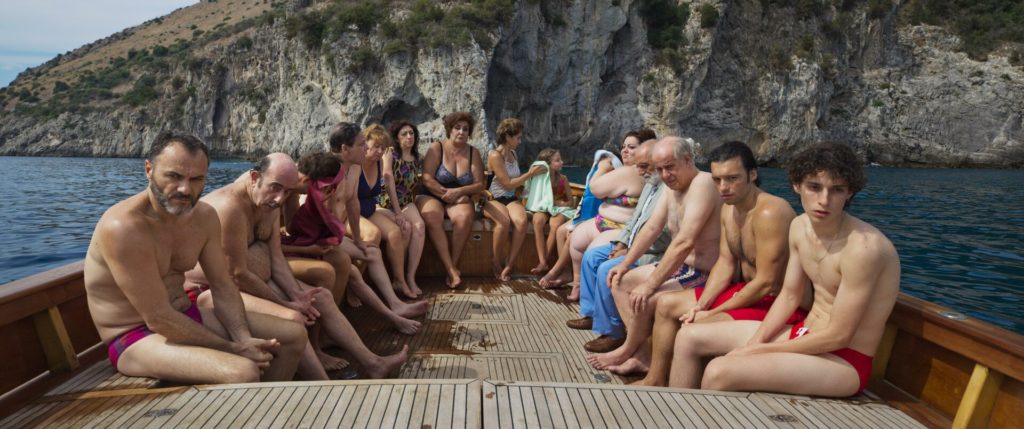
Naples. Mid-eighties (to be precise, early summer 1984). The viewer is shown the life of a large Italian family with a motley cast of characters. Someone can juggle oranges and loves to prank people, someone wears a fur coat in summer to show off their wealth, someone takes bribes of watermelons and champagne, someone is mentally unstable due to childlessness and is not shy about sunbathing naked. The whole family communicates sarcastically with each other, joking about absolutely any topic: from weight to age.
All these strange people gather around one table to discuss the latest news and meet the suitor of one of the aunts. She is a plump (to put it mildly) forty-two-year-old lady, he is a lame retired Venice police veteran who communicates using a special device. Unsurprisingly, their union sparks a fresh wave of jokes from relatives, but what excites every family member (and indeed all of Naples) the most are the rumors about the transfer of the great Diego Maradona from Barcelona to Napoli.
For the city (and especially for the main character), such a transfer seems like something on the edge of a dream. Fabietto (young Filippo Scotti, winner of the Marcello Mastroianni Award for Best Young Actor) even faces a choice posed by his brother (Marlon Joubert): sleep with the object of his aunt Patrizia's (Luisa Ranieri) affection or have Maradona at Napoli — he chooses the second option. The momentous event does happen. The Catalans sell the Argentine for 13 billion lire, and Fabietto's father (Toni Servillo, Sorrentino's favorite) gives his son a season ticket for home matches in Sector B. And one day, the parental gift (and Maradona himself) will play a crucial role in the young man's life.
Time to Return Home
The events of 'The Hand of God' take place in Naples, the hometown of Paolo Sorrentino. The director returned to his small homeland to make a rather personal and intimate film. The first half of the film is incredibly funny and ironic, but at a certain point, the film turns into a sad drama about growing up. The main character wanders around Naples, rides a motorcycle and a boat with a new friend who is a smuggler, goes to the cinema and theater, listens to music on his player, but has absolutely no idea what the future holds.
Through Fabietto, Sorrentino works through unresolved childhood gestalts and says goodbye to his own youth. The film's conflict is actually at the very end. Everything that happens before is slow reflection, warm memories, and a meditative immersion into one's own past. The director seems to turn the established conventions of cinema on their head. Usually, a turning point in the hero's life occurs at the beginning, followed by the main action. 'The Hand of God' first introduces the audience to the prelude of the drama, and literally after the formulation of the conflict, the credits begin.
The camera of Daria D'Antonio transports us back several decades, to the director's youth. Naples is an ordinary Italian town, waiting for the arrival of a world star. Unlike 'The Great Beauty' or the series about the Pope, 'The Hand of God' does not try to sparkle with glamour and luxury (except, of course, all the glamour of Maradona as a character). The director made a film about his own youth and hometown that is not as large-scale and sweeping as his previous films, although a crystal chandelier lying on the floor in the middle of a room in an abandoned palace does cast doubt on this fact.
But Naples looks like a very simple and modest city in the frame. Indeed, the grandeur by Sorrentino's standards has diminished, but the author's love for Naples does not decrease because of this. The opening credits against the backdrop of the city panorama and the majestic Vesuvius, which appears on screen more than once, prove the director's tender feelings for his small homeland.
Even in the scene of Fabietto's meeting with Antonio Capuano (a director, teacher, and mentor to Sorrentino in real life), when the young man expresses a desire to go to Rome to find ideas for future films, Capuano sharply responds to Fabio and says with tenderness that Naples is also full of untold interesting stories, and only idiots go to Rome in search of them.
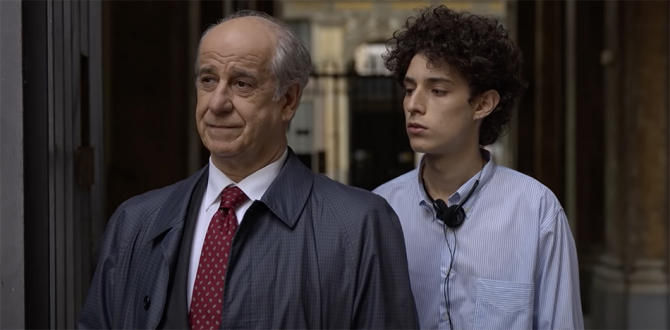
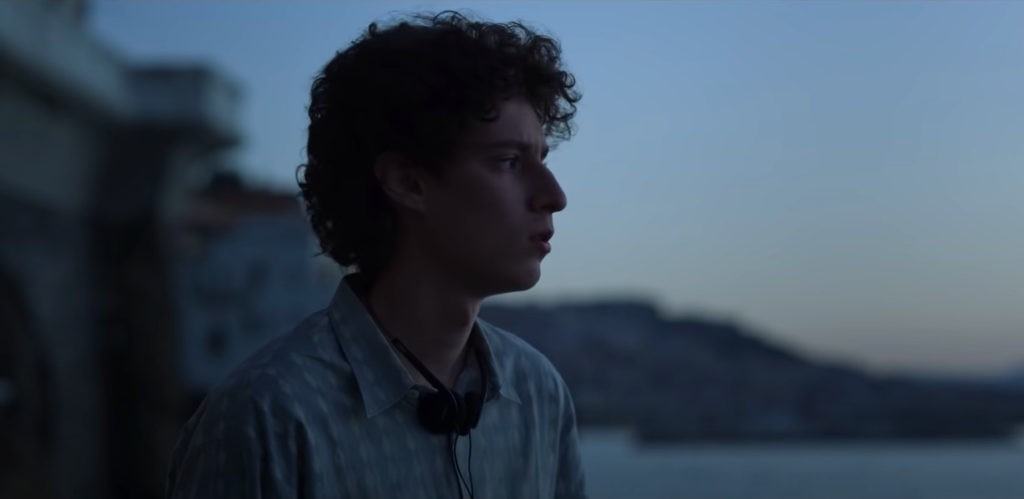
The viewer is forced to follow what is happening on the screen in silence, as there is almost no background music in the film. Occasionally, the contemplation is interrupted by sad motifs of string instruments, but even the main character, who always carries a player with him, seems to listen to nothing when immersed in the world of music. Sorrentino gives us silence, and only at the end, when Fabietto decides on his future and puts on his headphones for the last time in the frame, does the viewer hear 'Napule È' by Pino Daniele.
Idol on the Field, Rock Star Off It
Despite the fact that Maradona, in essence, does not appear in 'The Hand of God', and the film is mostly not even about him (although during filming many thought Sorrentino was creating a biopic), the footballer is an important part of the story. Firstly, Diego's significance for Neapolitans is emphasized more than once (one of Fabietto's uncles even admits that if the Argentine doesn't move to Napoli, the old man will take his own life). Secondly, the hero is simply crazy about the brilliant footballer. He goes to matches, hangs posters over his bed, even looks for the face of the genius among the ordinary residents of the city. Thirdly, Diego played a decisive role in the life of Fabietto-Sorrentino (those familiar with the biography have probably long guessed what is being discussed; for the rest, I don't want to reveal what is possibly one of the strongest scenes in the film).
At the 1986 World Cup, Italians cheer for Argentina in front of their TV screens (of course, their own national team went home after the round of 16). During the match against England, Maradona scores two of his, perhaps, most famous goals of his career. The first is called, like the film, 'The Hand of God', as the number 10 sent the ball into the net with his fist, but it was counted. The second is called the 'Goal of the Century', scored four minutes after the first. Maradona broke into the penalty area, dribbling past six opponents, including the goalkeeper (30 years later, another great Argentine footballer, Lionel Messi, would repeat both goals).
A year later, Napoli will become Serie A champions with Diego, but for the sixteen-year-old main character, the victory will take a back seat, as will many previous life values. It turns out that the film covers three whole years of the Schisa family's life, but on screen they fly by like one football season. Whether it's the fleeting nature of youth, or when a dream becomes reality, the passage of time accelerates — it's unclear, but during this period the hero grows up, and his sister, who is always sitting in the toilet, informs him of this by revealing his father's secret.
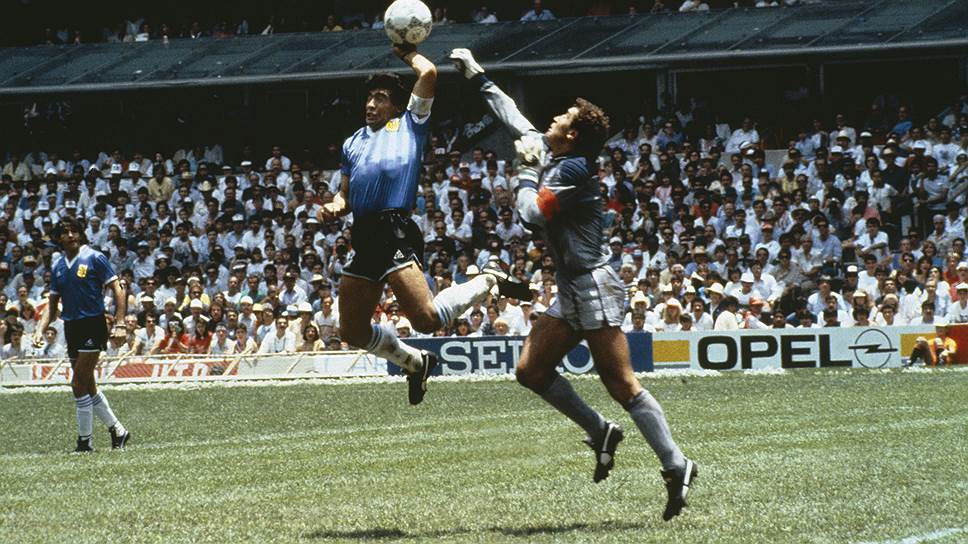
However, Maradona forever remained in the director's life (and almost the whole world) as God on the field and the Devil off it. If Pelé, Messi, Ronaldo, and others can compare to him in genius, then none of them cause or have ever caused as much media buzz with their actions without playing football.
A Love Letter to Cinema
Besides football, at a certain point, the art of cinema appears in Fabietto's life. The hero watches a creation by Antonio Capuano on the big screen, goes with his brother to a casting for extras in a film by Federico Fellini, and attends theater performances with the actress Yulia (played by a girl from Russia, Sofya Gershevich), who dreams of being noticed by that same Capuano.
'The Hand of God' is steeped in homage to cinema. 'The Desert of the Tartars' by Valerio Zurlini is quoted, the Schisa family never gets around to watching the VHS of 'Once Upon a Time in America' by Sergio Leone starring Robert De Niro. Fabietto's mother (Teresa Saponangelo), who loves pranks, calls a neighbor and says that Franco Zeffirelli is inviting the lucky woman to auditions for a new film, but her husband, played by Toni Servillo, will force his wife to confess, after which all four Schisas will listen to insults directed at them.
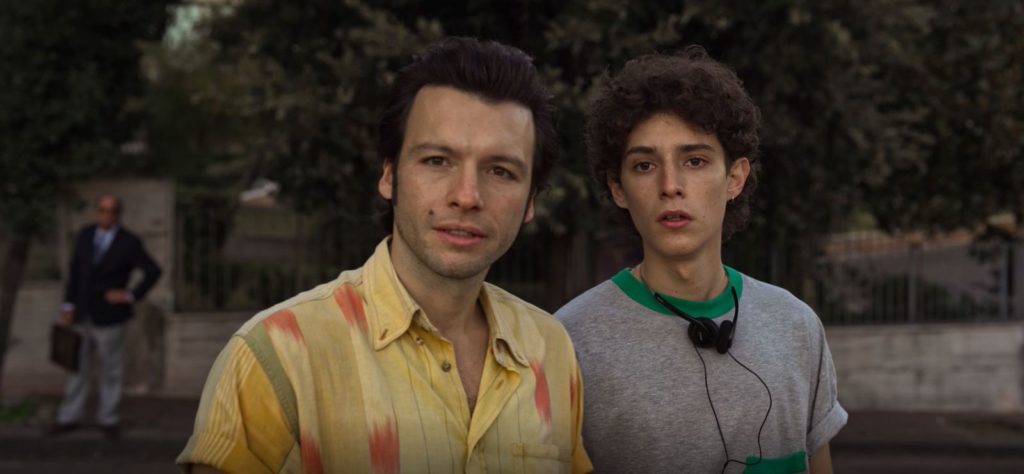
The constant presence of cinema in Fabietto's life ultimately leads to the young man becoming passionate about making films himself, even though he has hardly seen any movies ('Once Upon a Time in America' will remain lying on the TV unwatched). The hero follows Fellini's words and wants to escape reality, create stories, and transfer his ideas to the screen, but ultimately this path will lead Fabietto-Sorrentino back to where it all began, because now in 'The Hand of God' the director returns to his own biography.
What's the Verdict?
Infused with the personal feelings and emotions of Paolo Sorrentino, 'The Hand of God' turns out to be one of the best films of 2021. The funny and at the same time sad story of Fabietto Schisa's growing up helps the director talk about what has long been on his mind, while allowing viewers to observe events from the director's life from the outside, enjoying the streets, landmarks, and views of Naples.
A slow, meditative, beautiful, and intimate film by the Italian will clearly be among the Oscar nominees (I think even among the winners) and this will be deserved, because 'The Hand of God' is exactly the kind of cinema that Capuano spoke to the young Sorrentino about. Infused with pain, fun, and originality, behind which lies a story. It turns out the youngster wasn't lying and he really does have something to say to the world.
Comments
0No comments yet.
Sign in to join the discussion.