
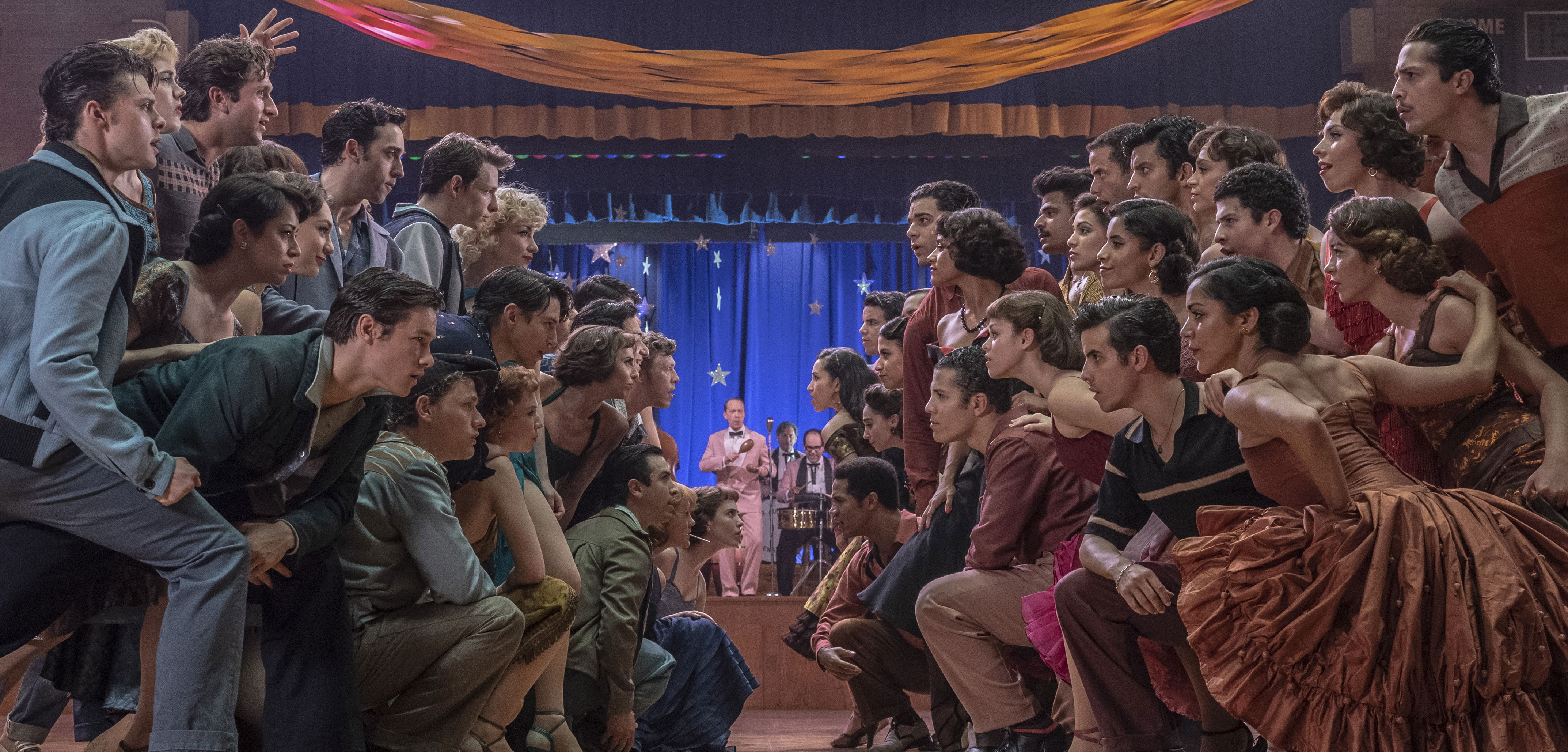
From musical to film, from film to remake – such is the challenging journey of the movie "West Side Story" by Steven Spielberg. Especially considering that the 1961 original won 10 Oscars and is a cornerstone of American cinema. Follow me, reader, and I will share such knowledge with you!
Synopsis
Take "Romeo and Juliet," transport them to New York City in 1957, and replace the Montagues and Capulets with two rival gangs fighting over territory – and you have the vibrant, beautiful, and even brutal "West Side Story."
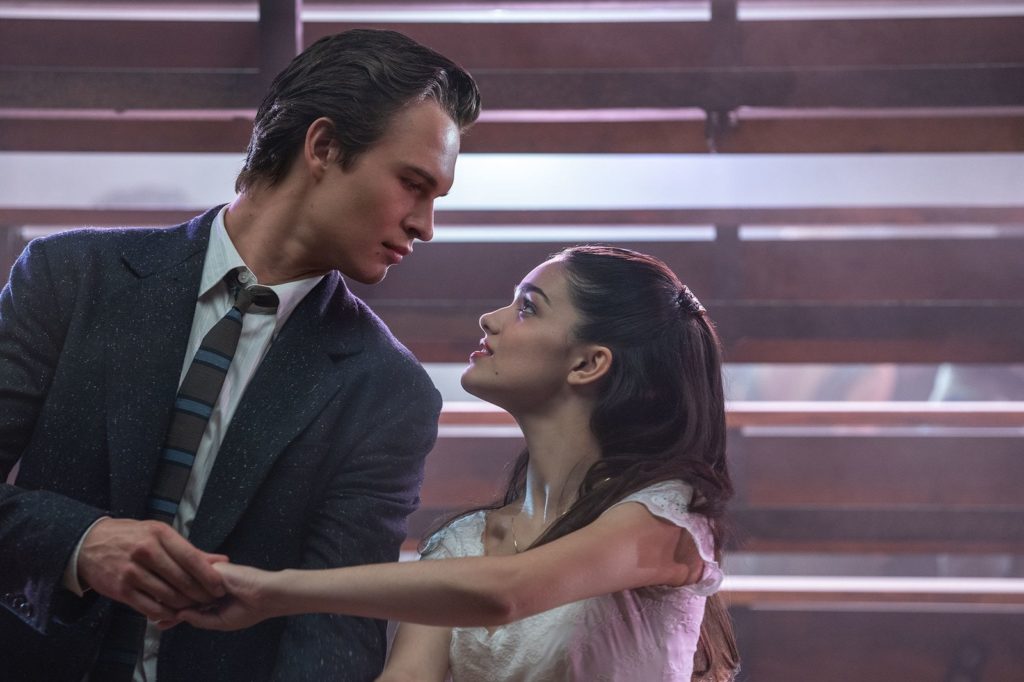
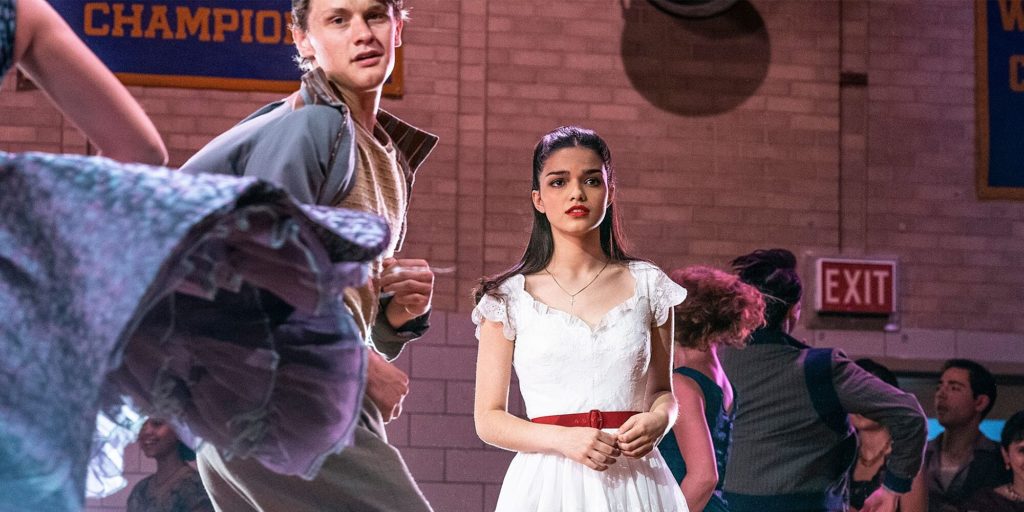
This is the story of Tony (Ansel Elgort) and Maria (Rachel Zegler), whose young love will be tested from all possible sides. Can it overcome racial and gender stereotypes and survive in our cruel world, or is it destined to die before it can even strengthen?
Direction and Acting Contributions
So, our main question – did Spielberg make a good musical? And answering it turns out to be very difficult.
On one hand, it is a surprisingly beautiful film, with magnificent choreography by Justin Peck, perfectly complemented by excellent costumes. Plus, the musical material itself from the masters Leonard Bernstein and Stephen Sondheim borders on genius, take for instance the thematic and leitmotif plans. The arrangements are divine, the cinematography is simply unreal. Spielberg did a great job. Of course, the slight naivety of love at first sight until death is sometimes confusing, but here one should rather blame "Romeo and Juliet."
On the other hand… No, more on that later. First, let's go through the work with the actors. And the first thing I want to note – I am in love with what they did with Valentina, the character of Puerto Rican actress Rita Moreno. In the musical's libretto, the owner of the small pharmacy was Doc, but when you have Rita Moreno, who won an Oscar and a Golden Globe for her work in the original film, then replacing Doc with his widowed wife is a perfect hit; one doesn't even want to look for any current "agenda" in all this.
"West Side Story" also boasts wonderful young talents. Rachel Zegler is incredibly touching, Ariana DeBose (Anita) and David Alvarez (Bernardo) perform excellently, but the brightest standout is Mike Faist (Riff), who may be recognized by fans of another musical, "Dear Evan Hansen," for his vocals.
Superficial Problems of the Musical
And here we first encounter a flaw – Elgort's vocals sound very weak against the backdrop of his colleagues. It's not that he sings badly – on the contrary, he hits the notes and does it even sweetly, but it's overly quiet and unstable. Had he played in a more modern musical, it wouldn't be as noticeable, but we are talking about Broadway classics, where such luxury is not permissible.
Plus, my personal tragedy was the presence on screen of Brian d'Arcy James, an amazing singer with a beautiful deep voice, who wasn't given a single song. How is that possible?!
Another downside – for all the beauty of the staging, the ballet steps performed by teenage gangs look a bit silly. Should I be afraid of them or laugh at them?
And lastly – the attempt to heighten the emotional intensity in some scenes makes one wonder if the characters' priorities are set correctly. Example: in one scene, something terrible happens, and instead of grieving, two female characters sing about Maria and Tony's love. The original had roughly the same thing, but it didn't cause such rejection – small changes piled up into a big snowball and produced this effect.
A Bit of Theory, Deeper Problems, or Why "West Side Story" Works Less Well Than It Should
An optional section specifically for those who want to become a bit more savvy about why some musicals leave you satisfied after watching, while others leave only the thought "Why did they sing so much?" And why the new "West Side Story" suddenly falls into the second category. (If you're not particularly interested in my long-windedness, you can skip straight to the conclusions.)
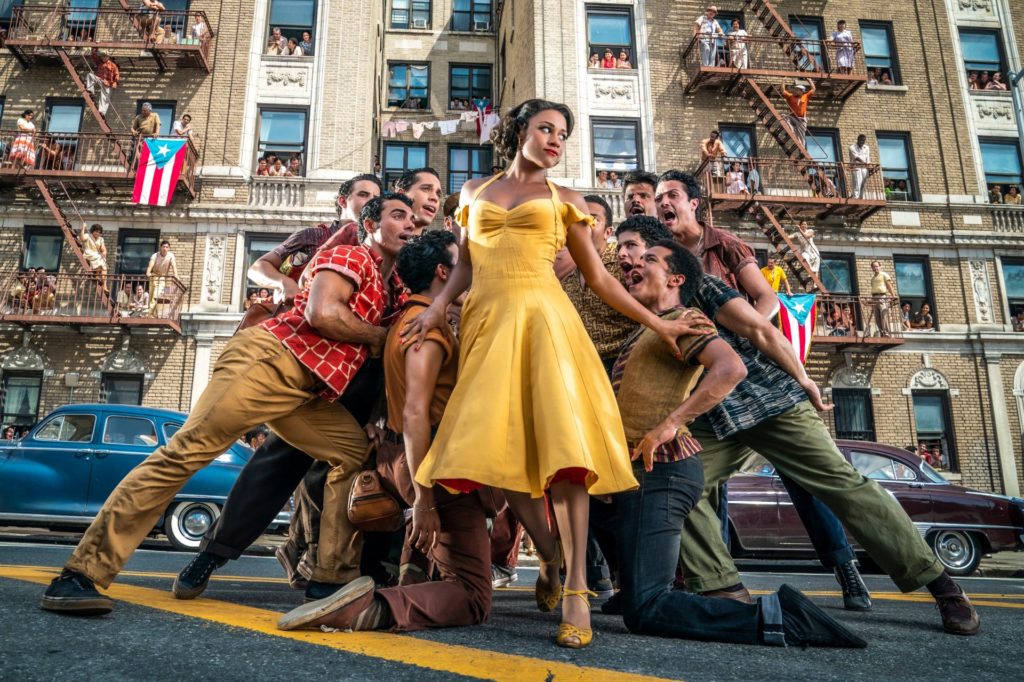
So, kids, a bit of theory. All musicals can be conditionally divided into three types: songs in them can be diegetic (for simplicity, I'll call them "authentic"), non-diegetic ("non-authentic"), and mixed.
"Authentic" songs are those that fit into the world of the film or production. A textbook example – in "Cabaret" 1972, all musical numbers were performed on stage, so the characters actually heard them.
"Non-authentic" songs are those that other characters seemingly do not hear and that exist only for the viewer. Any background music is "non-authentic" because the characters do not react to it. Or "Mamma Mia!", where Meryl Streep suddenly starts singing about the winner taking it all, and Pierce Brosnan accepts it as if she is just talking to him.
"West Side Story" falls into the second category because there is no justification in the film's world for why the characters sing instead of talk. So, one needs to ensure that the viewer does not have too sharp a rejection of this fact. How is this achieved in other films?
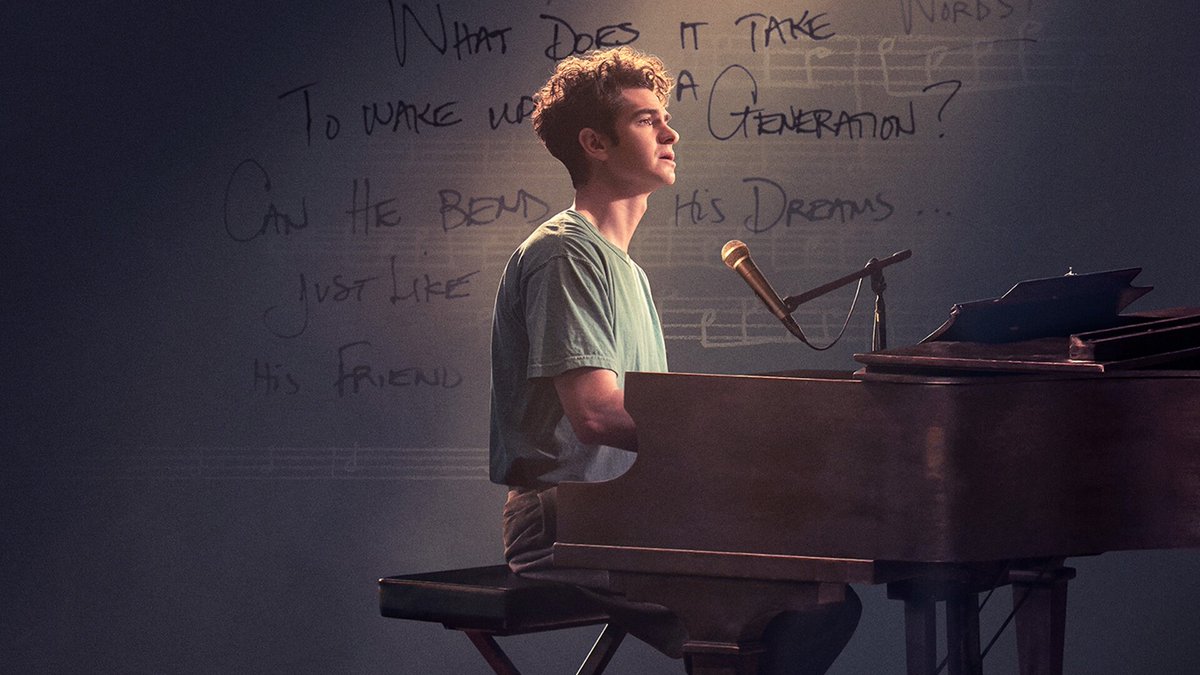
"" has a framing narrative – that is, a narrator, the main character, who tells the audience his story from the stage as if in flashbacks, accompanying himself on the piano. So, it's like Andrew Garfield is singing in the middle of a cafe, but we have a justification for it. We understand why it is this way and not otherwise.
Or "", where each musical number is accompanied by bright special effects, in which characters break the laws of gravity, rolls of fabric fly across the sky, and mannequins dance in the background. That is, the viewer is exaggeratedly made to understand that the song is "not real," so they do not experience dissonance.
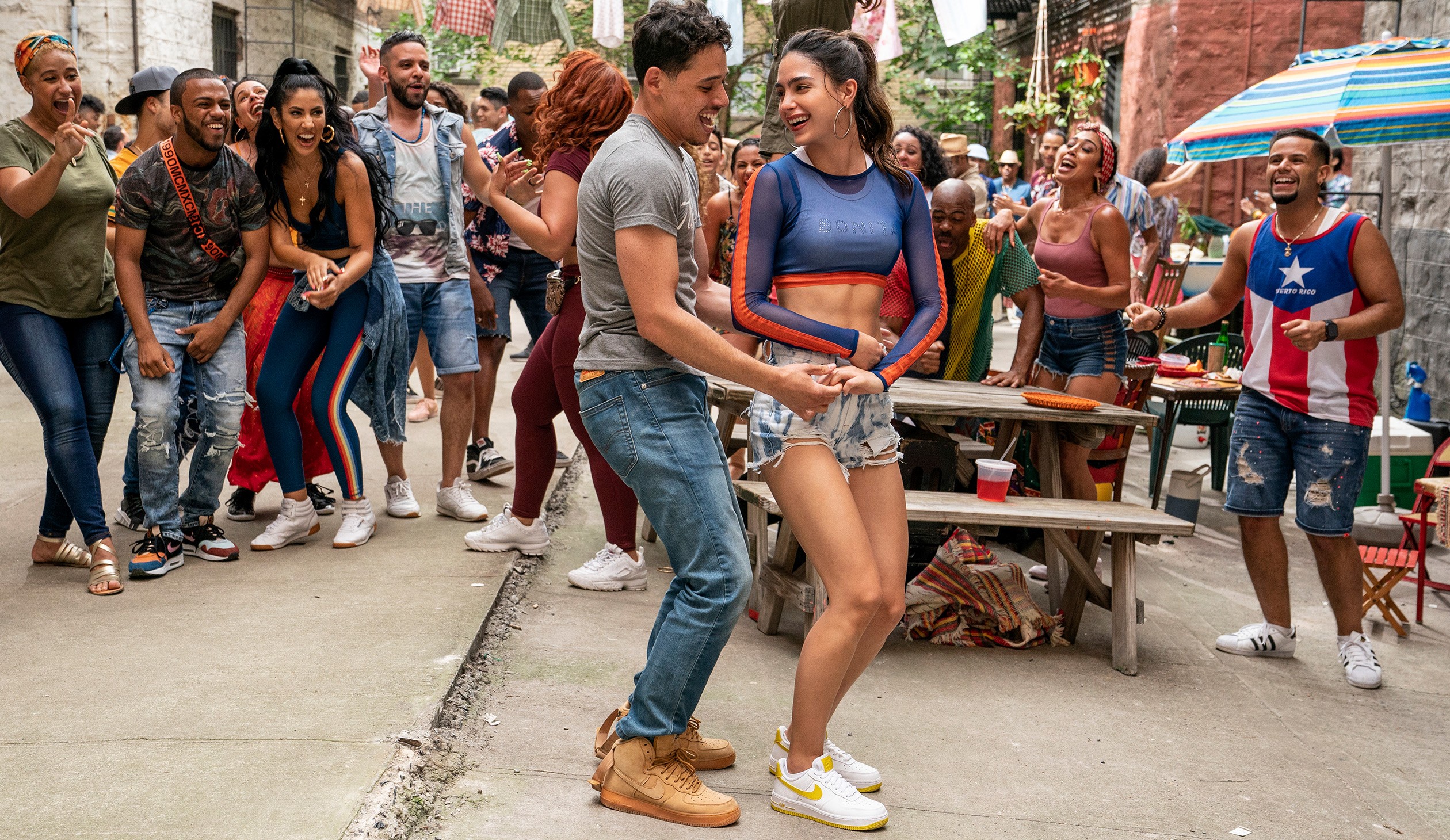
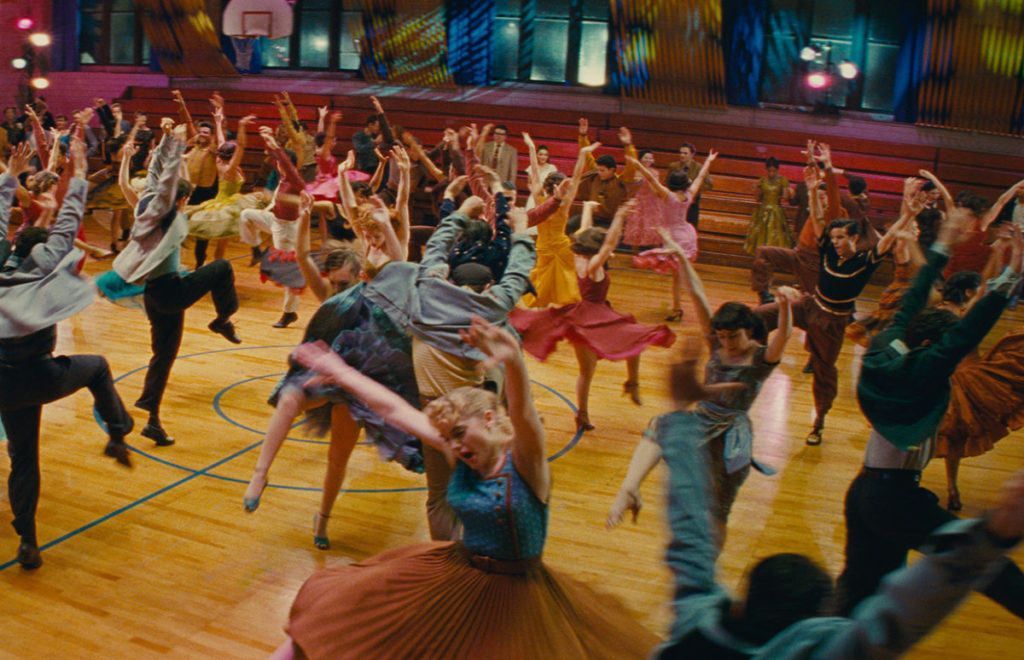
Spielberg, however, went headlong into realism and detail, which severely undermined the musical component. In the original "Story," the conventionality of some sets helped the viewer more easily believe that arguing about life in America is best done in song. When we see real streets, realistic settings, and bloody fights, the singing and synchronized choreography seem forced. Excessive groundedness and "life as it is" do not sit well with ballet steps in the middle of a roadway.
Conclusion
"West Side Story" once again falls into the category of strikingly beautiful pictures that are always hindered by something from becoming truly good films. Recommended for musical lovers, but for an introduction to the genre, I suggest choosing something else.
Comments
0No comments yet.
Sign in to join the discussion.