
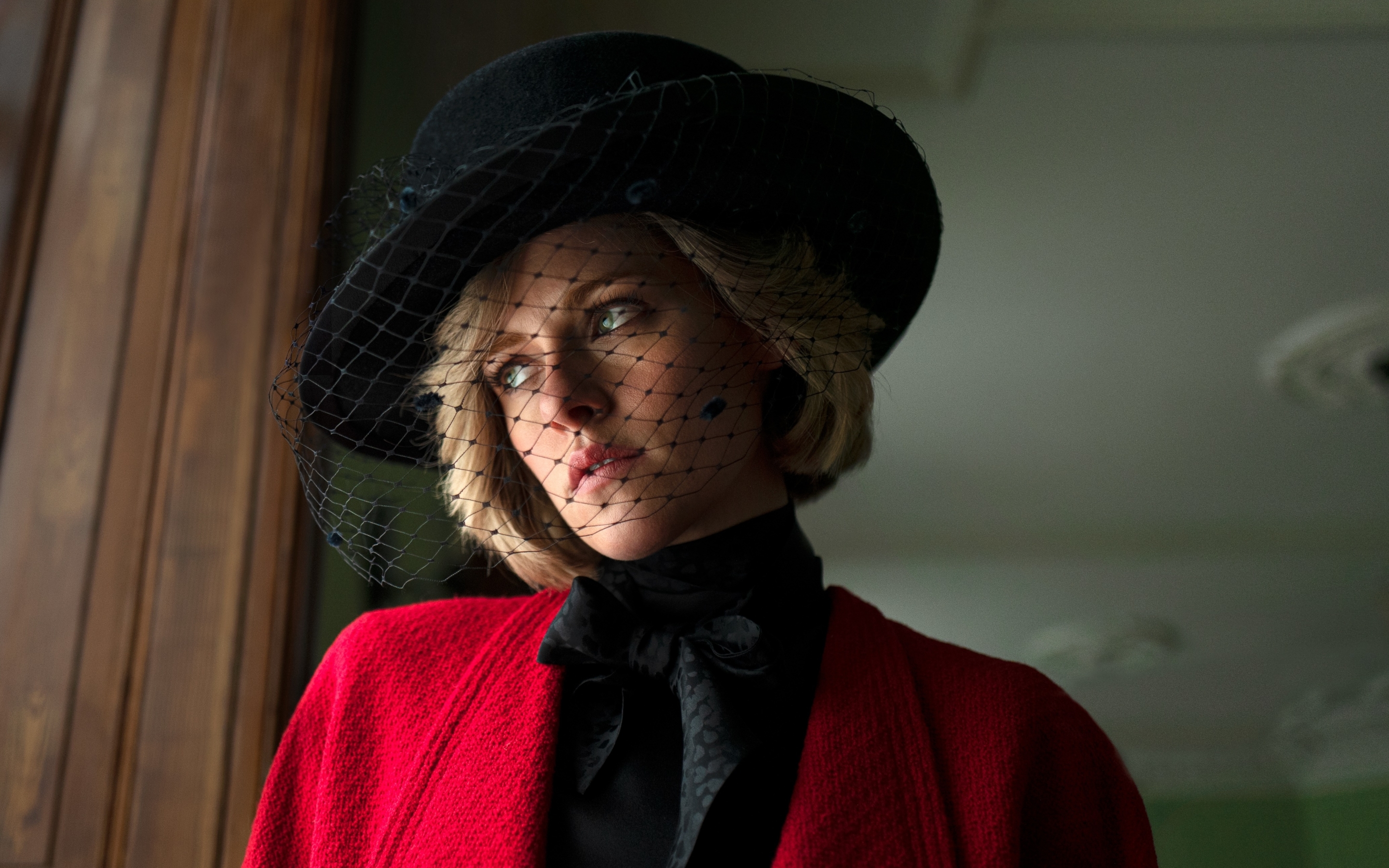
This year, Kristen Stewart has a high chance of winning an Oscar for her role as Britain's beloved Princess Diana in the film "Spencer." But is the film itself actually interesting?
Synopsis
The film tells of three days that Princess Diana spends at the royal residence Sandringham on Christmas Eve. The mental state of the royal person leaves much to be desired, and it is further aggravated by being among people who watch her every move, word, and outfit.
The only outlet for the confused Diana Spencer becomes her children, William and Harry, and her close friend and dresser Maggie (Sally Hawkins), while her childhood home, just over the hill, is so close yet so far away…
"Spencer" Is Actually a Film About Meghan Markle
No, not literally. But let's face it – after the interview that Prince Harry and Meghan gave to Oprah Winfrey, and their subsequent renunciation of royal titles, everyone and their mother has taken a swipe at the royal family. And riding this wave of negativity comes "Spencer," which does much the same – it shows how such an environment can consume an unprepared fragile woman.
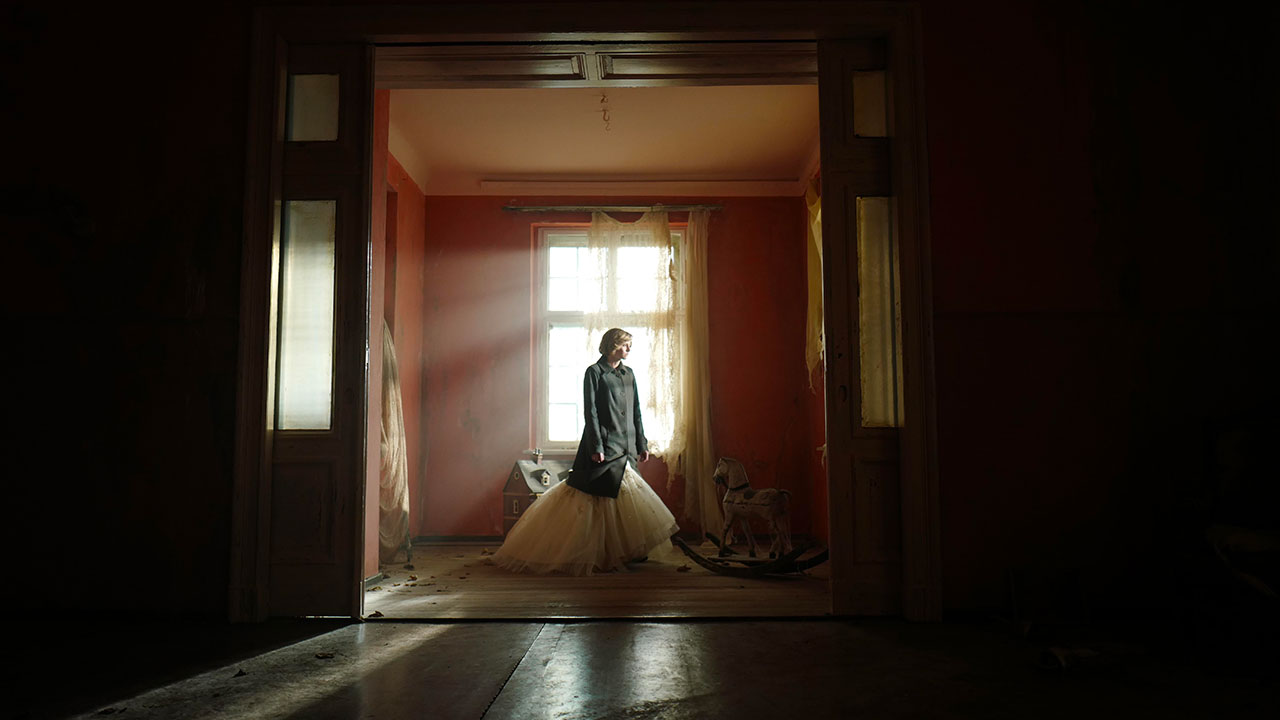
The problem here is that Princess Di indeed had mental health issues before she decided to divorce Prince Charles. And it feels a bit exploitative – using embellished but real suffering of a person to promote a modern narrative. And someone might say: "Who said you can't do that, if shedding light on past problems helps solve present ones?" And I would agree with that someone, if not for a couple of "buts."
The Film Is Frankly Boring
There is a very interesting line between what is called the trendy term "slow-burner" and just boring films. Let's compare "Spencer" with another film this year that is undeservedly sometimes accused of being drawn-out and boring: "".
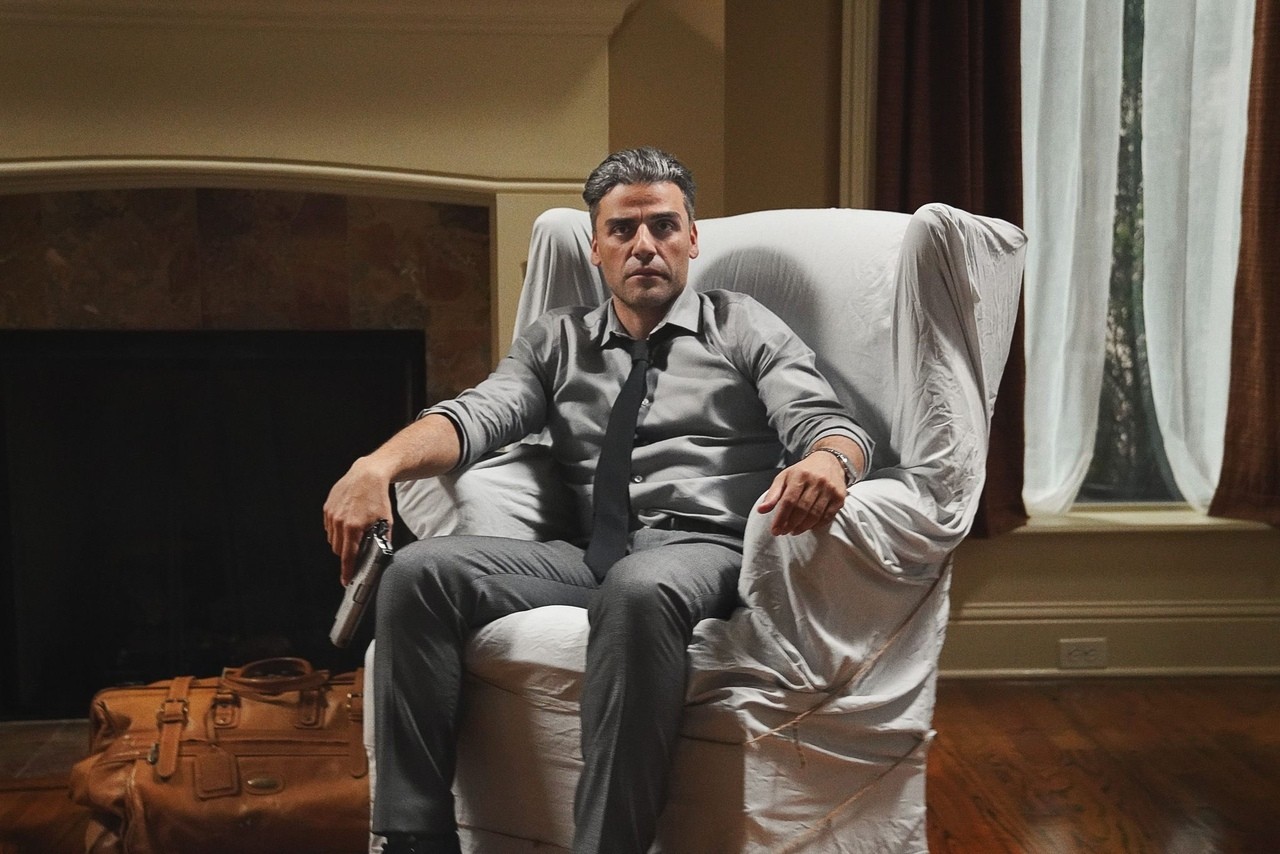
Yes, the narrative in both films is slow and measured, the characters mostly talk and simply exist in the given circumstances. But "The Calculation" smartly inserts contrasting flashback scenes to pique the viewer's interest, adds funny jokes and grotesque secondary characters. Plus, the audience is constantly dangled the carrot of a resolution to all storylines, which the film delivers in full glory. And the previous slowness pays off, making the rare fast moments truly sharp.
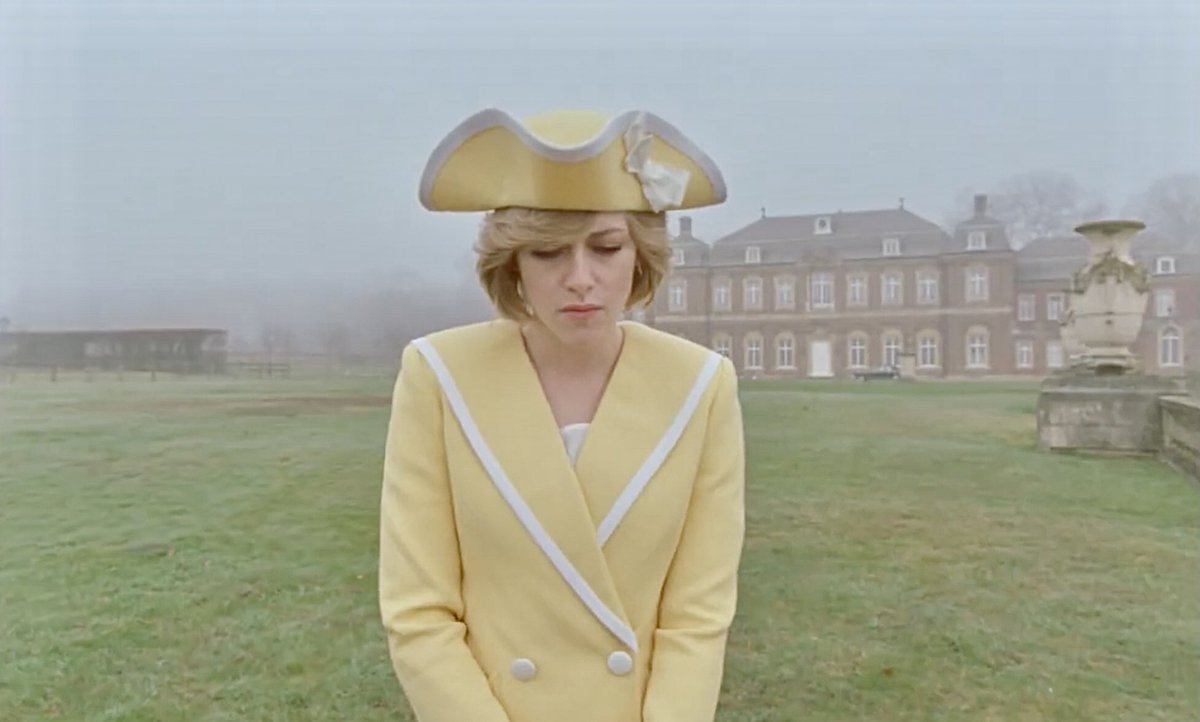
What do we see in "Spencer"? Stasis, stasis, and only stasis. The film hammers the same point, never allowing itself for a second to forget that we are watching Diana's suffering. Suffering shown so detailed, long, and intrusive that it becomes frankly uncomfortable and by the end evokes associations with exploitation. Only with her children and friend is she fine, but generally she is very bad, and everyone should just leave her alone. And that's it. They told us this in the first minutes, repeated it a hundred times throughout the film, and emphasized it at the end.
This is the only theme of the film, and due to the scarcity of material, the characters do not develop or change, and motivations remain exactly the same as at the beginning. Yes, one could say that the intensity of Diana's feelings slightly increases, but that is not enough to make the film interesting. There is exactly one scene with an engaging metaphor that is beautifully made and shot, but even that one scene is not enough.
Music and Atmosphere
The soundtrack best describes what is happening on screen. In the background, the same melody plays all the time, repeating again and again – sometimes performed by piano, sometimes by violin. Only at the end do we get one song that symbolizes the end of this story, but it feels alien and tacked on at the last moment. Perhaps one can see an analogy with Diana, who also does not fit into her surroundings.

Still, the soundtrack benefits the film – "Spencer" can be considered successful in creating an atmosphere of claustrophobia, anxiety, and mild nausea. This film immerses you in a state where Diana Spencer's actions become, if not logical, then understandable. Where the script falters, the cinematographers and editors step in. But, unlike the stunningly beautiful "", the atmosphere of "Spencer" is not enough to outweigh its flaws.
Conclusion
All this time we haven't said anything about the actors themselves – neither about Kristen Stewart, who perfectly portrayed Lady Di's accent, nor about the majestic Timothy Spall (the only interesting character in the film), nor about the solidly performing Sally Hawkins and Jack Farthing (Prince Charles). But what can we say about them if they had almost nothing to work with?
In short, if you are more about mood than narrative, "Spencer" might appeal to you. But you won't get a satisfying plot.
Comments
0No comments yet.
Sign in to join the discussion.