
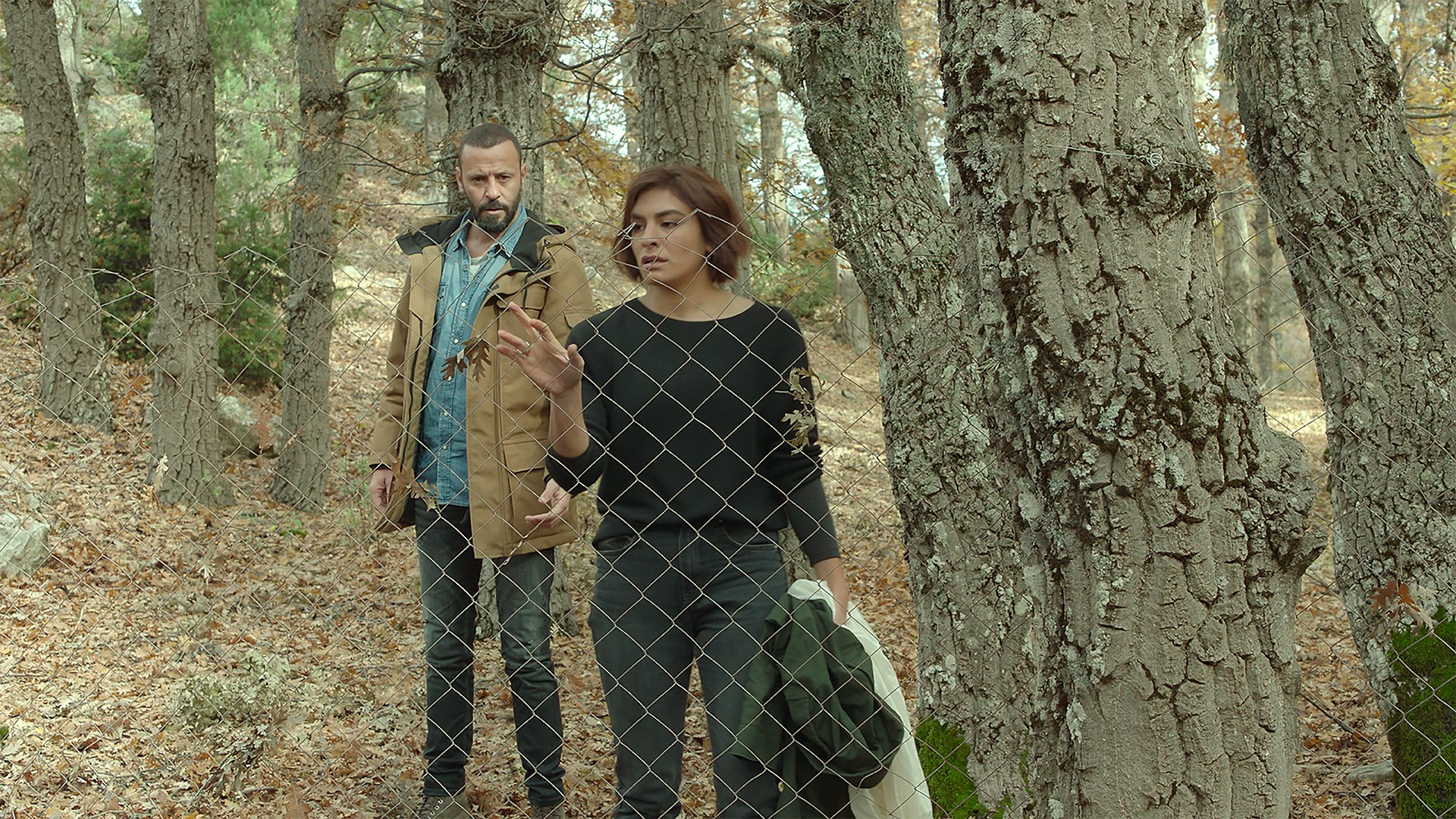
The fourth day of the Listapad film festival has passed. We watched two films from the main competition that left mixed impressions.
Main Competition
"Seven Little Coincidences"
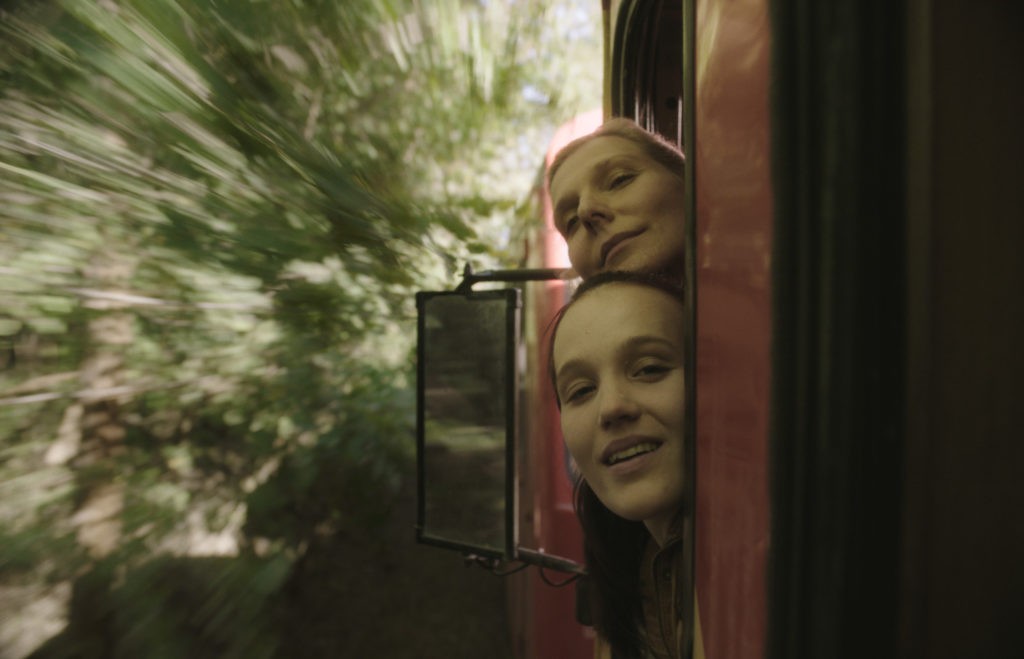
Music teacher Gertrude, tired of family life with her artist husband, goes out into nature, where she meets her former student. The girls have mixed feelings for each other. This becomes the final reason for both to dive into their past. Reality mixes with dreams, and loyal friends begin to disappear somewhere.
"Seven Little Coincidences" is a new work by Hungarian Peter Gothar, his first after a twelve-year hiatus. The winner of the Golden Lion for Best Debut has made a most tedious film that exists in its own space. This is yet another movie about hard family life, overflowing with false images, which confuses the viewer until the very end. The metaphorical nature of what happens on screen reaches an extreme: the past is shown in black and white, the sound of a working toaster becomes a jumpscare, and philosophical morals are conveyed in conversations between two naked girls under the bed.
The very form of the story, containing many plot lines, is also confusing. It is almost impossible to keep track of all of them: characters keep disappearing from the screen without really having time to develop. This not only leads to a state of stupor but also causes boredom, or even sleep.
"The River"
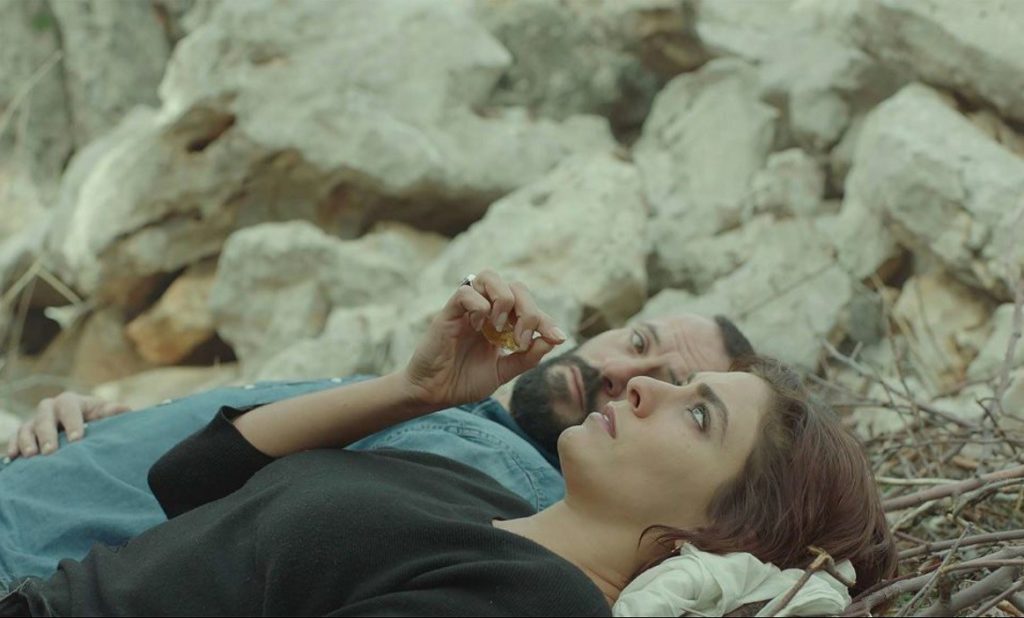
A man and a woman decide to leave a Lebanese restaurant located in the heart of the mountains. A plane flying high in the sky catches the couple's interest: a war is going on nearby, the sounds of which reach the characters. Suddenly the girl disappears, and the guy goes to look for her, ending up in a mysterious forest filled with silence. The nature surrounding the main characters becomes a key "player" in the budding relationship.
Lebanese cinema is another rare specimen that the organizers of "Listapad" managed to catch. A vivid example that, despite the political situation in the country, the new organizers were able to gather films from completely different corners of the world, which never cease to amaze.
"The River" is a meditation film containing several narrative layers at once. It is a story about the love of two people lost in their own worlds, offering a unique perspective on the story of Adam and Eve. The young people seem to have stopped in a single moment, left alone with nature, without any surroundings or connection. Due to the approaching winter, the forest began to "fade": leaves rustle underfoot, plants die, and animals go to sleep. Together, they must create a new "life," or perhaps destroy it forever. While an endless war rages beyond the mountains, the couple must reconcile with each other, accepting their shortcomings.
Many will not understand "The River": for the first hour, almost nothing happens on screen except wandering, and all the important plot details are revealed through complex metaphors. The forest becomes not only a means of communication between the characters but also helps the characters reconcile with their internal "issues." In "The River," one has to feel much more than understand: all elements of the film play a significant role, even those that seem insignificant. The plane flying in the sky, like a stopwatch, shows the transience of time, which changes much between the loving couple. A similar technique was used by Christopher Nolan in his "Dunkirk": there, aerial scenes created tension, showing the lack of any opportunities for the soldiers left on the shore.
The film also recalls the recent "". Sound coming from somewhere in the sky, memories of the past influencing the present, as well as dreams – all these are elements of both films, created in completely different cultural societies of Lebanon and Colombia. The main location also brings the films together: the forest, which reveals the secrets of the past for the characters. And considering that viewers complained about the lack of any action in the films, this even speaks to the "neighborhood" of the two directorial styles.

We tell you what to expect from the film "Memoria," the new work of Cannes Film Festival laureate Apichatpong Weerasethakul.
Open material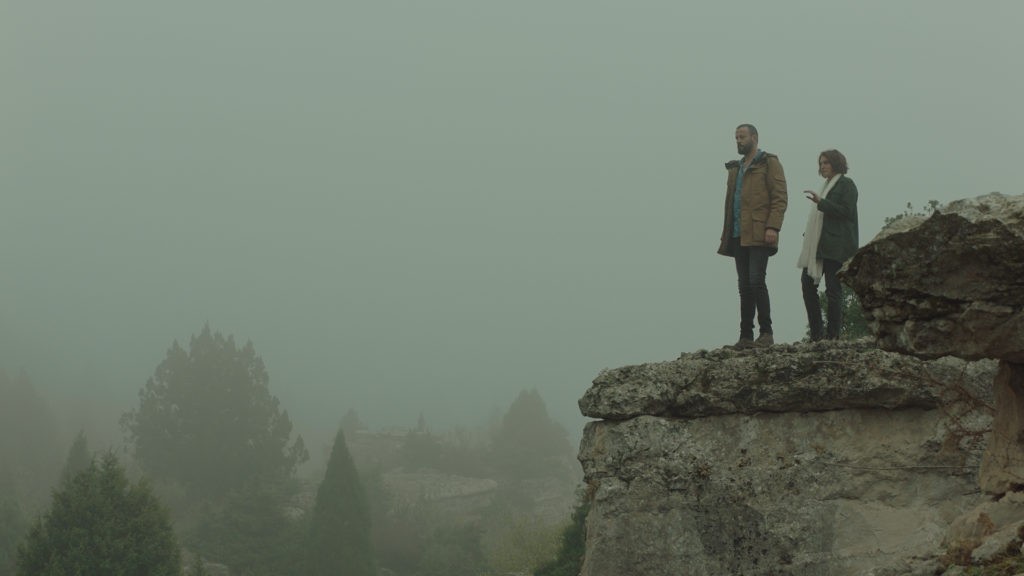
True, unlike Weerasethakul, Ali Suliman in the finale explains to the audience what was happening throughout the entire action. The metaphors are simplified to a childish level, and the main image becomes an attempt to re-chew all the information accumulated over almost two hours. A pause in the middle would have saved the film from any shortcomings, placing it alongside the best films of the year, but as it is, cinephiles had to settle for mere meditation, capable of holding their attention for a while.
Comments
0No comments yet.
Sign in to join the discussion.