
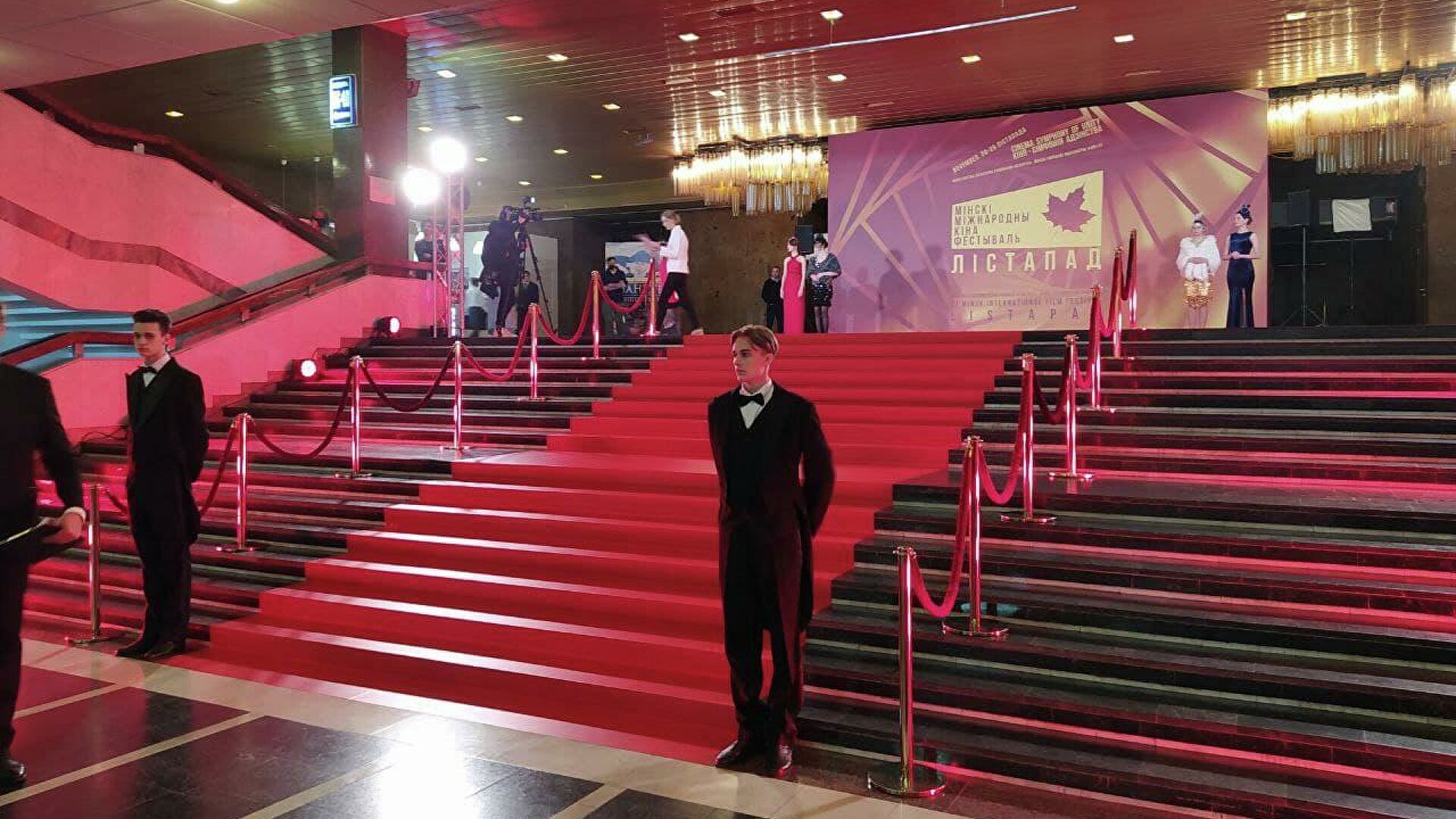
The main Belarusian film festival Listapad has opened in Minsk, changing its organizers this year. We try to figure out what has changed in the festival with the arrival of the new management, and also try to find the "gems" of the film festival.
A holiday for film lovers in Belarus has begun. The country's main film festival, Listapad, known for its excellent program of films from around the world, has opened. This year, the festival's management changed: instead of the usual team from ART Corporation, the organization was taken over by the company Belarusfilm, which alarmed many film fans. There was also concern that this year's festival was built from scratch: the main programs and selection criteria changed, the "geography" of films expanded, and screenings extended beyond the capital. Over six days, we will try to find interesting films, jotting down impressions in brief daily notes.
Children's Film Competition
The children's film competition is always an event at the festival. Here you can not only take a break from serious competition entries by immersing yourself in a carefree fairy tale, but also get acquainted with completely incredible animated films that you won't see anywhere else. For several years now, the Listapad management has brought animation from around the world, capable of competing with American animation, at least in terms of heartfeltness. This year, surprisingly, was no exception: the main program includes not only several feature-length works but also two series of short films collected from all over the world.
However, the opening of the competition itself turned out to be somewhat dull and uninteresting. Even despite a small theatrical performance aimed at a young audience before the screening, it was not possible to enjoy the film.
"Stars of the Seventh Heaven"
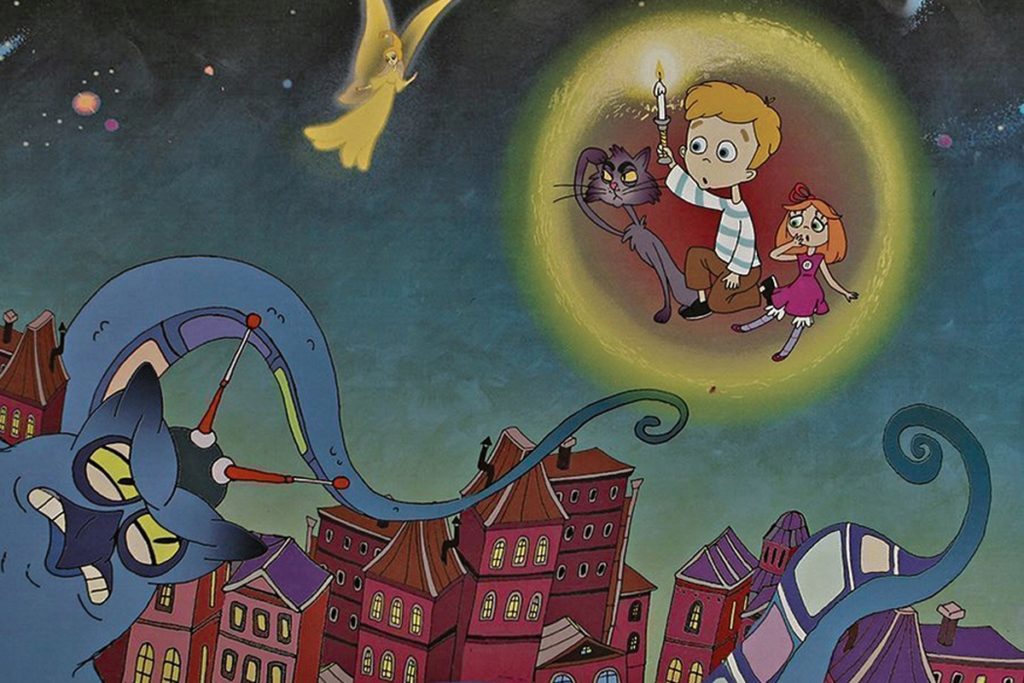
"Stars of the Seventh Heaven" is a Belarusian animation produced at the Belarusfilm studio, capable of interesting only the very youngest. In pursuit of modern trends (including experiments with the musical format, breaking the "fourth wall," and even references to philosophy), the creators lost the magic of the cartoon itself, so the cozy fairy tale had rather a soporific effect. On the other hand, perhaps that's what they were aiming for: the cartoon has a character who literally personifies sleep, and the kind wizard telling the story resembles lullaby characters in his appearance.
Short Films ("Boo!", "Daddy is Big, I am Small", "Mouth Full of Water", "Prelude and Fugue", "Eternal Flame", "Tommy and the Lion Cub", "I Hide a Secret in the Depths of My Soul")
This year, the short film competition was very impressive: almost every miniature stood out from the others, giving the effect of traveling from one culture to another. Belarusian films also did not disappoint, holding their own against the general backdrop.
"Prelude and Fugue" was the director's nostalgia for the past century—a carefree childhood where one didn't want to study, and a beautiful time running parallel to a cruel political regime. And "I Hide a Secret in the Depths of My Soul" is dedicated to the Belarusian writer Maksim Bahdanovič, a classic of folk literature whose poems have won the hearts of many readers. The picturesque animation set to the poet's work managed to impress the audience with its simplicity and honesty.
"Boo!" is the simplest and most childish cartoon in this program, telling about a little girl who tries to scare her dad. The same theme is seen in the film "Daddy is Big, I am Small". Here it is presented in the context of loneliness: a daughter waits for her father who has gone on a long voyage. The relationship between fathers and children is one of the most pressing issues that will never disappear. The same can be said about communication between people and animals, which is seen in "Tommy and the Lion Cub" and in "Eternal Flame". However, while in the first case the animal helps the human, in the second story mutual help goes the other way. "Eternal Flame" is an animation not only about the Earth that we must preserve for future generations, but also about the love between two birds lost in the big world.
The strangest film so far was "Mouth Full of Water", which captivated the entire audience with its story. What was happening in this cartoon? How did it get into the children's competition? These questions are quite difficult to answer, as is understanding the main meaning of the film. First we see the sea, near which there are cut-down trees, and then a person brushing their teeth. It seems clear that the film is about the lack of water that we waste, but then the oaks turn into deer, and the person starts moving along them until they reach a sink. The cartoon has a good chance of winning: the director's psychedelic fantasies managed to impress many young viewers much more confidently than the other films.
"Even Mice Belong in Heaven"
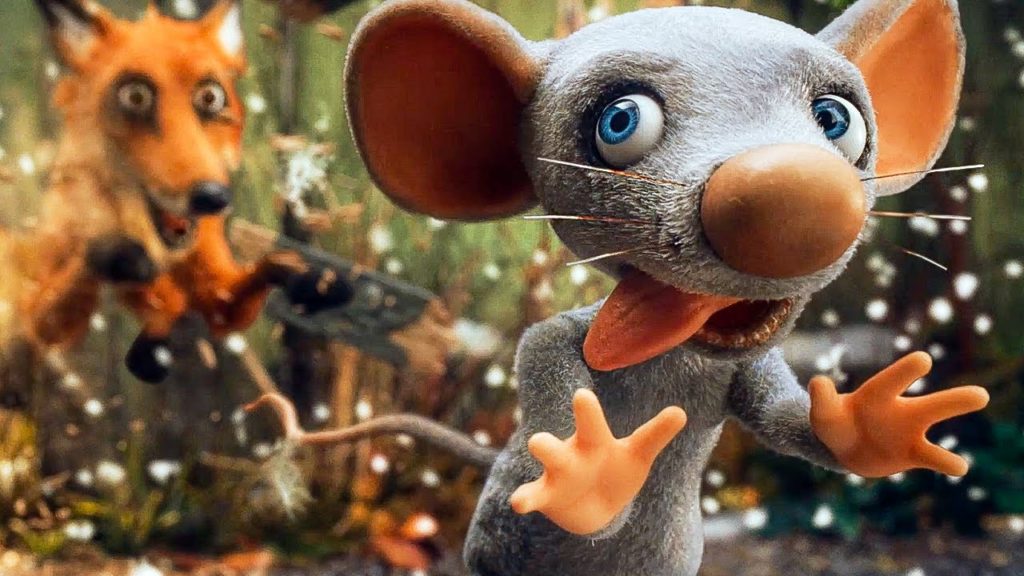
"Even Mice Belong in Heaven" is a unique blend of Zootopia and The Truman Show, impressive in its animation. According to the plot, two sworn enemies, a fox and a mouse, must become friends in heaven and understand that one should not judge others by appearance. This is probably the most beautiful cartoon of the year, which few will see.
First, because of the difficult story that begins with the death of the two main characters.
Second, because of the dark atmosphere that can scare young viewers. Yes, even though heaven is a bright place, it also has its dark corners.
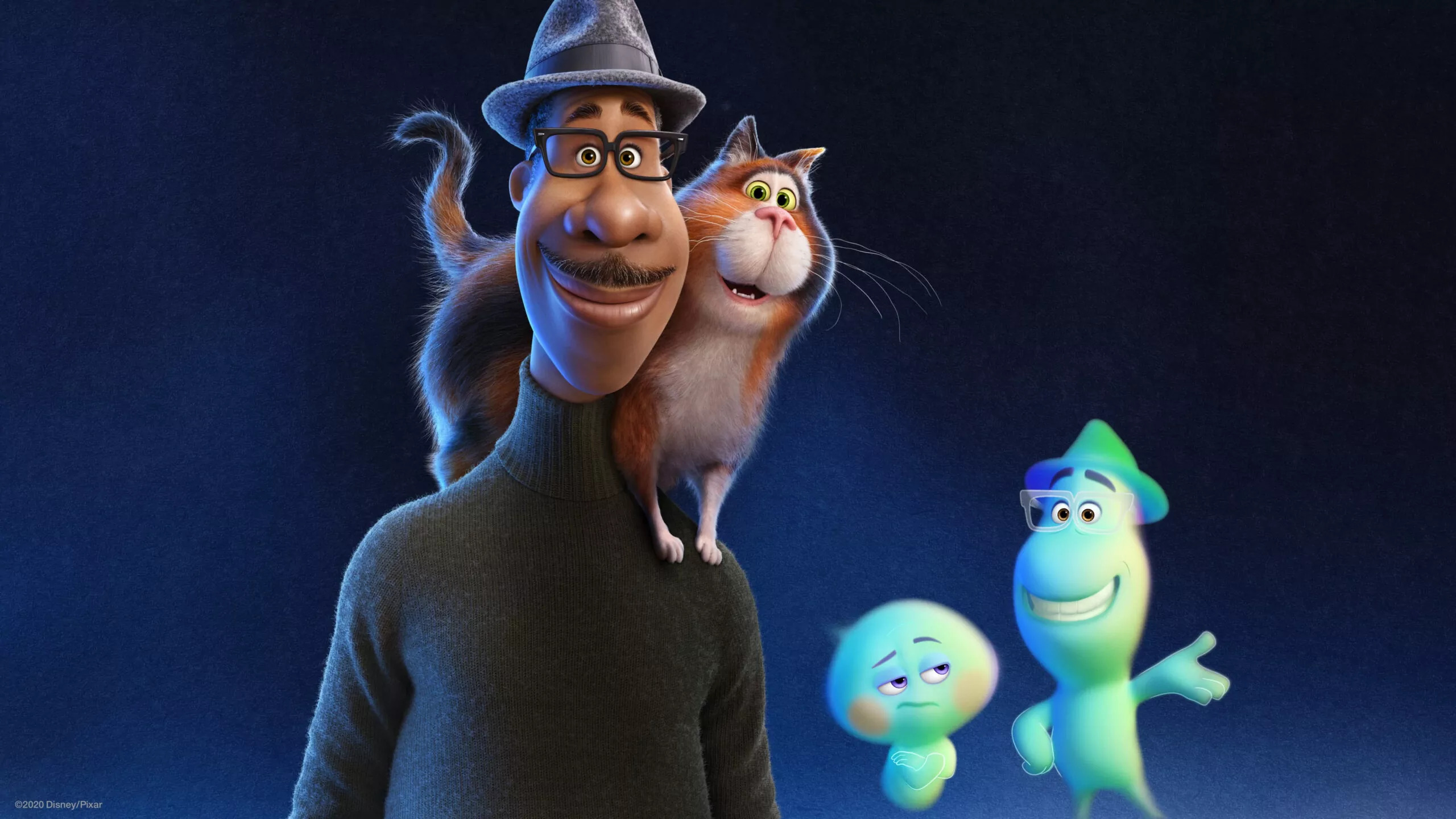
Third, the cartoon is aimed more at adults than children, who will frankly be bored. "Even Mice Belong in Heaven" goes much deeper than the popular "Soul", leaving a lot to ponder after the screening.
The Czech cartoon can probably easily compete for the title of one of the best animated films not only of the festival, but also of the year.
Main Competition
"The Royal Game"
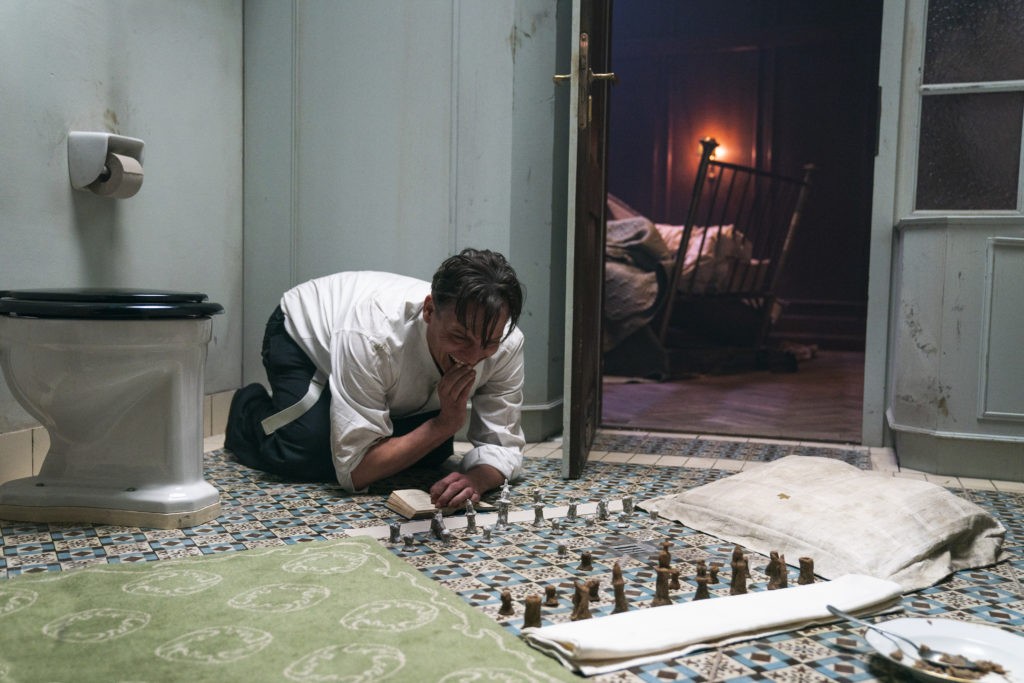
The main competition opened with "The Royal Game", an adaptation of a novella by the famous playwright Stefan Zweig, written in the last years of his life in 1941. This is a puzzle similar to the recent "The Father" by Florian Zeller, which tells of a chess player in a concentration camp suffering from a personality disorder as a result of torture. The elegantly assembled puzzle is divided into two parts: the action takes place simultaneously in Nazi isolation and on a ship separated from the outside world.
Probably, "The Royal Game" will go down in history as one of the most unusual films about chess: a certain obsession drives the main character to lose his mind, and his external world begins to fall apart into fragments. Did he have a wife? Where is the ship sailing? These questions torment the chess player until the very finale, which even Christopher Nolan himself would envy. A brilliantly acted film capable of surprising many, including the most seasoned viewers.
Comments
0No comments yet.
Sign in to join the discussion.