

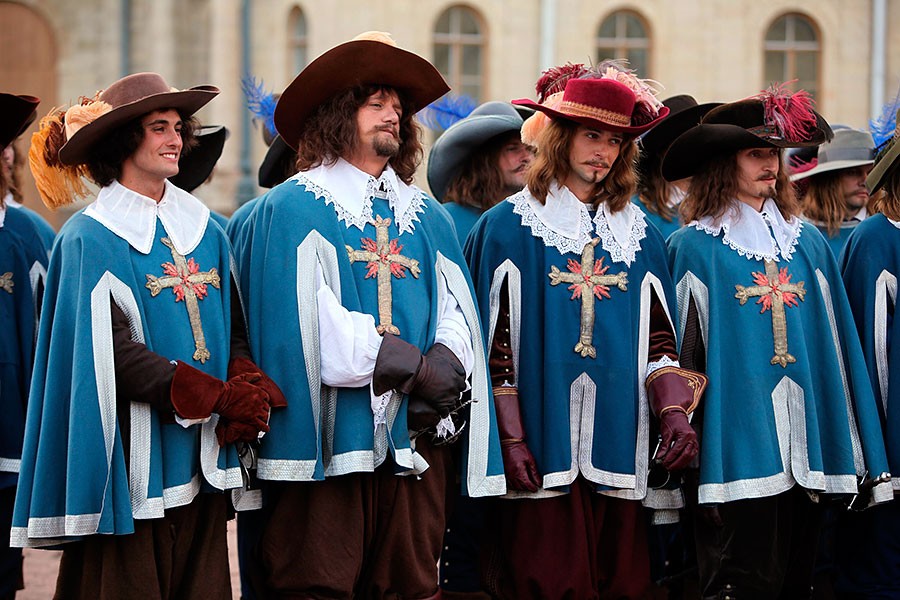
The previous article examined St. Petersburg in the series 'Sherlock Holmes' (2013). In this article, we will travel to Sergei Zhigunov's Paris in the film 'The Three Musketeers'.
Sergei Zhigunov always dreamed of filming 'The Three Musketeers':
I had been reaching for this work for a long time. What stopped me was a promise I once made to Misha Boyarsky. He said, 'Seryoga, don't. Let me play this out to the end. I want to die on screen in d'Artagnan's costume, with the baton of the Marshal of France in my hand.' I understood that this was very serious for him. And I love him (Misha) very much. So I held back. Recently, I met him in Kyiv, at the airport, we crossed paths. I said, 'Mish, have you played it out?' He said, 'Yes.' I said, 'I've started.' He said, 'Well, it's a good book. Why not film it?' So, in short...
Zhigunov, who acted as both director and producer, wrote the script himself. His intention, judging by early interviews, was to make the most thorough film adaptation of the novel:
I have great respect for Dumas; his books have lived for centuries, so I did not allow myself to take liberties with the plot. I didn't touch that, but I worked hard on the dialogues, fleshed out the storylines in more detail, and gave the characters new traits. It turned out to be a dynamic story, adapted for the perception of the modern viewer.
The filming took place in two stages, in Russia and abroad, depending on the required locations.
- 1st half of filming: in Vyborg on the shore of the Gulf of Finland — at Vyborg Castle (more than 10 scenes, including the Siege of La Rochelle). Also in Peterhof — at the Grand Peterhof Palace, in the Peterhof park 'Alexandria'; in Gatchina — on the grounds of the Grand Gatchina Palace; at the Mukhinsky School (St. Petersburg).
- 2nd half of filming: in the Czech Republic (at Bouzov Castle and Pernštejn Castle, in Olomouc and the picturesque location of Kutná Hora), as well as at the residence of the Princes of Liechtenstein in Valtice. Some interiors that Zhigunov had already used for filming 'Queen Margot' were also utilized. According to director Alexei Zlobin, everything related to landscapes and architecture was filmed abroad, as it is closer to French.
Grave of gardener Pyotr Erler in Alexandria Park (Peterhof)
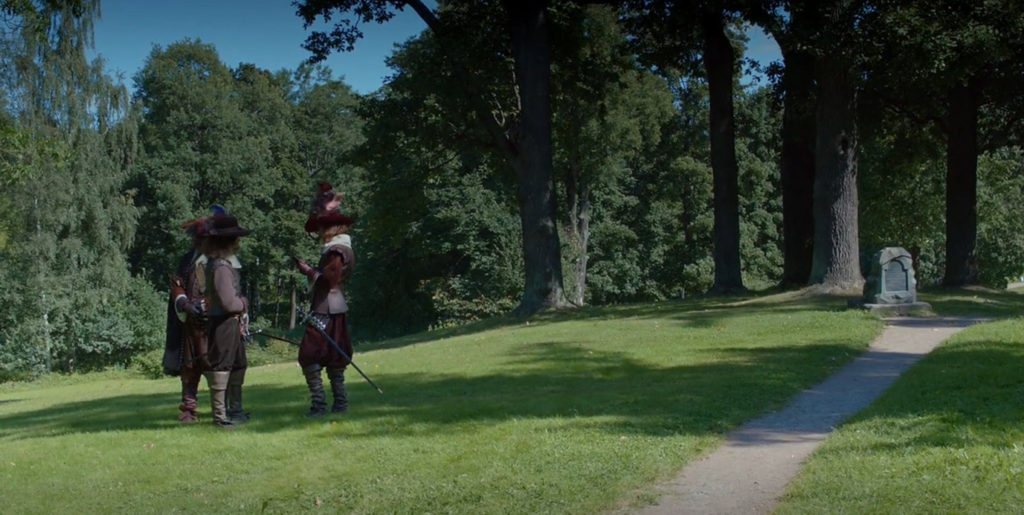
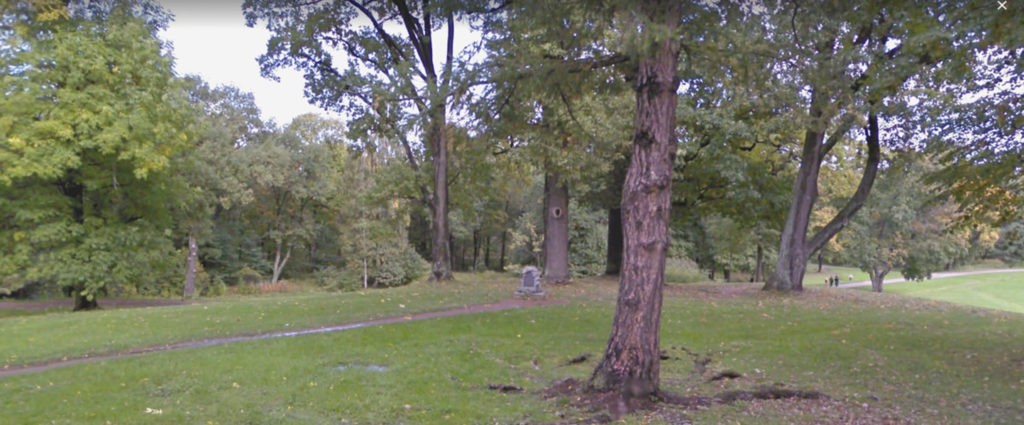
In 1970, the ashes of the garden master Pyotr Erler were transferred from the Holy Trinity Cemetery in Peterhof to Alexandria Park, to the place that the great 'garden master' created with his own hands and to which he devoted decades of his life.
Gothic Chapel in Alexandria Park (Peterhof)
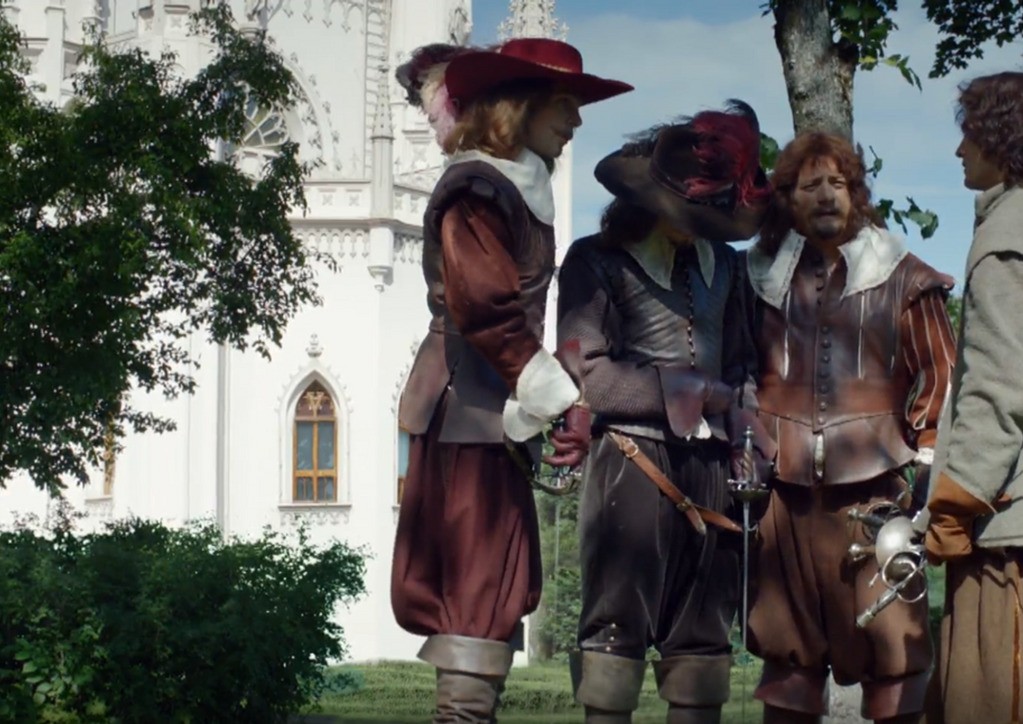
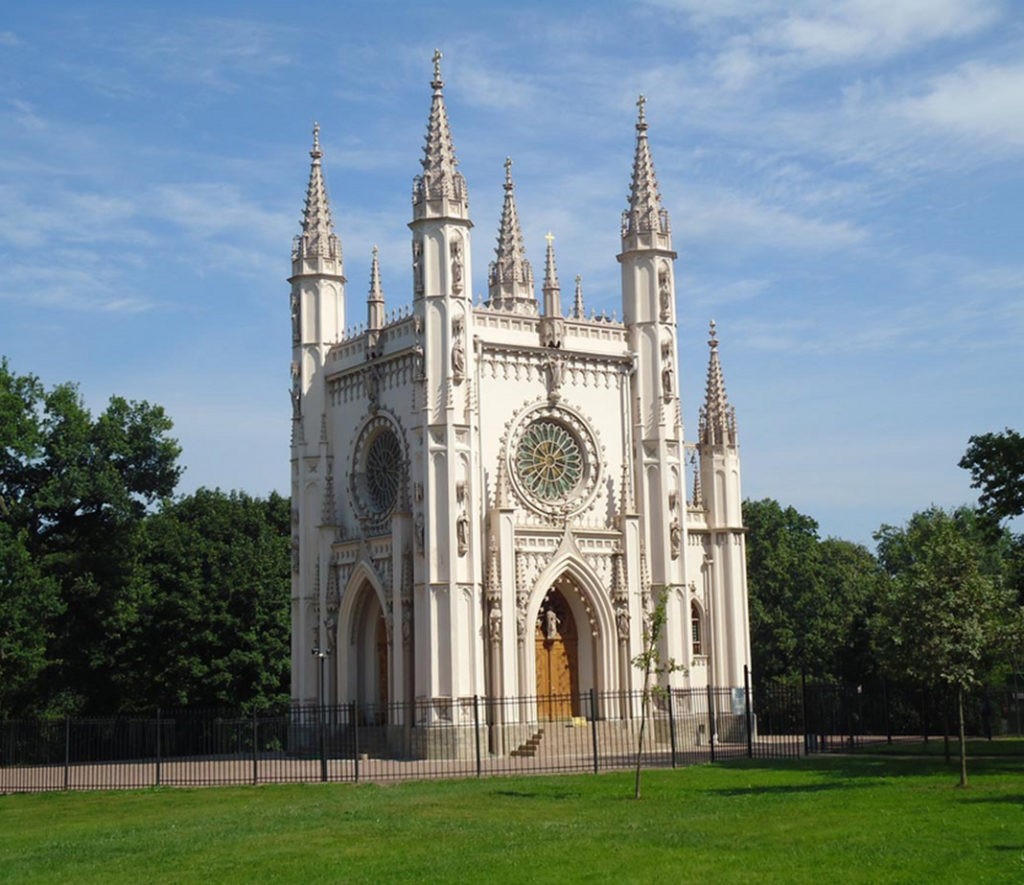
Emperor Nicholas I gave Alexandria Park to his wife Alexandra Feodorovna and named it in her honor. Alexandria was the summer residence of the imperial family, or simply, a dacha. When laying the foundation of the church according to the design of architect Karl Schinkel, Nicholas I took off a medal he had received during the Russo-Turkish War and placed it inside the cornerstone of the building. Following him, members of his family and close associates placed gold and silver coins there as well.
The church was consecrated in 1834 in the name of the holy Prince Alexander Nevsky. Since then, the Gothic Chapel, so named for its resemblance to medieval chapels, became a place where the entire imperial family prayed in sorrow and in joy. Nicholas I knew church singing well and often sang with his children in the choir.
Kelch Mansion (St. Petersburg)
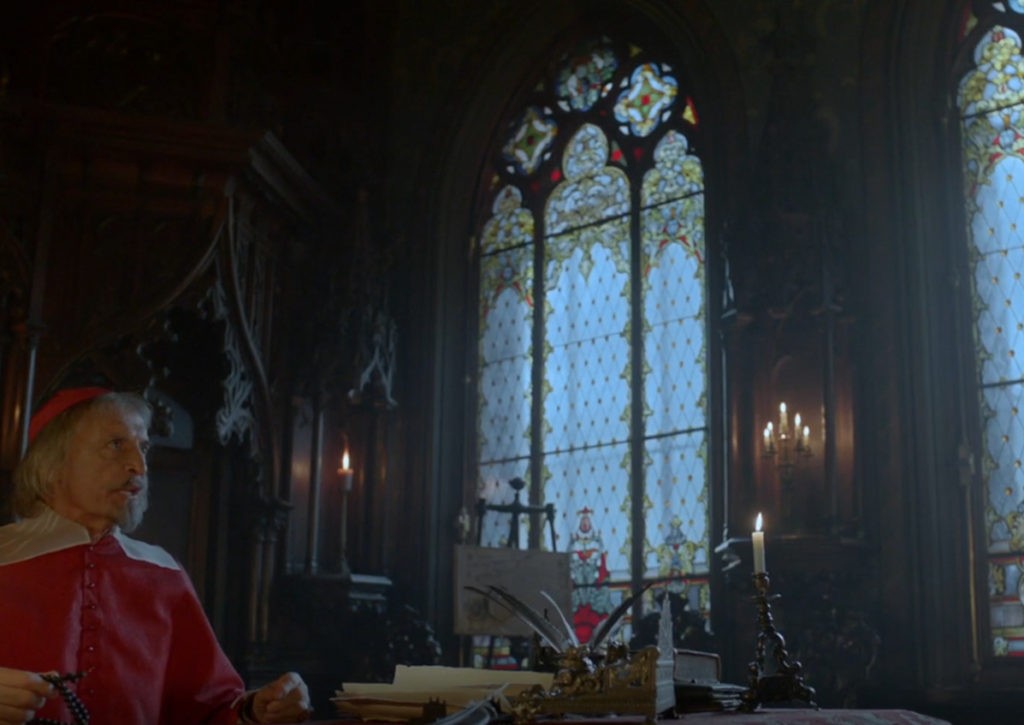
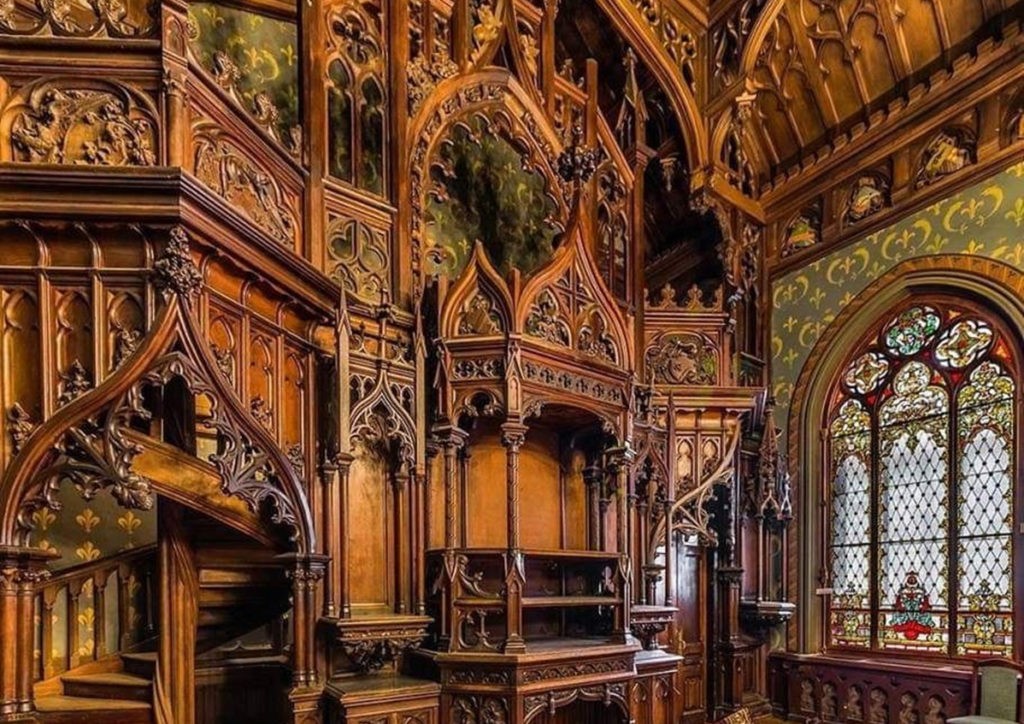
The mansion of State Councillor and entrepreneur Alexander Kelch. The original building changed owners and was reconstructed several times. In 1896, it was purchased by Varvara Petrovna Kelch, heiress of a dynasty of gold industrialists who owned the Siberian and Lena-Vitim Shipping Companies, and she commissioned a renovation of the house. She entrusted the development of a new project to Karl Schmidt, a renowned architect, thanks to whom by 1903 the Kelch Mansion acquired its extraordinary exterior and interior decoration, becoming an example of late eclecticism.
Mukhinsky School (St. Petersburg)
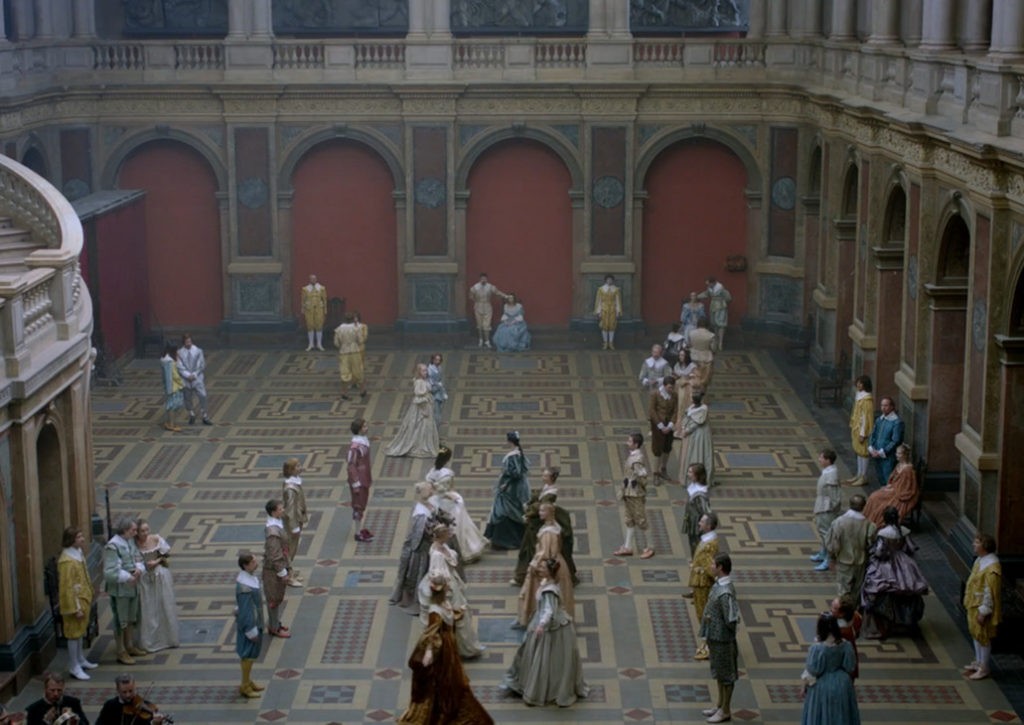
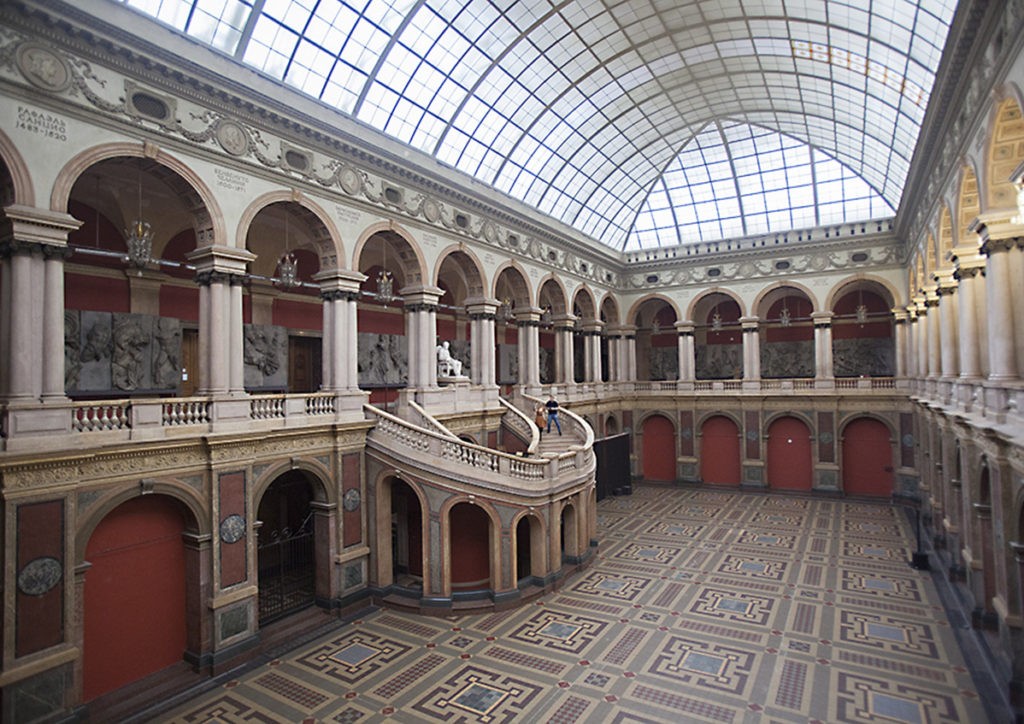
The school was founded in 1876 with money donated by banker and philanthropist Baron Alexander Stieglitz. It produced creative industrialists and masters of applied arts. The school had many departments, teaching students from different social classes painting, sculpture and carving, embossing, weaving, and porcelain painting.
In 1918, the school was renamed the State Art and Industrial Workshops. Later, it was regularly merged with other educational institutions, and in 1948 it became a higher education institution. In 1953, the Leningrad Higher School of Art and Industry was named after People's Artist of the Soviet Union Vera Mukhina. Hence the name often heard from its students – 'Mukha'.
Grand Peterhof Palace (Peterhof)
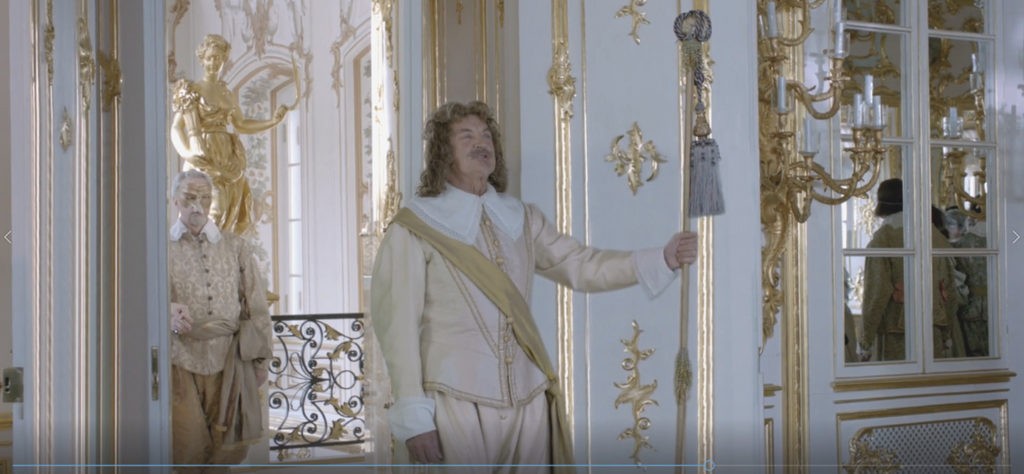
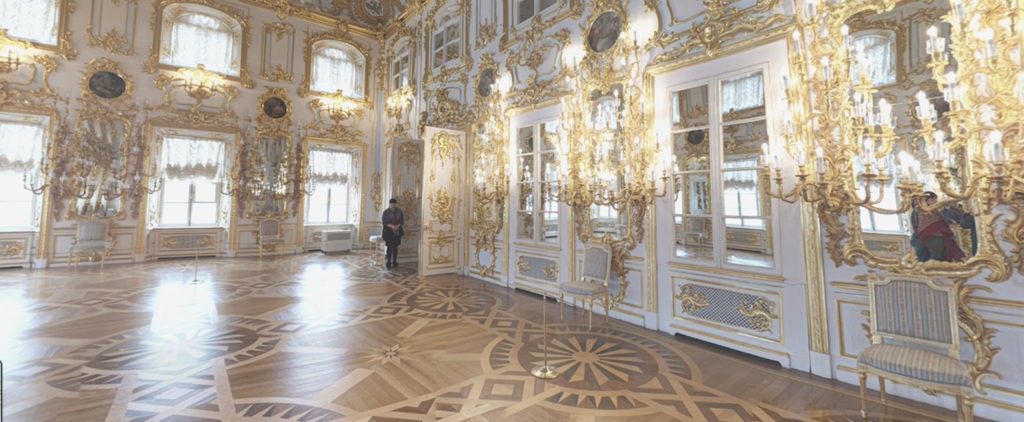
In 1715, architect Braunstein, by order of Peter the Great, began building a two-story palace on the top of a hill, called the Upper Chambers. The peculiarity of the building was that Peter initially did not plan it for everyday life – the richly decorated palace was intended for social entertainment and receptions.
Under Anna Ioannovna, architect Zemtsov added two galleries on the sides of the palace. Rulers and fashions changed; in the 1740s, Elizaveta Petrovna found her father's palace too cramped and modest for the lavish ceremonies she loved. The Empress ordered court architect Francesco Bartolomeo Rastrelli to rebuild the palace.
In 1918, the Grand Peterhof Palace was turned into a museum. During the Great Patriotic War, the city of Peterhof was occupied by the Nazis; the palace burned twice, was blown up and looted. Restorers and museum staff recreated the monument literally from the ashes. The restoration took several decades; in 1964, the first five halls were opened to visitors.
The next 'role' of St. Petersburg in cinema that we will examine is the film 'Silver Skates' (2020).
Comments
0No comments yet.