
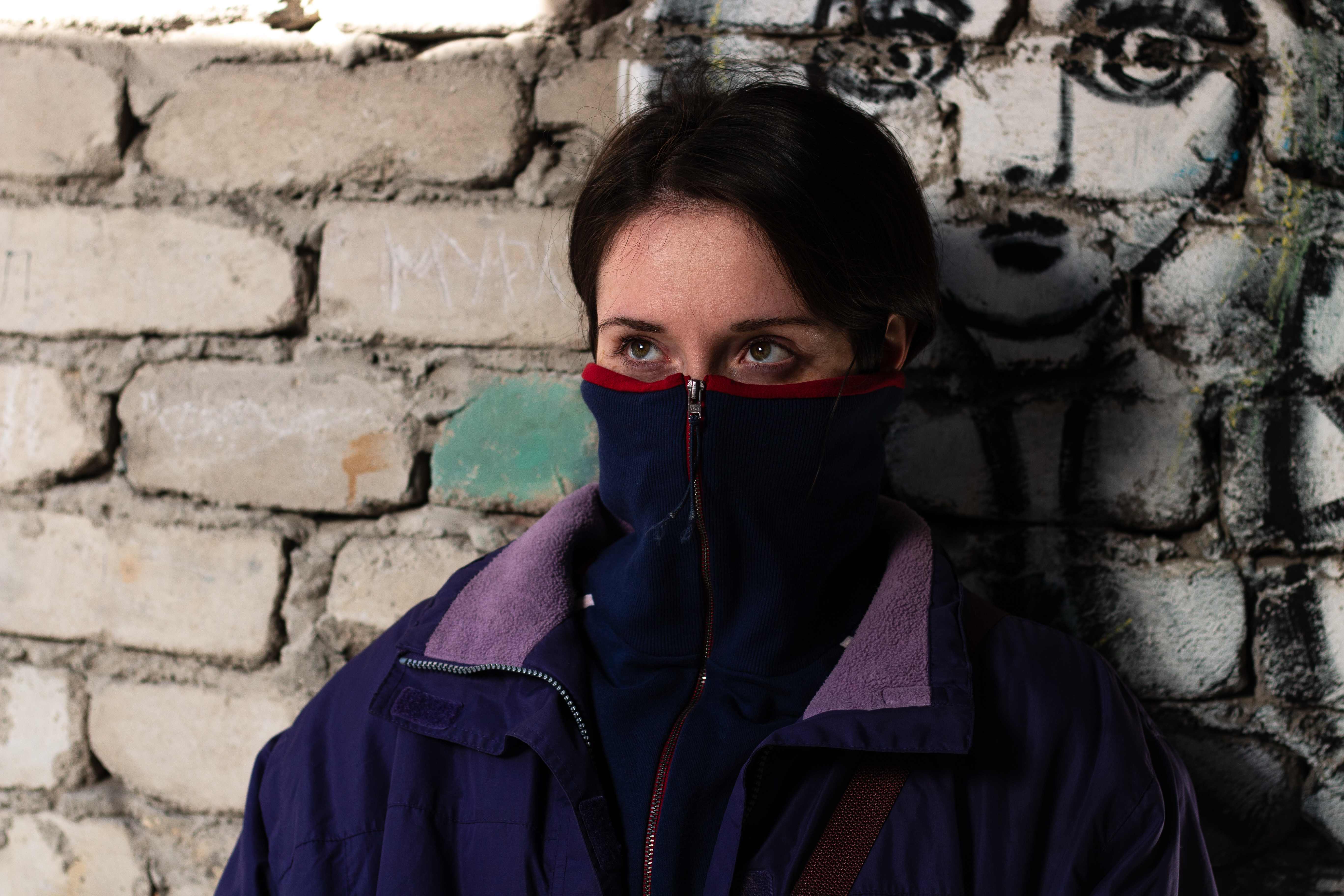
On October 30, the premiere of Kira Kovalenko's film 'Unclenching the Fists', a graduate of Alexander Sokurov's workshop, took place on digital platforms.
The recently released online film ‘Unclenching the Fists’ in a year managed to win the Grand Prix in the second most significant program ‘Un Certain Regard’ at Cannes, travel to the San Sebastian festival, and become the closing film of the 32nd ‘Kinotavr’. It also became known that the film by Kira Kovalenko will be submitted by Russia for the ‘Oscar’ in the ‘Best International Feature Film’ category. We try to figure out what is so special about the film and whether it is worth watching.
What's the plot?
Zaur (Alik Karaev) after tragic events (try to guess which ones) moved his family to the small town of Mizur, surrounded by mountains. After a while, the eldest son Akim (Soslan Khugaev) left for Rostov to earn money. The younger son, Dakko (Khetag Bibilov), is still carefree and doesn't particularly think about the future, while his daughter Ada (Milana Aguzarova), unlike her younger brother, has long been hatching a plan to escape from under her father's excessive care.
All her attempts are instantly thwarted, and her father hid her passport somewhere unknown. There is no hope that Zaur will perceive his daughter as an adult, so Ada cherishes the dream that her older brother will return and help her break free from her father's tight embrace, which is more suffocating than loving.
'My angel whispers something to me, but not in my language'
Kira Kovalenko shot ‘Unclenching the Fists’ entirely in the Ossetian language. For some, this might be a problem when watching and perceiving the film, but this approach by the young director has its own charm.
Firstly, the film is about Ossetia, and although locals know Russian, they have their own language. Secondly, before filming began, Kovalenko asked the actors what language they speak with friends, with family, and which is more comfortable for them to communicate in. When she heard that it was Ossetian, the decision was made to shoot the film in that language (though the script was written in Russian).
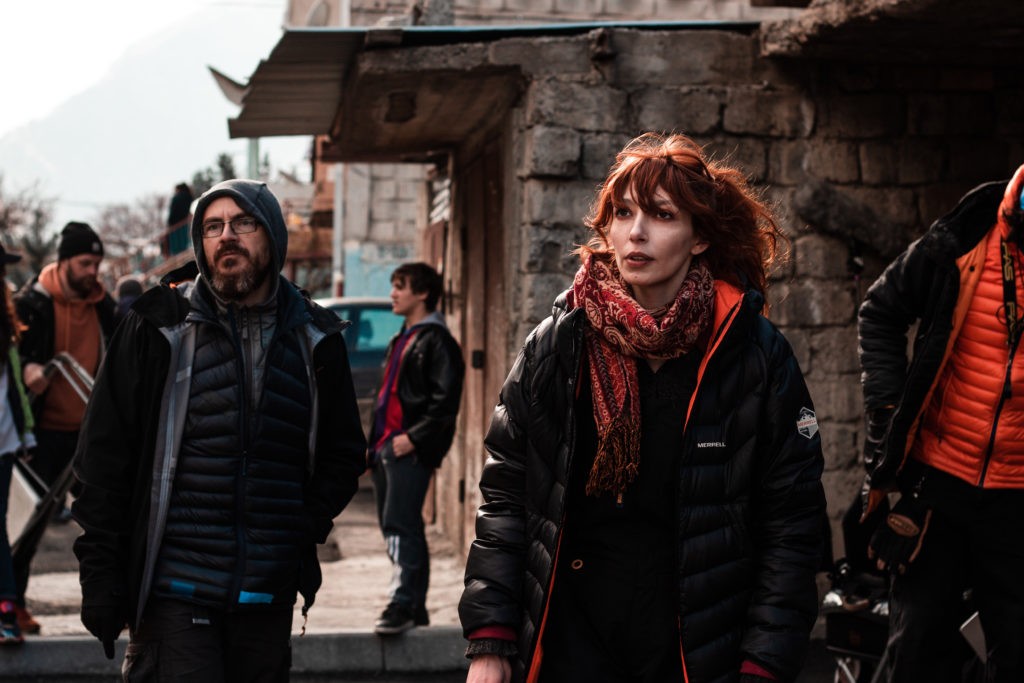
Kira Kovalenko, as a true author, set herself a challenge, especially since it’s not her first time (her debut feature ‘Sofichka’ based on the eponymous work by Fazil Iskander was shot in Abkhazian).
While watching the film, you still listen closely to the unfamiliar language and sometimes familiar words reach your ears. In Ossetia, as in many places in the Caucasus and Central Asia, as far as I know, there is a mixture of languages. Russian words slip into the characters' dialogues. This creates an even deeper immersion into the film's story. It feels as if the viewer is observing what is happening from the side, but as close as is generally permissible.
'My little ghetto won't leave without an answer'
The film is simply imbued with the flavor of the North Caucasian hinterland (sometimes it may remind you of the Russian hinterland, but there are fundamental differences). The Ossetian language is just a detail of this flavor. Another detail is the actors. Among them, there are only two professionals: People's Artist of North Ossetia Alik Karaev, who played the role of the father, and debutante Milana Aguzarova, who became the film's discovery, playing Ada.
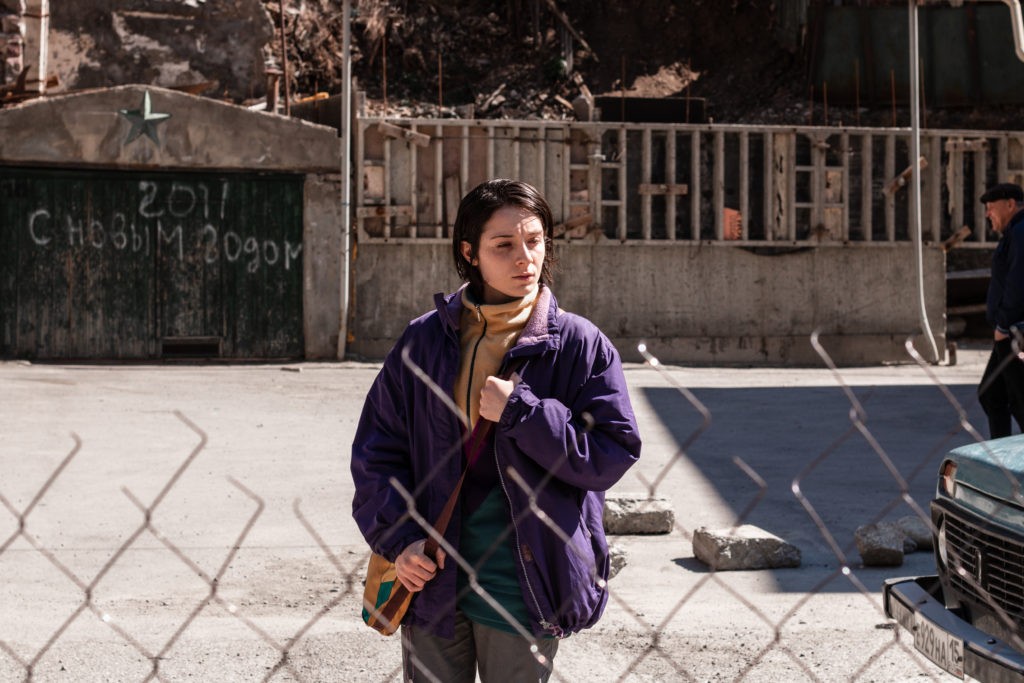
All the rest are non-professionals, residents of those regions, who look no worse in the film. Apparently, Alexander Sokurov knows some secret formula for selecting actors so that on screen professionals and people without acting skills look equally great, since the graduates of his workshop confidently juggle them in their works.
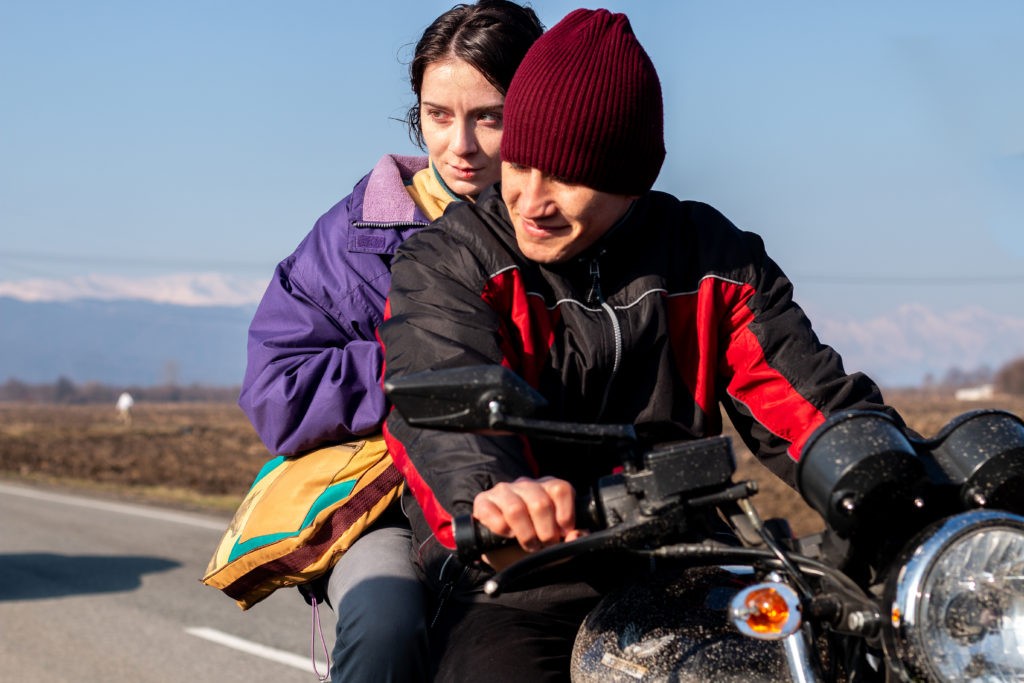
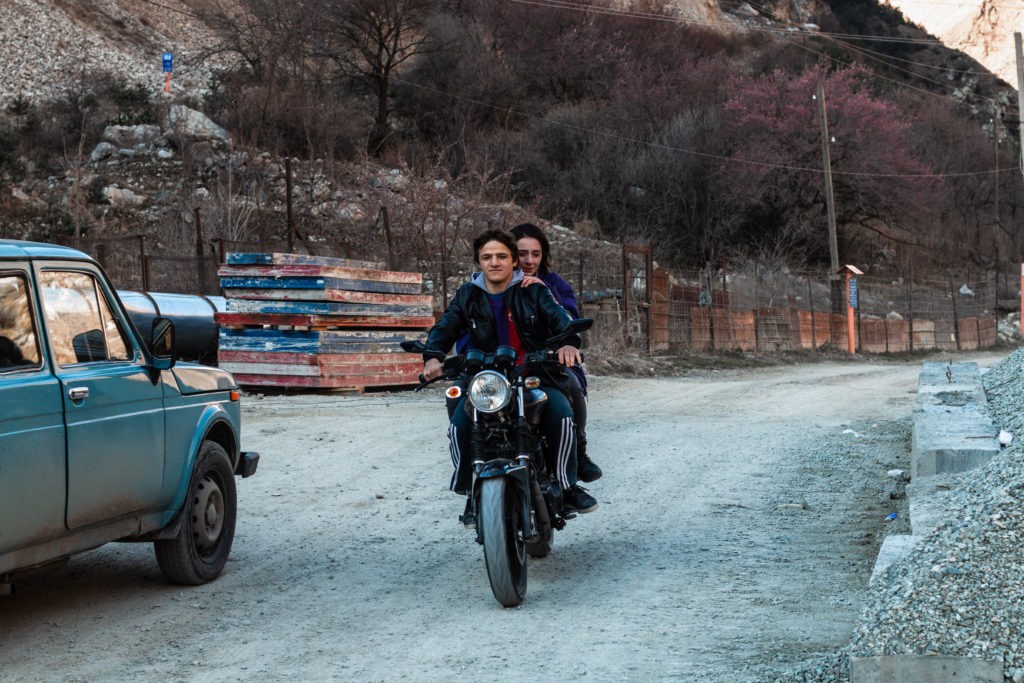
Khetag Bibilov stands out even among the non-professionals. The young man doesn't act, he lives on the screen. His Dakko rides a motorcycle, tells his sister his dreams, and persistently, almost with incestuous inclinations, asks to sleep in her bed, gets drunk (possibly for the first time), and dances plastically with a love of life on his face at a school disco.
By the end of the film, his character almost instantly gains seriousness and matures, and it's absolutely incomprehensible that a couple of days ago this boy was sparkling with emotions on the ‘dance floor’ of the school gym. Carefreeness is swept away by the storm that happened within the family, in which Dakko didn't even want to be involved, but unfortunately, he wasn't asked.
Also, an important detail of the North Caucasian flavor is the documentary style used in ‘Unclenching the Fists’. There is a feeling that Kira Kovalenko is not making a fiction film, but recording reality with documentary precision. The handheld camera of Pavel Fomintsev is too close to the characters' faces at times. We seem to burst into someone else's life, hover over the family's daily routine, and the director quite unashamedly keeps us company.
Sometimes, when it becomes really awkward to loom over the characters' souls, at pivotal moments, the camera tries to hide and observe what is happening not point-blank, but peek around the corner. Sometimes the cameraman runs after the character with a shaking camera, and in the finale the film's cinematic language changes radically.
Kovalenko is not shy about using non-cinematic elements on the big screen, which is another detail of immersion into Caucasian everyday life. All those mugs with drawings, tracksuits and market clothes, push-button phones, old ‘Zhiguli’ cars, and a rather cramped apartment create the feeling that on screen it's not 2020, but the late 90s - early 2000s.
Only the song by the duo HammAli & Navai, a poster with a bearded Messi in the room of Barcelona fan Dakko, and a mention of the Conor and Khabib fight suggest that this is the modern Caucasus. And here the daily life of young people includes drifting cars in yards on a free patch, throwing firecrackers at the walls of panel buildings, swimming in some open pool.
The small town of Mizur under the canopy of majestic mountains seems so lonely and isolated from the world. We are used to mountains being associated with freedom, but Kovalenko and Fomintsev make them a prison for Ada. She desperately wants to break out into the big world, but the mountains seem to narrow and are about to close in, swallowing the town along with its inhabitants, and no one will even remember the existence of this place.
'In every heart there is a painful wound'
‘Unclenching the Fists’ is a very difficult and heavy film to perceive. It's not even about the unfamiliar language or the different way of life. This is clearly not a relaxing film for an evening. While watching, the viewer constantly experiences pressure and tension, but in fact, almost no violence happens on screen.
Rather, you yourself will imagine what is happening inside this family, and throughout the entire film you will wait for the moment when, according to stereotypes, the hot Caucasian blood cannot withstand the intensity of passion. Human emotions are about to burst out with an explosion at any minute, unnecessary words will be spoken, or it will even come to assault, but this does not happen.
The effect of a nagging wound torments both the characters and the viewers. Sharp and strong pain often arises suddenly and quickly disappears, so it's easier to forget about it, but a quiet, pulsating pain does not leave for a second. It eats away from the inside and only gets worse. The same thing happens on screen. Each character has their own pain, and the result of the pain is a complete misunderstanding within the family and a hostile atmosphere in the small apartment.
The father of the family is strict and ‘suffocates’ the children with love. He is afraid of being a lonely person and is offended by the runaway son. Zaur looks after the younger ones so much that he locks the door from the inside so that the remaining children do not fly out of the family nest. His anger and severity are reflected not in physical violence and angry statements, but in cold looks and overly calm orders.
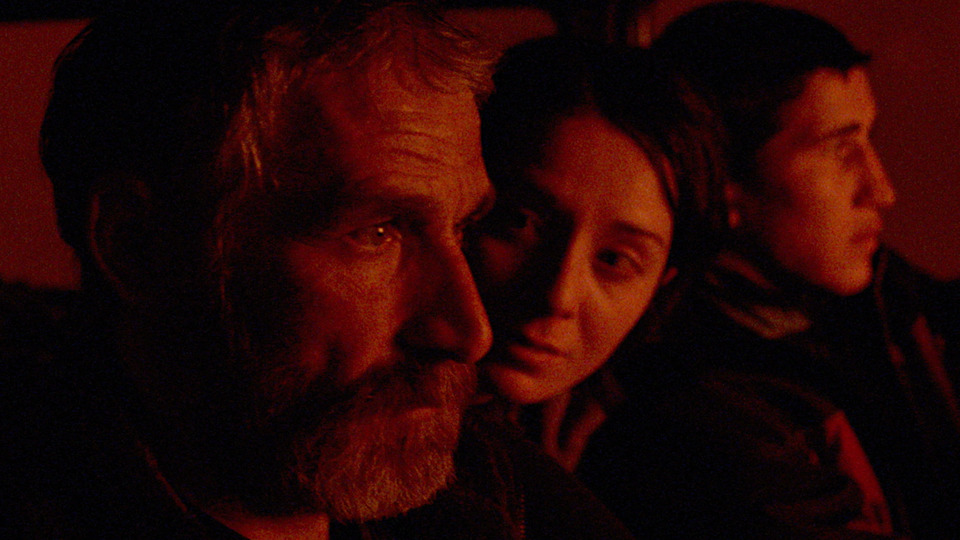
In this regard, Alik Karaev performed his role simply superbly. Many actors can convincingly play angry tyrants spitting saliva, but making the viewer believe in the father's tyranny almost without words is invaluable.
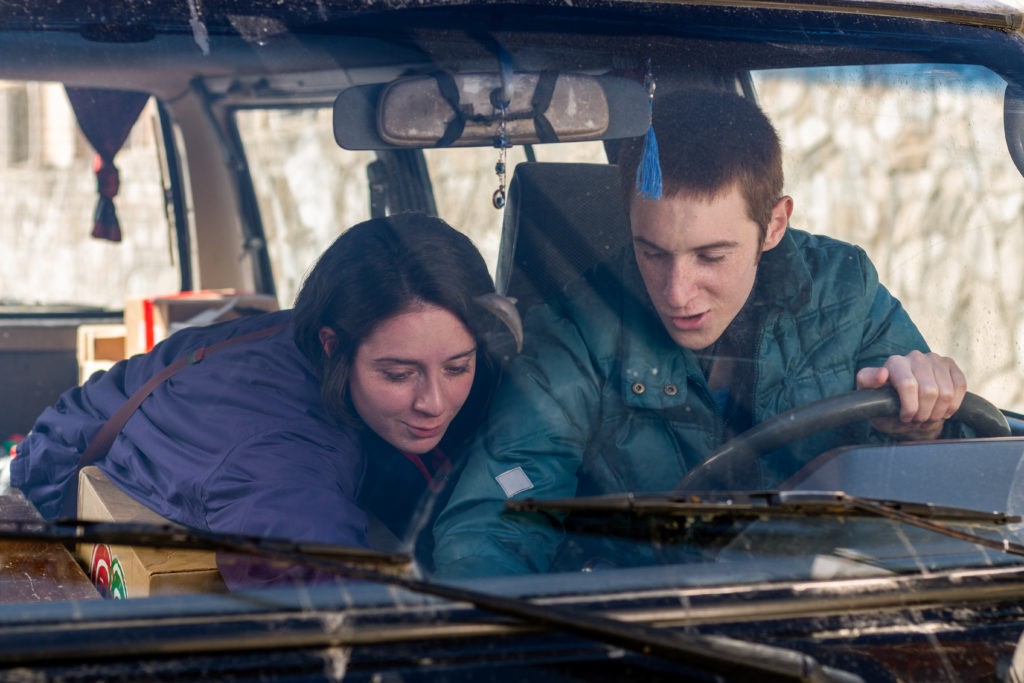
From just one look or the question ‘Where were you?’, Ada gets scared or goes into a stupor. She has to hold back and lie to her father. And what can she say? Tell about a suitor? Share her thoughts that she has already grown up and wants to live her own life? Zaur is unlikely to like such a conversation, so Ada simply stores anger deep in her soul and waits for another chance to escape.
The girl is ‘clamped’ between men. She doesn't want to leave her younger brother, but she wants to leave her father and join her older brother. And then there's the suitor Tamik (Arsen Khetagurov) who constantly interferes, often inviting her for rides and seemingly attracting the girl. From this patriarchal square, the heroine cannot get out to gain independence and live her own life.
Throughout the entire film, we are accompanied by despair and sadness. This is even reflected in the music used in the film. In an hour and a half, we hear one, maybe two, cheerful songs; the rest of the time, the viewer hears either ‘Po restoranam’ by Ruslan Nabiev or ‘Skripach’ by Kazan Kaziev. And during a slow dance at the disco, the lyrics of the song momentarily seem to be Ada's words. As if the performer is saying what Ada wants but cannot say.
'The meaning lies on the surface, you just need to set up the light'
It's amazing how one Alexander Sokurov with his workshop, in such a seemingly non-obvious place as the North Caucasus, has done more for Russian cinema in recent years than many universities. Graduates of Alexander Nikolaevich have become frequent guests and winners of festivals. They have shown the world that authors from the Caucasus also have something to share with people.
Sokurov ‘set up the light’ for the graduates so well that at a young age they prove themselves to be great authors. Such people inspire hope that Russian cinema will be associated by viewers not with bad comedies and terrible remakes and sequels of cult Soviet films, but with films that bring awards from Cannes and regularly enter the programs of Venice and San Sebastian. Directors like Kovalenko show that our cinema is not dead, it is breathing. We clearly have stories to share with the world.
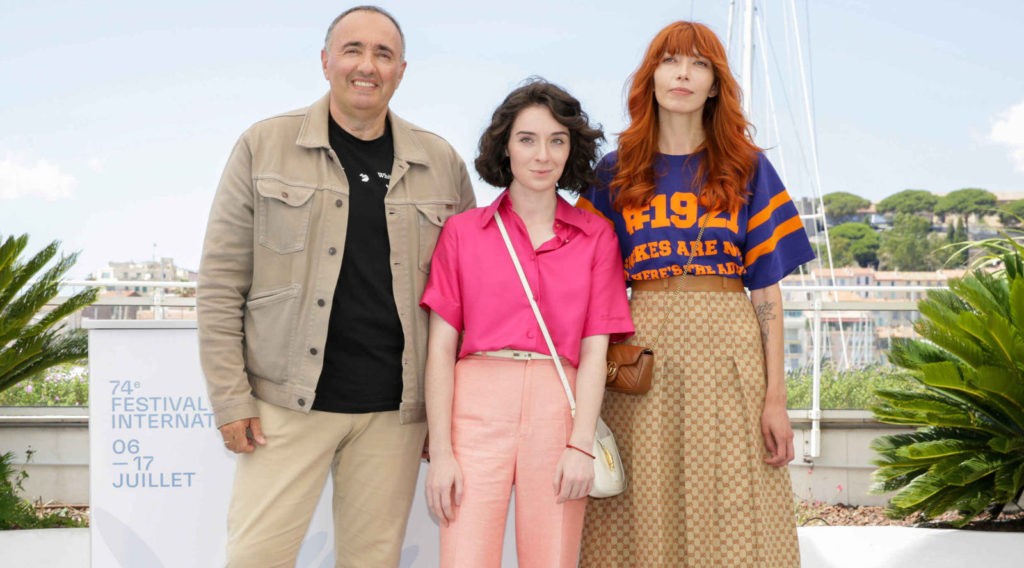
Of course, Alexander Rodnyansky, who produced ‘Unclenching the Fists’ (and many other independent projects), also played a big role in this. This man is an exceptional case of a producer, as Kira Kovalenko claims. Rodnyansky is not only about business and money, but also about art and the opportunity for authors to say what they really want, regardless of mass appeal.
What's the verdict?
In conclusion, I will say that the film ‘Unclenching the Fists’ is definitely recommended for viewing. Kira Kovalenko takes the liberty of opening the door to a different Caucasus and showing people that among the majestic mountains there are touching love stories, albeit destructive ones. In her film, the director touches on important topics that are not customary to talk about in our country.
How many news stories are there about women fleeing the Caucasus because some men consider them property, not people? How many stereotypes about the Caucasus are there? And does our country talk about tragedies?
The film, at the very least, makes it clear that the Caucasus is not a stereotypical place, but it is not without problems. ‘Unclenching the Fists’ is a story about people with their own demons in their souls, which does not leave anyone indifferent, and the Oscars love such films, so it's clear why this particular work was chosen to represent our country.
I dare say that today, to the names of Andrey Zvyagintsev, Kantemir Balagov, and other directors that are usually mentioned when talking about good modern Russian cinema, you can safely add the name of Kira Kovalenko. I hope that in the near future new names will be added, in particular the still not so strongly manifested, but confidently moving towards this Vladimir Bitokov.
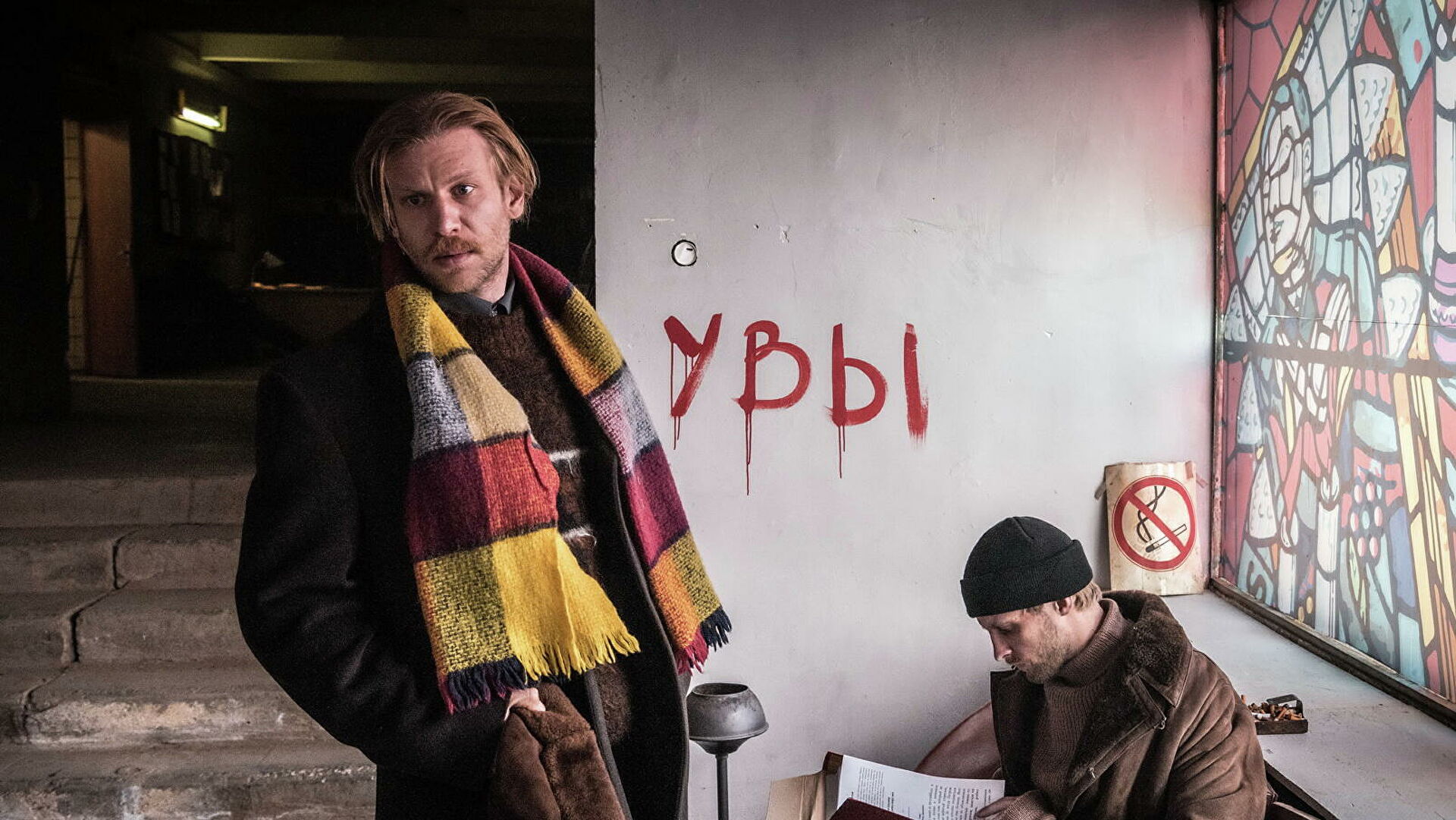
In the film ‘Petrov's Flu’, Kirill Serebrennikov managed to unite Russian chthonic, vampires and New Year trees, making an engaging and surprisingly funny movie.
Open material
Comments
0No comments yet.
Sign in to join the discussion.