

On October 14, <i>The Royal Game</i>, an adaptation of Stefan Zweig and one of the contenders for the title of film of the year, hits theaters.
Chess is the new black. Thanks to the furor caused by the series The Queen's Gambit, interest in this game has skyrocketed again. So it's no surprise that new projects about chess are attracting so much attention. And it's curious that right now a new adaptation of Stefan Zweig's Chess Story, one of the most famous literary works on the subject, has emerged. The film is titled The Royal Game (Schachnovelle), and its director is Philipp Stölzl, a man who has directed music videos for Rammstein, Garbage, and Evanescence, and also created the unexpected folk hit The Physician: Avicenna's Apprentice. And looking ahead, it must be admitted that he has managed to transfer Zweig's complex and multi-layered narrative to the screen very worthily.
Unexpected Rescue from Torture
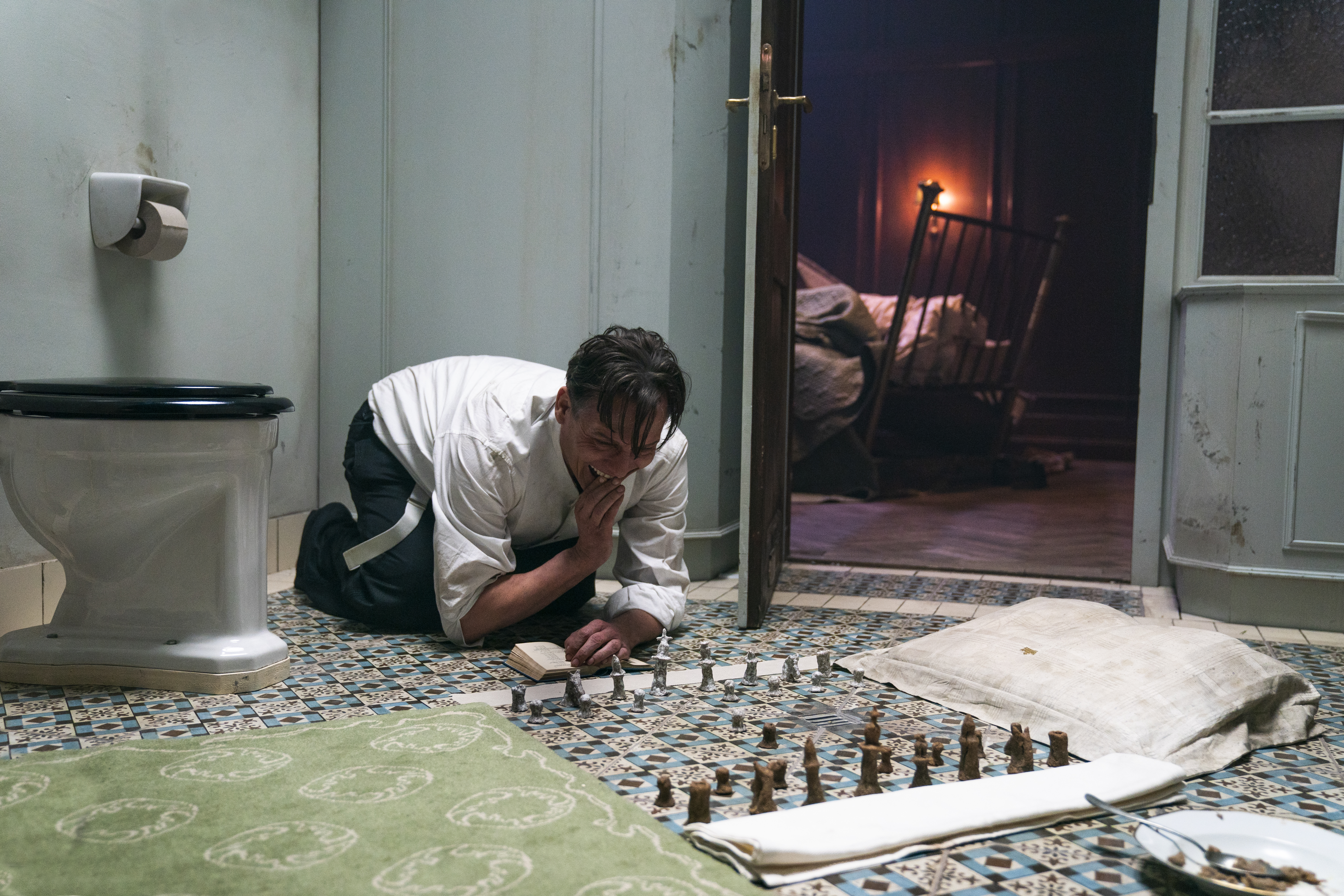
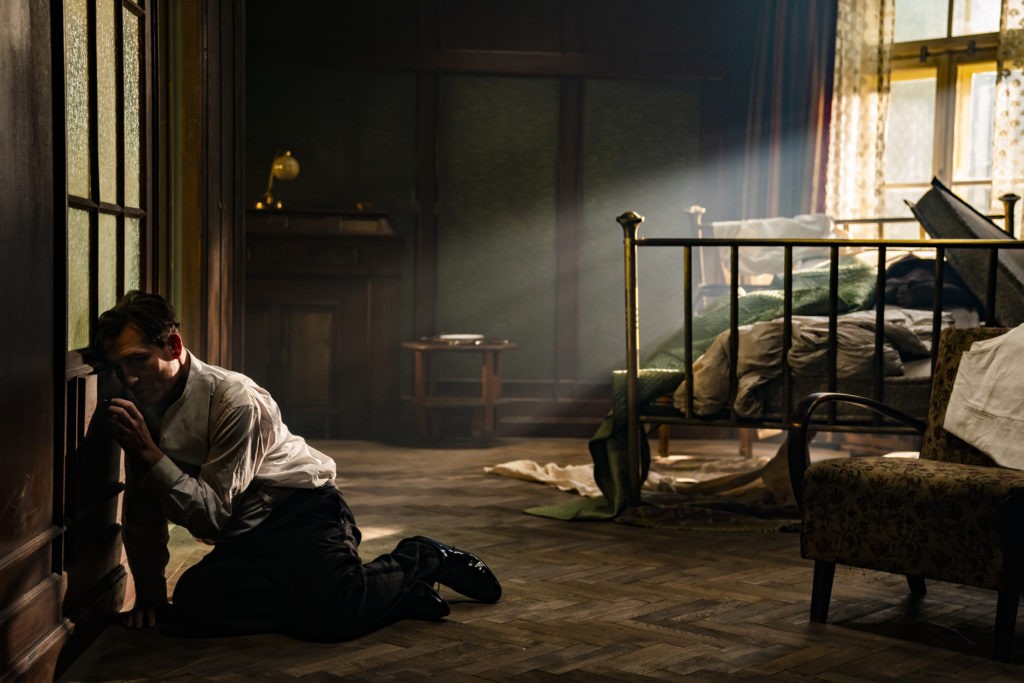
In 1938, an Austrian notary named Josef Bartok (Oliver Masucci from the series Dark) is captured by the Gestapo immediately after the German invasion of Austria. They demand that he disclose the codes to royal treasures and other important accounts. But Bartok refuses to cooperate with the Nazis. Hoping to get what they want, they subject him to the torture of isolation: depriving him of all contact with the outside world, locking him in the main hotel in Vienna.
When Bartok is on the verge of going mad, a book containing the best chess games in history falls into his hands. It becomes his salvation... and his obsession.
Mind Games and the Struggle Against the System
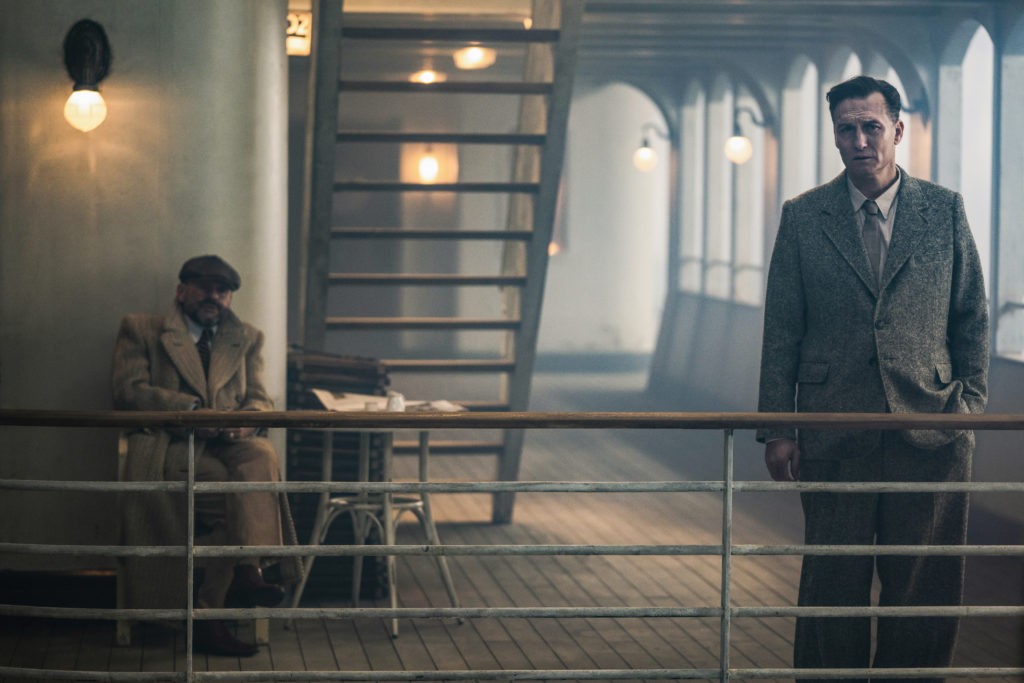
It's hard to talk about the plot of The Royal Game without revealing details. Two stories develop in parallel: the part about Bartok's isolation and the story of how, in the future, he accidentally encounters the world chess champion on a ship heading to America.
At first, it may seem that these storylines are not very connected or are purely sequential. But in reality, everything is much more complex and tangled. The past and present gradually merge into one. And understanding what is real and what is fiction is left to the audience.
But The Royal Game is interesting not only for its mind games. The main theme of the narrative is the confrontation between man and the system. Bartok's motives for not disclosing the account data may seem unclear, but behind them is a firm confidence in his own principles. A civic stance, if you will. And the hero does not intend to betray them even in the face of Hitler's regime and the threat of losing his life. This commands genuine respect.
In many ways, this plot resembles the recent work of Terrence Malick, A Hidden Life, where another Austrian refused to serve Nazi Germany due to a principled unwillingness to kill innocent people. So it's interesting to see how different authors interpret and present the same theme in their own way.
And, of course, chess
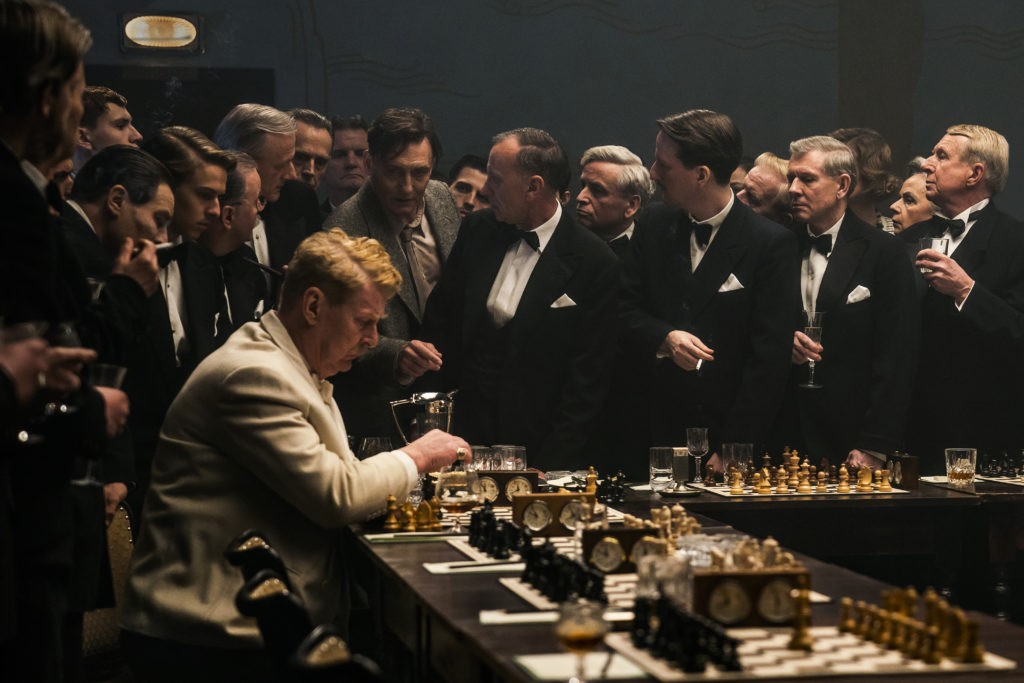
Chess is at the heart of the story. Fans of the game will be pleased with mentions of such masters as Alexander Alekhine and Efim Bogolyubov, and their famous game from 1922. Admirers of intellectual parallels will appreciate the subtle comparison of chess with any -isms, with their systematic nature, unwavering adherence to rules, and the desire to suppress the human ego.
And even though the chess games themselves in The Royal Game turned out not as captivating and accessible to a wide audience as in the notorious The Queen's Gambit, the tension still takes your breath away at times. Especially in the climactic scene, where Philipp Stölzl demonstrated enormous potential in directing, masterfully placing accents and building tension to the absolute. After such episodes, you are once again convinced that even something like chess, with the right presentation, can evoke no less emotion than some high-octane action scene.
Infinitely Wonderful Oliver Masucci
The film is a puzzle of an engaging, non-trivial story, excellent direction, and outstanding acting. What Oliver Masucci demonstrated can only be called art.
His character, initially arrogant and narcissistic, undergoes amazing transformations. Trapped in his own mind, like Odysseus, he tries to return home and become who he was before, as if not realizing that things will never be the same again. Masucci conveys this in many ways: from silent scenes alone with himself to spine-chilling torture episodes and quiet, touching moments with his wife. In the end, all one can say is: 'Bravo!'.
Is The Royal Game Worth Watching?
Philipp Stölzl slightly reworked Stefan Zweig's original work. He added even more confusion, practically erasing the boundaries between reality and fantasy. But at the same time, his ending turned out to be less open and more understandable to the audience. Perhaps this is the only controversial decision in an almost flawless film about the incredible willpower of a person and the astonishing depth of the game of chess.
The Royal Game has been in theaters since October 14.
Trailer:
Comments
0No comments yet.
Sign in to join the discussion.