
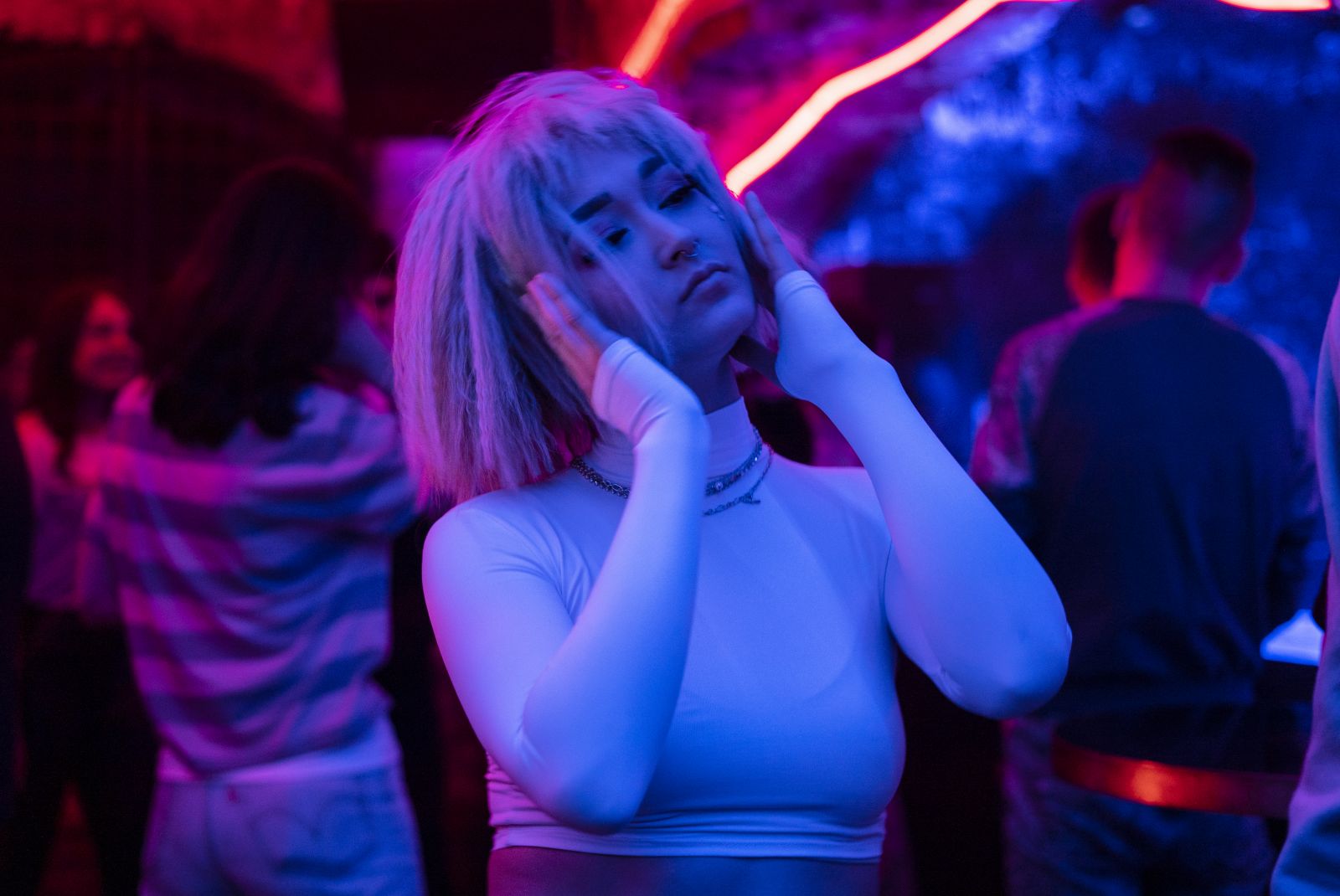
"Sixteen +" is another melodrama about teenagers, built on popular stereotypes.
"Sixteen +" is a film anthology from the online service KION, consisting of ten stories about modern teenagers and their problems, namely first love and jealousy, conflicts with parents and classmates, complete loneliness and lack of support. The basis of most episodes is popular music, which will be familiar to almost every young viewer of the series.

The new project of the online service KION had two big tasks: it was supposed to bring teenagers back to Russian series, and also try to revive the genre of melodramas created specifically for them. This explains the choice of a film anthology as the main format for presenting the story: the project has many directors and screenwriters, making it extremely difficult for all episodes to be mediocre.
"Sixteen +" also has another unusual feature: the basis of all episodes of the series is the lyrics of popular songs. Thus, having heard a new hit on the internet, a teenager might become interested in the project, and perhaps even want to watch a few episodes. This could have been the main premise for success, because light 10-15 minute episodes with favorite music can help pass the evenings.
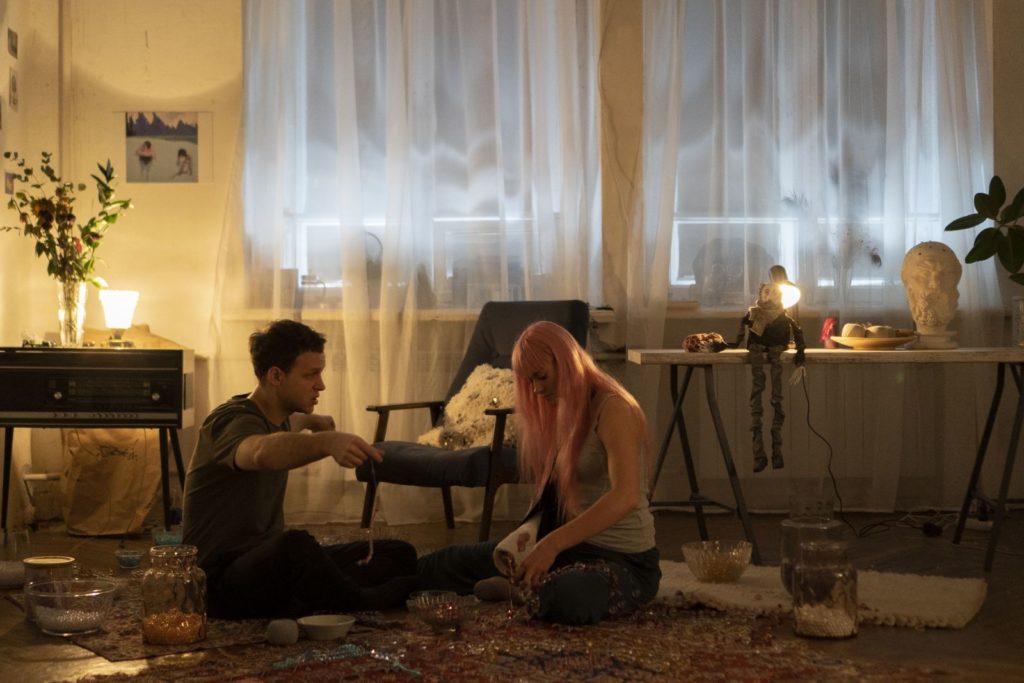
However, the series' problems start with the concept itself: the lyrics of modern songs rarely fit the episodes, and also serve as a poor source material for debutant directors. Sometimes the creators don't even understand the meaning of the songs, which is why they try to turn a few lines into a large cinematic canvas: in the first episode, three words became the basis for a hooligan's journey from one end of the city to the other to get his girlfriend back. Often, the songs in the series serve as background, which also distracts from the story: a plot about classmates bullying a teenager on social media is combined with music that could become a trend on TikTok.
This leads to another problem: the stories shown in "Sixteen +" are full of lies and falseness, so many will want to stop watching the anthology right after the pilot episode. There is a feeling that most of the project's creators haven't even seen what modern children do: in real life, you rarely meet a girl who wants to change her appearance to look like an anime character just for a cocktail party, let alone parents who go to take revenge on their daughter's offenders while holding an unloaded pistol.
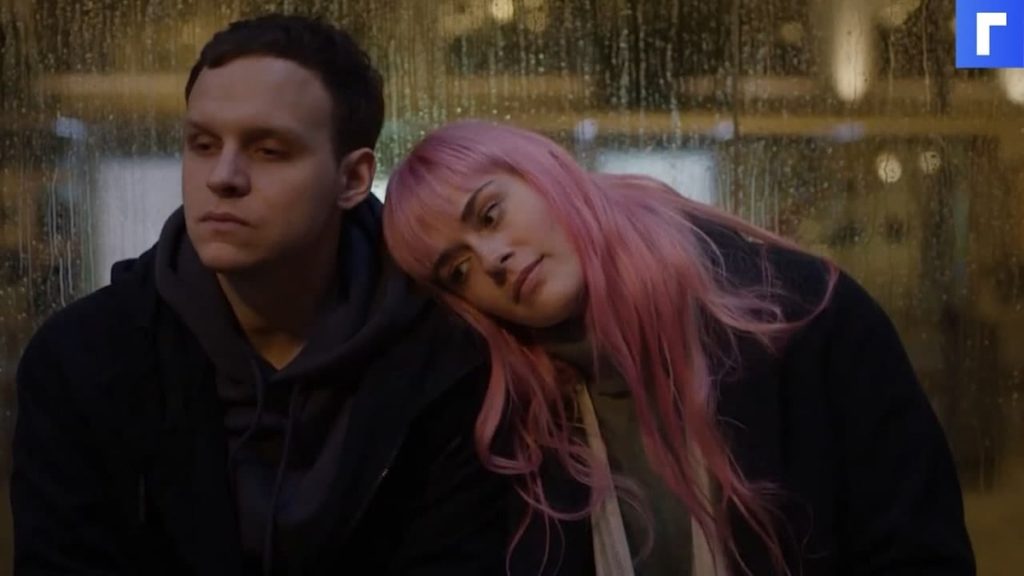
The presence of absurd stereotypes leads to the conclusion that "Sixteen +" tried to appeal to two audiences at once: adults and their parents. This raises a number of questions about the necessity of some scenes with explicit content in a teenage melodrama: throughout the episodes, characters will swear, drink alcohol, and sleep in other people's beds.
It is also strange that the creators of the anthology are much more concerned with the problems of modern Russia than with the main theme of the project. Sometimes what happens on screen resembles the recent — a story about an ordinary Russian family, based on the novel by Alexei Salnikov , which shows all of "Russian" life from the inside: "evil" cops, bad roads, many unemployed people, and problems with alcohol. And if in Serebrennikov's work this theme was appropriate — his film is an attempt to show elements of our culture to the foreign press — then in "Sixteen +" it looks superfluous and extremely isolated.
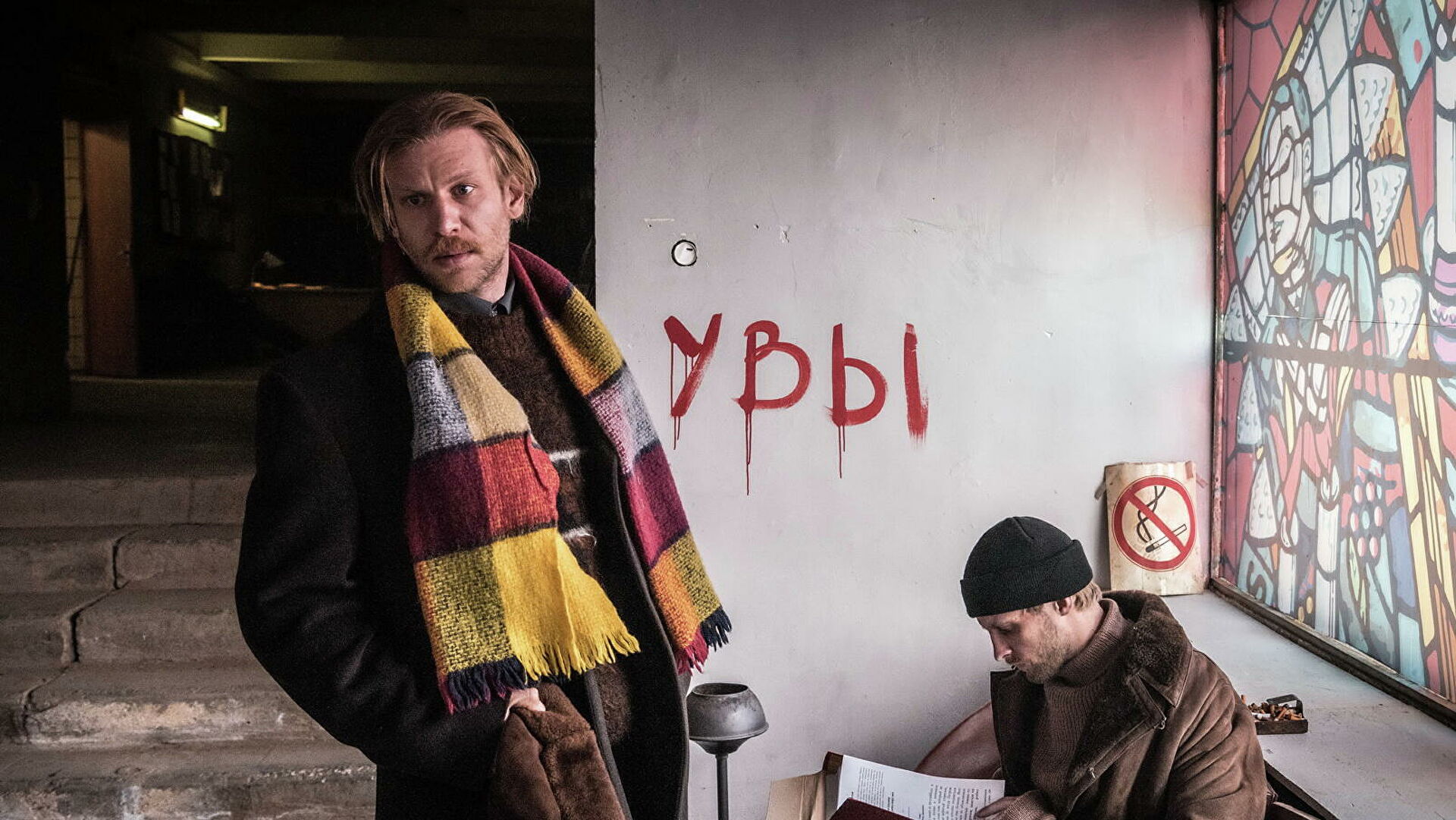
In the film "Petrov's in the Flu", Kirill Serebrennikov managed to combine Russian chthonic, vampires, and New Year trees, making an engaging and surprisingly funny movie.
Open materialIt is hard to believe that "Sixteen +" will become a new hit for the online service, or even find its audience. Teenagers are unlikely to pay attention to it, even despite its release on the internet, and adults have already seen something similar many times. Moreover, the plots, filled with falseness and stereotypes, probably won't be able to captivate a potential viewer for several autumn evenings.
Trailer:
Comments
0No comments yet.
Sign in to join the discussion.