
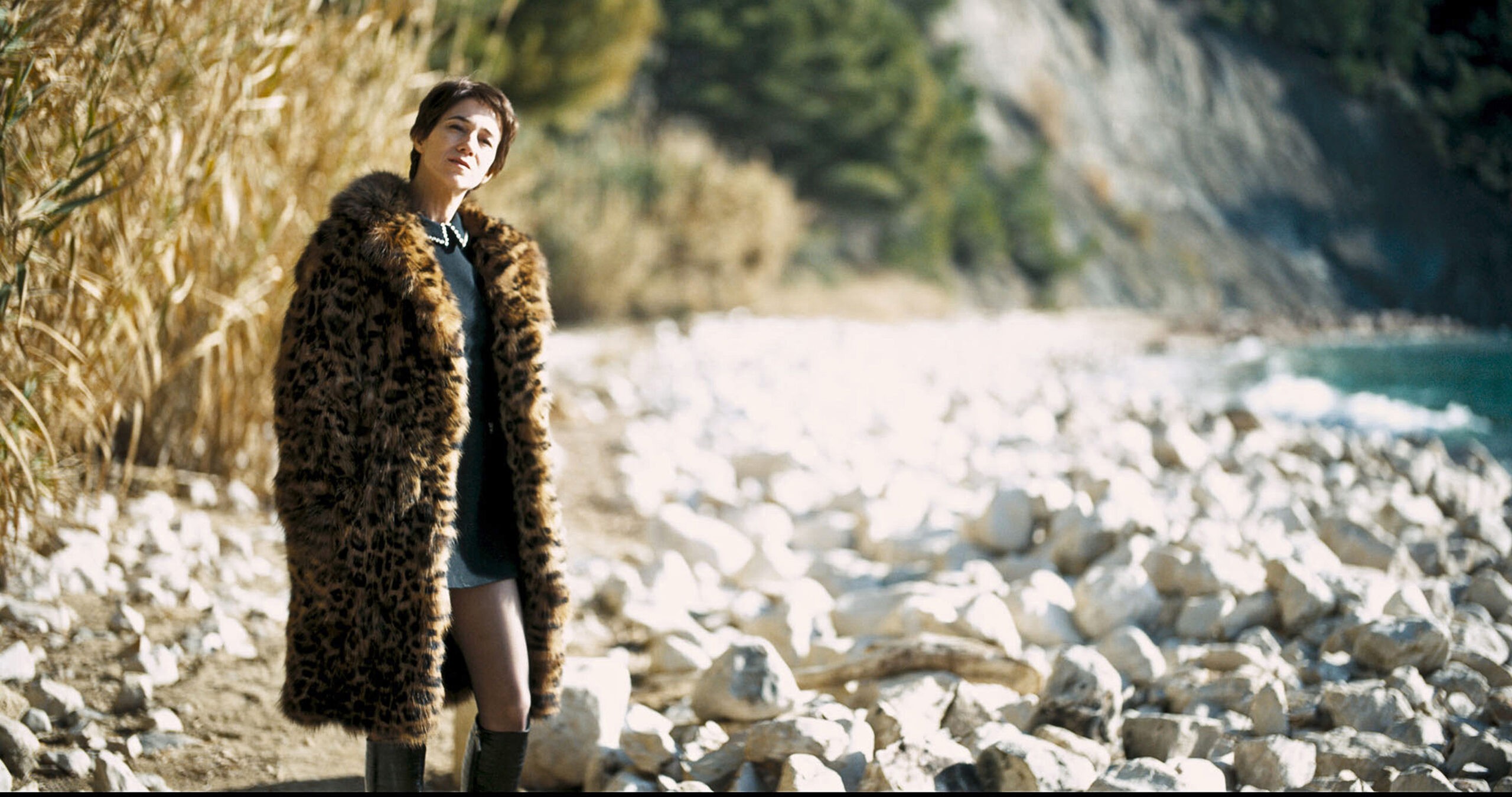
Sometimes you need to take a break from watching big, loud blockbusters, tense thrillers, or saccharine melodramas to savor life. That’s exactly what “Suzanna Andler” invites us to do.
Synopsis
Suzanna Andler (Charlotte Gainsbourg) is the weary wife of wealthy Jean Andler, who arrives on the Côte d’Azur to scout a villa for the summer for herself and her children. Over the course of a single day, she must take stock of her unhappy life and decide what she wants from it.
A series of encounters and long, thoughtful conversations force her to repeatedly open up her soul and feelings, but the audience is left to figure out what is genuine and what is a skillfully presented lie.
The Simplicity and Elegance of “Suzanna Andler”
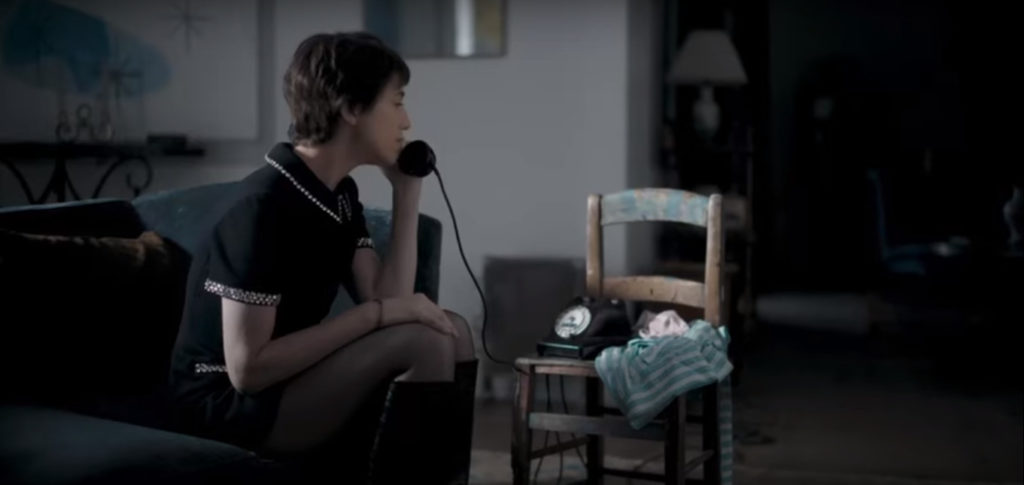
The film’s intimate scale, with its action taking place over a single day in one setting, stems from director Benoît Jacquot adapting a play by French writer Marguerite Duras.
There are no explosions or even grand gestures in this film. Jacquot deliberately chose a sparse setting to give the actors room to fully explore their characters—how they speak, think, behave, and lie.
In English, there’s an expression “slice of life” for such situations—a cross-section of a larger story—and the viewer becomes a voyeur. But they’re not spying on people doing something indecent; they’re peering into the characters’ very souls.
Charlotte’s Web
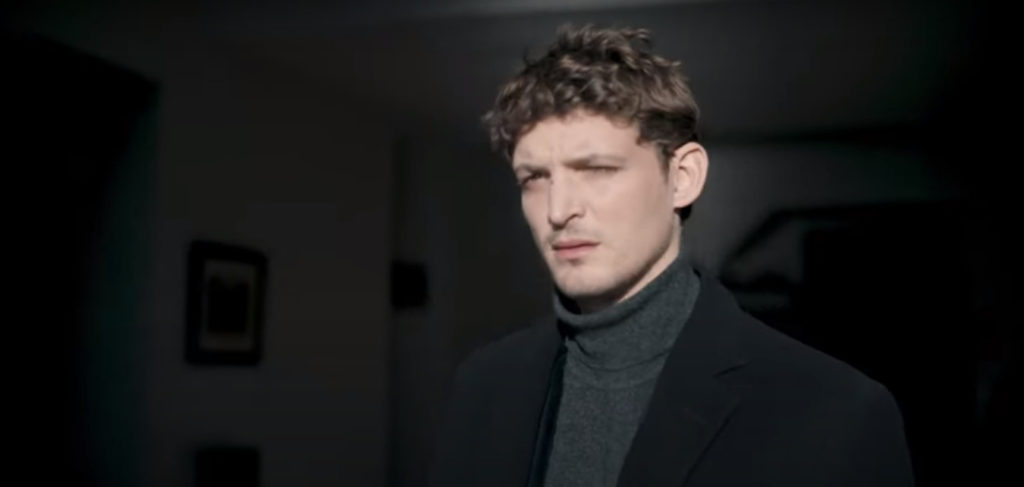
Only four actors appear on screen. The entire film is essentially a series of conversations, at the center of which Charlotte Gainsbourg reigns proudly. Her character Suzanna is smart and perceptive; she has long since shed any illusions about her marriage and looks at her affair with the rough-edged Michel (Niels Schneider) quite pragmatically.
The film’s success hinges entirely on how convincing the main character is. And Gainsbourg handles the task with effortless grace. Her Suzanna Andler is a confused woman with sad eyes and a quiet voice, fully aware of her situation and quietly resigned to it, though she allows herself a flicker of doubt in Michel’s arms.
Such roles are a gift for an actor, since Suzanna is effectively present in every scene and every dialogue, and Charlotte envelops you in her performance for an hour and a half. You believe her—that Suzanna Andler is exactly this and no other.
A Few Flaws
The film had the potential to become something special—a big tangle of lies and sincerity for the audience to unravel. But whether Marguerite Duras held back slightly in her original play or the director opted to dive too deeply into realism, all this juggling ultimately doesn’t lead to a satisfying outcome.
Additionally, at times the dialogues feel a bit pseudo-philosophical and overly cardboard. All the characters understand themselves and their souls so perfectly that the element of growth falters. They express what they’ve already figured out long before they appeared on screen, and they don’t learn anything particularly new, ending up roughly on the same note they started.
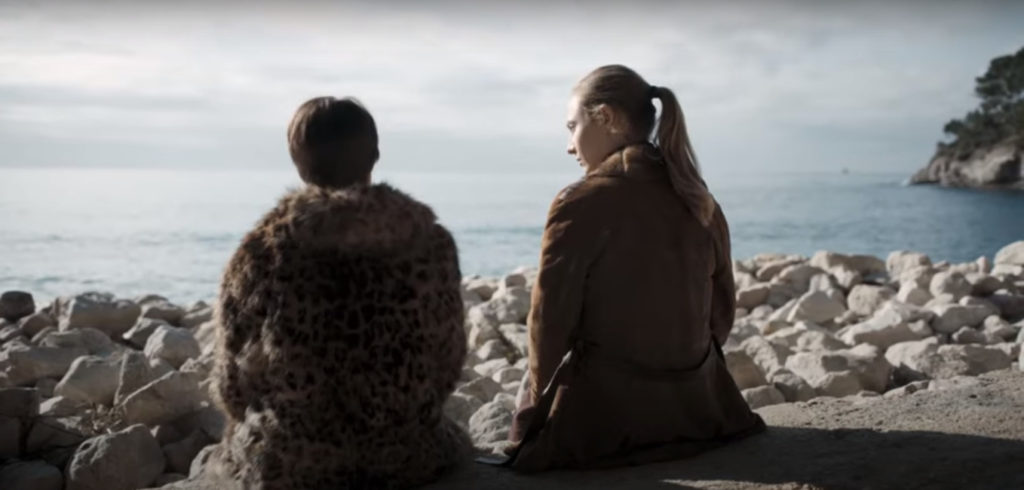
Is that bad? Not really. We’re watching mature individuals whose conversations can be interesting even without loud scandals, jaw-dropping twists, or a clear destination. But viewers who don’t develop sympathy for the wealthy older woman from the first scene (and that’s entirely possible) will have to spend the next 90 minutes in a less-than-pleasant way.
For a comparison, I’d suggest viewers recall the Russian film “Come Look at Me,” which is also an adaptation of a play, features only four actors, and unfolds within a single living space.
But in Oleg Yankovsky’s film, so much happens that it’s never boring to watch, even for those who don’t initially feel a strong attachment to the main characters. It has development and unexpected situations.
“Suzanna Andler,” on the other hand, is a more meditative film that requires you to enter a specific state of mind to properly absorb everything happening on screen.
Conclusion
For all lovers of excellent, nuanced acting, this is definitely recommended viewing. Provided you realize you’re not going to a melodrama or a romantic comedy. It’s simply life, and to untangle its intricacies, you’ll have to do a little work too. But it’s pleasant work, so give it a try and enjoy it.
Comments
0No comments yet.
Sign in to join the discussion.