
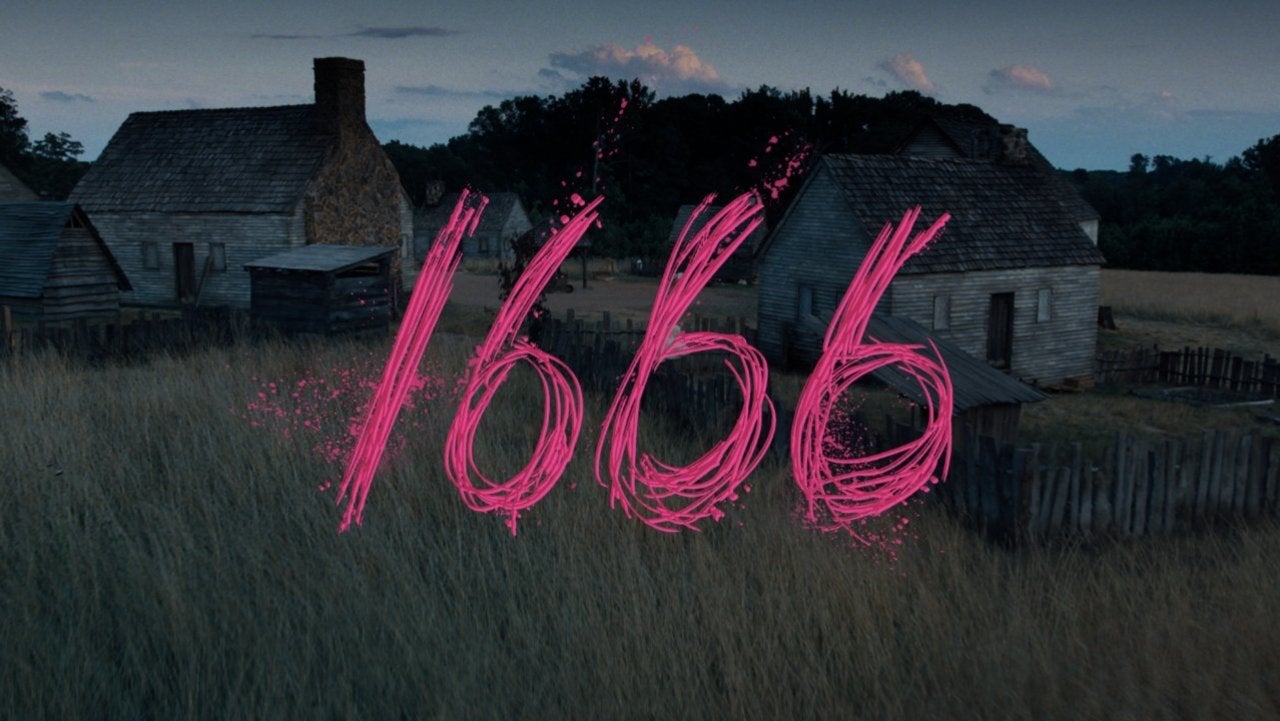
We analyze whether the film Fear Street Part Three: 1666 managed to answer all the questions and logically conclude the series about witches, maniacs, and brave schoolchildren.
Netflix has released the film Fear Street Part Three: 1666, which concludes Leigh Janiak's trilogy about the curse of the town of Shadyside and its periodically appearing serial killers.
This series attracted attention with its unusual chronology (events unfold from 1994 to 1666), solid references to the slasher genre and its iconic films, as well as a literary source of inspiration in the form of books by R.L. Stine.
While the first two films largely fueled interest and developed the intrigue, the final installment was supposed to answer all the questions that arose during the previous events. And overall, it succeeded.
Before reading this review, we recommend watching the films and reading the reviews of the first two parts of the trilogy:
- Review of Fear Street Part One: 1994
- Review of Fear Street Part Two: 1978
The Devil of Shadyside
Having obtained the hand of the witch Sarah Fier, Deena (Kiana Madeira) buries it along with the girl's body. However, instead of the long-awaited end to the nightmarish supernatural pursuit, she sees what actually happened in 1666.
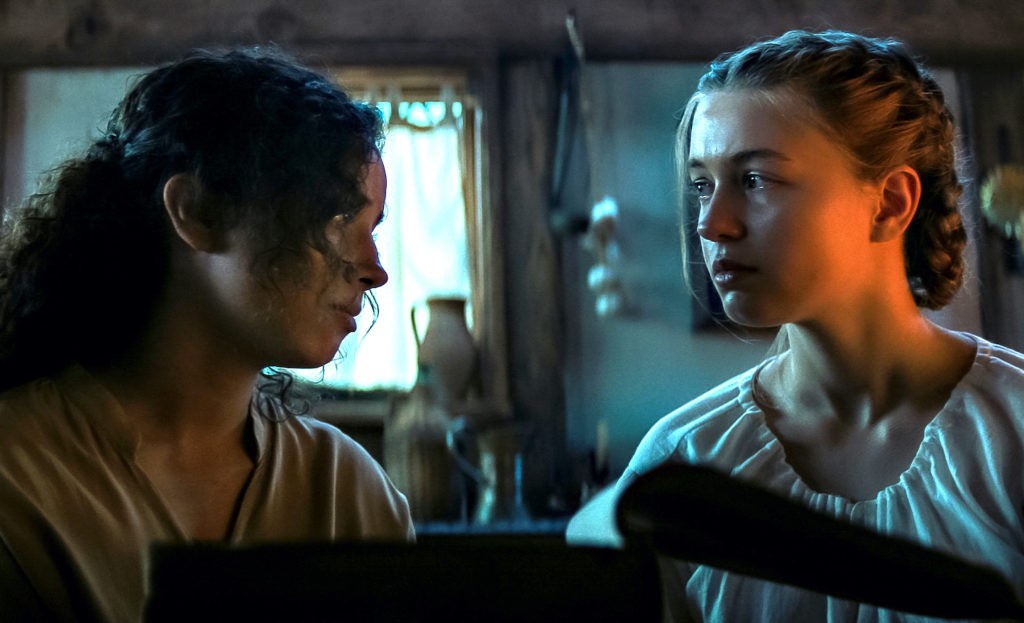
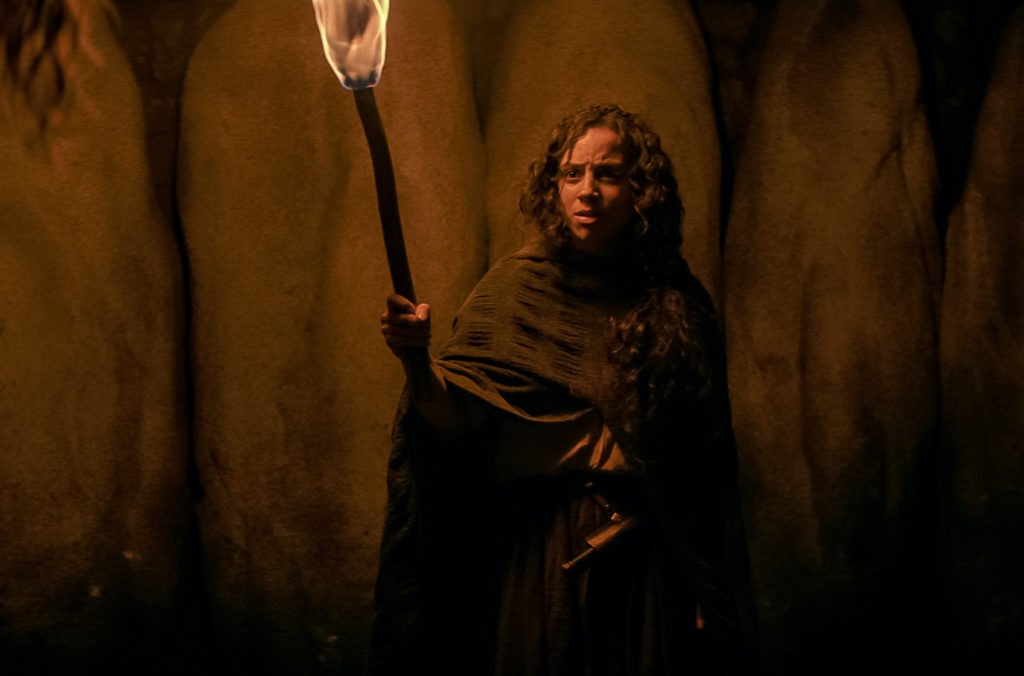
Sarah Fier lives in a small community characterized by a calm, measured life, where everyone is busy with their own affairs: some tend gardens, others raise pigs. One day, the youth decide to have a feast by a campfire in the woods. Sarah Fier and the pastor's daughter Hannah also come to the celebration, where they give free rein to their forbidden feelings. The morning after, mysterious things begin to happen in the settlement: from the death of a dog to the pastor going off the rails. Sarah is unexpectedly declared the culprit of these events.
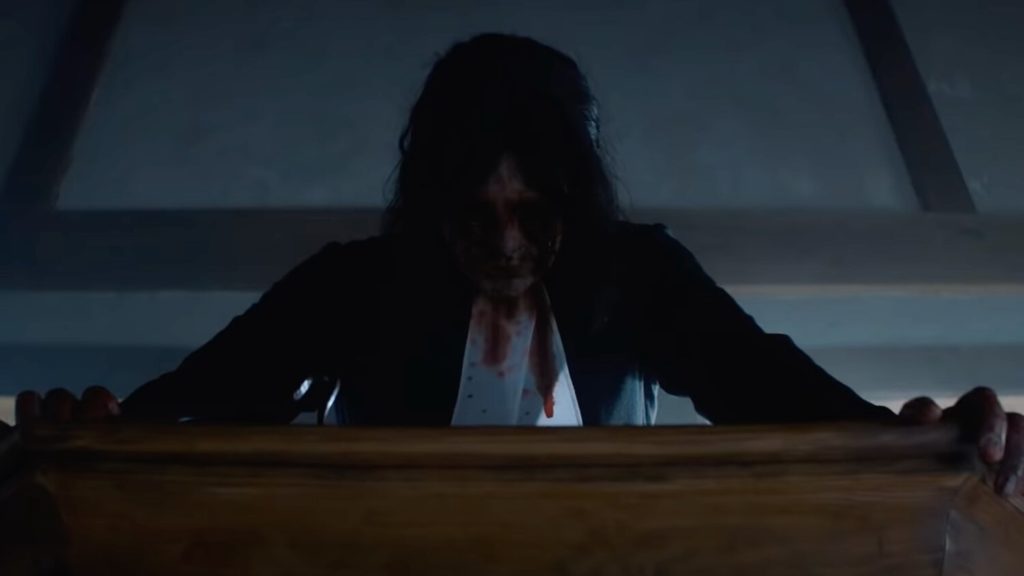
The heroes of the Fear Street trilogy have long understood that a devil dwells in Shadyside. And their guesses are only confirmed in the final film. However, the truth, as always, lies somewhere in the middle, and what the characters have long believed is only half true.
Leigh Janiak and the screenwriters managed not only to cleverly extricate themselves from a convoluted story but also to quite logically explain everything that had happened before. Both the resurrecting killers, and the fact that the neighboring town of Sunnyvale is always peaceful, and even the circumstance of how Sadie Sink's character survived in the second film. Commendable.
Not as Original as It Could Have Been
One wants to criticize the creators for the fact that, in their pursuit of explaining everything and leaving room for potential franchise development (which Janiak herself openly discusses in an interview), they slightly deviated from the concept of reverse chronology. Yes, the film Fear Street Part Three: 1666 deals with the year 1666, but this time it feels more like a traditional flashback rather than a full-fledged story within a story.
The authors had every opportunity to create a trilogy that could be watched in any order, but they did not take advantage of such a revolutionary approach in favor of a more commercial solution. That's a pity.
Otherwise, Netflix has produced a worthy experiment that will please slasher fans and those who want to spend a couple of evenings watching fun cinema with an engaging plot. Perhaps that's all one should demand from youth horror films.
Trailer:
Comments
0No comments yet.
Sign in to join the discussion.