
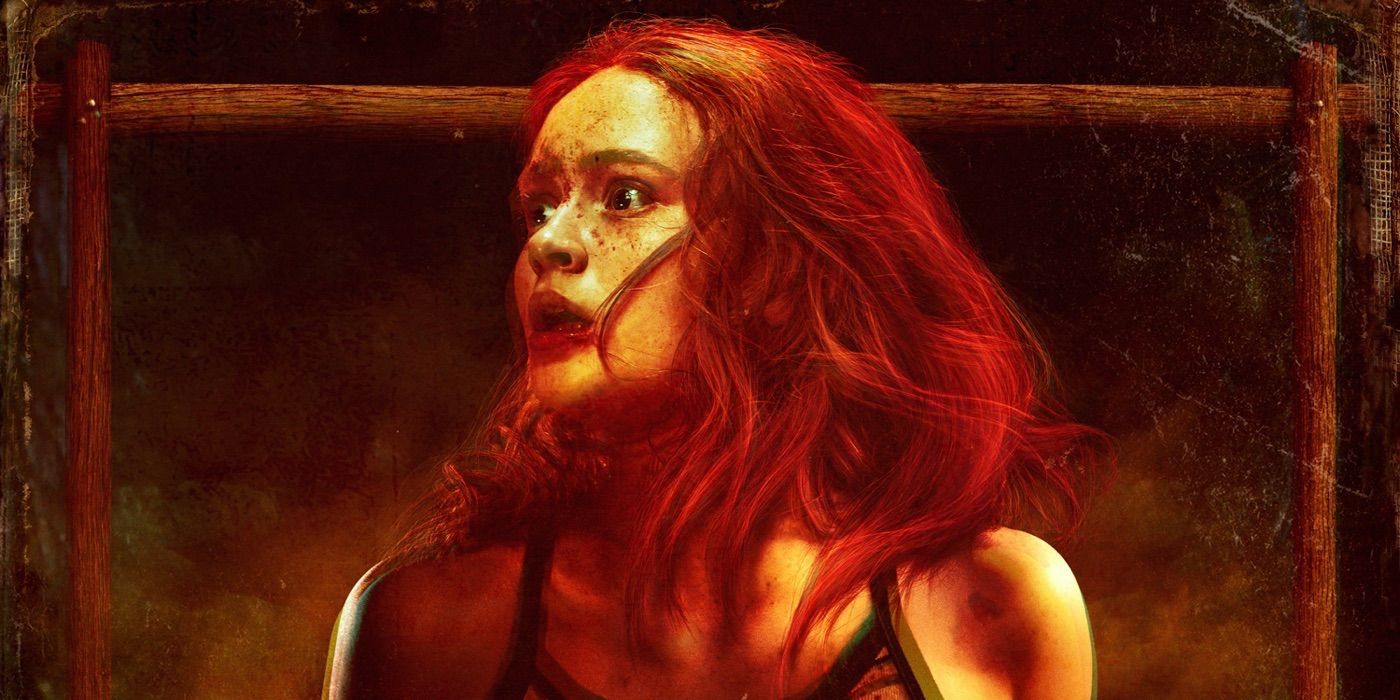
We tell you what “Fear Street Part Two: 1978” is all about, a horror in the spirit of classic 70s slashers.
Netflix has released the film “Fear Street Part Two: 1978”, the continuation of an unusual horror trilogy based on the works of R.L. Stine. Why unusual? Because the plot moves backwards, as it were: from 1994 to 1666, when a mysterious tragedy occurred, triggering supernatural events and the deaths of dozens of people in the ill-fated town of Shadyside.
We’ll find out the ultimate payoff in the final installment (out July 16), but for now, let’s see how director Leigh Janiak tried to surprise us in this middle stop of the story, and why the idea of presenting prequels as sequels actually works.
Caution: the text contains SPOILERS for the first part, so it is recommended to read after watching it, or at your own risk
Now a classic slasher
Survivors of the encounter with serial killers brought to life by the witch Sarah Fier—Deena (Kiana Madeira) and her brother Josh (Benjamin Flores Jr.)—seek out C. Berman (Gillian Jacobs), the girl who survived the 1978 massacre at Camp Nightwing. The kids hope she can help them free their friend from possession and finally put an end to the witch who has terrorized Shadyside for centuries.
To reconstruct the events, C. tells the truth about what happened that fateful summer of 1978 and what role Sarah Fier played in it.
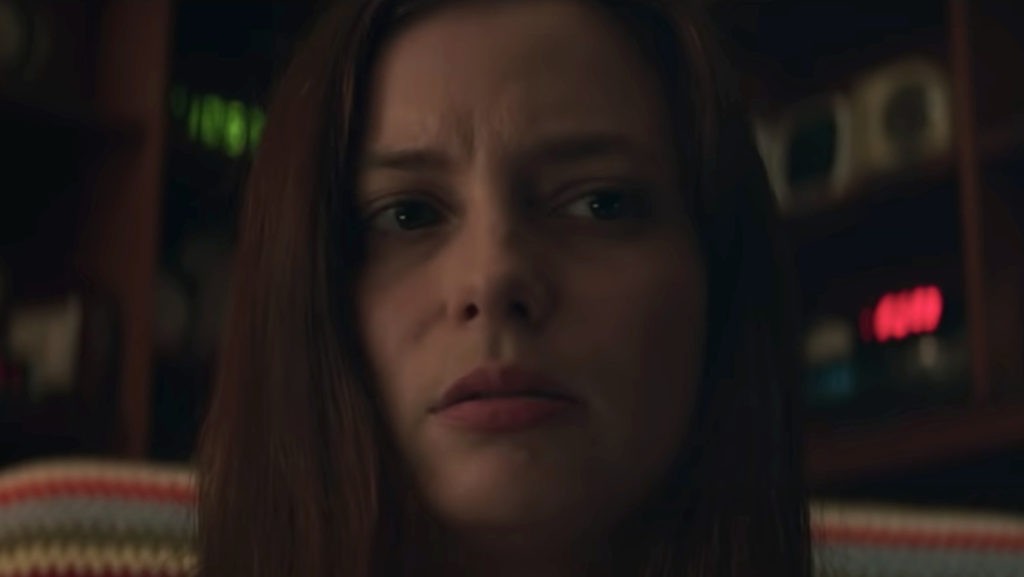
Leigh Janiak, along with the change of decade, boldly shifts the genre shell. Yes, viewers are still in for a teen slasher. But, unlike the first part, without meta-irony and an abundance of unkillable maniacs.
A clone of “Scream” or an original horror? A typical slasher or the start of something cult? We tell you what “Fear Street Part One: 1994” is all about.
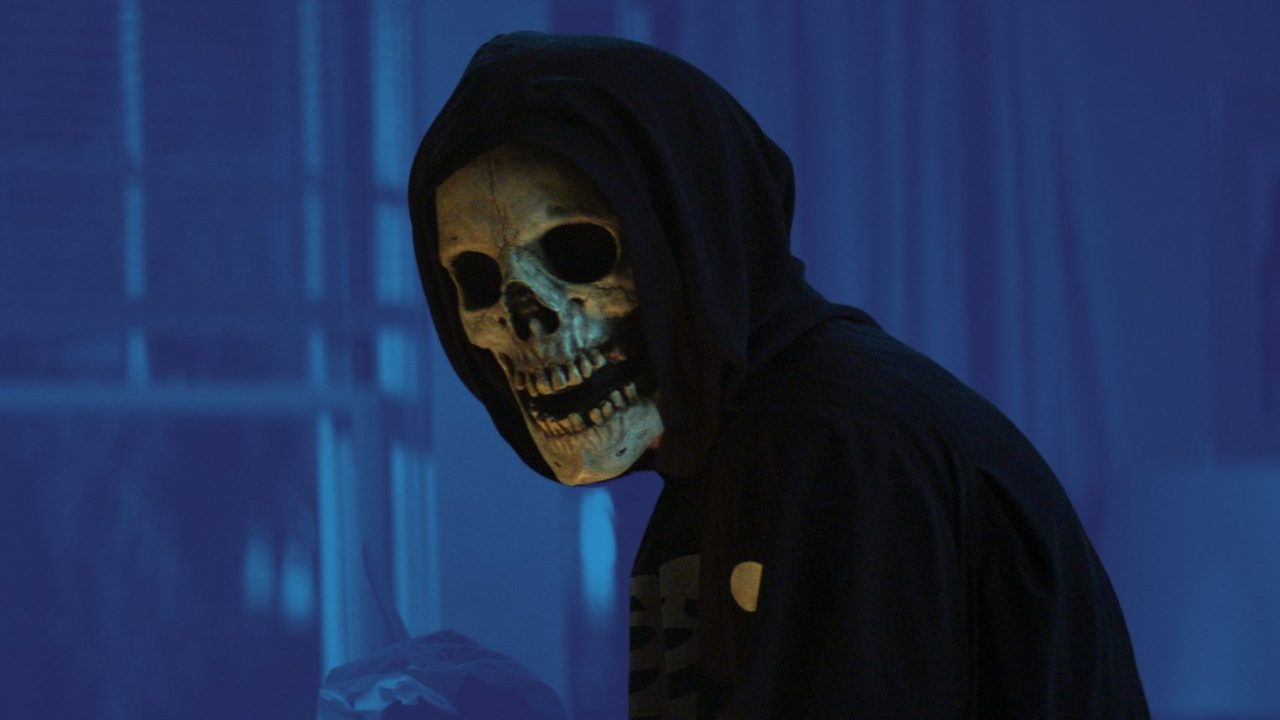
Open material“Fear Street Part Two: 1978” is more of a traditional slasher in the spirit of the 70s (no coincidence that decade was chosen), with one understandable (not very) killer who, axe in hand, sends people to the afterlife in droves for the audience’s delight. And for extra atmosphere, instead of Firestarter Prodigy, Joan Jett’s Cherry Bomb plays on screen.
This is both the film’s charm and its main flaw—taken out of the overall story, the second part is a carbon copy of a hypothetical film like “The Hills Have Eyes.” A decent carbon copy, but one that cannot offer the viewer anything new or unseen before.
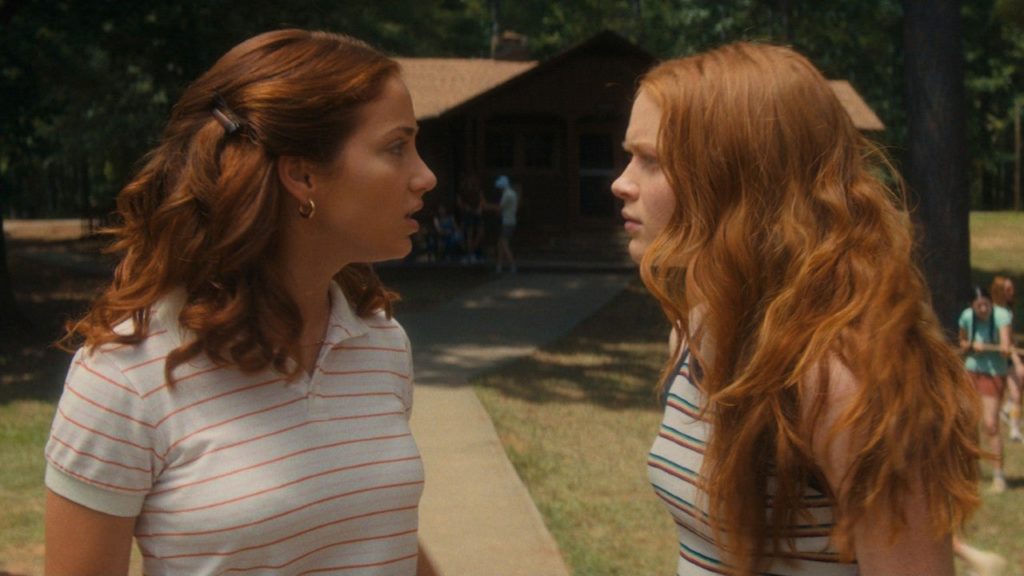
However, for people yearning for traditional survival battles against a masked maniac, and personal fans of the blue-eyed, red-haired beast Sadie Sink (“Stranger Things”), this might be more than enough for a pleasant evening in front of the screen watching “Fear Street Part Two: 1978.”
Prequels as sequels offer a new cinephile experience
Even at the conceptual level, a trilogy with reverse chronology looked intriguing but debatable. Is it possible to engage a viewer who already knows the outcomes of past events? After all, the first film already told us how the camp massacre ended and how Sarah Fier died. How can all the plots be logically tied together and the “modern” story be concluded in the past? The resolution of the 1994 events is still far from over.
Plenty of such questions accumulated after watching the first part of “Fear Street,” so the creators managed to achieve the right level of intrigue and stoke interest in the sequels. What can be said after watching the second film within the overall story? It’s all in the details.
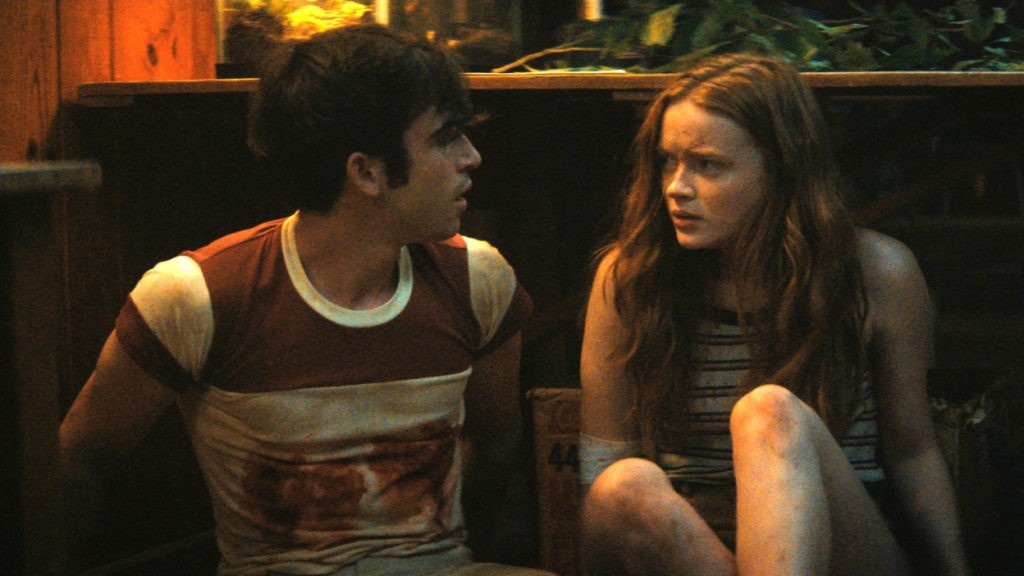
As we noted above, the story of the second film on its own turned out rather mediocre (even the twist felt unconvincing), but within the global storyline of the trilogy, it works quite well. We are given many details that were previously missing to understand the premises of the supernatural events. We are hinted at a possible way to defeat the witch. Some characters who will likely play a key role in the outcome of the plot are better developed.
The prequels of “Fear Street” faithfully fulfill the role of sequels: they expand the universe, introduce characters more closely, and increase the scale. And they do it in an unconventional form, offering a special cinephile experience. In some ways, perhaps timid and even cheap (the genre demands it), yet quite original. And for that alone, we want to express gratitude to Leigh Janiak, Netflix, and R.L. Stine, the author of our childhood favorite “scary stories.” And we await the trilogy’s finale!
Trailer:
Comments
0No comments yet.
Sign in to join the discussion.