
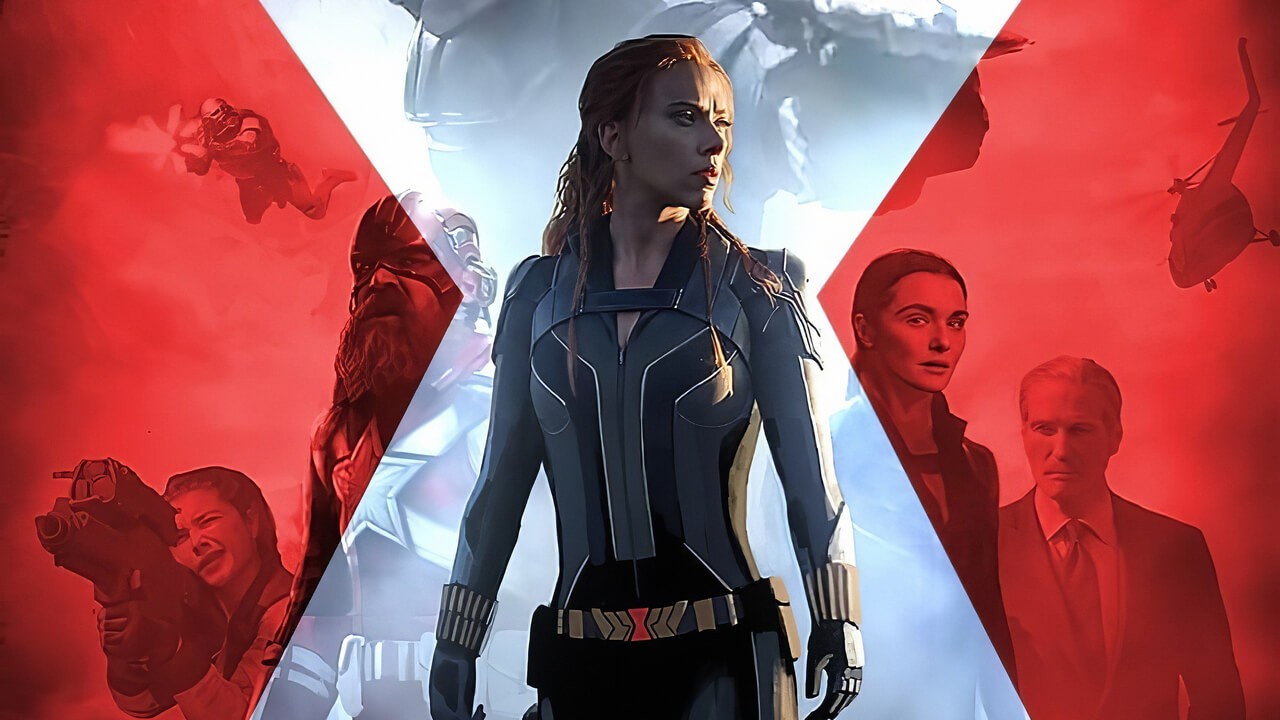
We explain why 'Black Widow' turned out to be not at all the film everyone had been waiting for.
After several years of anticipation, a couple of premiere date delays, and finally on July 8, Black Widow hits theaters—the first solo film for the beloved heroine of the Marvel Cinematic Universe. A heroine we already said goodbye to in the finale of Avengers: Endgame, but never got to honor properly.
There were hopes that the solo film would fully develop this iconic character and give her a worthy send-off (and, of course, finally unravel the "mystery of Budapest"). Alas, those hopes were not fulfilled. But to not be unfounded, let's break down the film's shortcomings in detail.
A Villain Without Motivation, Taskmaster = The Mandarin, and Other Plot Failures
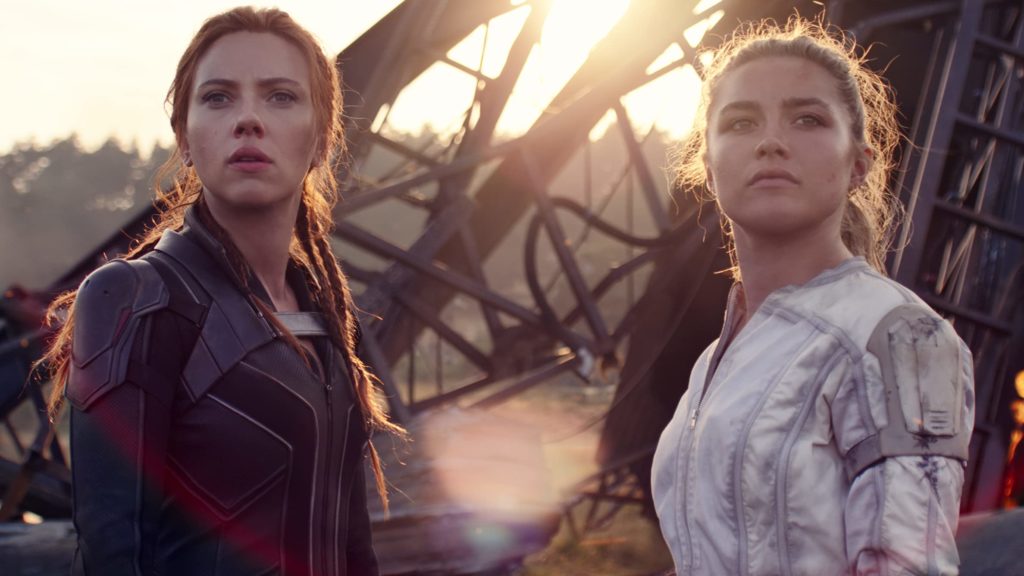
The plot of Black Widow picks up right after the Avengers split over disagreements regarding the Sokovia Accords, with Natasha Romanoff (Scarlett Johansson) on the run. She seeks solitude, hiding from General Ross's (William Hurt) operatives in remote Norway. But, as they say, peace is only a dream. She receives a message from her long-forgotten "foster" sister Yelena (Florence Pugh), along with a mysterious, heavily armed enemy who copies her (and not just her) fighting style. All of this signals that the Black Widow must confront the ghosts of her past, which she has been desperately trying to forget.
Within the MCU, we only know the heroine's past in passing, through brief flashbacks and snippets of dialogue from other films. So it's logical that the solo film would focus on her origin story. The question is how successfully it was executed.
First, the filmmakers, led by Cate Shortland, failed to strike a coherent balance between the tragic aspects of the story, comedic elements, and spectacle. Conversations about the heroine's dark past are interspersed with silly comedic scenes, and absurd gags try to intrude even into the most heartfelt moments of the film. We've seen something similar in Doctor Strange, where tasteless jokes with the Cloak of Levitation followed immediately after the death of a central character. You simply can't juggle the audience's emotions so abruptly. It completely undermines the merits of individual elements and only leaves you bewildered.
Second, the absurdity of some of the script decisions in Black Widow is simply off the charts. Certain plot points are literally copied from the early Mission: Impossible films (not exactly a great reference point for a script, wouldn't you say?). And Taskmaster, a brilliant tactician and one of the most stylish and unconventional characters in Marvel comics, is treated almost as poorly as The Mandarin in Iron Man 3. This character shares nothing with his comic book counterpart except for some superficial attributes. And even the redesigned Taskmaster costume evokes more of a biker with an overly vivid imagination.
Third, the desire to check diversity boxes in MCU films is becoming increasingly irritating. Remember the scene from Avengers: Endgame where all the female characters suddenly converge at one point on the battlefield and heroically save Spider-Man? Here, there's a comparably absurd fem-scene, and the main antagonist seriously states that girls are a resource that Earth has in abundance. Are you kidding me?
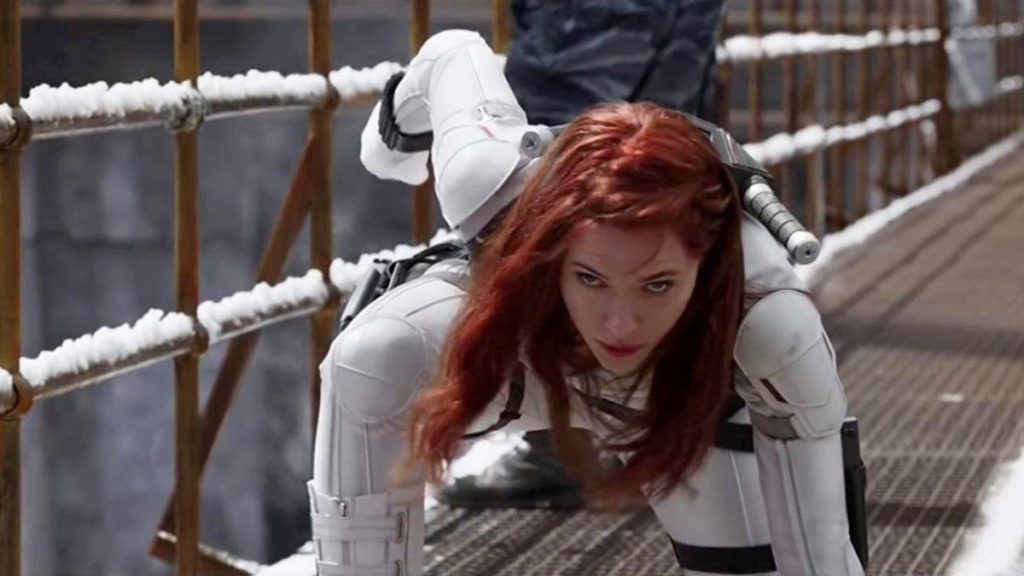
Speaking of the antagonist, he is completely devoid of any decent motivation. He's been turned into a prop-like function, meant to trigger the main heroine, but the audience can't be drawn into this game. You'll probably forget his name the morning after watching.
Finally, regarding the plot, there's the mystery of Budapest. Yes, it's revealed. But the hype surrounding this topic created inflated expectations, so what Shortland's film shows us is unlikely to satisfy the audience's demands. At least they didn't forget about it entirely, so thanks for that.
Technical Issues and a Lack of Realism
You can criticize the MCU films for many things, but the technical execution is almost always flawless. That's why what Black Widow shows us is all the stranger. From the very first minutes, we encounter unconvincing and extremely choppy editing, in the worst sense of the word. Some episodes resemble a collage of random shots made by a novice editor.
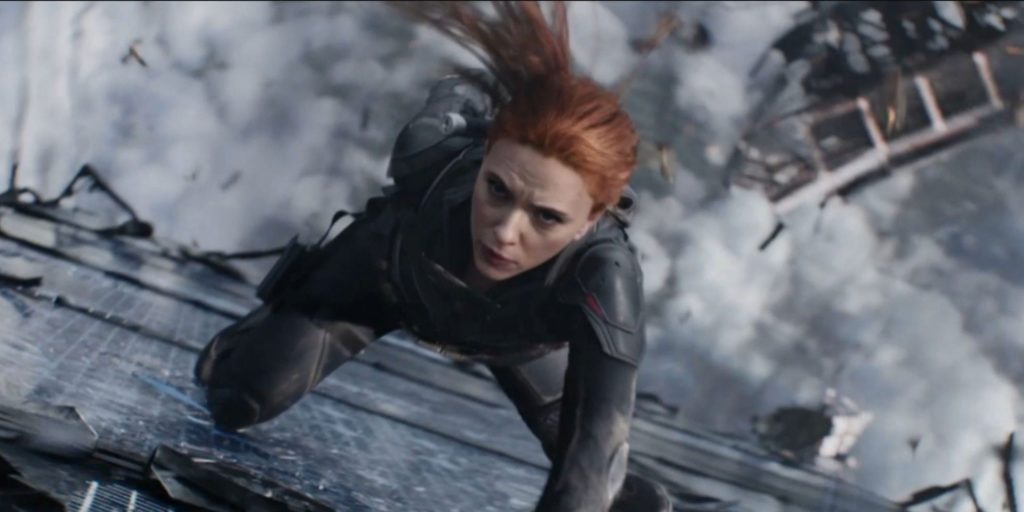
There's no outright eye-bleeding CGI in the film, but there's also nothing memorable or visually engaging. Meanwhile, the final third of the film somewhat resembles Wonder Woman 1984 with its chaotic on-screen flurry of everything and anything. If you were expecting Black Widow to be grounded and close to a realistic spy thriller in the vein of Captain America: The Winter Soldier, we'll disappoint you—realism is nowhere to be found, and the heroine spends most of the time resembling an unkillable cyborg who, for some reason, can also fly.
Is Black Widow Worth Watching?
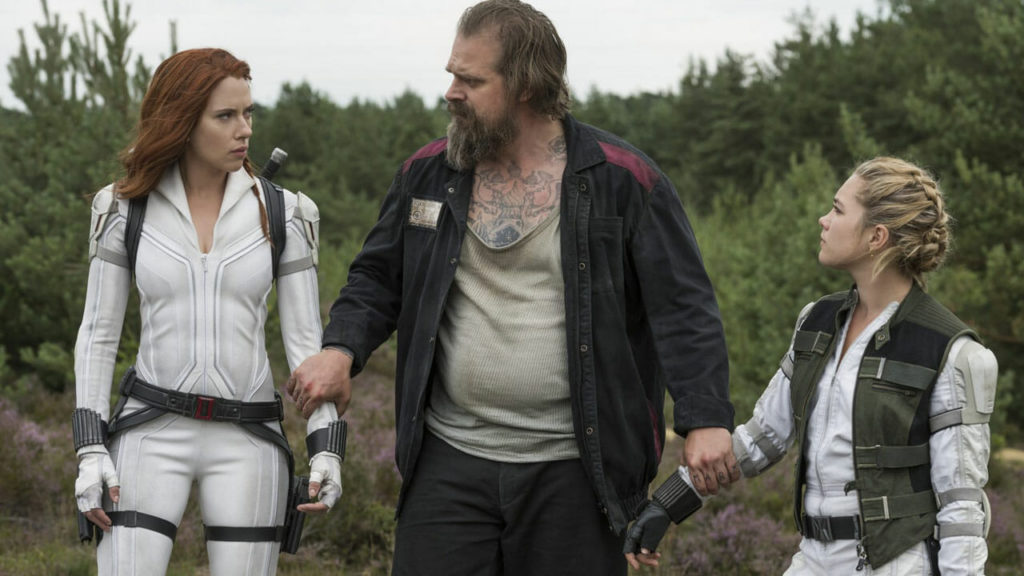
Cate Shortland's work does have its pluses: the excellent David Harbour as Red Guardian oozes charisma left and right, the charming and delightful Florence Pugh forms a worthy duo with Scarlett Johansson, who, as always, is beyond reproach, and some of the jokes in the film are genuinely funny.
But all the aforementioned flaws significantly outweigh the positives. And we haven't even mentioned the clichéd Russian stereotypes: most of the characters in the story are Russian, which means Russian melancholy (or rather, attempts to portray it) and vodka are included. Of course.
In the end, there's a feeling of being cheated, but what's even more disappointing is the fact that Black Widow and Scarlett Johansson are saying goodbye to the MCU in this manner. They definitely deserved better.
Trailer:
Comments
0No comments yet.
Sign in to join the discussion.