
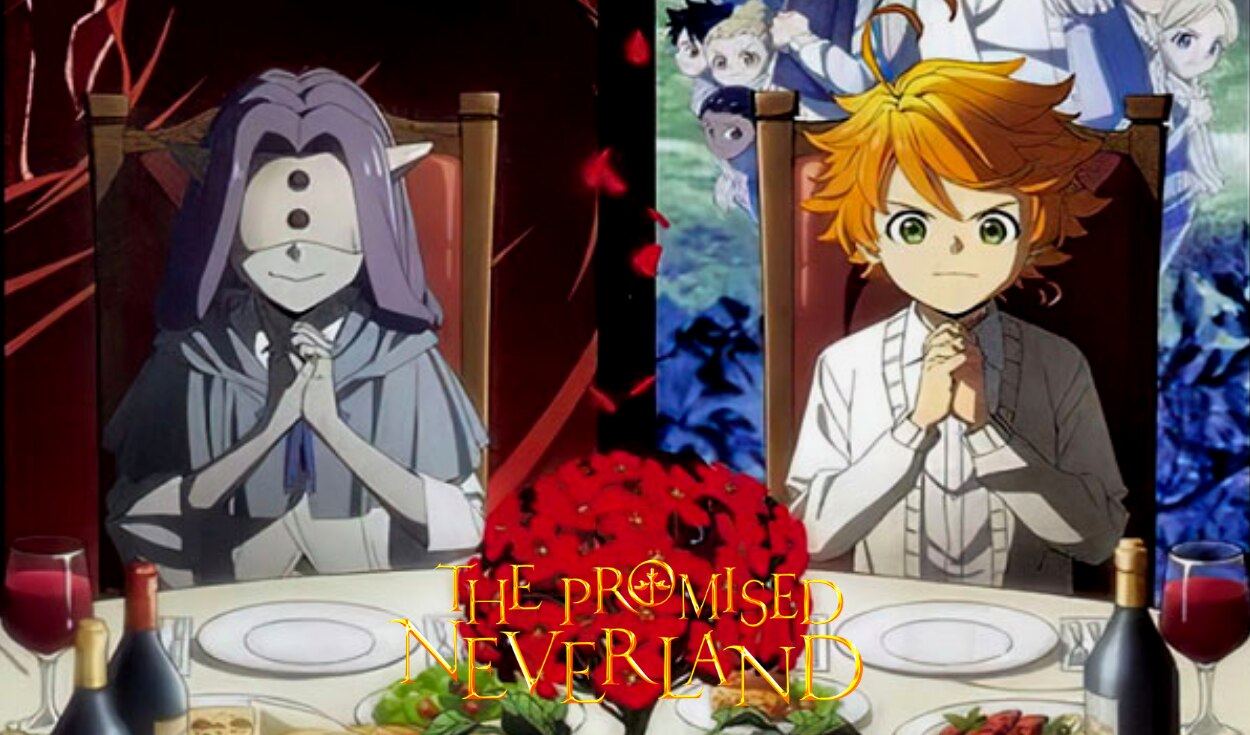
We watch the second season of the anime 'The Promised Neverland' and wonder why the creators dug their own grave for their hit.
'The Promised Neverland' is a manga written by Kaiu Shirai and illustrated by Posuka Demizu. It was serialized in Weekly Shōnen Jump from 2016 to 2020. The anime television series adaptation by CloverWorks premiered in January-March 2019 on the NoitaminA programming block. The second season aired from January 6 to March 26, 2021. This article will focus on the anime.
The story follows a group of orphaned children who must escape from their orphanage because, in reality, all the children are being raised like livestock to be fed to demons. Detective-like maneuvers, a cat-and-mouse game between the children and their caretaker, constant thriller tension, and unexpected twists—these were the strengths of the manga. And the first season, which covered 37 chapters of the manga in 12 episodes, was built on these same principles. Unfortunately, the second season cannot boast the same. The creators managed to cram the remaining 181 chapters of the manga into just 11 episodes.
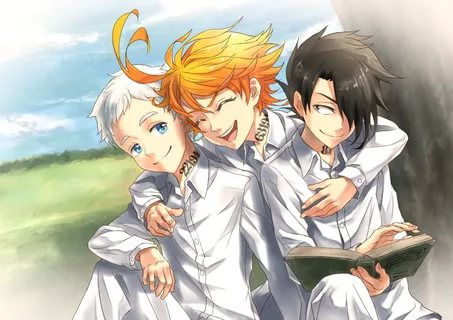
It's always difficult to answer the question, 'Which is better: the adaptation or the source material?' And it's pointless to even ask it. After all, an adaptation and a book (in this case, a manga) are two separate, independent works that should be considered separately. But logic and heart usually don't go hand in hand, so we inevitably judge the adaptation by the source material. The first season of 'The Promised Neverland' can be called a near-perfect adaptation. But in the second season, for some reason, they decided to cut corners so much that they threw out many interesting characters and important story arcs. But let's take it step by step.
What is the series about?
'The Promised Neverland' tells the story of a group of children aged 3 to 12 and their misadventures in an aggressive world of demons. Initially, the anime presents itself as an intimate psychological thriller, where the children seek salvation and devise an escape plan from the orphanage to avoid being eaten by terrifying monsters. Then, both the manga and the anime transform into an exciting action series, still retaining the detective element but now adding horror, as the children find themselves in a harsh world beyond the orphanage walls. They wander through a demonic forest where danger lurks around every corner.
Along the way, they unravel many mysteries, meet friends and peace-loving demons, and simultaneously save children throughout the demon world. The idealism and determination of the main heroine Emma sway many characters to her side, and over time, she even convinces a hopeless madman that he is important and must help them on their journey.
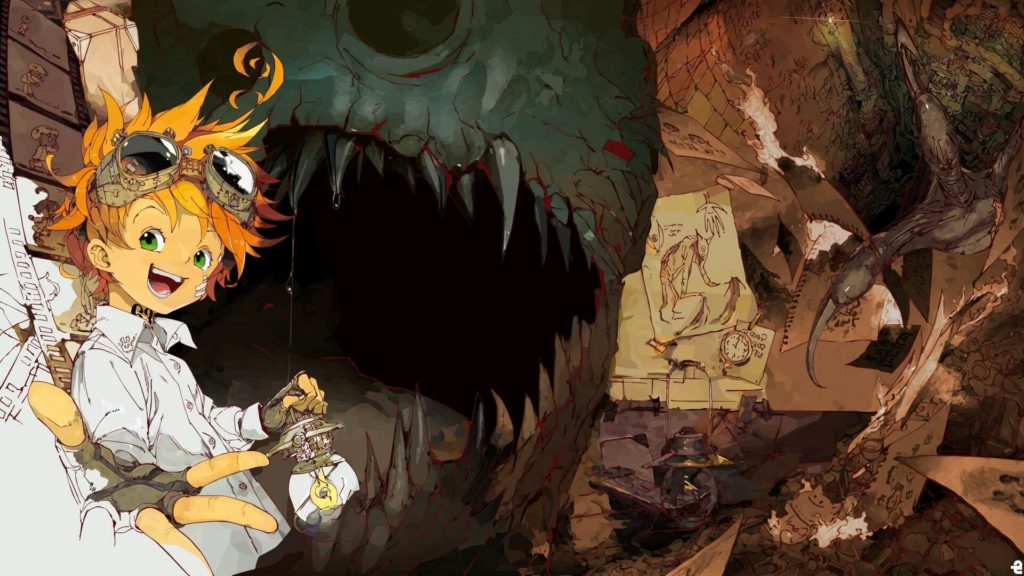
What is the problem with the second season?
While the first season of 'The Promised Neverland' consistently revealed the characters' intentions and personalities, the second season does the exact opposite. Character development is thrown into a dusty corner; the second most important character, Ray, loses his individuality and essentially becomes Emma's sidekick. The absence of important story arcs was mentioned above, and dangling plotlines are left hanging in silence. Need we mention that the ending was completely rewritten, and the story of how the heroes entered the human world and lived there was edited into a slideshow? Events that would have been perfectly suited for a third season were crammed into a two-minute slideshow!
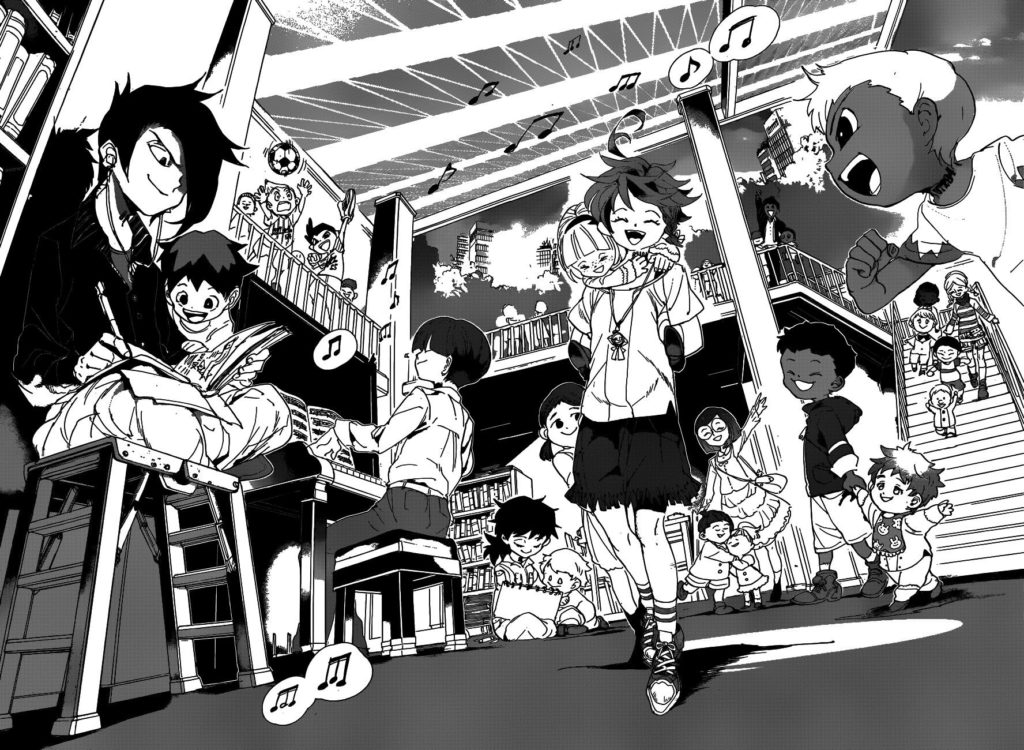
Unanswered questions
For viewers unfamiliar with the source material, many topics remain unclear and unexplored. SPOILERS ahead.
Why did Isabella switch to the children's side and how did she persuade the other sisters? How did the special children continue to live without the medicine? How does the Evil Blood work? Why did Sonju give up his desire to eat children? What terrible secret did William Minerva discover that turned his worldview upside down? What is that room covered in the word 'Help,' and what happened there? These are just a few of the questions that viewers will not get answers to. So after watching 'The Promised Neverland,' your hand will naturally reach for the manga, and then the viewer decides which ending they want to stick with: the simplistic one the creators of the series shoved at us, or the engaging one that remained in the manga.
Trailer:
Comments
0No comments yet.