
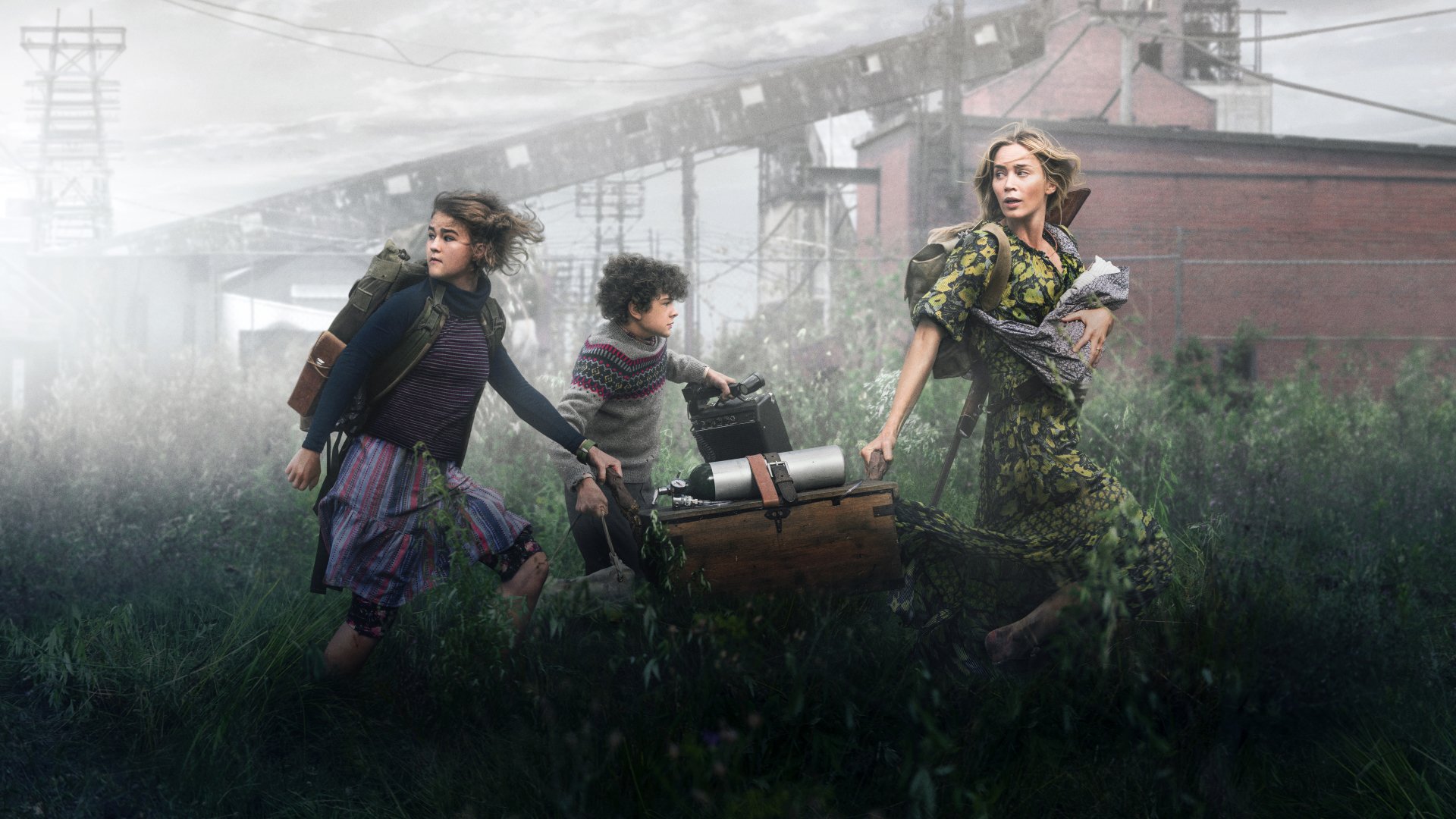
How 'A Quiet Place Part II' managed to preserve the best techniques and atmosphere of the first part and became louder, more dynamic, more interesting, and better. We tell you more about the sequel and the questions it leaves behind.
The brainchild of John Krasinski is once again winning the hearts and ears of moviegoers. The thriller, or even horror film, about an alien monster invasion and one family's survival story, made on a budget of $60 million, has already paid off. And it's easy to see why. A Quiet Place Part II was one of the most anticipated films back in 2020.
Now it is this film that must bring people back to theaters, who have been accustomed to streaming and online viewing. Leaving it for home viewing would be a crime, as the effect could be completely null. The film is made for the big screen, and this explains why the director and studio refused to release the sequel only on streaming services. We share our impressions without plot spoilers.
About the Idea
Interestingly, after the premiere of the first film, John said in an interview that he conceived the film as a one-off, without any continuation. And he was not sure of its success. But after excellent box office and reviews, the studio frantically began looking for a new team of screenwriters. When nothing worked out, Krasinski himself offered to write the script.
Now let's recall what Krasinski said about the film then. He once again noted that the first part is a metaphor about parents, about what they will do for their children. The second film takes a new height—here the children themselves decide their fate, that of their family, and sometimes the whole world. A child here has more answers to the question of how to live on.

And let's return to the topic of pregnancy to close this question forever, because many dissatisfied viewers of the first part never understood the point. And this is one of the main, to some extent, philosophical messages of the film. It is precisely the way the family copes with the loss of a child and the loss of everything that was in the world. They want to move on, turn this page, even realizing all the risks and consequences. But the main thing to pay attention to is that they didn't just decide to get pregnant, but thought everything through in advance and planned every part, every controversial moment that could potentially arise.
That is why the second film shows what the whole family is ready to do, but most of all, the children.
The Sequel Is Better
If the first film rode on the originality of using cinematic techniques, the sequel went further, only enhancing the effect. In the second part, there is plenty of suspense—and it's great. And by the law of the horror genre, jump scares are used here—they worked in every moment, even though there were few of them.
The second part shows us more locations, as well as more moments with the team-family splitting up. All the characters are constantly on the move, which adds more danger, more sound, more dynamism. There are also so-called plot twists that will definitely surprise.
We won't talk long and much about the plot, as it's better to immerse yourself in it. But it's worth knowing that the events of the second film begin right after the moment the first part ended. Except that the first act of the film takes us back to the past, namely the first day of the disaster. The prologue is shot at the highest level—thanks to the use of long takes. The first act of the film is a perfect example of a meticulously planned, down to the second, screen chaos in a long take.
Cast
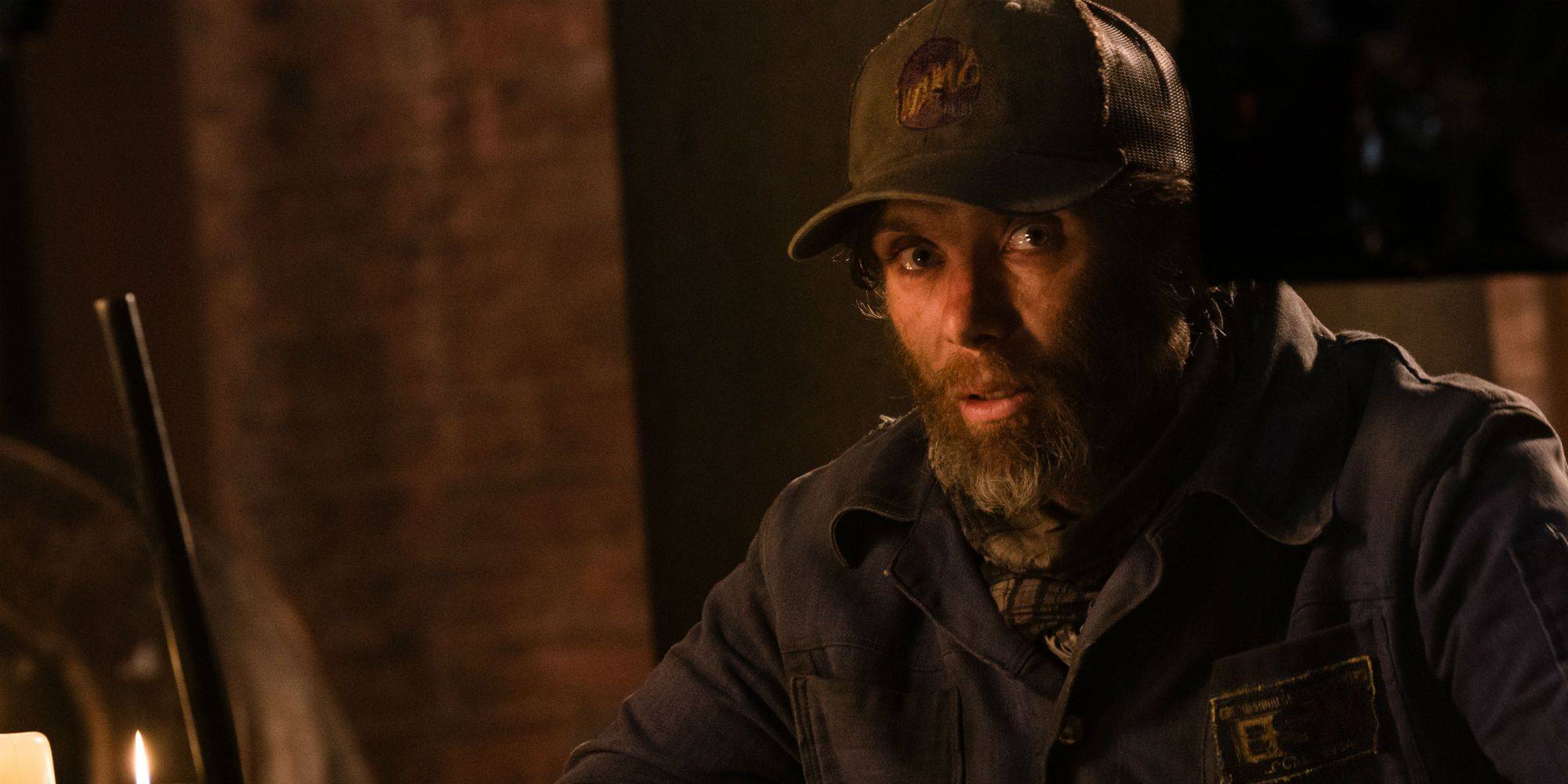
The original cast returned to their roles, and the children continue to amaze. Here is the wonderful Emily Blunt, who is ready to kill all the monsters in the area with one look, and again John Krasinski, who really suits dramatic roles. Noah Jupe and Millicent Simmonds again impress with their awareness and acting, not for nothing that after the first part they were invited to several new projects. At the same time, the new key character is the role of Cillian Murphy. This is the case when an actor has few roles, but all hit the mark. And here, in A Quiet Place, he did an excellent job.
Louder and More Dangerous
You will be surprised again at how noisy each of us is in real life—we produce a colossal amount of sounds during ordinary actions.

The combination of sound effects and music in the second film has also become even better. Both familiar soundtracks from the first part and new tense melodies are heard. The music was worked on by the team behind 'Logan'. Particularly memorable is the moment when the camera painfully lowers down in the frame, and you follow the movement of the main character, and then at the peak of the moment, the music intensifies, striking your nerve cells.
Sound effects are also used as a narrative element, conveying thoughts to the audience in the film's prologue. Here we returned to the first day of the disaster, when loud sounds are everywhere, right down to the moment when the main character tears open a packet in the supermarket or takes something from the shelf. The background noises were deliberately muffled so that we clearly understand this contrast.
My favorite technique in these films is showing the world from the perspective of the deaf girl. The entire audience freezes for a few minutes in anticipation, remaining in complete silence. Despite the film becoming louder, and truly completely silent moments are not that many, each one works. And you won't stop flinching at every rustle, especially when you leave the theater and find yourself in the real loud world.
Cinematography
In such films, visuals matter a lot, and here they are top-notch. The way the narrative is built through the frame and its rhythm shows the level of the director's skill, his cinematic language. Most likely, John Krasinski and the team chose a winning strategy: let the audience put two and two together themselves, then they will love you forever.
In A Quiet Place Part II, there are even more moments where you have to figure something out or understand it yourself. The characters don't voice this fact, don't explain it in any way, because it's something so natural from life, how any other person would behave. For example, viewers are not explained what that towel on the latch is for or why they need a timer. And these moments are highlighted either with a close-up or a sound accent.
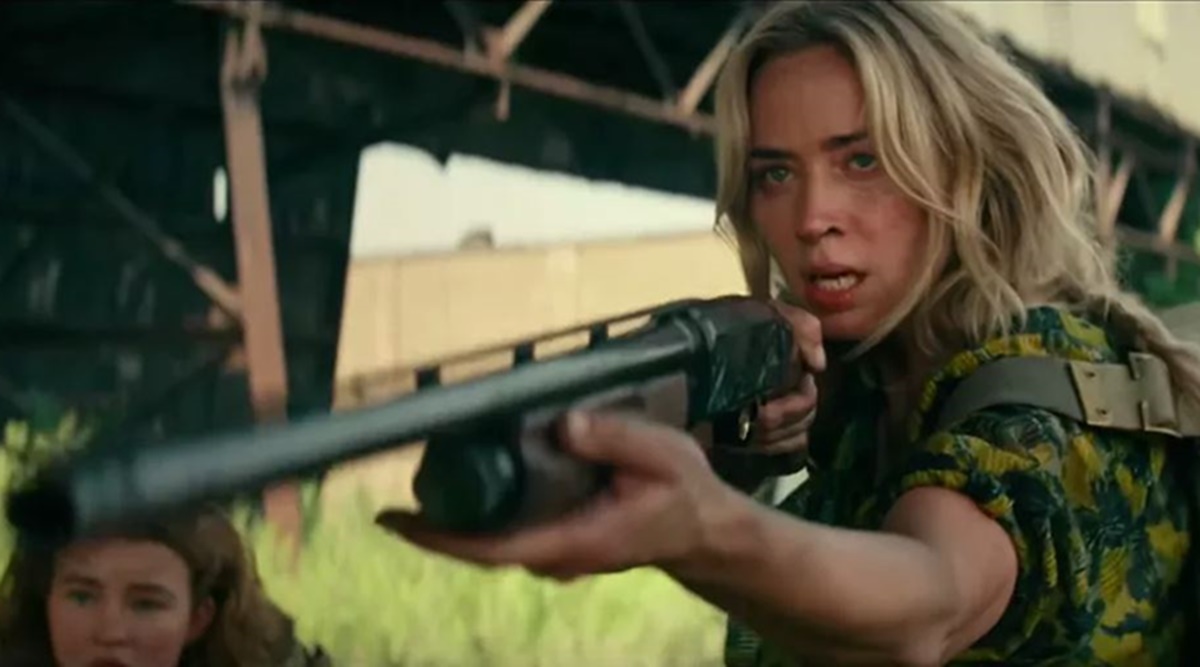
In the second film, the focus is not just on the family, but on the individual with their own beliefs, problems, and moral principles. In other words, the film focuses on characters who are separated by distance but not emotionally. And the editing helps to show this.
Many scenes from different locations and different character arcs occur simultaneously or in parallel, and the editing only saturates the feeling of anticipation for what will happen next. The scene changes one after another, the ending is completely unexpected, but the beautifully constructed frame with direct parallels between the characters is an artful technique.
The long takes at the beginning of the film affect the viewer on a subconscious level—we see and are convinced that this is happening in real life. If all these effects work, then the film is perfectly thought out.
A New World
The sequel opens a new genre for itself in the world of post-apocalypse. And the main question remains: 'What needs to be done to survive?' Will all people have empathy? Will there be hope for a better world? Or will there be no room for humanity here?
Following the example of 'The Walking Dead', the universe expands towards meeting other survivors. We learn that different communities of people have formed, with different reactions to events and different needs. How they cope with the tragedy brings the film closer to reality and adds points to its plausibility.
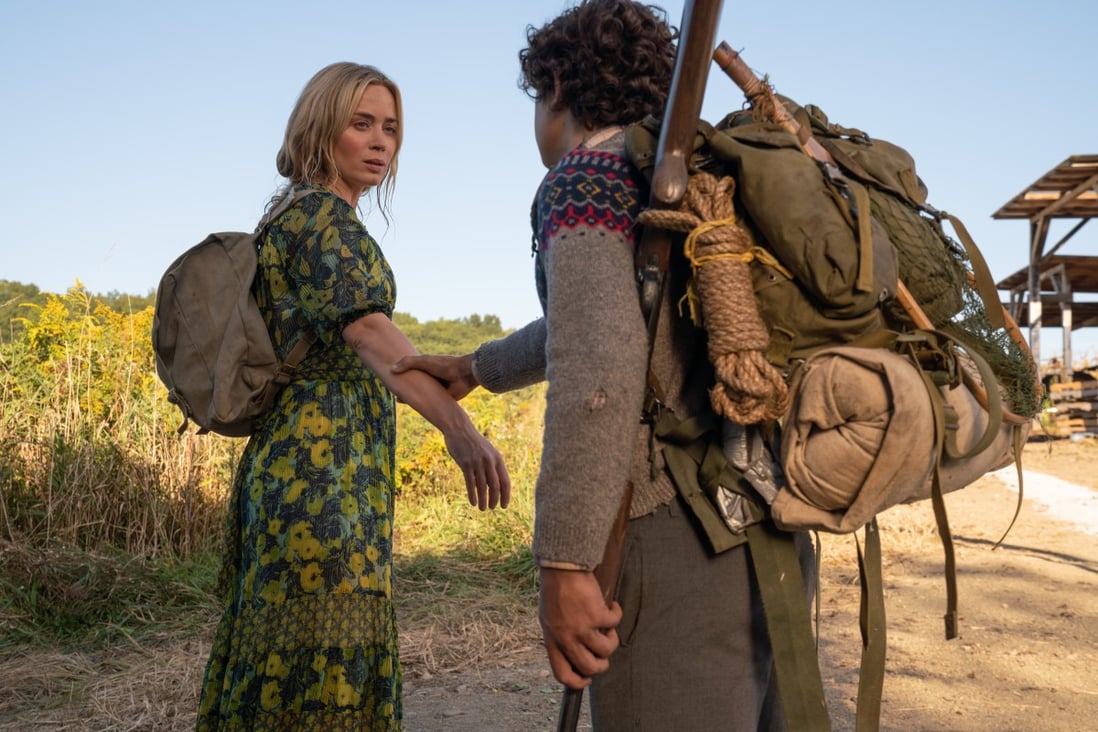
It's great that Krasinski did not stray from the theme of human drama, while continuing to skillfully scare people, as in horror films. The scary part here is handled by the monsters or angels of death, which everyone likes to compare to the Demogorgon from 'Stranger Things'. There is a similarity, but only from certain angles. Overall, the monster graphics turned out excellent, not jarring and not falling out of the picture.
In the first part, we could only learn about the appearance of the monsters from newspaper clippings that the main character collected. The second film naturally gives more answers.
What Questions Remain Unanswered?
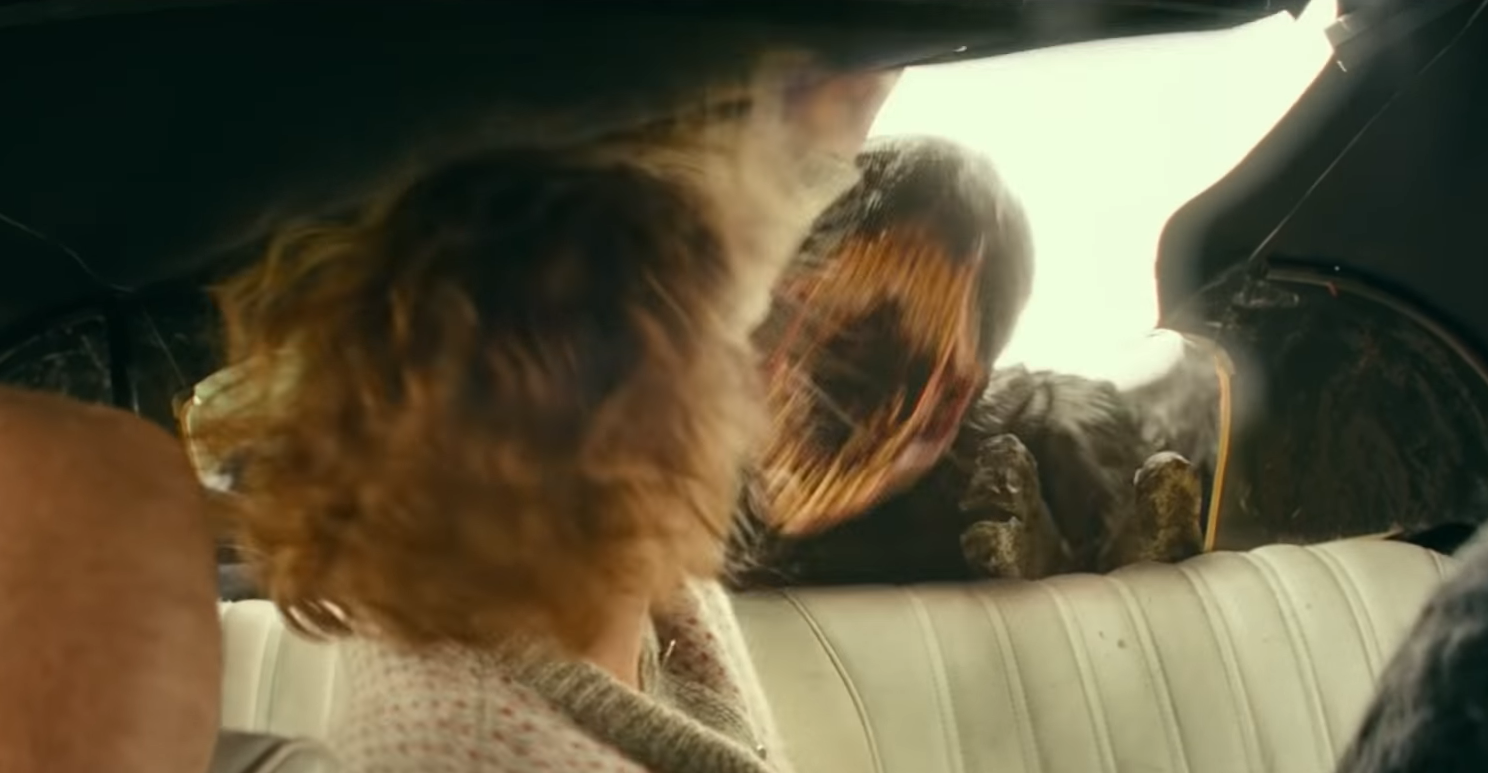
Perhaps one of the most frequently asked questions of any post-apocalyptic world will be the origin story of the extraterrestrial creatures. Where did they come from? Why did they arrive on Earth? How did they spread across the world? The director himself noted that the creatures came from a destroyed planet. And we, as viewers, know the strengths and weaknesses of the monsters. But what actually happened still remains a mystery.
From this follows the next question—did anyone in the world manage to fight the creatures and restore their country/city/normal life? If we look at the universe on a global scale, we wonder whether other countries figured out the monsters' vulnerability. Why couldn't the military kill at least some of them? Will islands be safe havens? We will have to wait for answers to some of these questions only in the third part of the film.
But don't worry, Krasinski has already announced that the script for the spin-off is written, and the film itself will be released next year. Also, based on current ratings and box office, it can be concluded that a third part will definitely happen.
Comments
0No comments yet.
Sign in to join the discussion.