
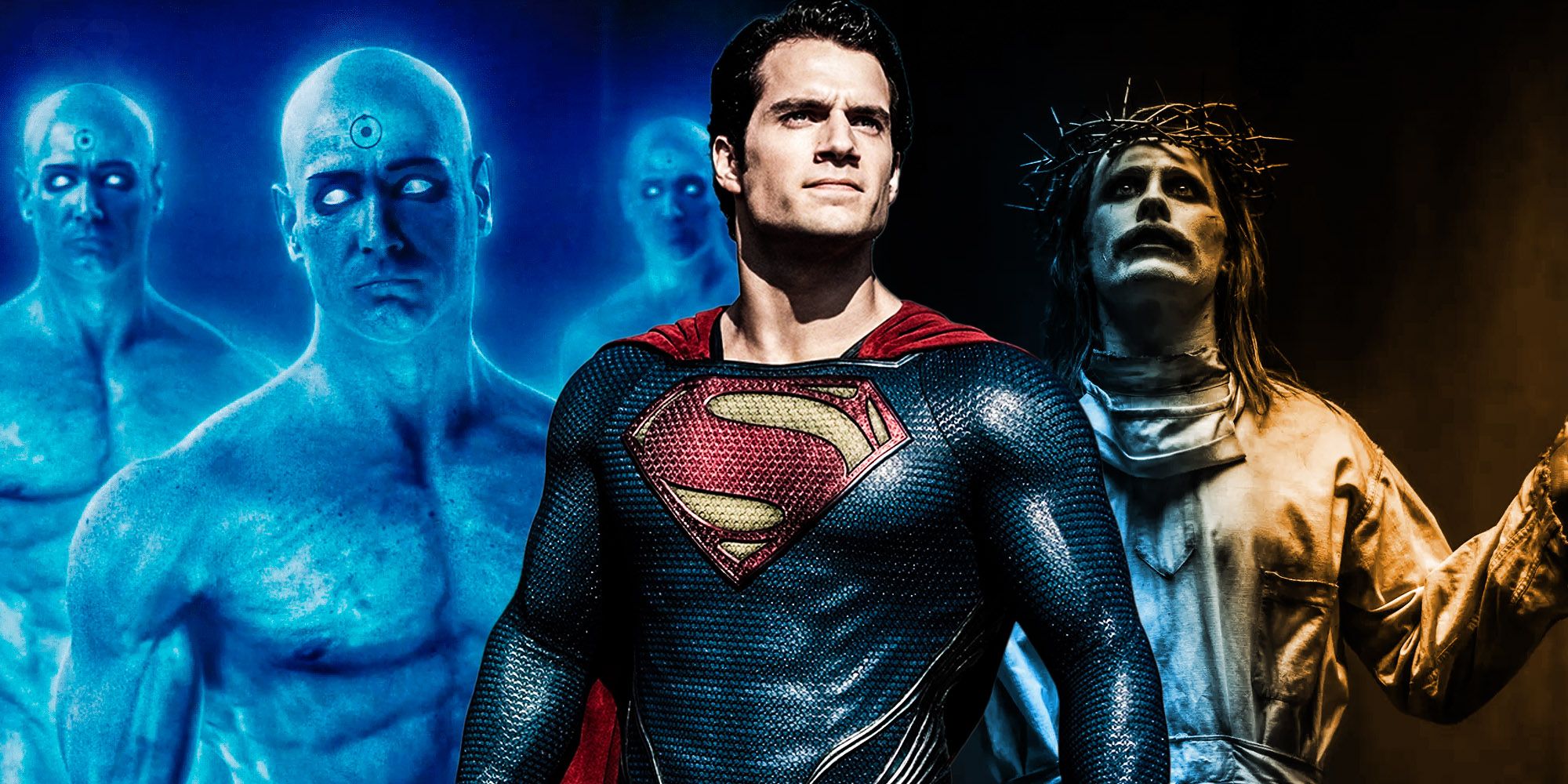
The editorial team of the 'After Credits' project decided to compile our own ranking of Zack Snyder's films, ordering them from worst to best.
In 2021, Zack Snyder could confidently be called the most talked-about director in the world. From the buzz surrounding the long-suffering release of the director's cut of 'Justice League' to the launch of a new franchise on Netflix, the filmmaker's name dominated film publication headlines in the first half of the year. Having assessed the latest brainchild of Hollywood's foremost slow-motion enthusiast, we decided to compile our subjective ranking of Zack Snyder's films. What is your favorite project by the director? Write in the comments.
9. Army of the Dead
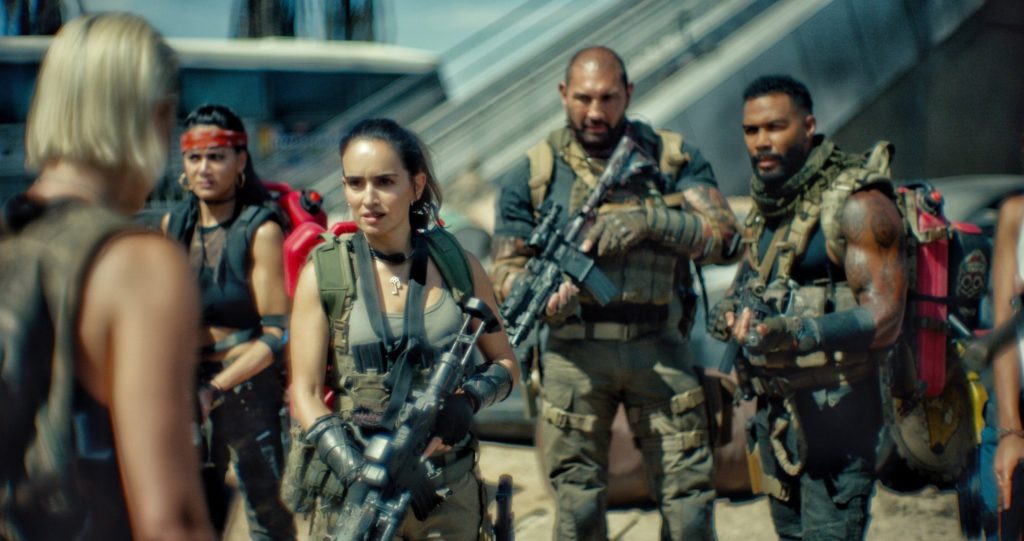
Zack Snyder's film is, to put it mildly, not the most successful attempt to expand the zombie horror genre and create something special within its framework. Yes, on an idea level, combining a heist story against the backdrop of a zombie uprising (hello, 'Train to Busan 2') and a structured army of the undead sounded promising. Add to that a multi-million dollar budget and complete carte blanche from Netflix. Hence the inflated expectations, which were hardly met.
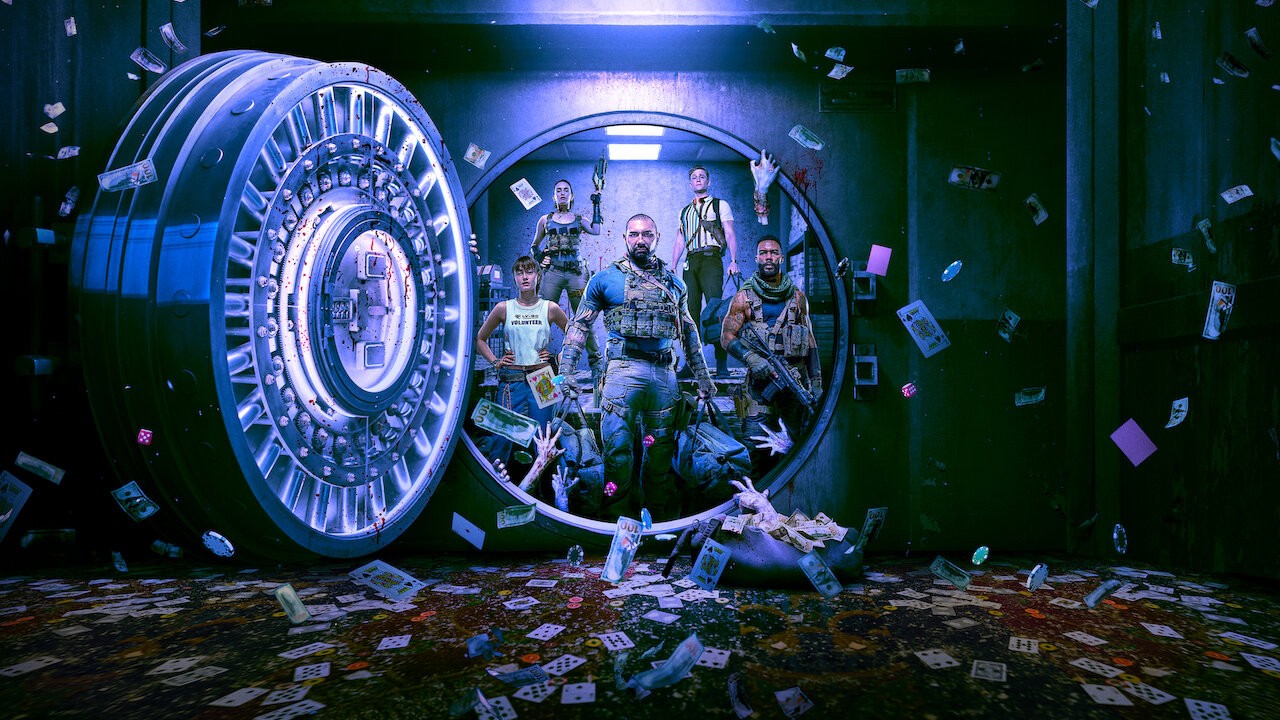
We watch Zack Snyder's blockbuster 'Army of the Dead' and figure out why the innovative approach to zombie horror turned out to be unsuccessful.
Open materialDubious artistic decisions, like the blurred background image, primitive characters even by genre standards, the absence of a coherent heist in a heist story (!), poorly developed lore, and muddled action — that's what 'Army of the Dead' turned out to be. And no merits (the magnificent opening credits, the original concept, the zombie tiger) can offset the film's overall failure.
8. Batman v Superman: Dawn of Justice
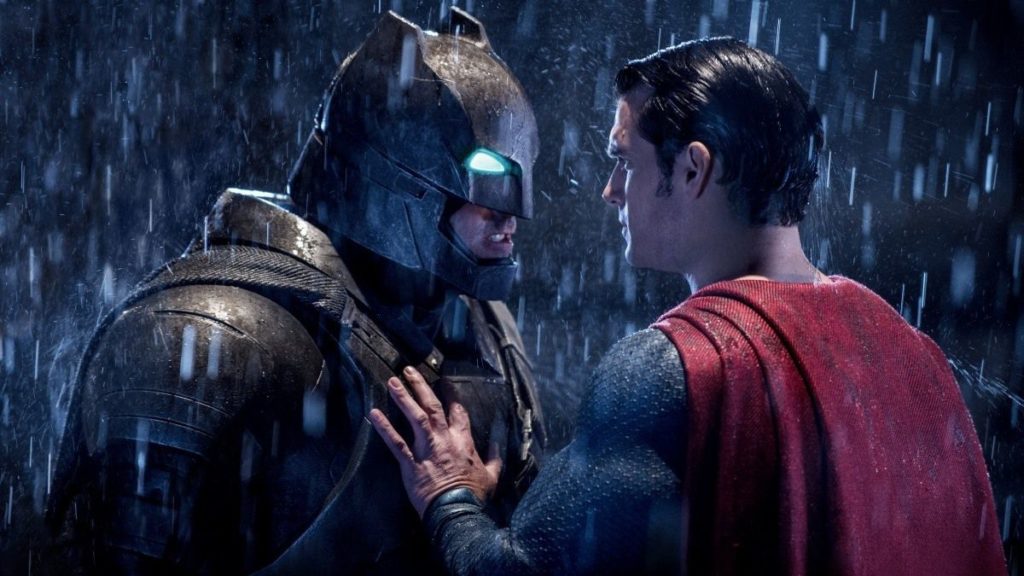
Zack Snyder and symbolism on Christian themes are synonymous concepts. This was especially evident in the clash between the two main DC comic book heroes, Batman and Superman. Here we have a messiah turning into a false god, themes of destiny, albeit doomed to fail, and many other obvious and not-so-obvious allusions.
The direct clash of the two titans is presented ironically in the film. It occurs not because of ideological differences (at least on Superman's part), but due to the manipulative machinations of a third party, skillfully exploiting the weaknesses inherent in ordinary people (emphasize!).
Despite an abundance of merits (allusions, the luxurious debut of Gal Gadot in the DC cinematic universe, strong acting performances, and stunning visuals), the film turned out to be too cumbersome and pompous. Moreover, if you watch the carelessly edited theatrical version (the director's cut smooths out many rough edges and eliminates logical gaps) and are unfamiliar with the events of 'Man of Steel,' there is a high risk of not appreciating the film's potential at all.
7. Sucker Punch
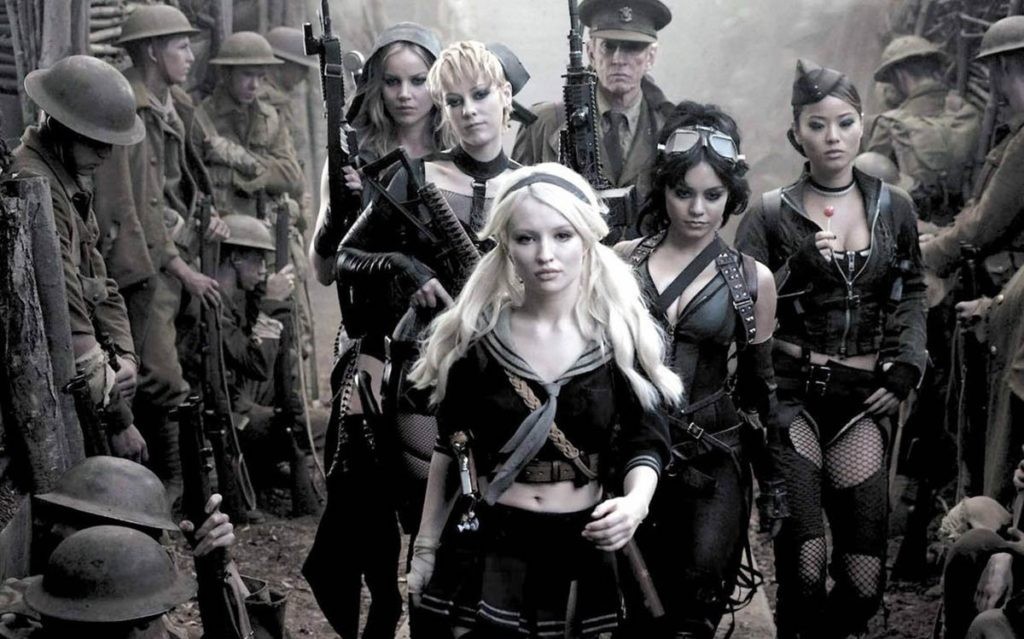
Zack Snyder's first experience as a screenwriter for his own film cannot be called too successful just like his last one. The story of girls confined to a psychiatric clinic trying to escape by participating in fictional quests of various kinds of madness turned out to be insufficiently convincing in terms of motivation and logic of what happens on screen. Additionally, it features many bright but overly caricatured and even meaningless characters, and some episodes look like a random collection of scenes from a music video director's showreel.
Nevertheless, 'Sucker Punch' has its own unique features: the utterly magnificent in their vulgarity Oscar Isaac and Carla Gugino, a gorgeous soundtrack, part of which was talentedly performed by the lead actress Emily Browning, an off-the-charts level of geekiness (dragons, samurai, war games, helicopters, girls in school skirts — the film has it all), and, of course, the perfectly calibrated signature Snyder slow-motion.
6. Zack Snyder's Justice League
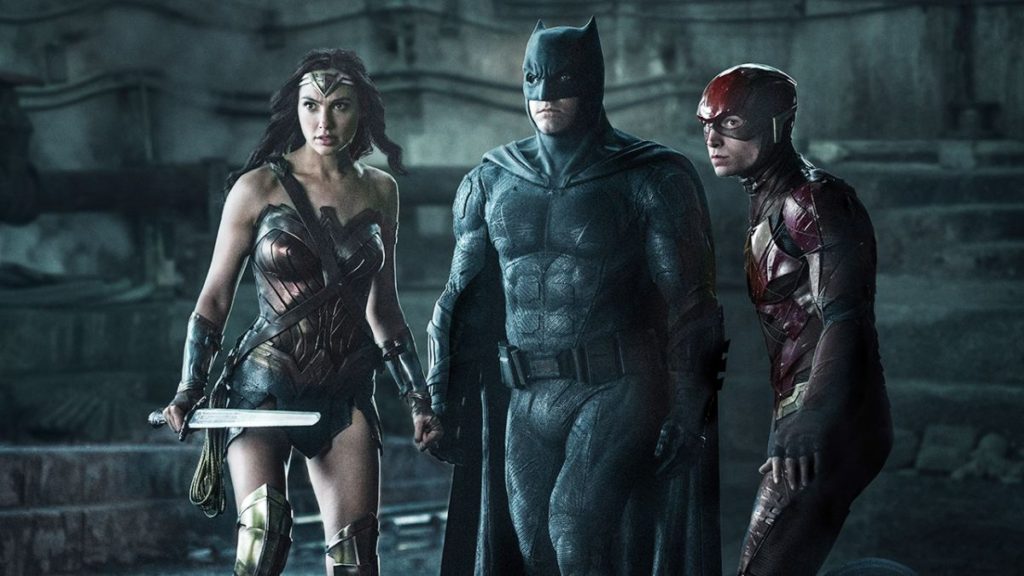
'Justice League' (specifically the director's cut, not the misunderstanding authored by Joss Whedon) became the apogee of that DC cinematic universe that could have been from the start, had the bosses at Warner Bros. not changed course midway. Here, the level of mythology of what is happening is comparable only to stories about ancient Greek gods. Every character is a full-fledged ancient tragedy. Every symbol is of the highest order (Superman had walked the path of Jesus before, but here he even resurrects and forms a cross against the backdrop of Earth).
Almost every frame of the film can be screenshotted and set as wallpaper on your computer or smartphone desktop. Almost all characters are clearly developed, which is rare in such mishmashes with a bunch of superheroes. Almost every action scene is thought out to the smallest detail, down to the competent interaction of the League members. This is what is called a win-win.
The film has exactly 2 drawbacks: it is too drawn out (4 hours without a strong plot is still overkill) and it is made for a specific segment of comic book fans (hence the largely justified indignation from all those not involved).
5. Legend of the Guardians: The Owls of Ga'Hoole
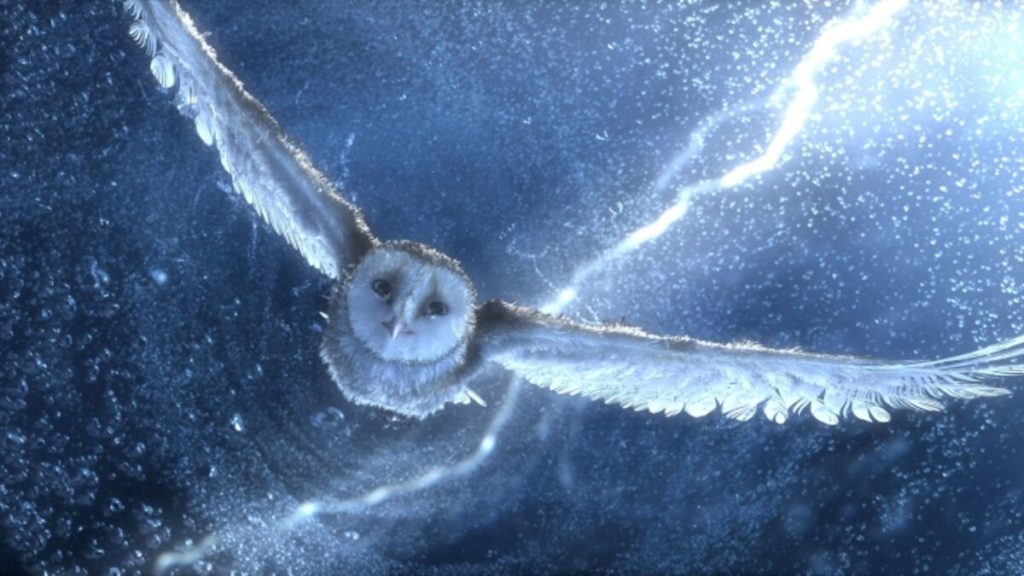
If anyone didn't know, Zack Snyder's filmography also includes an animated film based on the children's book series by Kathryn Lasky about warrior owls. And this is another example of how the director handles literary source material very carefully and skillfully. A good story, conceived by a professional writer, becomes a launching pad for a true blockbuster, rich in events and memorable scenes. Many of them, even now, over 10 years later, look simply stunning.
'Legend of the Guardians' is, perhaps, one of the most balanced and undeservedly overlooked works of the director. So if you missed it back in the day, now is the time to catch up.
4. Man of Steel
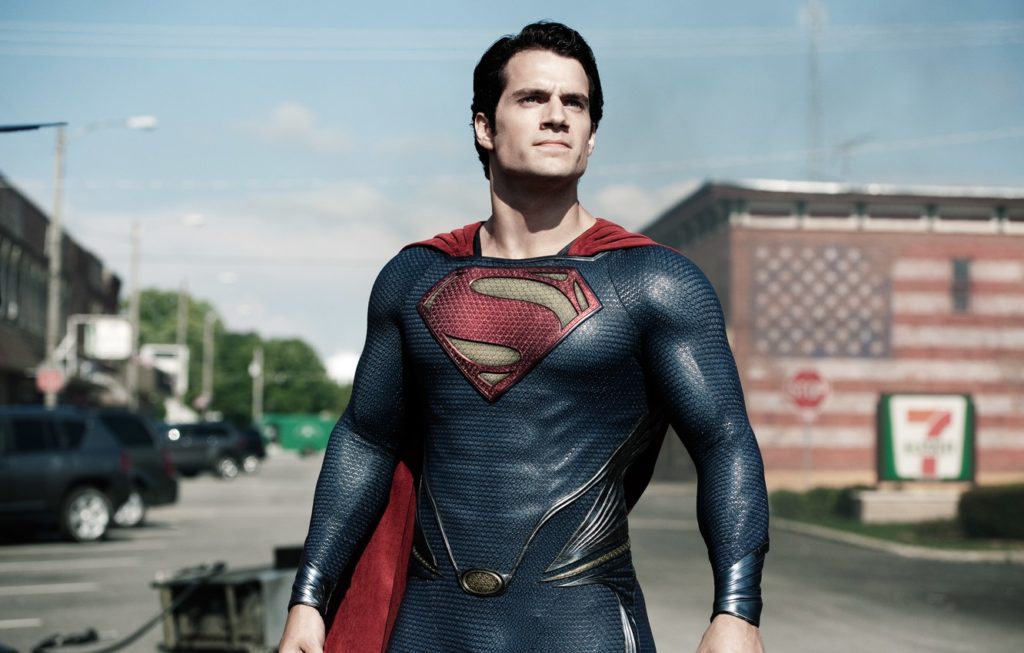
The start of the DC cinematic universe was impressive: a coherent origin story for a nearly invulnerable hero, a strong ideological confrontation between central characters, a stylish and dark visual presentation that differed markedly from the creations of Marvel and Disney at the time, a staggering scale of the action component (yes, even considering the flickering, cartoonish final battle) set to the epic music of Hans Zimmer, and a spot-on casting choice (Henry Cavill is the best Superman, mark our words!).
Snyder's film, with all its meme-worthy Christian references for many, managed to lay a solid foundation for future projects, which began to wobble already in the next chapter, which in no way detracts from the coolness of the original.
3. 300
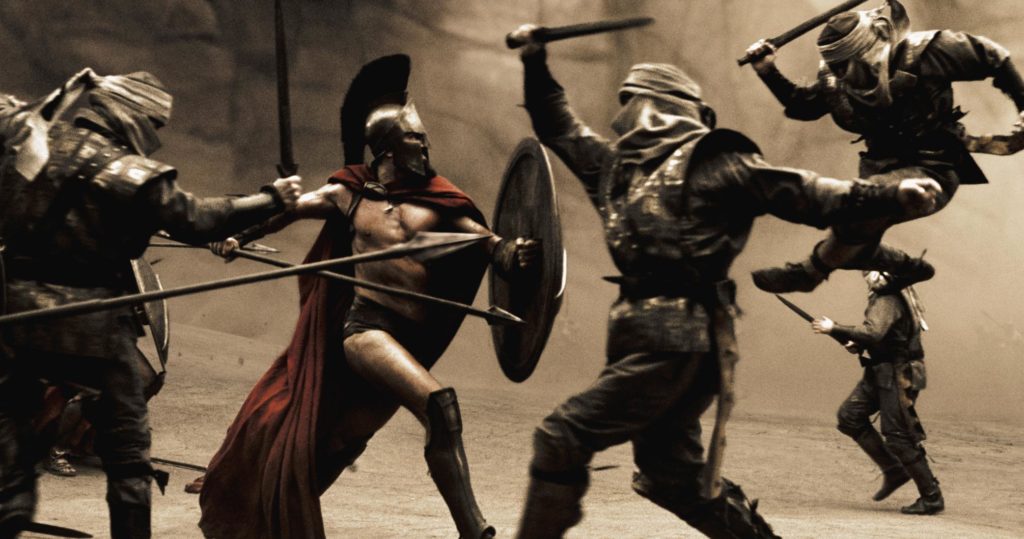
'This is Sparta!', blood-red cloaks, side tracking with rapid-fire, brutal and courageous Spartans, cruel and uncompromising Persians — this Zack Snyder film rightfully claims, and indeed already is, a modern classic of Hollywood cinema.
This neo-peplum (is there such a term?) will rightfully find its place in all books on film art as an example of a pompous (in the right sense of the word) and masculine action movie, where cheap dramaturgy died a heroic death in favor of spectacle, the likes of which have not been seen since.
2. Dawn of the Dead
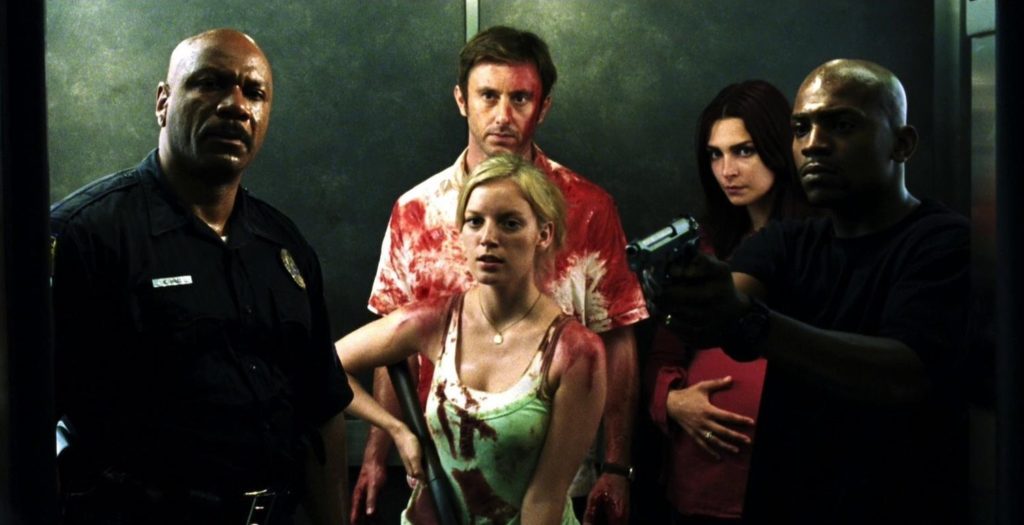
At the dawn of justice of his career, Zack Snyder showed that he can skillfully handle not only literature but also the works of film masters. In reimagining the classic zombie horror by George A. Romero, the director combined the messages of the genre's father (who clearly and without much embellishment criticized consumer society) with the demands of an era that had already seen '28 Days Later' with its revived and no longer sluggish dead.
In this work, the director skillfully built suspense, lightened the narrative with humor where needed, and made the characters understandable and relatable to the audience (something that did not happen with the later 'Army of the Dead'). The result is a exemplary film that many deservedly call the director's best work.
1. Watchmen
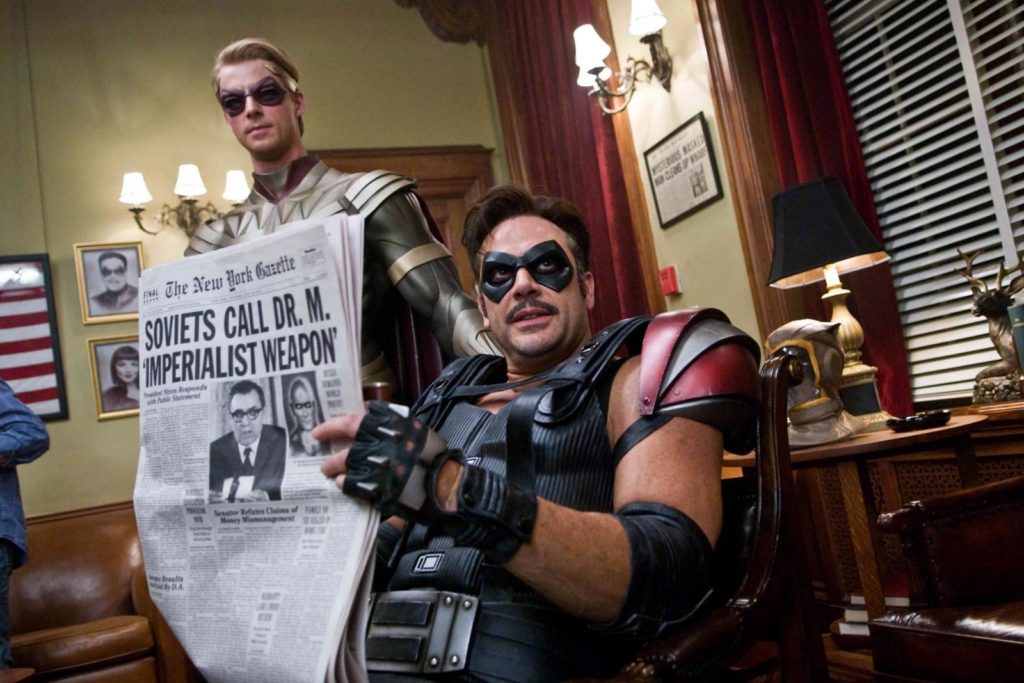
In the debates of geeks about which film is the best comic book adaptation, a final point will never be made. Some will say that the crime drama 'The Dark Knight' is the benchmark and highest achievement of the genre. Others will respond that this film has nothing to do with graphic novels and will offer a more convincing argument in this regard: the film 'Scott Pilgrim vs. the World.' Still others will laugh and lay out a dozen reasons why the best adaptation is Zack Snyder's 'Watchmen'.
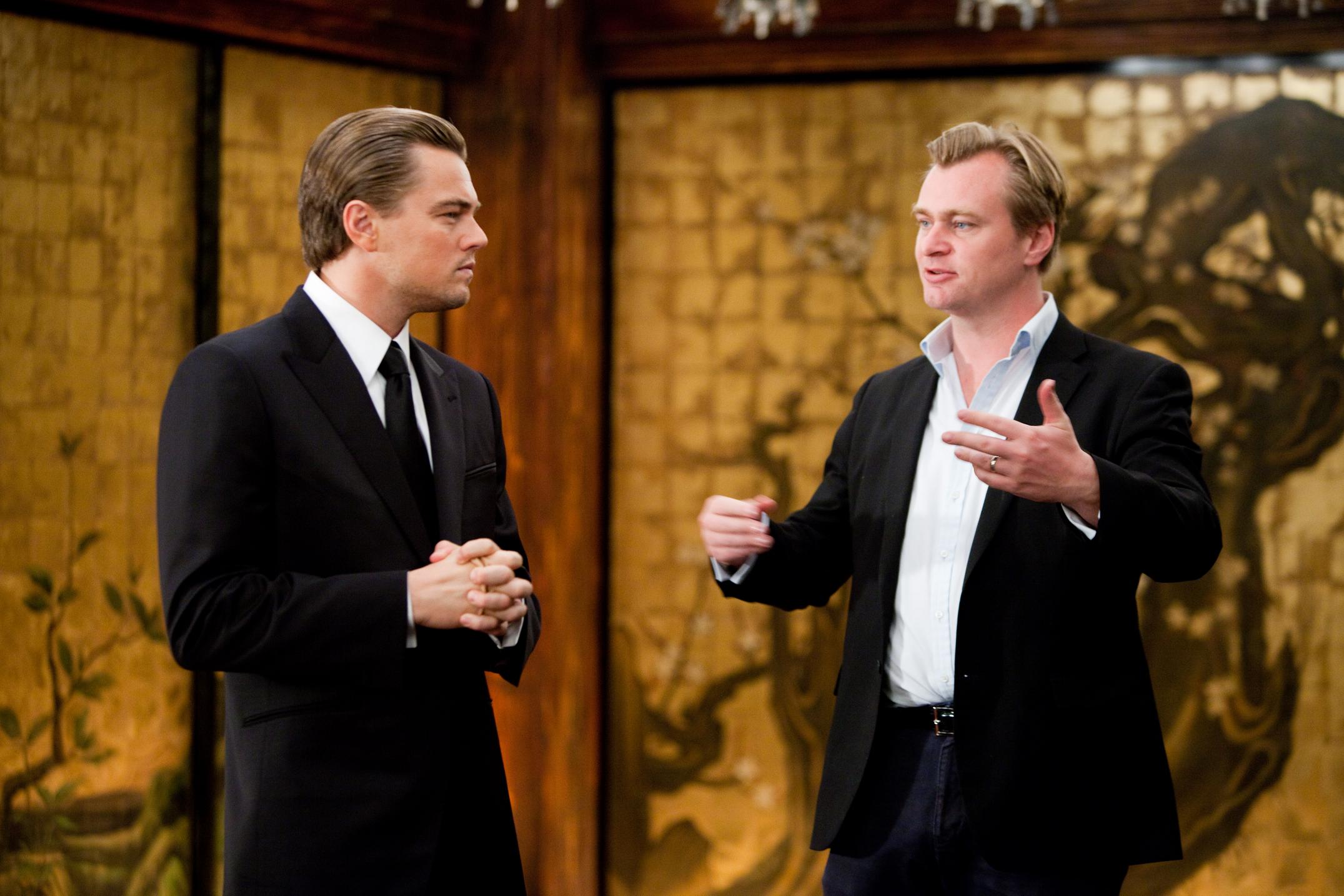
The editorial team of the 'After Credits' project decided to compile our own top 10 Christopher Nolan films, ranking them from worst to best.
Open materialIn the film 'Watchmen,' there is no hero or team of heroes; there are only unusual people (and just one superhuman) in unusual circumstances. And that makes it outstanding. As does the fact that the director managed to translate into the language of cinema the titanic work of Alan Moore in the genre of alternate history, seasoned with superheroics, brutal scenes of parasitic violence, and masterfully written monologues.
Add to this the phenomenal opening credits with a montage of many historical facts distorted in the alternate history — during viewing, you may experience an uncontrollable desire to applaud standing up, so brilliantly are they made. And an equally grandiose finale, forcing you to once again reflect on the unambiguousness of judgments about good and evil.
Also read our article 'Multifaceted Cinema: 'Watchmen' as a Deconstruction of Myths About the Hero's Journey'
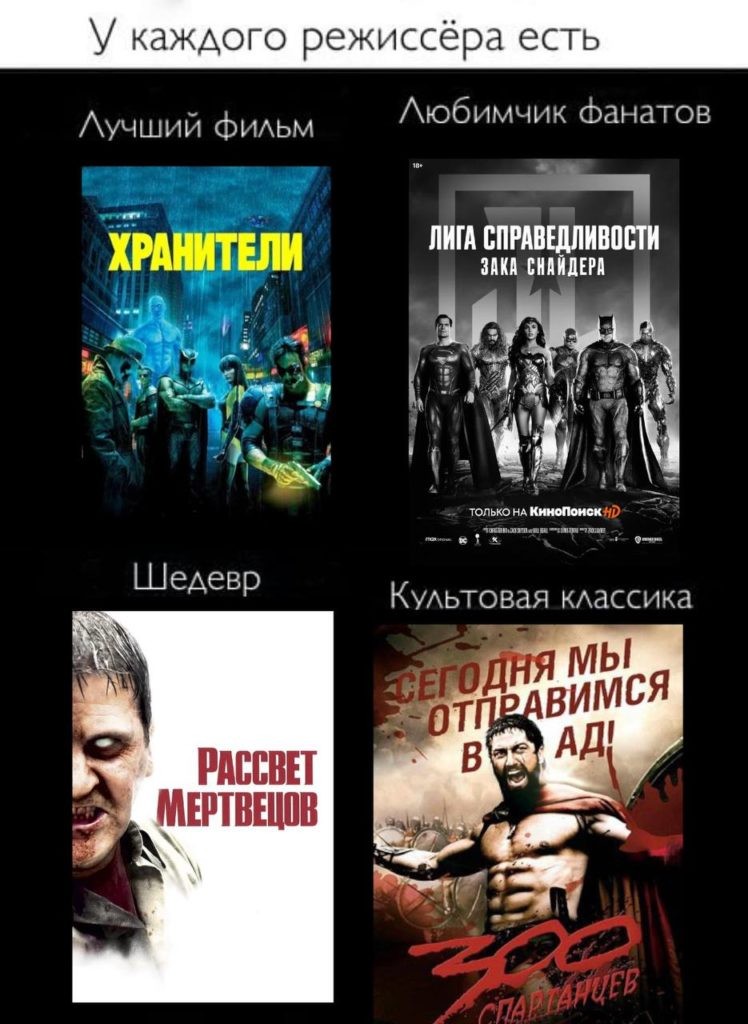
And we would like to end with this meme, which fits nicely into our ranking of the director's films:
Comments
0No comments yet.
Sign in to join the discussion.