
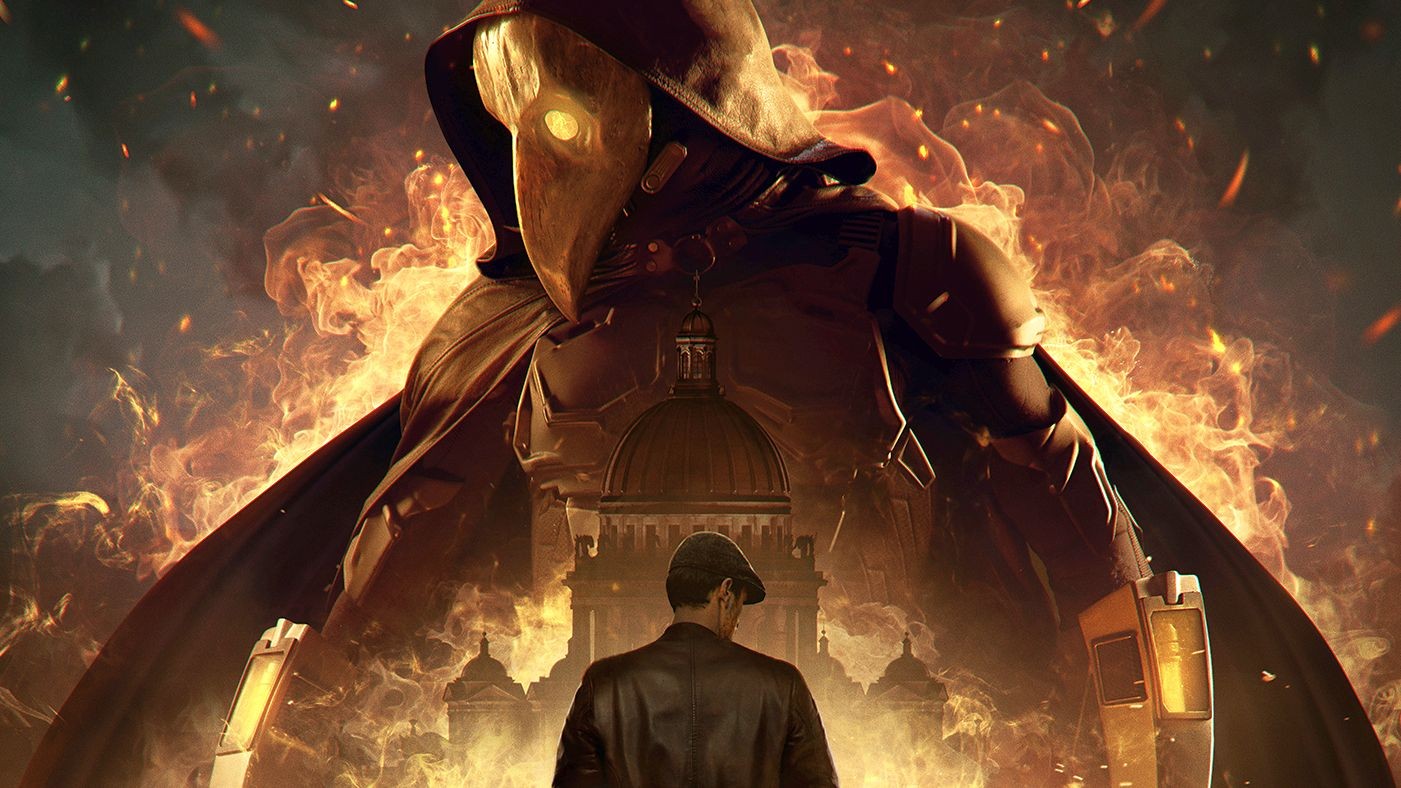
“Major Grom: Plague Doctor” is a Russian comic book movie that pulled it off.
Mark the date April 1, 2021: the day “Major Grom: Plague Doctor” hits theaters, the first Russian comic book movie based on a series of comics by the domestic studio Bubble Comics. If circumstances are favorable, the film could become the start of a major new franchise. Director Oleg Trofim’s work has every chance of achieving this, and we’ll explain why.
A New Russian Hero
Igor Grom (Tikhon Zhiznevsky) is a police officer who uses a variety of methods to fight crime, including those not approved by his superiors or the letter of the law. But he is the one capable of stopping a madman who calls himself the Plague Doctor and dispenses his own brand of justice in St. Petersburg with flamethrowers in hand.
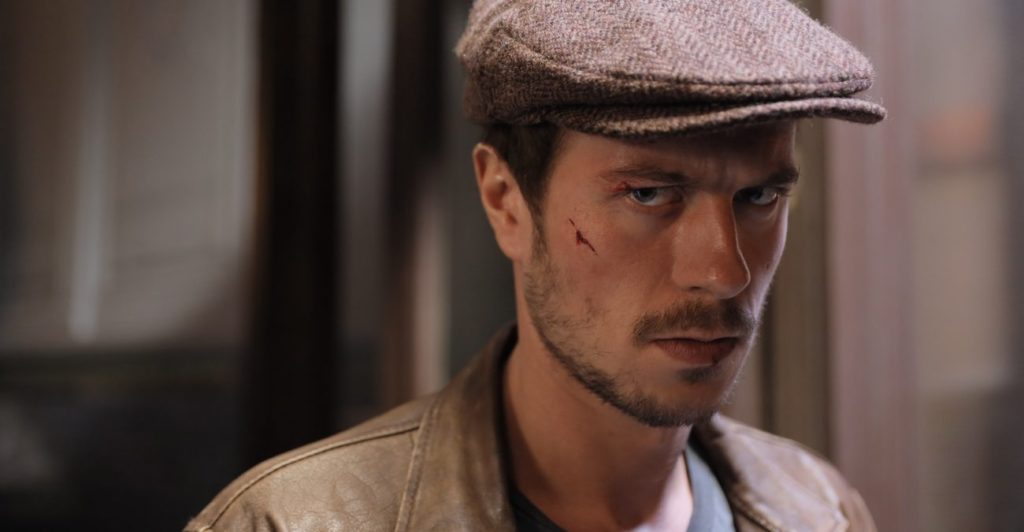
Since the days of Danila Bagrov, Russian cinema hasn’t had a character that could be considered a hero in the deep sense of the word. Why not let Igor Grom be that—an uncompromising fighter for justice, not too talkative, but moderately charming and sarcastic? It helps that actor Tikhon Zhiznevsky openly admits he borrowed some intonation techniques from Sergei Bodrov Jr. (who, in turn, looked to another iconic domestic hero, Viktor Tsoi from “The Needle”). Of course, this might sound a bit sacrilegious now, but in our time, the importance of symbols can’t be overstated, and such a symbol could truly become iconic.
Social Subtext in an Entertainment Action Movie
“Major Grom: Plague Doctor” is a 100% entertainment blockbuster with daring chases, diverse fights, inventive action scenes, and light humor. Yet the genre and format didn’t stop the creators from taking risks and adding important social themes to the story.
The authors address pressing social issues, corruption, and conflicts between justice and the law. These universal themes resonate sharply with the current agenda in Russia, making them feel very ambitious (the premiere screening saw a particularly strong reaction to the otherwise ordinary quote, “Freedom of speech is an inalienable human right”). And that’s not even mentioning the new version of the song “Peremen” that plays in the film.
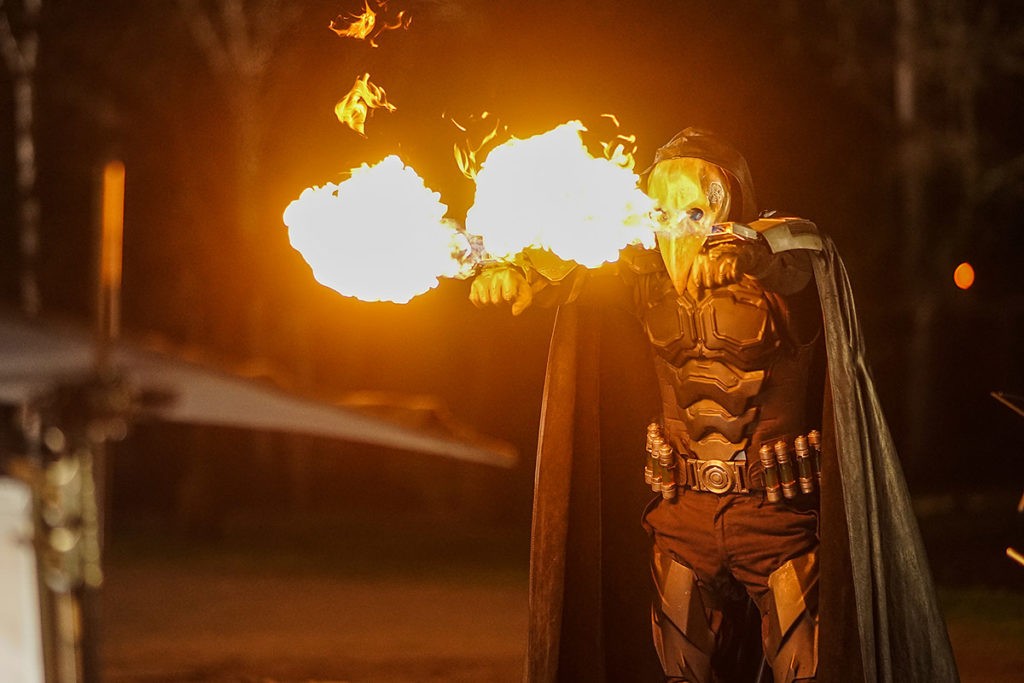
Thanks to these choices, the antagonist of “Major Grom: Plague Doctor” doesn’t come off as a second-rate comic book villain driven by a thirst for power or tiresome megalomania. In many ways, his desire for justice echoes Grom’s own aspirations—the difference lies only in their methods. It’s not a new approach, but it still works when used properly.
Location Shooting and Practical Effects
It’s also pleasing that most of the film was shot on location or in specially built sets, and the lion’s share of effects on screen are practical—i.e., without computer graphics (even the antagonist’s flamethrowers are a fully functional real mechanism). The overuse of noticeably low-quality CGI has ruined more than one domestic blockbuster, so credit to the creators of “Major Grom: Plague Doctor” for choosing a different path.
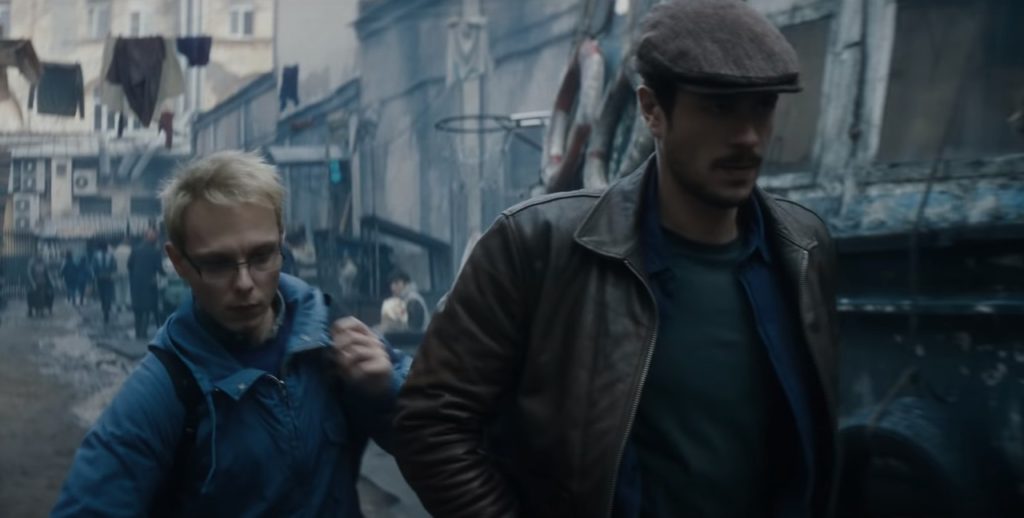
St. Petersburg and its locations have become full-fledged participants in the story. The characters engage in a chase against the backdrop of the majestic St. Isaac’s Cathedral, catch criminals on Palace Square, eat shawarma on the famous St. Petersburg rooftops, and throw enemies into canals—all of this, combined with the overall Hollywood-level action movie atmosphere, delivers emotions you won’t get from watching an average Marvel film.
References, Easter Eggs, and Other Pleasant Details
As befits a comic book blockbuster, the film is packed with Easter eggs for Bubble Comics fans. You can spot them in humorous one-liners, visual and verbal hints and references to other comic series (like “Besoboy”), and, of course, in the post-credits scenes—of which “Major Grom: Plague Doctor” has two, so don’t rush out of the theater as soon as the lights come on.
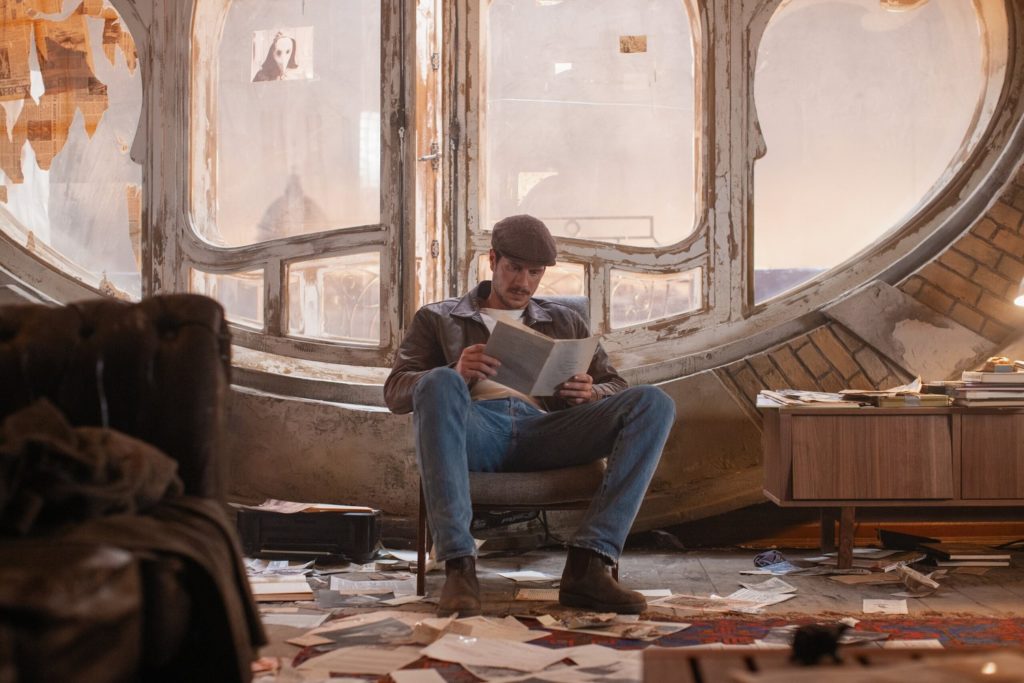
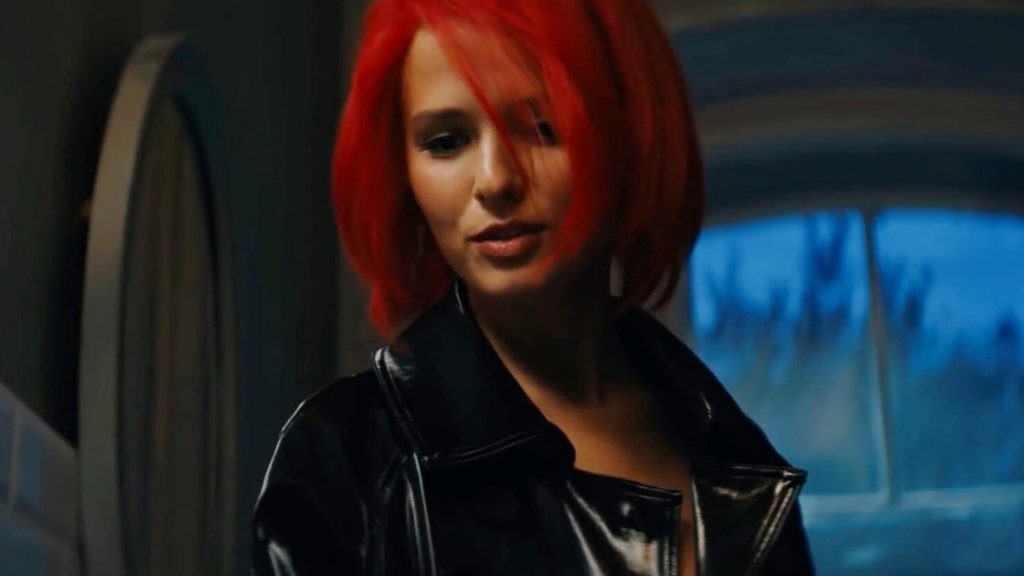
But the references in the film aren’t limited to the Bubble comic universe—they also extend to films everyone knows. In the outfits of Lyubov Aksyonova’s character, even the laziest viewer will notice nods to “The Fifth Element” and “Pulp Fiction” (and more!). And one of the main plot twists will clearly remind you of an outstanding film from the late 20th century (we won’t point fingers).
In some directorial and staging choices, you can see the influence of Guy Ritchie (camera moves, brisk editing, illustration of potential developments) and even Edgar Wright (Oleg Trofim admitted that before filming, he rewatched “Baby Driver,” possibly for the city chase scenes).
Overall, the abundance of Easter eggs, visual references, and quotes doesn’t feel overwhelming; on the contrary, it makes you smile when the quoting or reimagining is particularly successful.
At the same time, from a visual staging perspective, not everything is perfectly smooth. In some scenes, you get the feeling that the director’s music video background hasn’t let go. They come across as foreign elements, existing merely for the beauty of the image.
And, of Course, the Humor
A review of “Major Grom: Plague Doctor” wouldn’t be complete without mentioning the humor. The film is genuinely very funny. The jokes come in all varieties: from sharp verbal punches and amusing character interactions to playful subversions of audience expectations. Importantly, the humor is mostly appropriate and effectively dials down the pompousness of what’s happening on screen. Just when you suspect the creators might overdo the gloom or grandiosity, His Majesty Humor steps in.
Should You Watch “Major Grom: Plague Doctor”?
Perhaps the only truly serious criticism of the film is its desire to please everyone. This explains the explosive mix of genres (from a dark thriller about a serial killer to a lighthearted comedy about clumsy cops), the huge number of references and allusions we’ve already discussed, the social agenda (no matter how much the creators deny it), the overall Hollywood-style comic book movie presentation, and so on.
Otherwise, “Major Grom: Plague Doctor” is a major success for modern Russian entertainment cinema aimed at a mass audience and an excellent launching pad for building a full-fledged cinematic universe based on Bubble comics. If director Oleg Trofim is asked the question posed in the film (albeit in a different context)—“What have you done?”—he can confidently answer: “I made the first worthy Russian comic book movie.”
Trailer:
Comments
0No comments yet.