

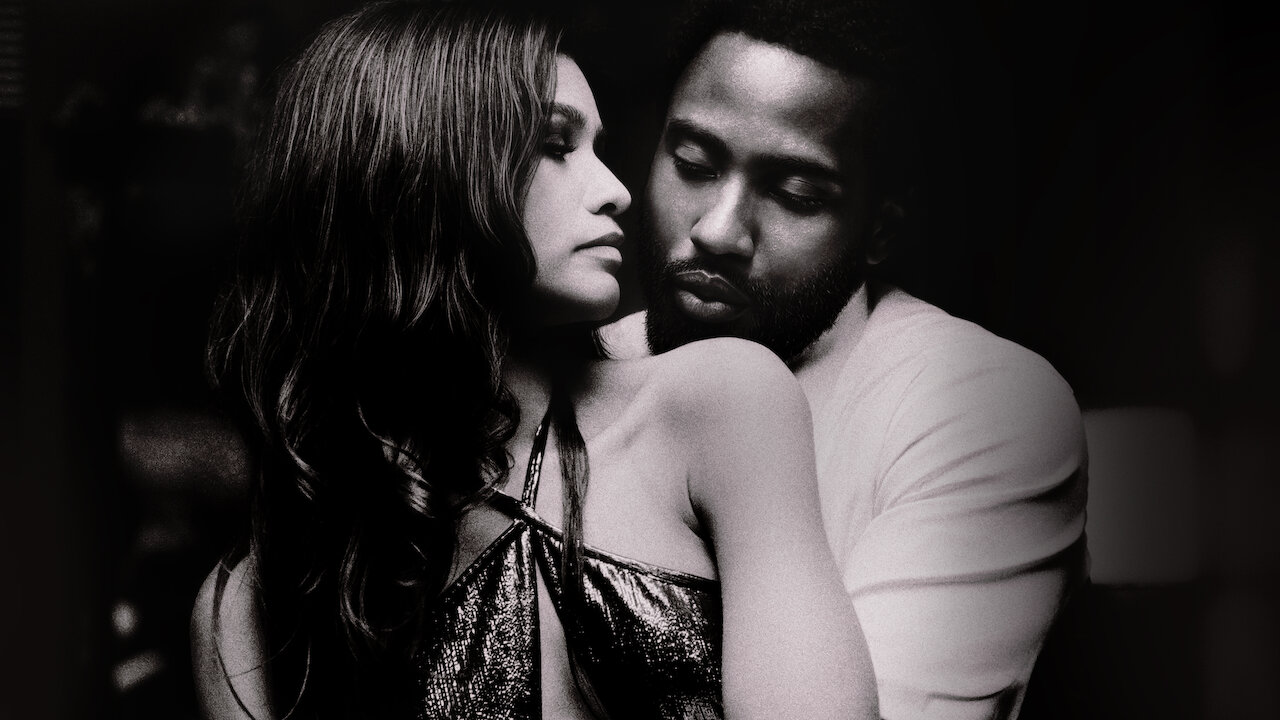
Did the director of Malcolm & Marie manage to create a strong chamber drama, or did he have completely different plans? Find out from our review.
On February 5, Netflix debuted Sam Levinson's feature film Malcolm & Marie, conceived and shot during the pandemic with all the ensuing restrictions. The main and only roles in the project were played by rising Hollywood stars Zendaya from Euphoria and John David Washington from Tenet. Let's figure out what came of it and why the film was so disliked by Western critics.
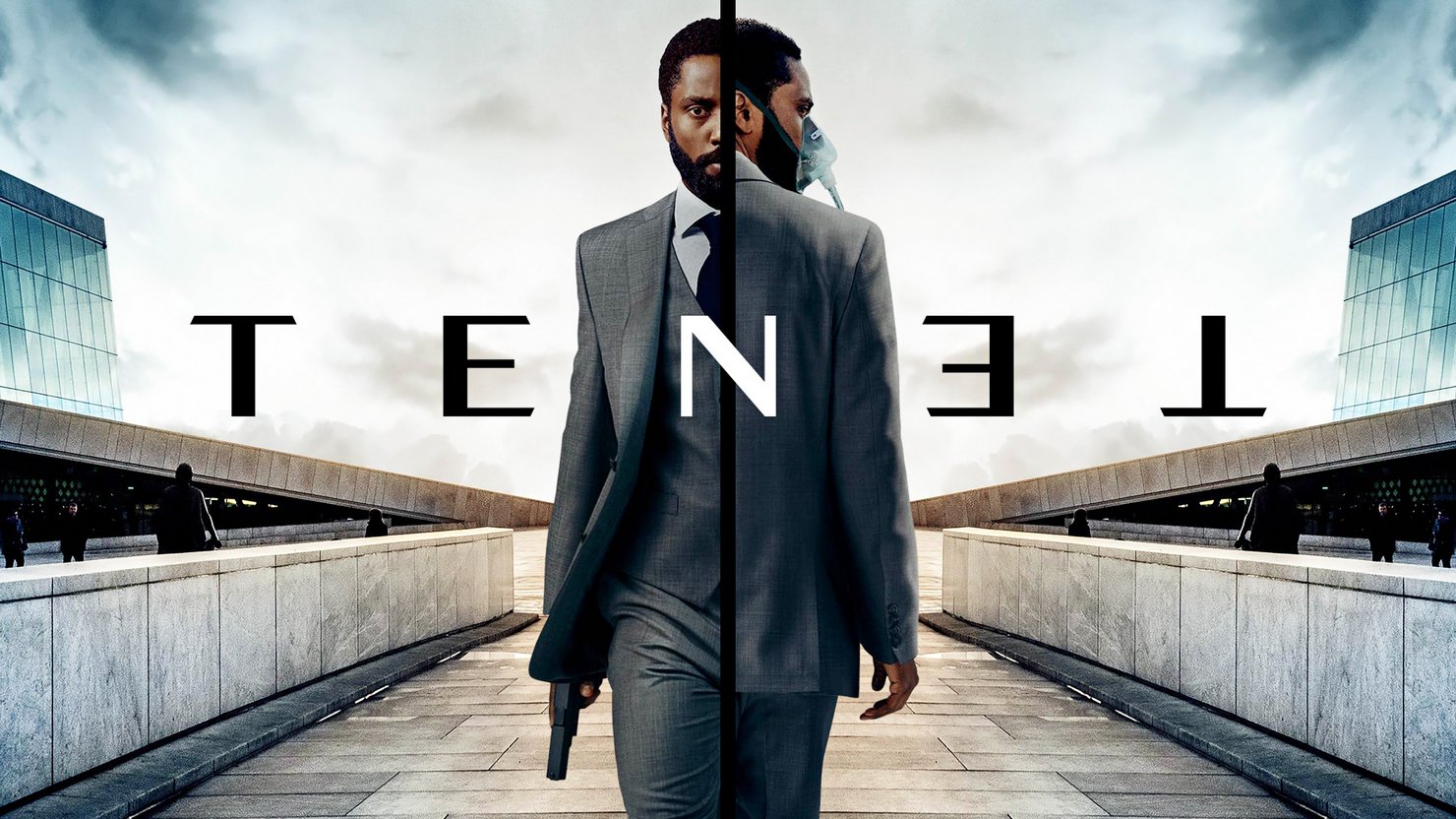
Tenet is not bad, but if you remember that its director was Christopher Nolan...
Open materialMarriage Story
The story begins when director Malcolm returns home after the successful premiere of his new film. While he energetically dances and sings along to James Brown, rejoicing in his triumph, his girlfriend Marie is far from sharing her partner's enthusiasm. The thing is, he forgot to thank her during his speech at the premiere. This act serves as a trigger for a real quarrel between the lovers and a reason to reopen old wounds.
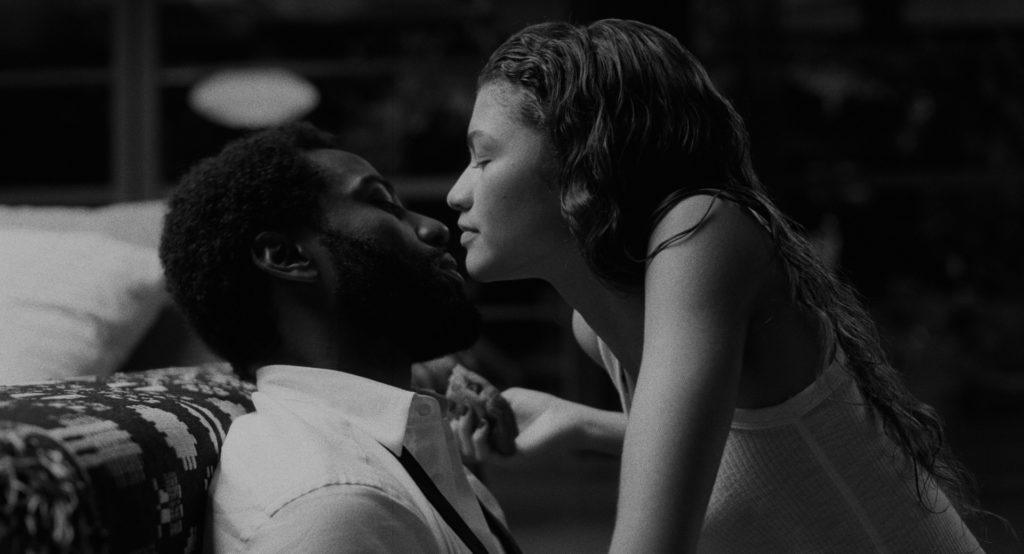
Many compare Malcolm & Marie to the black-and-white film Who's Afraid of Virginia Woolf?, but in its vibe, the film is more reminiscent of another Netflix hit — Marriage Story — where people who love each other suddenly let out everything that has been building up. But if in Noah Baumbach's film this brings joy to no one, Levinson's characters seem to feed on negative emotions and insults. In one episode, Washington's character even wonders about this out loud.
Quickly Tiring Scripts
Dynamics in the usual sense of the word are absent in Sam Levinson's film. The narrative is driven by dialogues. Or rather, monologues. Because the two-hour conversation is broken into a series of monologues, reminiscent of a rap battle where opponents take turns saying their piece, trying to prove whose truth is stronger.
Despite the extremely candid filming and convincing performances from each actor (although, perhaps, Zendaya outperformed her counterpart in terms of authenticity), this approach quickly becomes tiresome. After just 2-3 rounds of this confrontation, the pattern becomes stale, and you realize it will continue further. Again and again. In circles. And if each new monologue conveyed new thoughts, somehow further revealing the characters' personalities, it could be forgiven, but the author failed to avoid repetition. This over-scriptedness is the main problem with the film Malcolm & Marie.
Why Western Critics Took Aim at Malcolm & Marie
Although Sam Levinson chose toxic relationships as the main theme of the film, the harmfulness of which both partners recognize, he did not deny himself the opportunity to insert political and other authorial statements into the narrative. Through Malcolm, he reflects on modern criticism, which always identifies a work with its author. In the film, the press compares the character himself to Spike Lee and Barry Jenkins, hinting at the color of his skin and the political nature of his statements.

Through Malcolm, Levinson takes aim at journalists, obviously recalling sharp attacks on his work Assassination Nation (the mention of the LA Times is no accident). He accuses them of a certain narrow-mindedness and predictability in their assessments, which are based on established and fundamental stereotypes. But all these statements sound a bit naive and lacking wit, so the film became a target for verbal attacks by Western pen sharks (the same LA Times did not stay on the sidelines).
Is the Film Worth Watching
Malcolm & Marie is an ambiguous film. It is very stylishly and atmospherically shot (one cannot help but praise cinematographer Marcell Rév, who previously worked with Levinson on Euphoria) and almost flawlessly acted (Zendaya becomes more convincing with each role). At the same time, the film awkwardly places its emphasis — instead of exploring its characters and their complex relationships, the author for some reason delved into philosophical reflections and clumsy opposition to critics. Perhaps if Malcolm & Marie were a short film consisting of the first 25-30 minutes, it would have been a hit, but alas.
Trailer:
Comments
0No comments yet.
Sign in to join the discussion.