

“Minari” unexpectedly turned out to be a film that, from start to finish, serves to make the viewer empathize with the characters. Not with the events, not with the twists and turns, but specifically with the characters stuck at the intersection of two cultures. The spectacle turned out to be curious, but is it interesting enough?
What is “Minari” about?
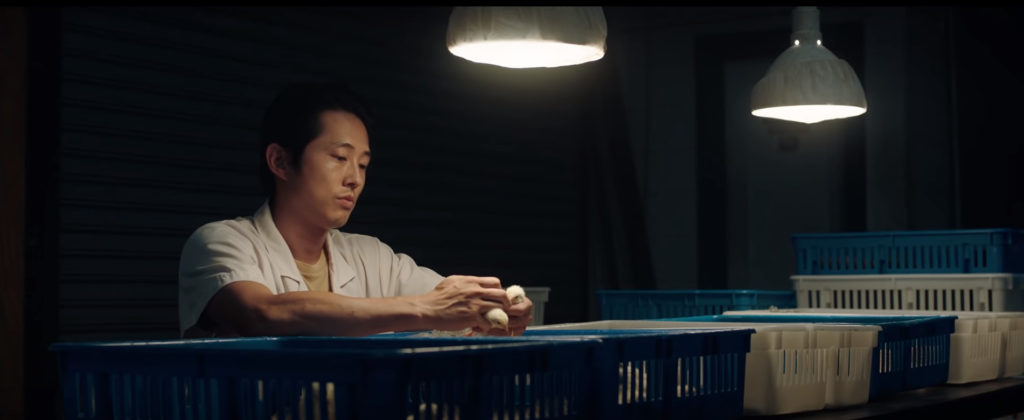
“Minari” is a prime example of so-called “character analysis.” We are shown a small but important slice of the characters' lives and how they behave in different situations. What they dream about, what they strive for, what they sacrifice.
In principle, the film succeeds at this. But… This cannot be counted as an unconditional victory for the film, because not evoking any feelings in the viewer over 90 minutes spent with the characters would take some effort. Of course, many examples of films that fail even at this can be given (we're looking at you, “”), but the genre demands it.
“Tenet” is not bad, but if you remember that its director was Christopher Nolan...
Open materialGood or not?

On one hand, the film is quite good. It evokes feelings – albeit only at the end and only if at some point you stopped being indifferent to what happens to the characters. The cinematography is well done, the actors perform wonderfully.
On the other hand, the flirtation with themes of the intersection of America and South Korea clearly suggests that all of this is a big attempt to land an Oscar nomination. Moreover, you are constantly provoked into a “pity me” mode – look, what good characters we have, don't you feel sorry for them?
Despite this, some of the themes the film raises receive decent development. We decided to list a few so that while watching, you can pay attention to them and also reflect on the topic – or decide not to watch it at all.
The Motif of Being Useful to Others
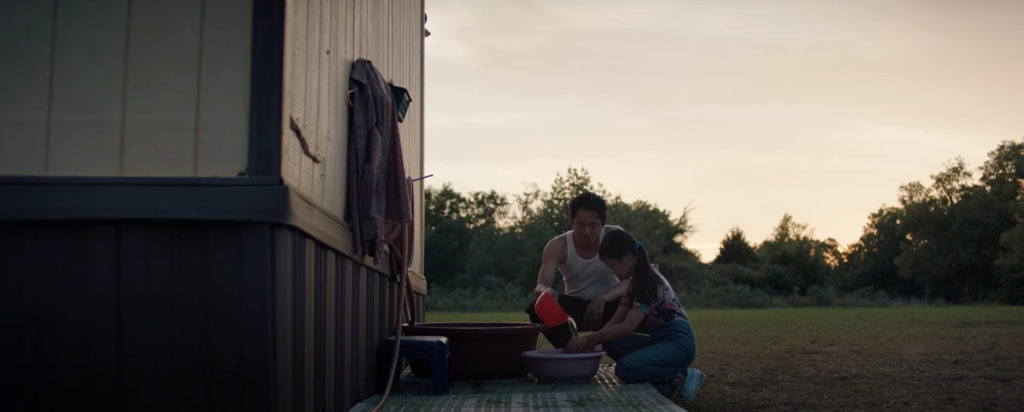
Throughout its runtime, “Minari” reflects on the theme of usefulness. Does the pursuit of one's dream bring benefit to others? Can one be useful after their own body has let them down?
The main characters ruin much of what they have in order to prove their usefulness. Moreover, they try to prove it selfishly, to themselves.
The protagonist tries to prove that he can support his family by following his dream. He spends a lot of money and effort on achieving the dream, convincing himself that he is doing it for the good of the family. However, we clearly understand that these are selfish attempts to be useful.
His wife wants to be useful to the family, completely disregarding her husband's dreams and aspirations, and practically does not try to help him.
The characters' neighbor, a religious fanatic, tries to be useful – largely because he needs a job, rather than out of feeling for the specific people he helps.
The saddest and most heartbreaking aspect of this motif is the attempts to prove usefulness on the part of the characters' grandmother – but that would be a bit of a spoiler.
Needless to say – one of the key scenes at the very beginning of the film is a direct metaphor for what society does with useless elements, in our case using the example of chickens.
Religious and Racial Motifs
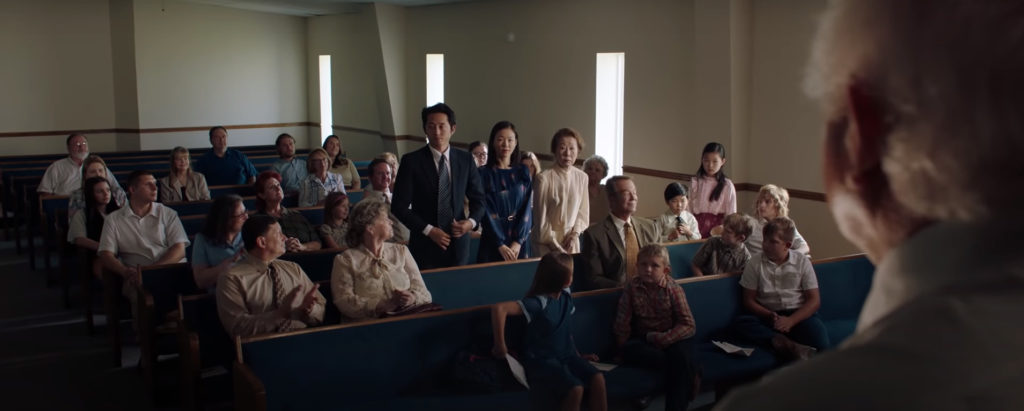
Religion forms an important part of this film. It is in church that the characters meet people who treat them with kindness and warmth, welcoming them with open arms. The characters go to church when they don't know what to do, or when they need to try to blend into society.
At the same time, this warmth is contrasted with the directness with which children approach racial topics. As if in opposition to #BlackLivesMatter, they try to tell us – “Look, these people are racists, they are raising racist children. But is that always so bad? People (especially children) see differences in appearance and do not try to filter their speech, but that does not stop them from showing kindness and even being friends.”
On the other hand, many Americans would tell you that everyday racism is just as dangerous as aggressive racism, because it inevitably turns into it. Thus, the film provokes a conversation, which is a good thing.
And although one cannot help but praise “Minari” for its interesting approach to addressing racial issues, one also cannot shake the feeling that this was done with an eye on the Oscars.
Summing Up

“Minari” can safely be added to the list of “good films, but nothing special.” Too many of them have been coming out lately; practically the entire past year consisted of just such films. Good, but nothing special.
The direction and actors can easily be praised – Lee Isaac Chung did an excellent job with the task at hand and at least managed to bring variety to the material provided to him, while Steven Yeun (family patriarch Jacob) and Youn Yuh-jung (grandmother Soon-ja) performed quite pleasantly.
Nevertheless, I cannot say for sure who I would recommend this film to. There are many good movies about life, about people, about growing up that evoked a much greater response. And that is sad, because so much is happening in the world, and you want cinema to help you escape from what surrounds us and carry you away into its magical worlds. But no.
Comments
0No comments yet.
Sign in to join the discussion.