
Should you give the series "The Mire" a chance? What is Dmitry Glukhovsky's first full-fledged screenwriting work like? Find answers to these and other questions in our review.
On January 28, the streaming platform KinoPoisk HD premiered the mystical series "The Mire", written by renowned author Dmitry Glukhovsky. We've watched the first 3 episodes, which provide enough material to form initial impressions of the project, its story, strengths, and weaknesses. Let's try to summarize our thoughts and explain what this series is about.
Minor spoilers may follow
What Worked
"The Mire" follows in the footsteps of many other domestic projects by trying to tap into rustic Russian mysticism. Think of shows like "Lapsi" or "The Territory," which wove local folklore into their plots.
The search for a unique identity is commendable, especially since our country has so much interesting and unexplored material that could serve as a solid foundation for strong stories. However, this series, fully directed by Vladimir Mirzoyev ("The Age of Pioneers"), is not based on specific beliefs but tells an original story about "Russian chthonic," the clash between rational and inexplicable, life and death far from the city bustle.
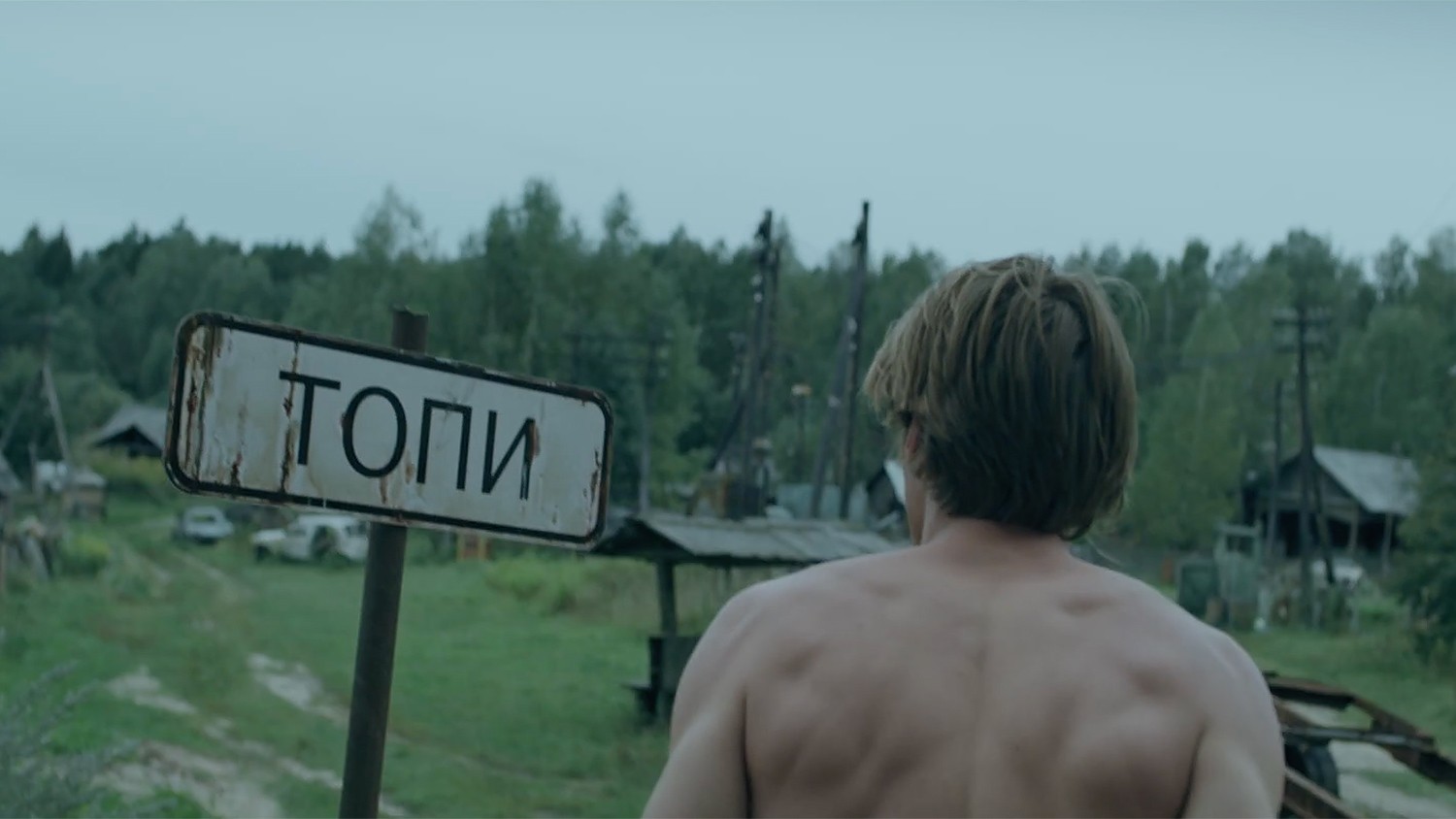
The show’s greatest achievement is creating an atmosphere of a remote hinterland—not quite real, more metaphysical, but with tangible notes of the Russian spirit. Watching it, you feel hypnotized and pulled into the mire by this mysterious force. This is enhanced by stunning location shooting, original cinematography, and the soundtrack by Ryan Otter.
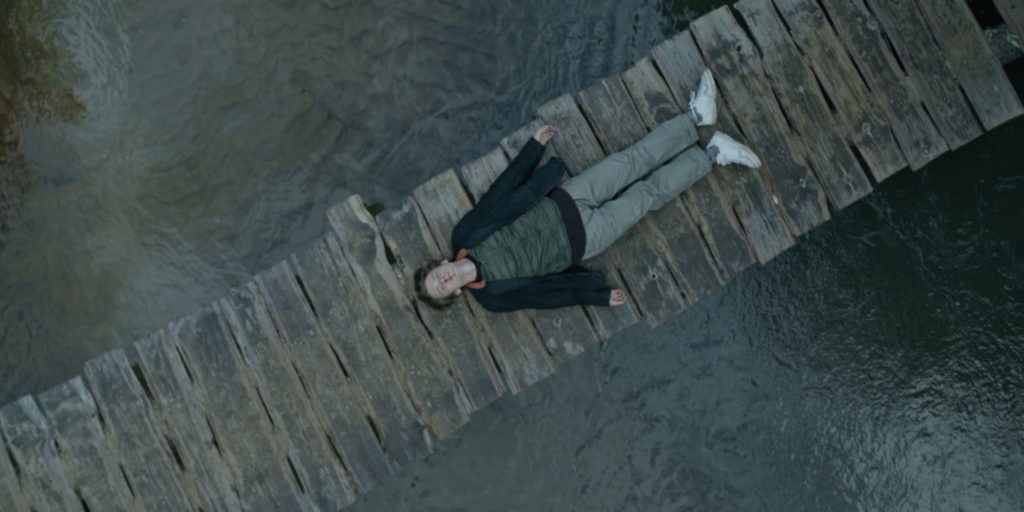
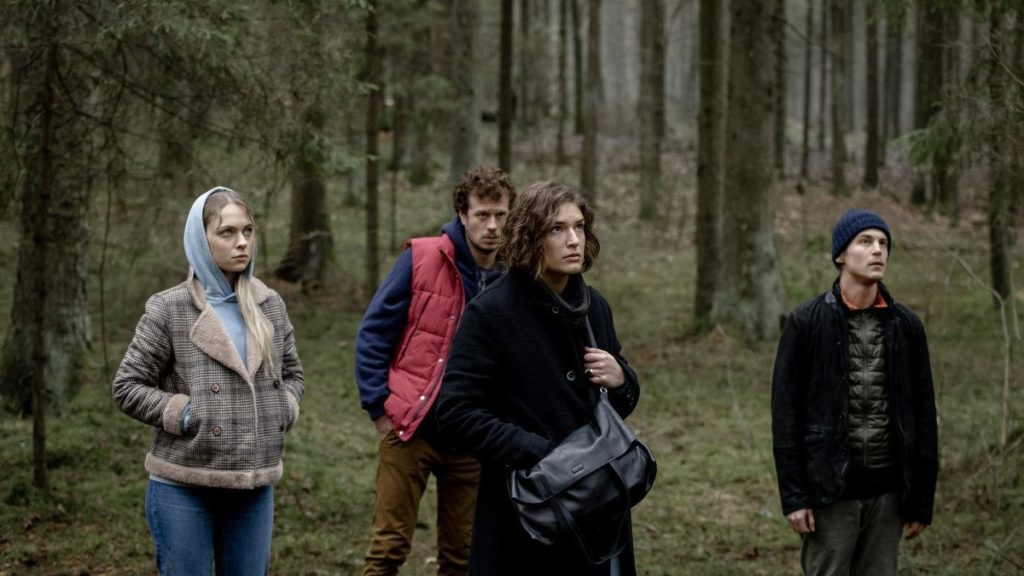
Judging the story itself is still difficult. On one hand, various Chekhov's guns have been set up, with hints scattered here and there about possible explanations for what happens to the group of five Muscovites heading to a mysterious miracle-working monastery. On the other hand, there aren't enough significant events in the first episodes to form a clear judgment about the dramaturgy.
What "The Mire" certainly doesn't lack is intrigue. Are the characters actually alive, or is this all a journey through the afterlife? What happened to the monastery, and why is there only one priest? Where do people vanish in the Mire? Who are the free men and their master? The debut episodes leave plenty of questions. Whether the answers will be equally interesting remains to be seen.
What Didn't Work
In stories like "The Mire," characters—and the actors portraying them—play a crucial role. Glukhovsky's script gives each character personal dramas and motivations, a reasonably original backstory, and intriguing prospects within the plot's development. But, unfortunately, there are questions about the actors' performances.
Interestingly, the main quintet's performances are almost evenly split—Ivan Yankovsky and Katerina Shpitsa tend to overact, injecting more emotion than the circumstances require, while the less experienced Anastasia Krylova and Sofia Volodchinskaya occasionally underact, delivering their lines as if in a school play.
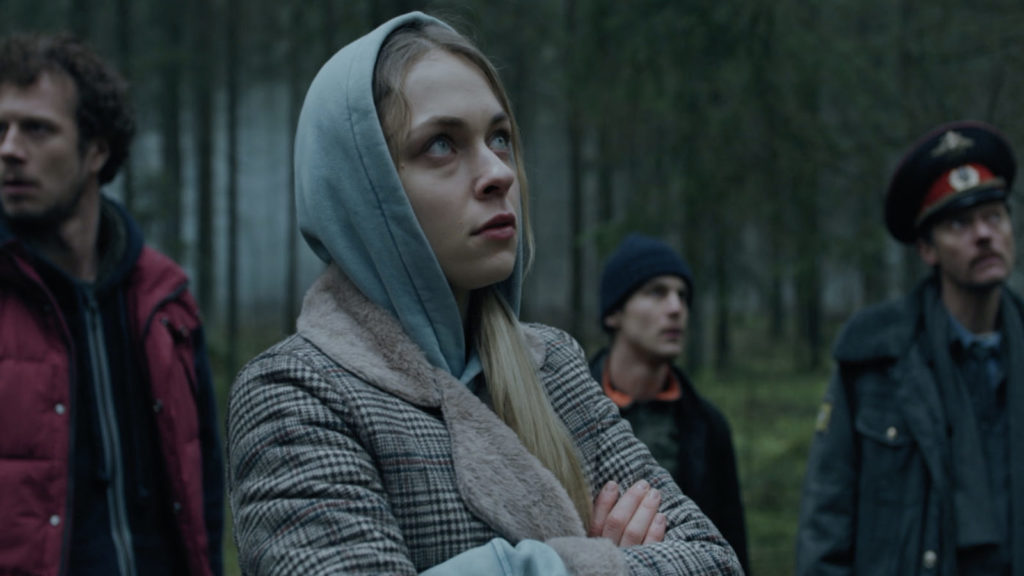
Striking a balance between them is the charismatic Tikhon Zhiznevsky, who fits naturally into the role of a not-too-intellectual journalist and adds life to the proceedings. This makes me even less worried about the upcoming film "Major Grom."
Another drawback, albeit minor, is the overly slow pacing. I understand the creators' desire to give viewers the feeling of gradually sinking into a swamp, but when it takes three out of seven planned episodes, it’s a bit too much.
What to Expect Next
High-quality production with beautiful locations and attractive actors, combined with growing intrigue in the plot, makes "The Mire" a series that is, at the very least, interesting. But its ultimate success will depend on how the second half turns out. We'll keep watching—the show has certainly earned its chance.
Trailer:
Comments
0No comments yet.
Sign in to join the discussion.