
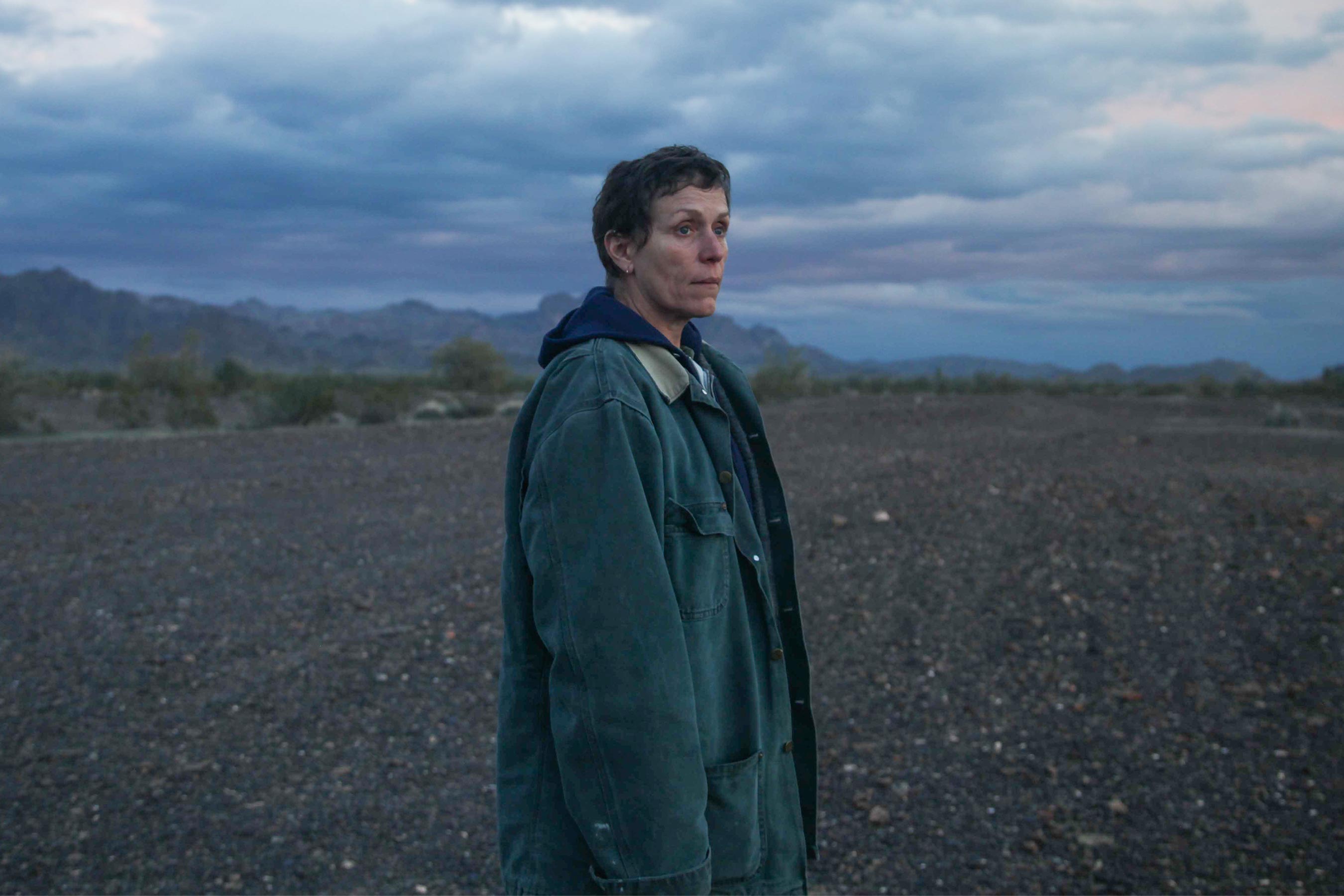
In times like these, it’s especially strange to see films about travel, even if it’s just across the American states. Restrictions are more or less easing, so perhaps it’s for the best that ‘Nomadland’ has only reached us now.
Among other things, we can refrain from jokes like ‘I’d even take that kind of travel right now’ and focus on the film itself.
What is ‘Nomadland’ about?
To be honest, the film isn’t too different from its official synopses. It’s simply about the road. About a journey that lasts a lifetime.
The film begins with the protagonist Fern (played by the brilliant Frances McDormand) leaving everything behind, selling her home after her husband’s death and losing her job due to the closure of the local factory. She outfits her tiny van with everything she needs for life, moves from one seasonal job to another, meets other nomads, and learns to make do with what’s at hand.
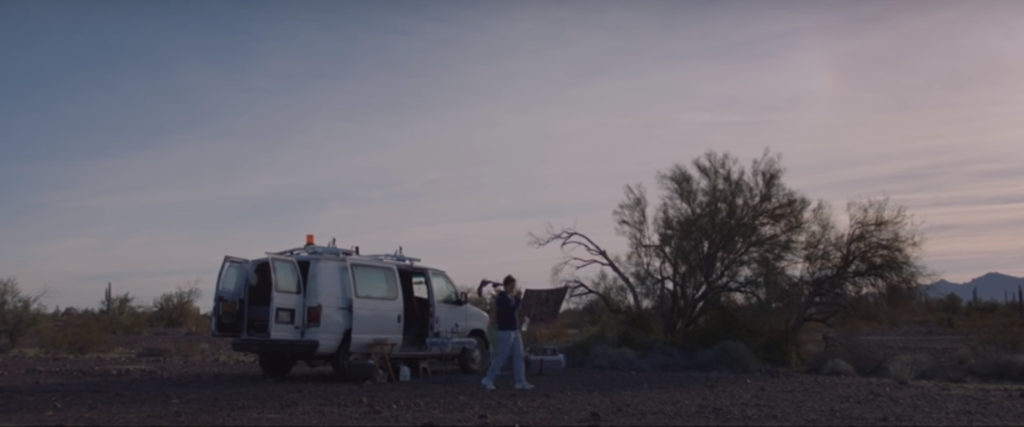
In principle, aside from a few particularly important encounters for Fern, that’s about it for the plot. So to keep the viewer’s interest, the creators needed to excel in at least three aspects: direction, cinematography, and acting. In all three cases, they hit the mark.
Direction
Most of the nomads on screen are real people with extensive experience of life on the road, and it shows. The film touchingly and sincerely tries to tell their stories and show their perspective. We can only applaud Chloé Zhao, who has an amazing feel for the characters in her film and helps them open up.
Landscapes and Cinematography
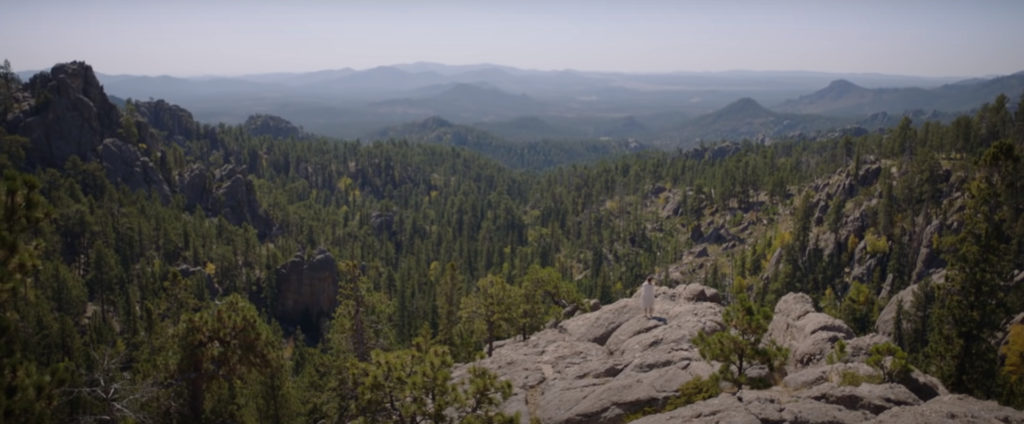
All of the above is accompanied by stunning views of different American states – the heroine experiences the icy cold of one city, only to soon warm up under the gentle sun in another. Nature is captured by the cinematographer in such a way that it almost becomes a full-fledged participant in the action.
Acting
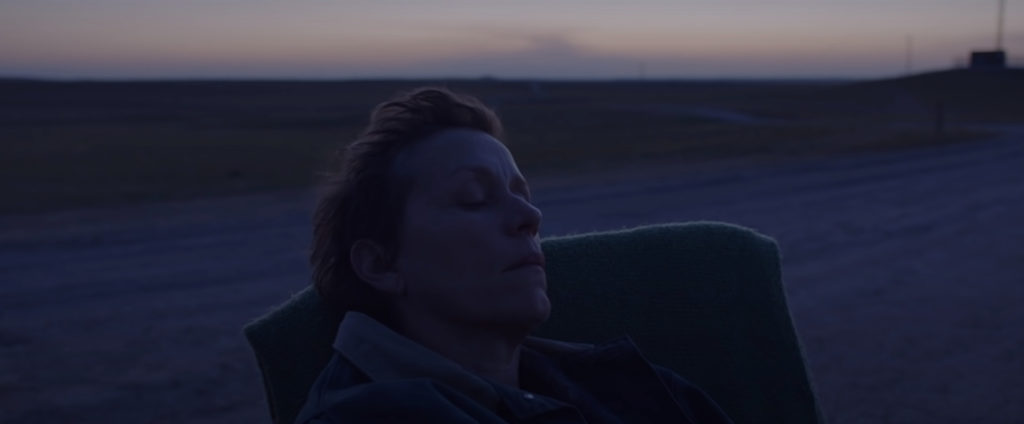
Although most of the characters on screen clearly can’t act, this only works in the film’s favor. You believe them. Moreover, their simplicity perfectly highlights McDormand’s acting talent, who seems capable of portraying anything. Soft, gentle, subject to mood and spontaneity, loving people but sometimes wanting to be alone, Fern completely holds the viewer’s attention.
Shift in Narrative Focus
However, I’d like to discuss one interesting aspect of this film in a bit more detail. Knowing it isn’t a spoiler, but it might slightly affect how you perceive what’s happening in the film. So consider this a warning: what follows is my personal interpretation of the heroine’s important journey.
Critique of Capitalism
So, the film begins with the closure of the town’s main factory, where the protagonist worked, due to the 2008 crisis. She is forced to risk everything and learn to live in cramped circumstances, unsuccessfully trying to find permanent work.
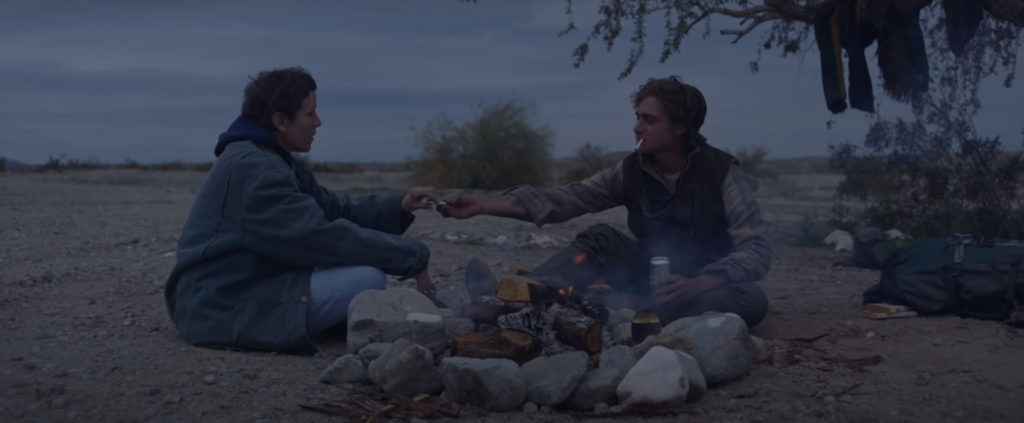
We are shown people who have been cast aside by life, whose labor is exploited by big corporations (like Amazon, which is directly shown in the film as an example). The heroine has to use a bucket as a toilet right in the car, huddle under four blankets during a snowstorm, feels awkward when talking to acquaintances who condescendingly pity her, and gets chased off private lots.
One of the organizers of nomad camps directly says that the system has let these simple working people down. That now they have to learn to survive on their own and not rely on outside support.
And after all this, you think that this will be the film’s meaning – how people learn to survive and adapt, laugh in the face of the system, and make the most of their circumstances.
The Romance of Nomadic Life
But around the middle of the film, the critique of capitalists, corporations, and their ways of making money off the labor of desperate people suddenly disappears without a trace. Suddenly, the nomadic lifestyle becomes a conscious choice for the main characters, one they make again, and again, and again.
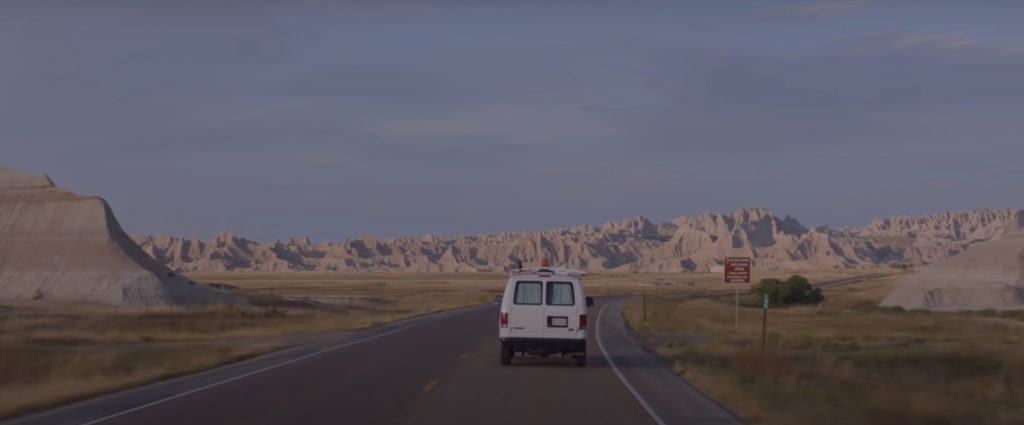
And now they’re behind the wheel not because they have nowhere to go, but because they want to see as much as possible in this life. They want to see the prairies, admire the canyons, live in harmony with people, nature, and themselves. We are almost no longer shown the hardships the characters endure. We are shown the simple joys they share with each other.
Summing Up
Is it bad that the film decided to change course mid-stream? No. It can be interpreted as a metaphor for Fern’s own journey, as she stops being dependent on circumstances and adapts them to her worldview. Moreover, we develop great respect for these people who live in such conditions every day and would simply go crazy if they didn’t start taking the world around them more lightly.
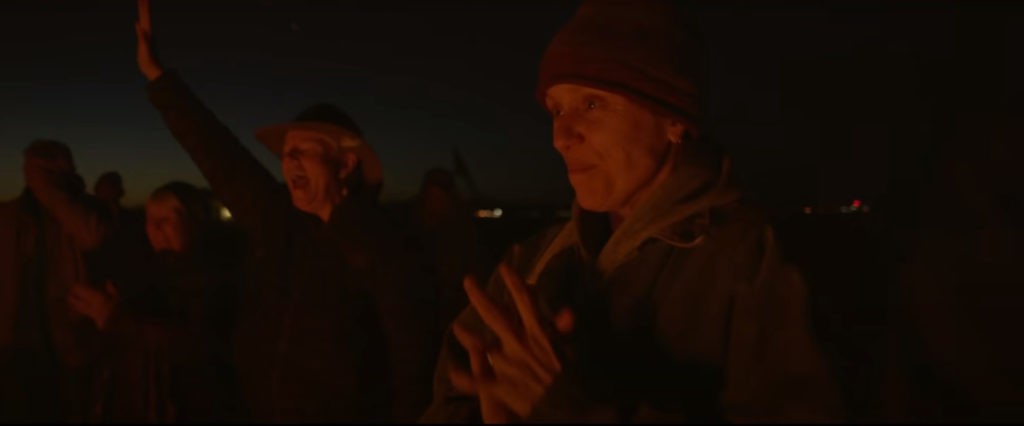
However, there is also a fundamental problem with romanticizing any process. An impressionable viewer (especially an American), after watching the film, might also want to buy a van and drive off into the sunset, ignoring the routine of work or family. And they will inevitably face a huge number of problems associated with such a decision.
But don’t blame the film for that. The film is wonderful, especially if you just want to meditate and ponder the big questions of life, the universe, and everything. The film doesn’t have to give you answers, just as you don’t have to look for them. A film should resonate in the soul, touch its strings, and perhaps make you think. This film definitely made me think. What about you?
You can watch the trailer with Russian subtitles here.
You can read our piece about another meditative creator, Jim Jarmusch, here.
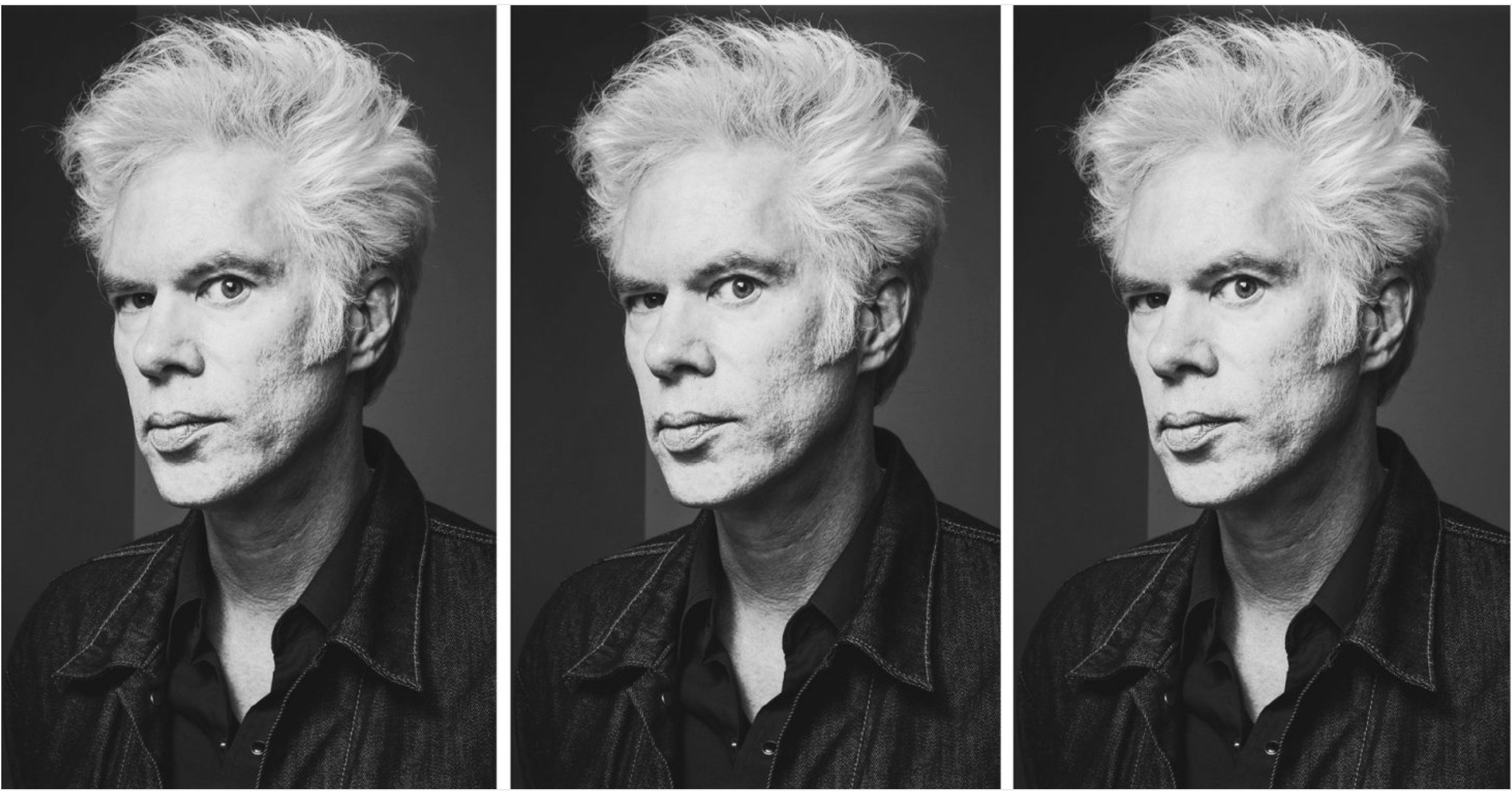
Jim Jarmusch turns 68! Remembering why this outstanding and unique American director is so beloved.
Open material
Comments
0No comments yet.
Sign in to join the discussion.