


Jim Jarmusch is 68! Remembering why we love this outstanding and unlike any other American director.
Winner of the Camera d'Or (award for directorial debut) at the Cannes Film Festival, laureate of Sundance and the European Film Academy, an artist and creator working far from the Hollywood hustle and the pursuit of money, a director for whom form often prevails over content, yet he always has something to say to his audience – all this is about Jim Jarmusch.
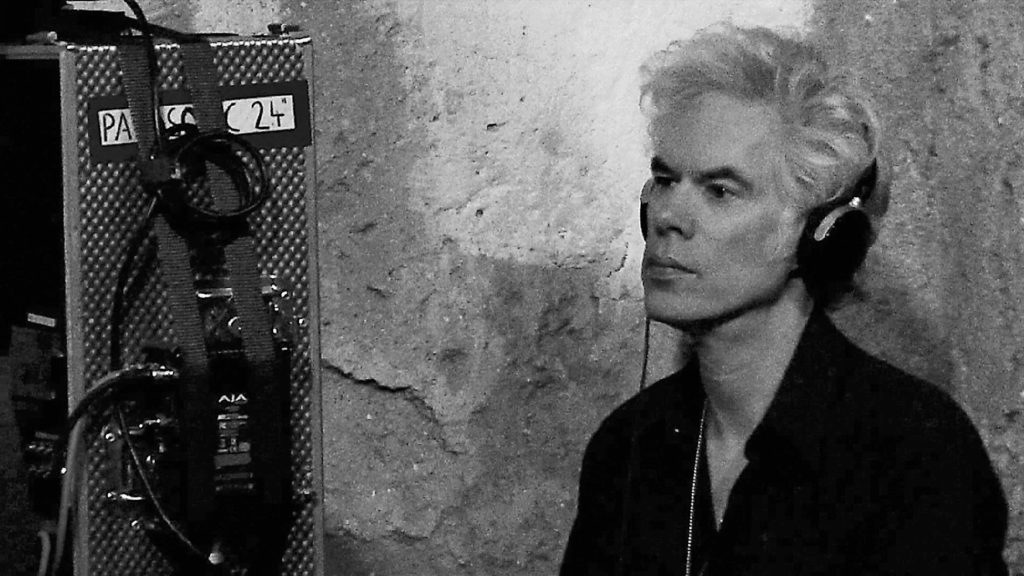
Coffee, Cigarettes, Music
Jarmusch began his career in the 80s, shooting exclusively in black and white and already creating strange, even eccentric characters. At the same time, he started the short film "Coffee and Cigarettes", which over time turned into a whole almanac with a declaration of love for the strong drink and the bad habit familiar to millions of people worldwide. Even in this small form, the director demonstrated visual taste, elegantly working with symmetry and giving viewers memorable shots through which Jarmusch achieves atmosphere to this day.
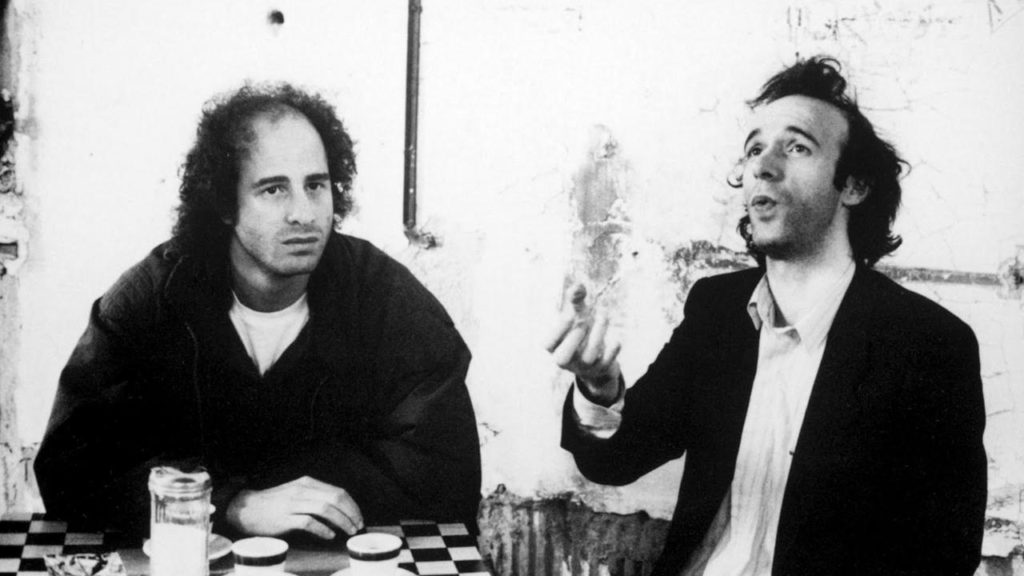
At the same time, another trend emerged in the films of the Ohio-born cinematographer – music as the main driving force in the narrative. Despite the fact that Jarmusch has always been good at dialogue (among other things, he is also a screenwriter), often his ideas and the thoughts of his characters are expressed through the music of Tom Waits, Neil Young, RZA or John Lurie, and sometimes he himself helps create the musical framing of his works.
What Jim Jarmusch Talks About in His Films
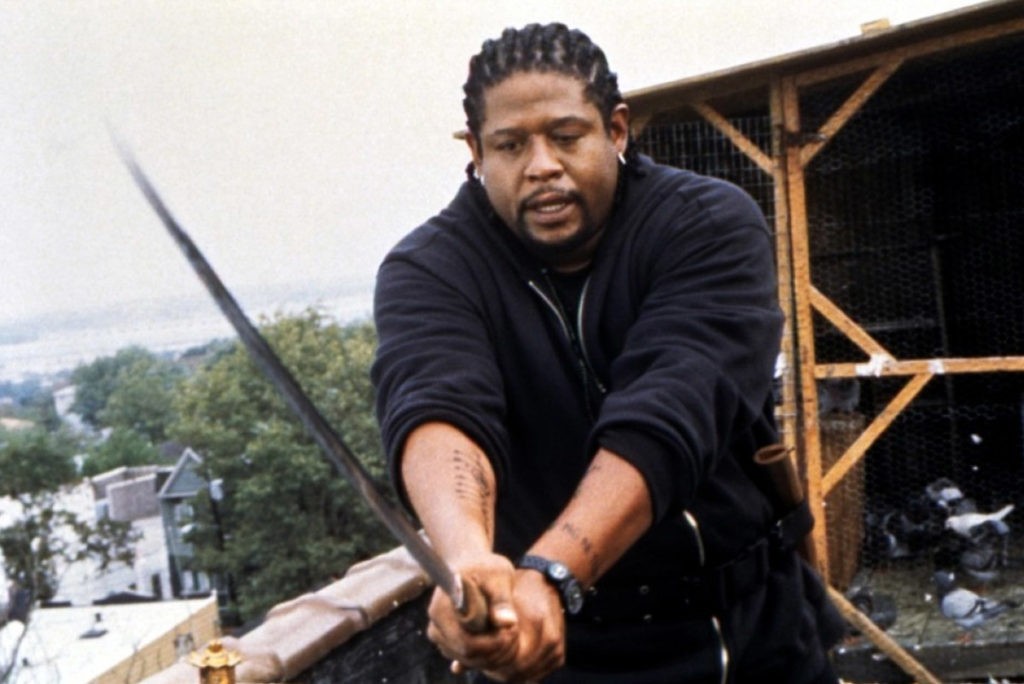
As a great author, he is interested in many themes. One of the intriguing directions in his directing is a kind of cultural exchange. Jarmusch is equally attracted to the inhabitants of Asia and Native Americans, and he does not forget about Europeans and African Americans. Sometimes he mixes nationalities and races, creating an amazing cocktail from it, similar to what the director achieved in the film "Ghost Dog: The Way of the Samurai", where the main character was a black samurai.
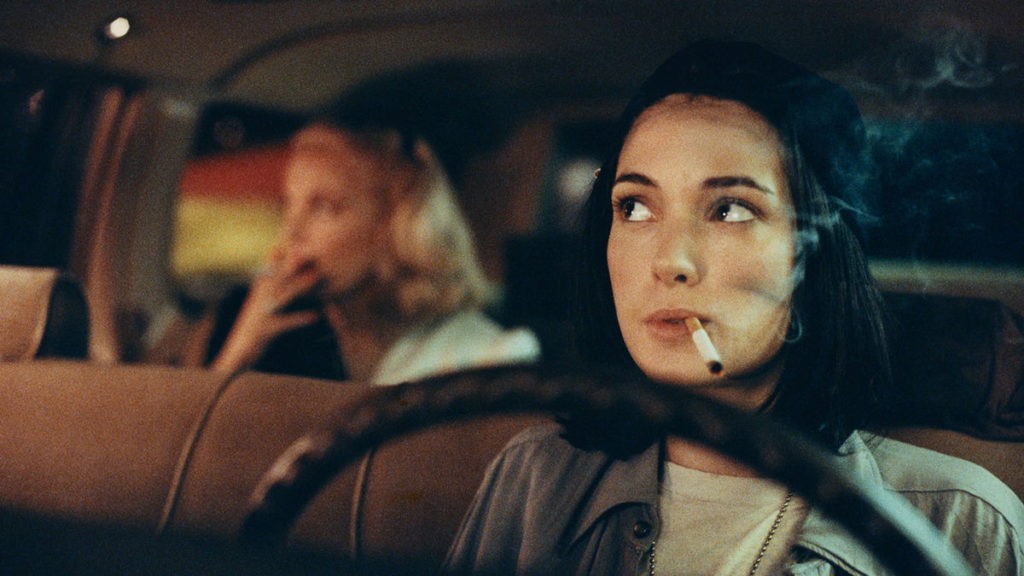
In the film "Night on Earth", Jim Jarmusch even immersed viewers in an adventure across several cities from Los Angeles to Helsinki, and accordingly, his characters were again different not only in character but also in nationality.
Another cornerstone theme of the director's works is loneliness and the melancholy associated with it. His characters often hide from their own thoughts, either embarking on a journey across the ocean, drowning in music as the only remedy for emotional wounds, or spending time in the company of kindred spirits, loved ones, or just friends – it doesn't matter much. Jarmusch's toolkit for embodying such melancholy can include aimlessly chatting about the lofty, a bus driver, or even vampires.
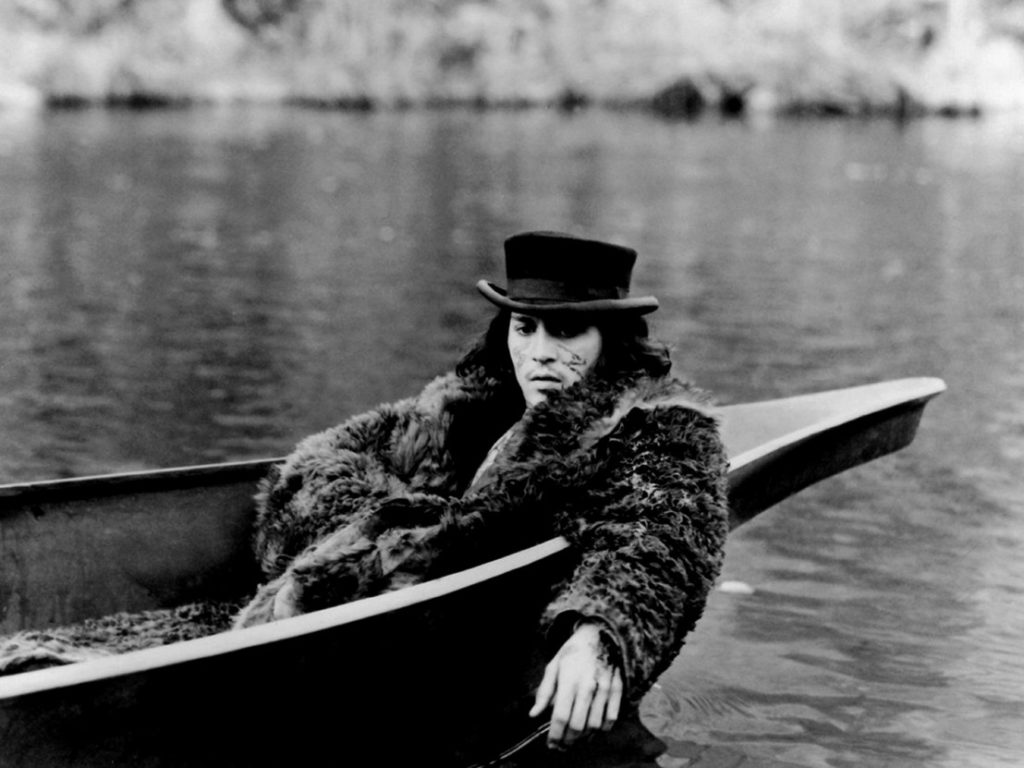
Jarmusch also reflects on what life and death are, and what place is allotted to a person on this path. In this regard, the film "Dead Man" with Johnny Depp turned out to be a particularly vivid statement. The film can be characterized as a fascinating metapsychic trip, full of philosophical hints, each of which viewers can interpret in their own way.
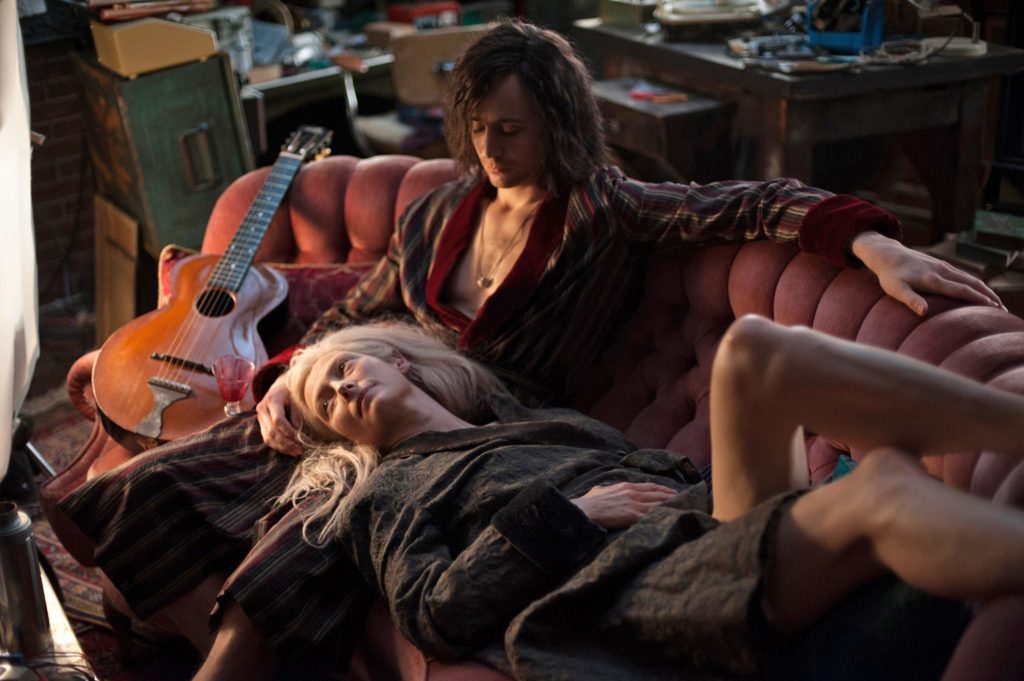
Despite the rather serious themes touched upon, which smack of pessimism, Jarmusch's films are actually full of irony, from simple funny situations to outright mockery of various elements of our society (especially successful in this regard are the films "Only Lovers Left Alive" and "The Dead Don't Die").
Jarmusch is not called an artist for nothing, because the beauty of his films is hard to describe in words. He manages to find a highlight in the slums of Memphis or recreate scenes that are simply impossible to take your eyes off. His black-and-white films are bursting with colors better than many color films, and in color, he gives full rein to his imagination and impeccable taste.
The work of Jim Jarmusch is not to everyone's taste. His fragmentary stories often have no beginning or end. Sometimes the plot in his films is even pushed into the background, while the "picture" and music take the lead. At the same time, if you appreciate atmosphere, an unconventional vision of cinema, and love high culture, then the films of this wonderful director can become for you an analogue of table books for readers. Something you can enjoy more than once, each time finding something new, previously unseen.
Comments
0No comments yet.
Sign in to join the discussion.