
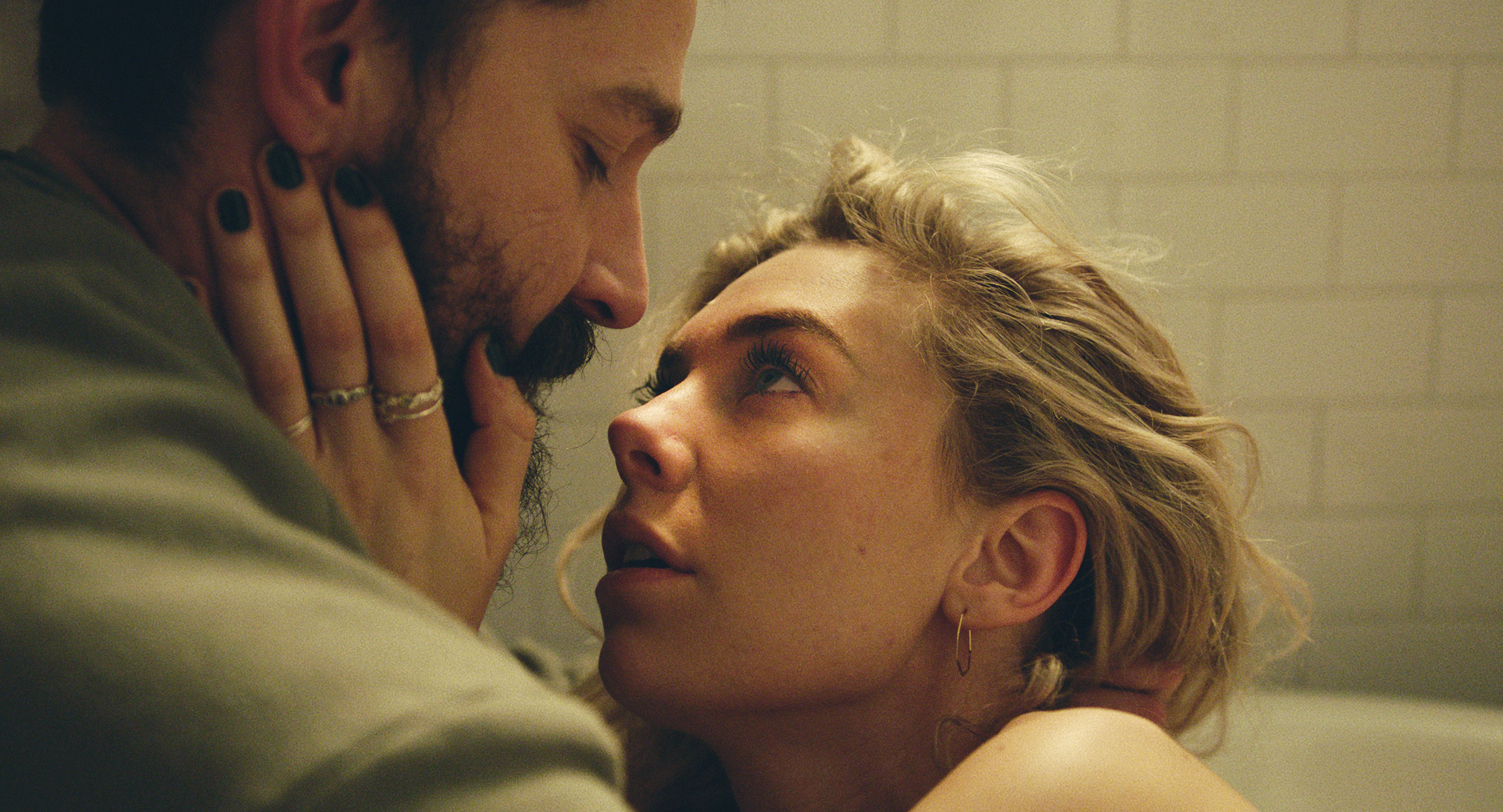
“Pieces of a Woman” is a beautifully shot and impeccably acted film that fails to handle the weight of its subject matter.
On January 7, Netflix released the festival hit Kornél Mundruczó’s “Pieces of a Woman”, where Vanessa Kirby (“The Crown”) shines in all her glory, now being predicted an Oscar nomination. However, the film itself is not among the potential nominees, which is quite fair — the work of the director of “White God” turned out to be extremely controversial and at times frankly raw.
A Shocking Beginning Sets the Tone for the Entire Story
Young couple Martha (Vanessa Kirby) and Sean (Shia LaBeouf) are preparing for the birth of their child. They decide the birth should take place at home and choose a midwife, despite all protests from Martha’s mother (Ellen Burstyn). When the girl goes into labor, instead of the expected midwife, another woman arrives, and the birth itself does not go according to the standard scenario.
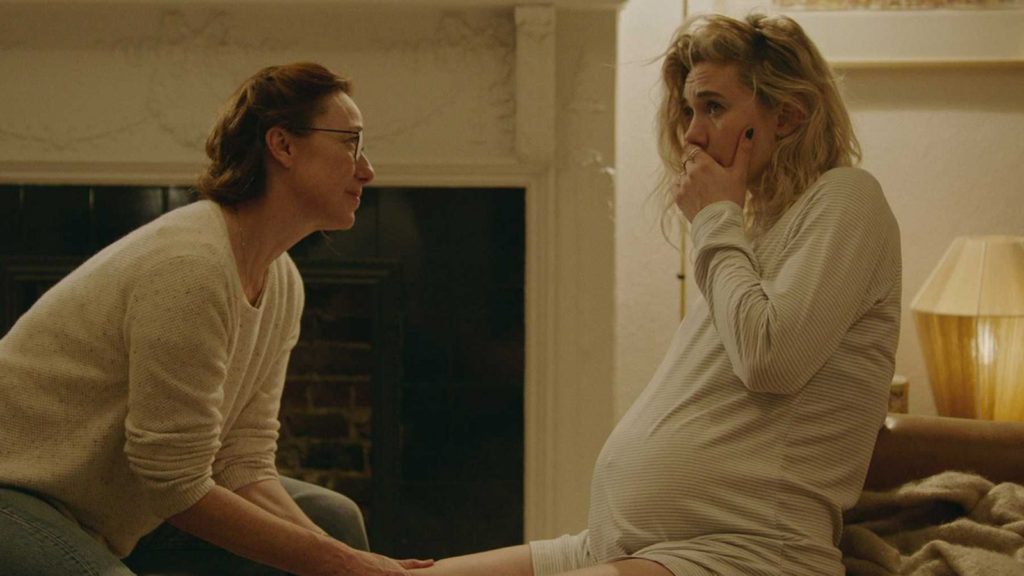
The film shocks viewers almost from the very beginning: the creators prepared a harrowing and frighteningly realistic 23-minute birth scene shot in one take. Blood, tears, the birth of a child — all of this puts the audience in an uncomfortable position and literally forces them to live through the episode alongside the characters. To experience the moment that becomes the foundation for the further development of Kirby and LaBeouf’s characters.
Based on the Creators’ Real Experience
For a more accurate perception of the film, it’s worth knowing that director Kornél Mundruczó and screenwriter Kata Wéber themselves experienced a similar tragedy (the death of a newborn child) and tried to authentically recreate the impressions and emotions of that situation. And at first, they succeed. The feeling of detachment, the difficulty of preserving the marriage through the episode, the non-obvious perception of loss on the part of Kirby’s character — all of this works to immerse the viewer, creates the necessary mood, and prepares the perfect ground for a complex psychological story.
Superficial Symbolism and Uncertainty Play a Cruel Trick on the Film
But what happens next with the plot of “Pieces of a Woman” is hard to explain: it strangely oscillates between an intimate drama about the agony of a relationship in the vein of Baumbach’s “Marriage Story” and an attempt to tell an uplifting story about the power of female will, and on top of that, Mundruczó for some reason decided to add notes of a courtroom drama with a “witch hunt.”
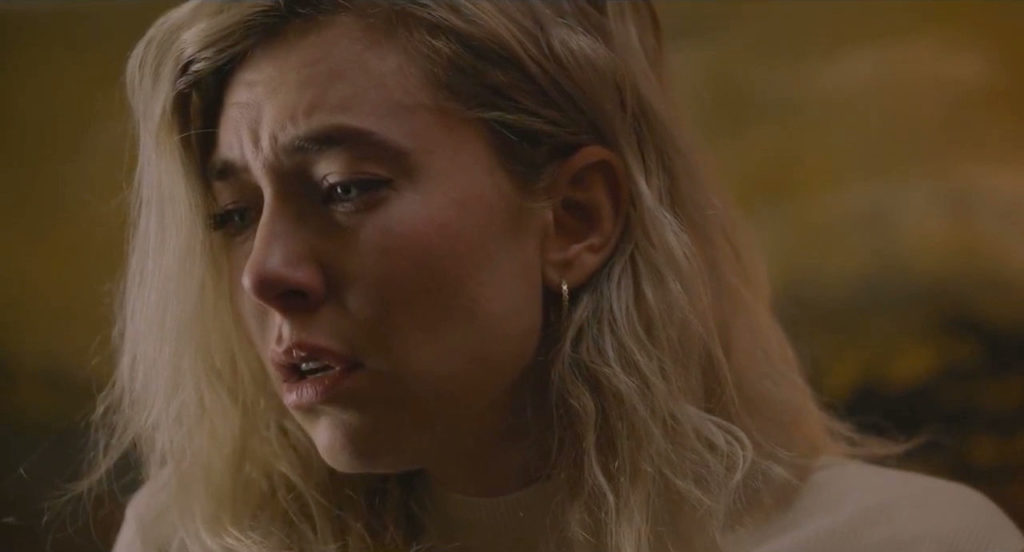
Vanessa Kirby’s heroine, after the ill-fated episode, literally falls apart into fragments, which she tries to piece together into a complete puzzle closer to the end of the film. But this is accompanied not by any emotional revelations, but by crude symbolism — apples and their seeds, collapsing and being built bridges, a burnt pregnancy ball, etc. All of this looks cheap and stereotypical and does not add depth to the film, but on the contrary makes it simpler, more superficial, and less sensual.
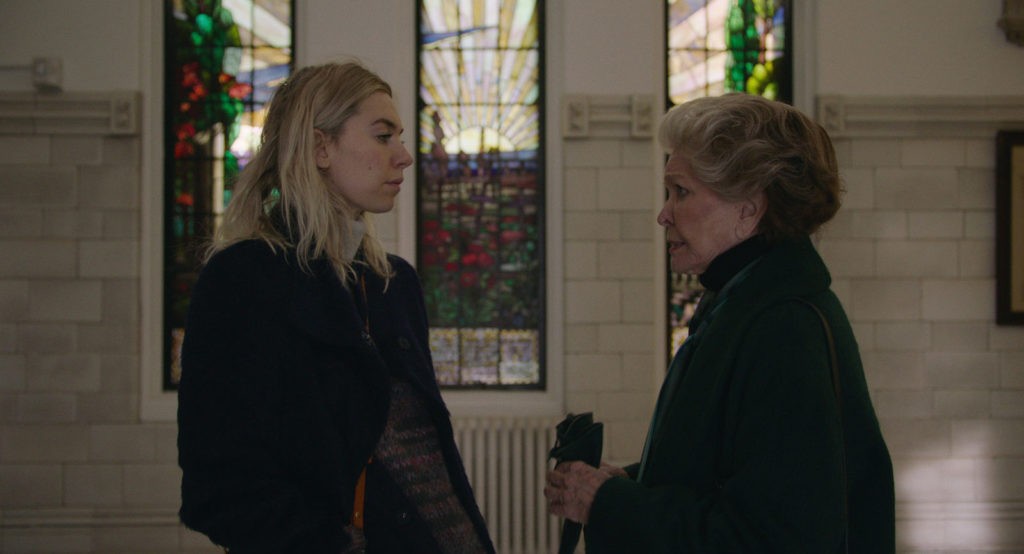
It turns out that the viewer can easily understand the tragedy and its participants, even though the topic itself is quite manipulative, but it is very difficult to empathize with the state of the characters and how exactly they experience their grief. And you don’t believe the catharsis in the form of Vanessa Kirby’s heartfelt monologue in court. And you don’t believe the final conclusions her character reaches either.
In the end, “Pieces of a Woman” from Netflix is a beautifully shot, impeccably acted (especially good in this regard is the ageless Ellen Burstyn), but extremely primitive on an emotional level film that offers no new thoughts. “Time heals all wounds,” the creators conclude through the words of one of the characters. Thanks for the revelation.
Trailer:
Comments
0No comments yet.
Sign in to join the discussion.