
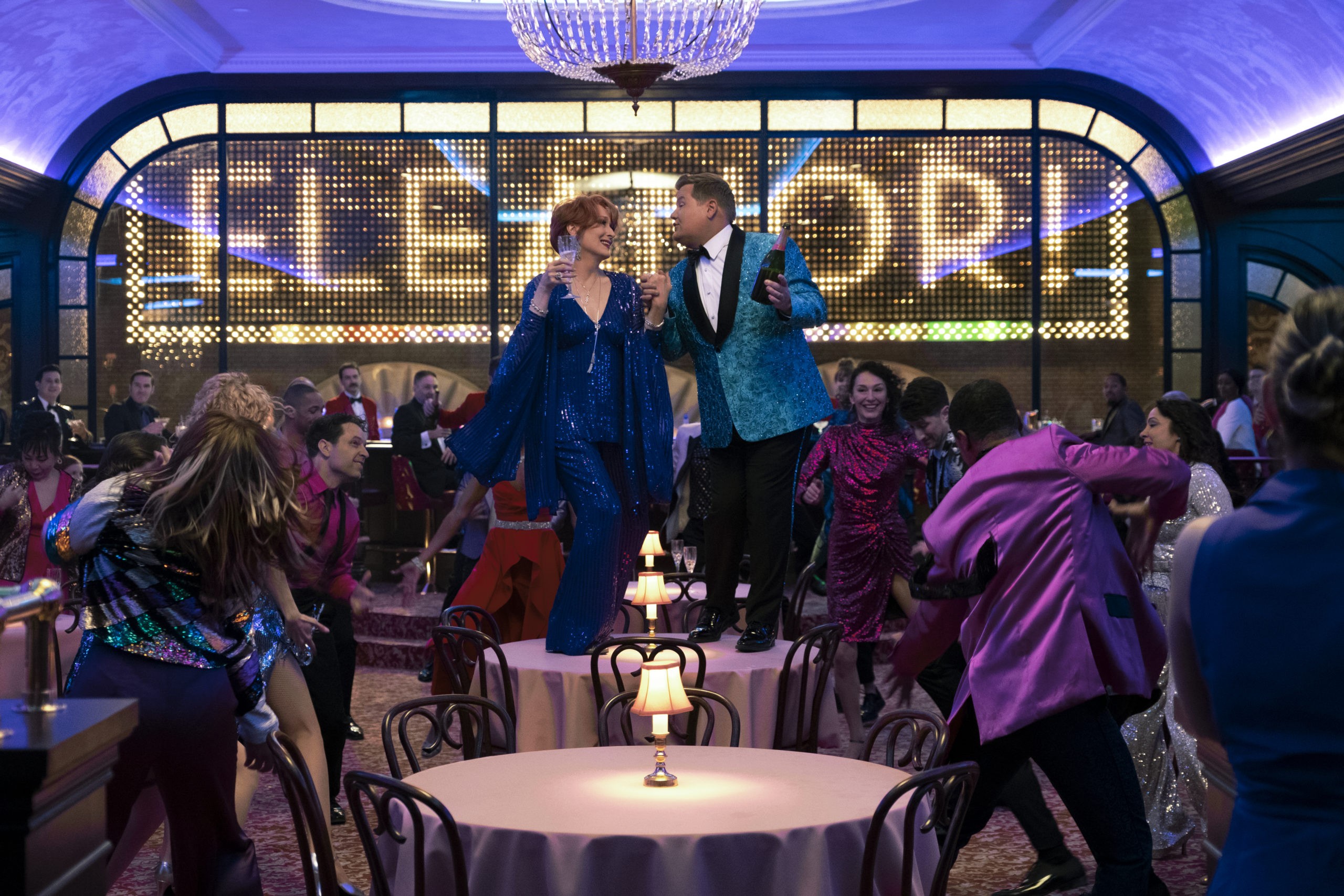
No one will argue that Ryan Murphy can deliver when he wants to — especially when it comes to musical productions. The generation of the series "Glee" grew up and made many young actors (ahem, Darren Criss) and talented performers popular (the hit Gotye "Somebody that I used to know" didn't just climb to the top of the charts after the "Glee" episode for nothing). However, Murphy also doesn't always hit the mark. Where do we place his new creation, the film adaptation of the Broadway musical "The Prom"?
Even among movie lovers, there are people who openly and confidently say: "I don't like musicals." And that's normal — we all have different tastes, different preferences, and different periods in our lives, after all. At the same time, for any skeptic, you can always find a musical (especially if you don't limit yourself to cinema) that will become a rare exception for them.
"The Prom" is exactly one of those films that people mean when they say: "I don't like musicals."
It brings nothing new. It's clichéd. The actors overact. The songs are forced.
And yet, there's something in it.
Prelude

The plot and main conflict are quite simple: four Broadway stars try to attract public and press attention to themselves through a good deed — helping a girl from a conservative town in Indiana who is forbidden from bringing her beloved as a date to the prom. That's it. Just like that. Of course, there will be a mandatory love line (and not just between the two high school girls), a conflict before the third act, self-reflection, a happy ending, and a push for the theme of "love thy neighbor." But overall, the plot doesn't go beyond a safe framework.
Perhaps the author of this article is spoiled by stylish musical soundtracks (hello, "Hadestown," "Hamilton," and the like), but the songs also seemed standard and uninteresting to her. They sound pleasant and can get stuck in your head, but involuntary associations with "High School Musical" and "Oh, Vaudeville, Vaudeville..." keep popping up. There was one song in the style of Bob Fosse's "Chicago." Everything else is a parade of burlesque and love ballads, sometimes out of place.
First Act
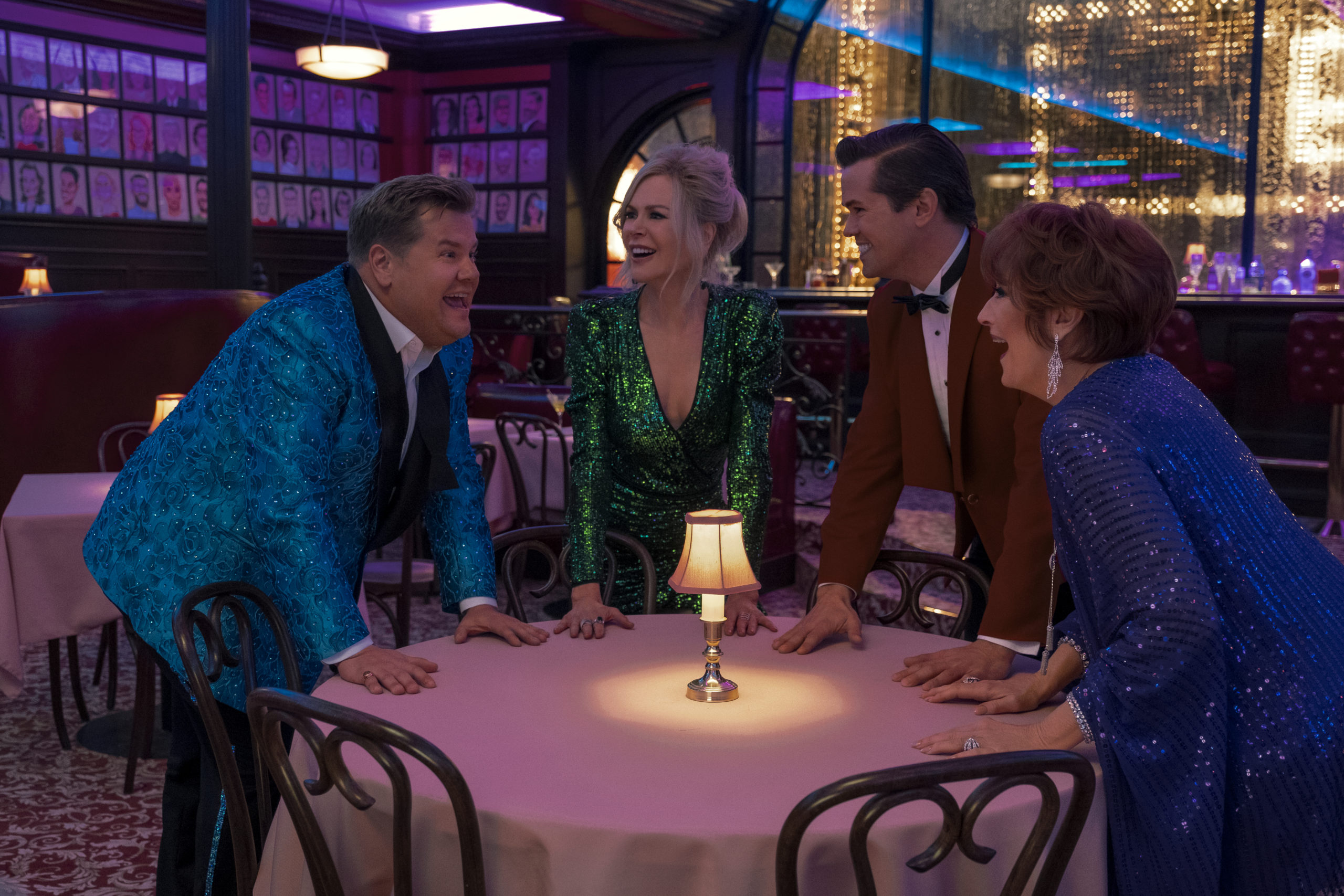
The first half of the film was physically hard to watch. There's no chemistry between the four main stars, Meryl Streep and James Corden overact like crazy, and Nicole Kidman doesn't even try. I had high hopes for Andrew Rannells, whom I've loved since the original cast of "The Book of Mormon," but even he wasn't given much material to work with. Glitter, kitsch, sudden songs that everyone around knows the words and moves to, completely predictable plot development...
At the same time, the feeling of artificiality never leaves you for a moment. You don't believe that the bar where the main characters sit is real. You don't believe that the hotel they live in is real. You don't believe that the school they end up in is real. And it doesn't help that the singing is perfect and overly processed, existing separately from the actors.
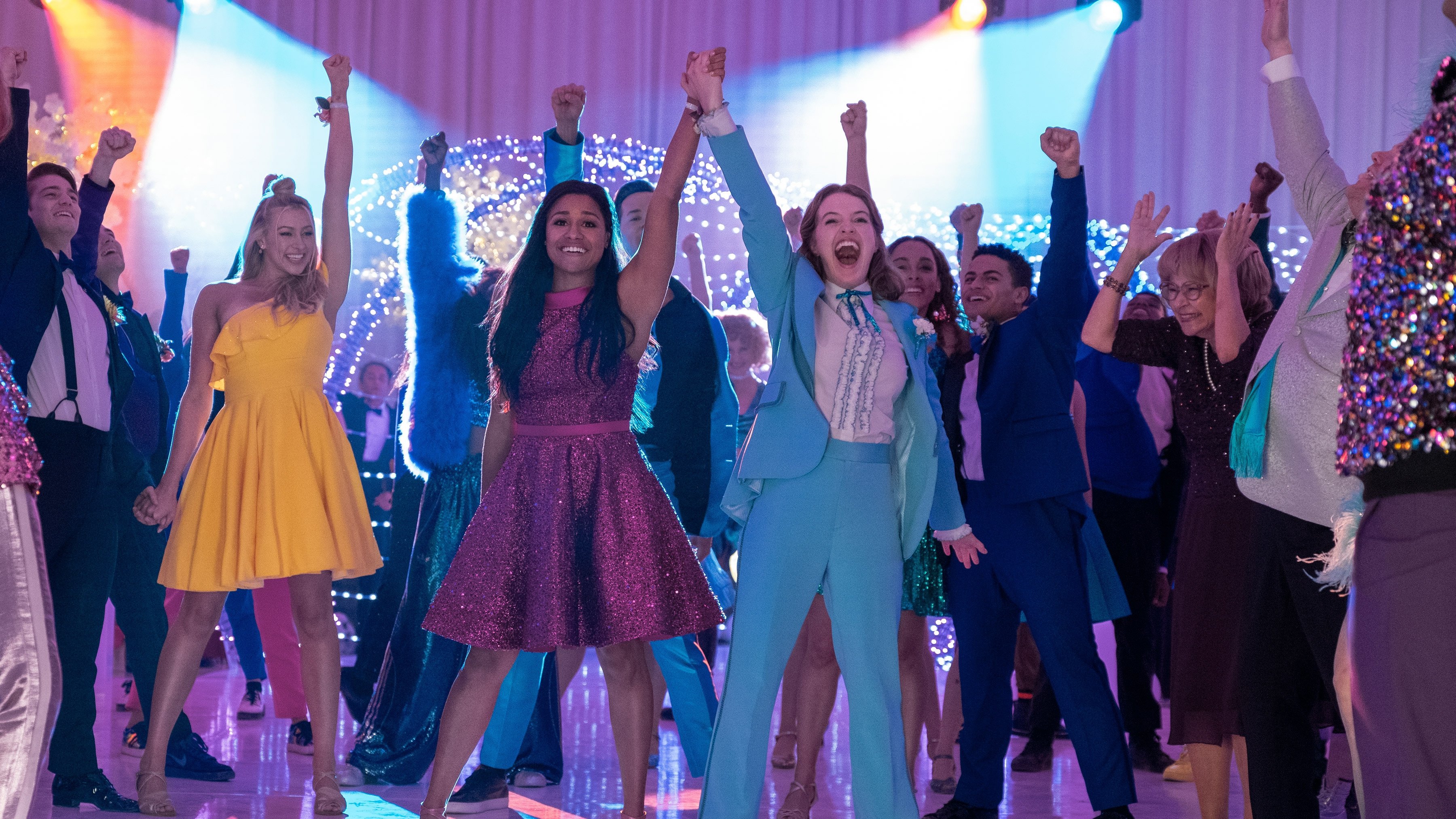
Among the pluses that can still be seen in the first half of the film are the fairly decent young actors (especially Jo Ellen Pellman and some secondary school students), who, of course, also overact, but not as noticeably as their adult and award-winning colleagues.
Second Act
The middle of the film frankly sags. And it's here that attempts to make the presence of the characters justified become noticeable. Each has a certain "task" and each performs at least one song that is supposed to move the plot forward. After that Chicago-style song, I felt especially clearly that the presence of Nicole Kidman's character in the frame is a mystery even to the actress herself. If Streep and Corden at least understand the motivations of their characters, and Rannells tries for comedy, then Nicole... Poor Nicole.
Separately (as subjective old-man grumbling), I want to note a not-so-pleasant trend in Hollywood in general — the romanticization of the prom. Sometimes after teen movies, you get the impression that there's nothing more important in the world than showing up in a beautiful outfit with a beautiful date to the prom. In real life, alas, it's not all so beautiful, and poor girls and boys are so often left disappointed that they never found their Freddie Prinze Jr. or Rachael Leigh Cook to the song "Kiss me."

Third Act
And then, towards the end of the film, something happened. The author of the article started smiling like a fool and experiencing... emotions?
And that was the strangest thing. By the end, the musical fan in my soul finally woke up and began to enjoy what was happening on screen: the pathos, the cloying sweetness, the polished picture, the glitter and feathers, the implausibility and the characters' loud statements like "Today we learned a lot." The film ends, and you feel so light and pleasant, as if just half an hour ago there were no urges to turn off the film and find something else. I can't explain this phenomenon, but I'll try to formulate some approximate advice.
Epilogue
If you love musicals — truly, genuinely love them, even the overly saccharine and standard ones — then maybe it's worth watching "The Prom." Maybe you, like me, will suddenly get into it and enjoy this film. But I can't guarantee it.
If you've seen few musicals, don't start with this one. Put on "Cabaret" or some Disney cartoon.
If you don't like them... Then this film is the quintessence of everything you don't like about them. So don't even come near it.
Comments
0No comments yet.