

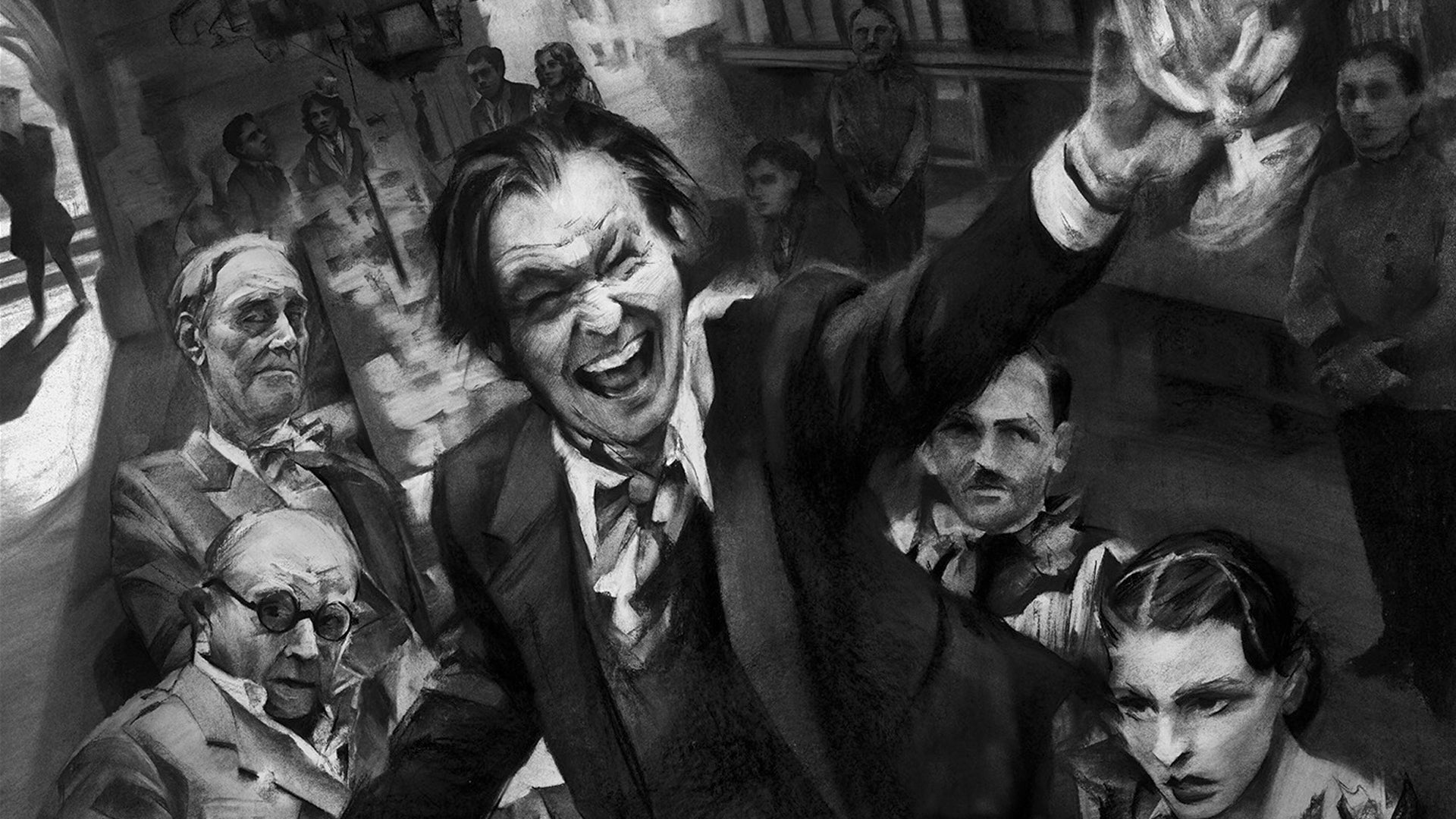
After the premiere of David Fincher's film 'Mank,' the question of the best film of the year remains open.
At first glance, the new work by David Fincher, 'Mank', which debuted on Netflix on December 4, might seem like the long-awaited contender for the title of 'film of the year.'
It features a perfectly calibrated technical side, with meticulous recreation of 1930s America and stylization reminiscent of pre-war Hollywood cinema, even in terms of sound design and vintage soundtrack.
There's the impeccable performance of Gary Oldman (he doesn't know how to do otherwise) and a solid supporting cast, from the charming Lily Collins to the mighty Charles Dance.
At the center of the plot is the extraordinary personality of screenwriter Herman Mankiewicz and a controversial historical episode related to the creation of one of Hollywood's greatest films, 'Citizen Kane,' which inherently sparks interest.
Nevertheless, there are questions about 'Mank' that prevent it from being unequivocally considered a success for Fincher and Netflix.
Too Many Questions
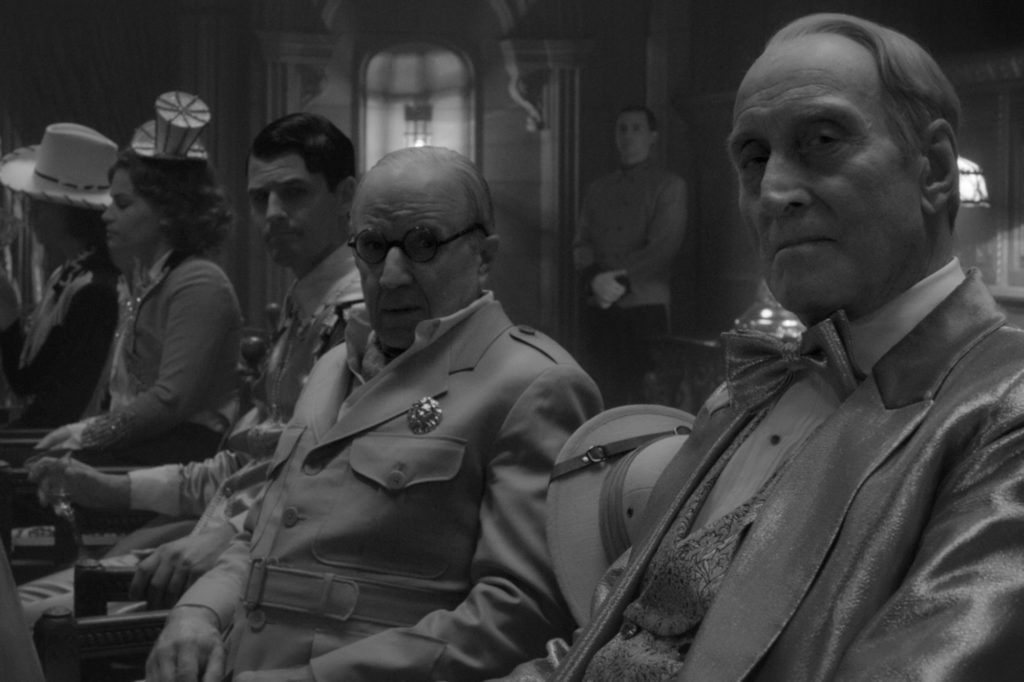
Does David Fincher really think modern viewers are interested in delving into the intricacies of the 1934 California gubernatorial election?
For whom or what is there so much insane and endless name-dropping in 'Mank,' which even frightens film fans?
Why is the 25-year-old Orson Welles played by the 39-year-old Tom Burke, whose main achievement is starring in an unnecessary adaptation of J.K. Rowling's books?
Why was it necessary to shoot it exactly like 'Citizen Kane'?
Why did the film turn out so boring?
'Mank' — A Film That Evokes No Emotions
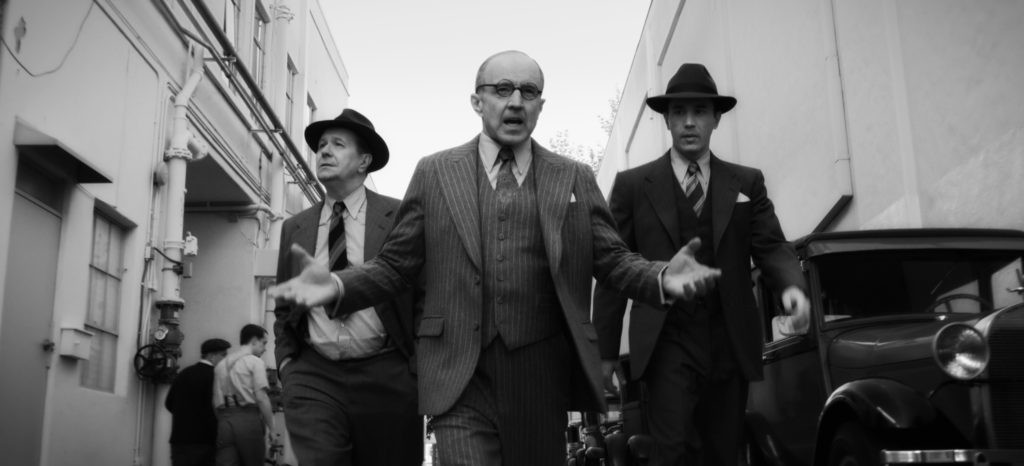
In David Fincher's new film, there is a wonderful episode where MGM studio founder Louis B. Mayer tells screenwriter Herman Mankiewicz and his brother Joseph about how his vision of cinema works:
What makes me cry? Emotions. Where do I feel emotions? Here, here, and here.
At this moment, the character points to his head, heart, and groin. The episode is wonderful not only in itself, as it perfectly paints the image of the famous film mogul, but also because it very clearly highlights the weakness of 'Mank' itself. Despite all the gloss and technical inventiveness, 'Mank' evokes no emotions. Absolutely none.
Instead of trying to bet on a sharp plot around the fierce disputes over who actually wrote 'Citizen Kane' — the cynic, drunkard, and misunderstood genius Herman Mankiewicz or Hollywood's 'golden boy' Orson Welles — David Fincher showed us a beautiful but frankly trivial trinket lasting 2 hours. A story that tells nothing new about the creation of a great film, but merely immerses the viewer in the era of the 1930s in a tedious and confusing manner and paints a not-too-voluminous portrait of the odious screenwriter.
Pathetic Parody. Inimitable Original
While watching 'Mank' with its non-linear narrative and structure of endless flashbacks, one inevitably recalls the famous internet meme about parody and original. David Fincher not only stylized the visuals of his film after 'Citizen Kane' but also completely built the plot and its presentation in the spirit of the original film. So as not to 'tell about a person's life in 2 hours, but leave an impression about him.'
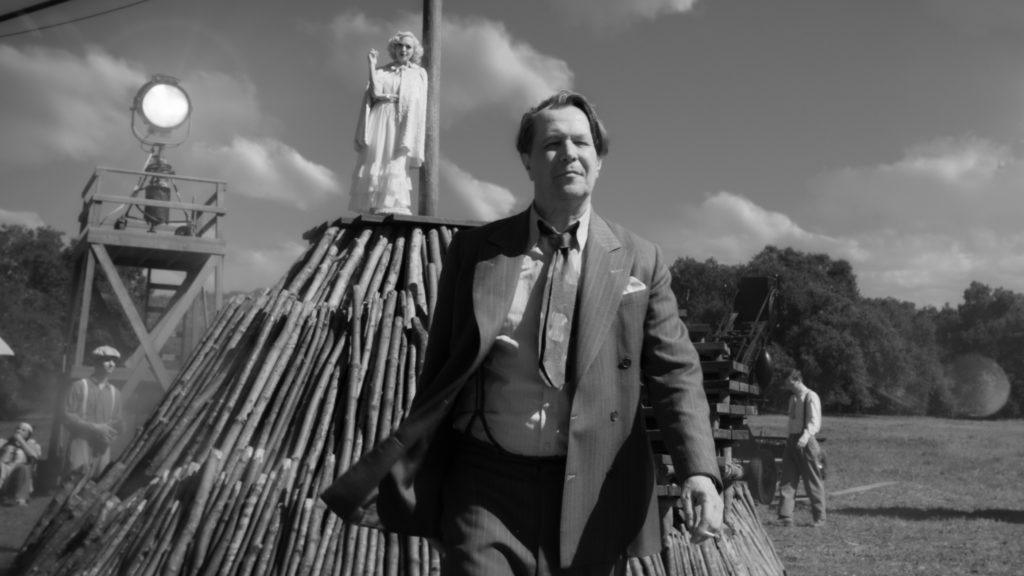
The problem with this approach is that newspaper magnate Charles Foster Kane from Welles' film is an archetypal character, i.e., recognizable and understandable. You can love or hate him, but he is interesting to watch, partly due to that very factor of recognizability of certain traits or actions inherent in that type of person.
Fincher's version of Mankiewicz, however, is much more complex but at the same time not nearly as interesting. He simply cannot evoke sympathy. Yes, the filmmaker here acts as a kind of fighter against corruption, an exposer of the flip side of success, but this is criminally insufficient, and for Fincher himself and his father, who wrote the script, this is by no means the main thing about Mankiewicz. The authors are far more interested in talking about the unrealized potential of their hero, not to mention that 1930s Hollywood here acts as an almost more important character than Mank himself.
No Magic Happened
Don't get me wrong: 'Mank' is not a bad film. It has many merits and will undoubtedly find its fans. But there is a feeling that the film lacks the magic that, for example, 'Once Upon a Time... in Hollywood' by Quentin Tarantino possessed. 'Mank,' like its titular character, does not fully realize its potential, does not allow one to appreciate the talents of a misunderstood genius, does not sufficiently let one peek behind the curtain of the creation of 'Citizen Kane,' and remains painfully simple, superficial, and cold.
Trailer:
Comments
0No comments yet.
Sign in to join the discussion.