
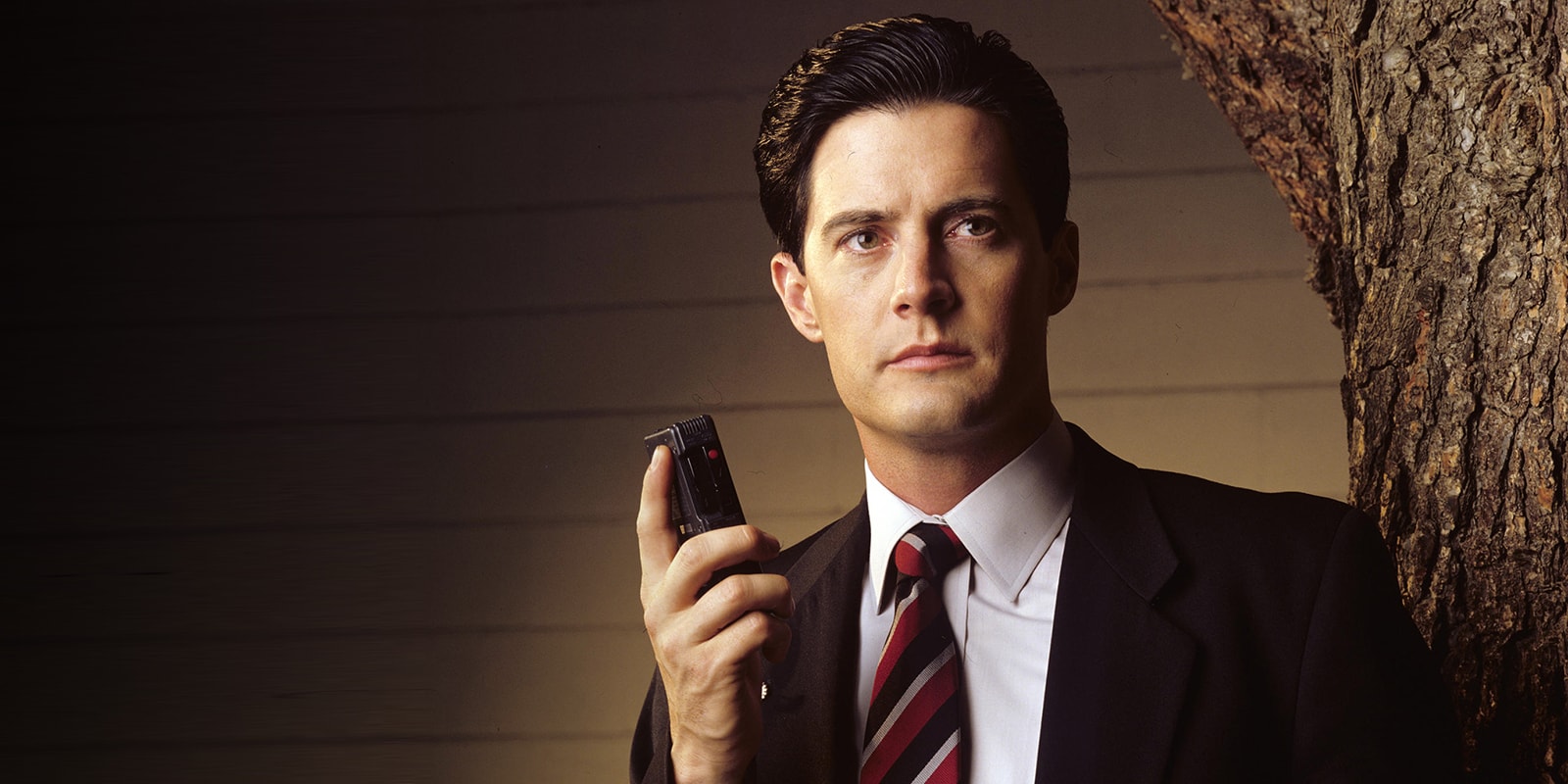
Twin Peaks became a milestone in television history and spawned many fans and followers among filmmakers.
There is no denying that the psychedelic creation of David Lynch and Mark Frost, the one and only Twin Peaks, still captivates the imagination of Hollywood creators. Many do not even hide their love for it, and many, though they do not openly admit it, were clearly once interested in the question "Who killed Laura Palmer?" In the meantime, we have analyzed numerous interviews and compiled for you a list of series that will, in one way or another, transport you to the town of Twin Peaks, Washington – if not literally, then at least in spirit.
Lost

One of the creators of Lost, Damon Lindelof, said he watched Twin Peaks with his father, who adored David Lynch. Damon also admits that Lost would never have come to be without Twin Peaks. Before it, detective series almost always consisted of standalone episodes with different crimes, like Murder, She Wrote. Damon also confessed that because of Lynch and Frost's series, he had to argue with ABC executives who asked him to remove mentions of the monster from the pilot episode, not wanting to draw mystical parallels. But J.J. Abrams stubbornly stated back then that they should be glad if the show were compared to Twin Peaks.
The Sopranos

No one has ever tried to dispute the incredible similarity in the depiction of dreams in Twin Peaks and The Sopranos. David Chase, although he claims he did not do it intentionally, does not deny the influence of Lynch and Frost's creation on the filming process. For instance, one shot from the sixth season, where the camera slowly glides along tree crowns swaying in the wind towards the sky, is undeniably a tribute to Lynch. Chase also specifically wanted to recreate in The Sopranos the atmosphere of ambiguity and tension in anticipation of further developments. Very Lynchian.
Legion
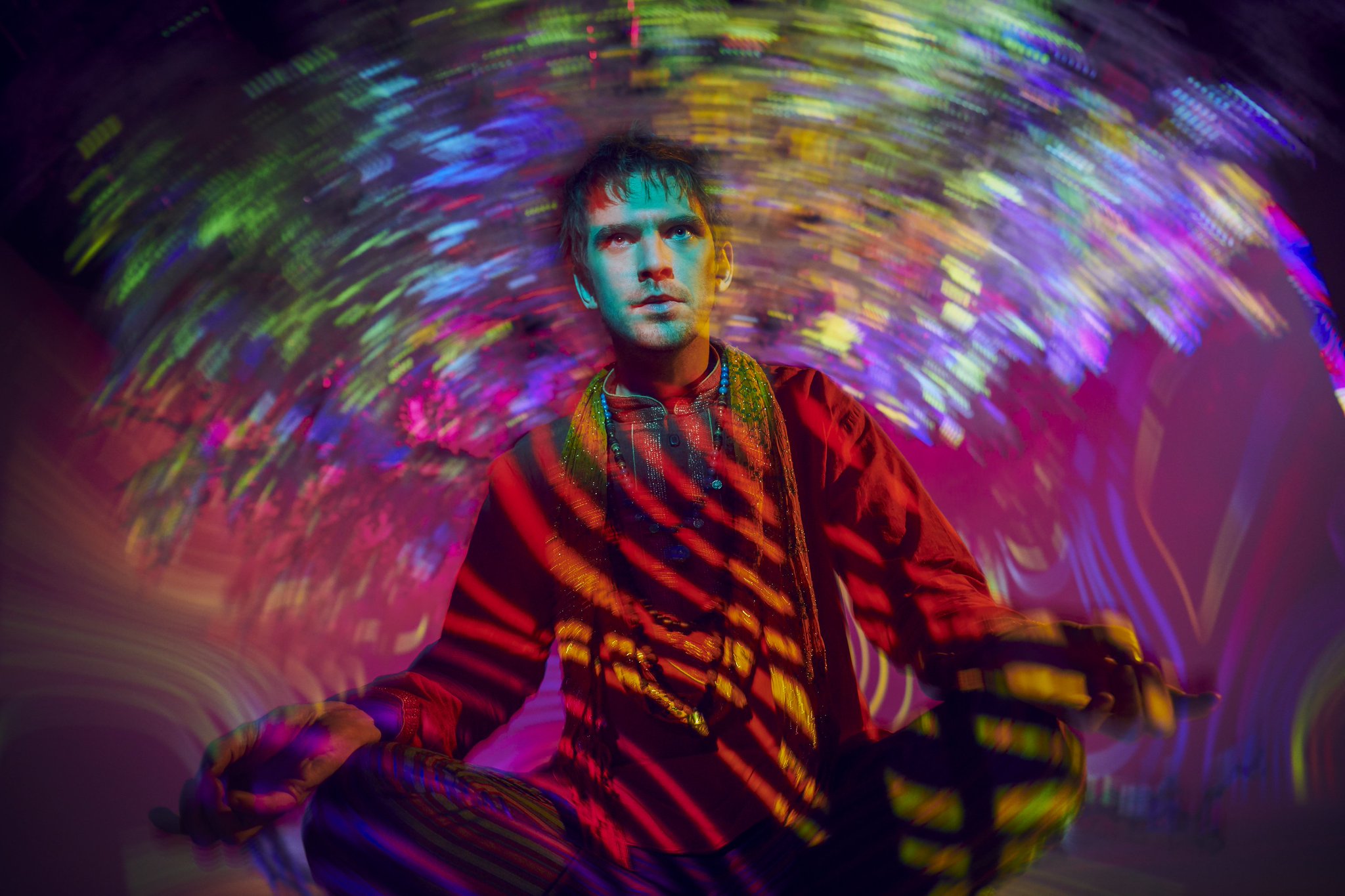
Continuing the list of creators who themselves mentioned Twin Peaks among their direct sources of inspiration. Noah Hawley, showrunner of Fargo and Legion, admitted that when thinking about Legion, he often returned to the works of David Lynch and his portrayal of the inexplicable. "Not every frame needs to carry information; sometimes it just serves to create vivid impressions. Lynch understands the power of visuals like no one else." And when it comes to visuals, few can match Legion.
The X-Files

One of the most mainstream-loved series in the selection. None of the creators have directly stated a connection with Twin Peaks, but this fact is considered so obvious that it requires no confirmation. Let's think for ourselves: two FBI agents investigating mystical cases, and in quiet American towns, no less. Not to mention that David Duchovny moved from Twin Peaks to The X-Files and clearly looked to Agent Cooper when creating the character of Fox Mulder, who approached the supernatural with such faith and responsibility that it seemed he might, in the next frame, be sipping a damn fine cup of coffee and a slice of cherry pie.
Broadchurch

The first season of the British series begins in an extremely similar fashion. A small town in Dorset, where everyone knows each other, is turned upside down after the murder of an 11-year-old boy. A specially summoned inspector (David Tennant) takes on the case. Throughout the series, various details and secrets hiding behind the facade of the town's residents come to light. And although there is no hint of mysticism here, the general similarity cannot be denied. The series' creator, Chris Chibnall, happily stated that he adored Twin Peaks, which became part of his DNA as a screenwriter.
Hannibal

Twin Peaks influenced an entire generation of filmmakers, screenwriters, and showrunners who persistently try to create their own Lynchian world. This influence also touched Bryan Fuller, who, when starting to write Hannibal, often asked himself: "How would David Lynch approach Hannibal?" He considered Twin Peaks his benchmark and often used the lessons he learned from it in his work on sound design.
True Detective

The creation of David Lynch and Mark Frost was rich in the examination of contradictory clues, stunning visual surrealism, and hints of mystical rituals – everything that, years later, delighted fans of True Detective. A young girl, a resident of a small conservative rural town, is murdered; her death is linked to long-standing oddities in the town, and the detectives are often thrown off by various circumstances. Many residents try to hide their dark secrets and turn out not to be who they seemed. Sound familiar? Nic Pizzolatto infused True Detective with many themes important to Twin Peaks: existentialism, pagan rites, old-fashioned America far from the big cities. Coincidence?
Northern Exposure
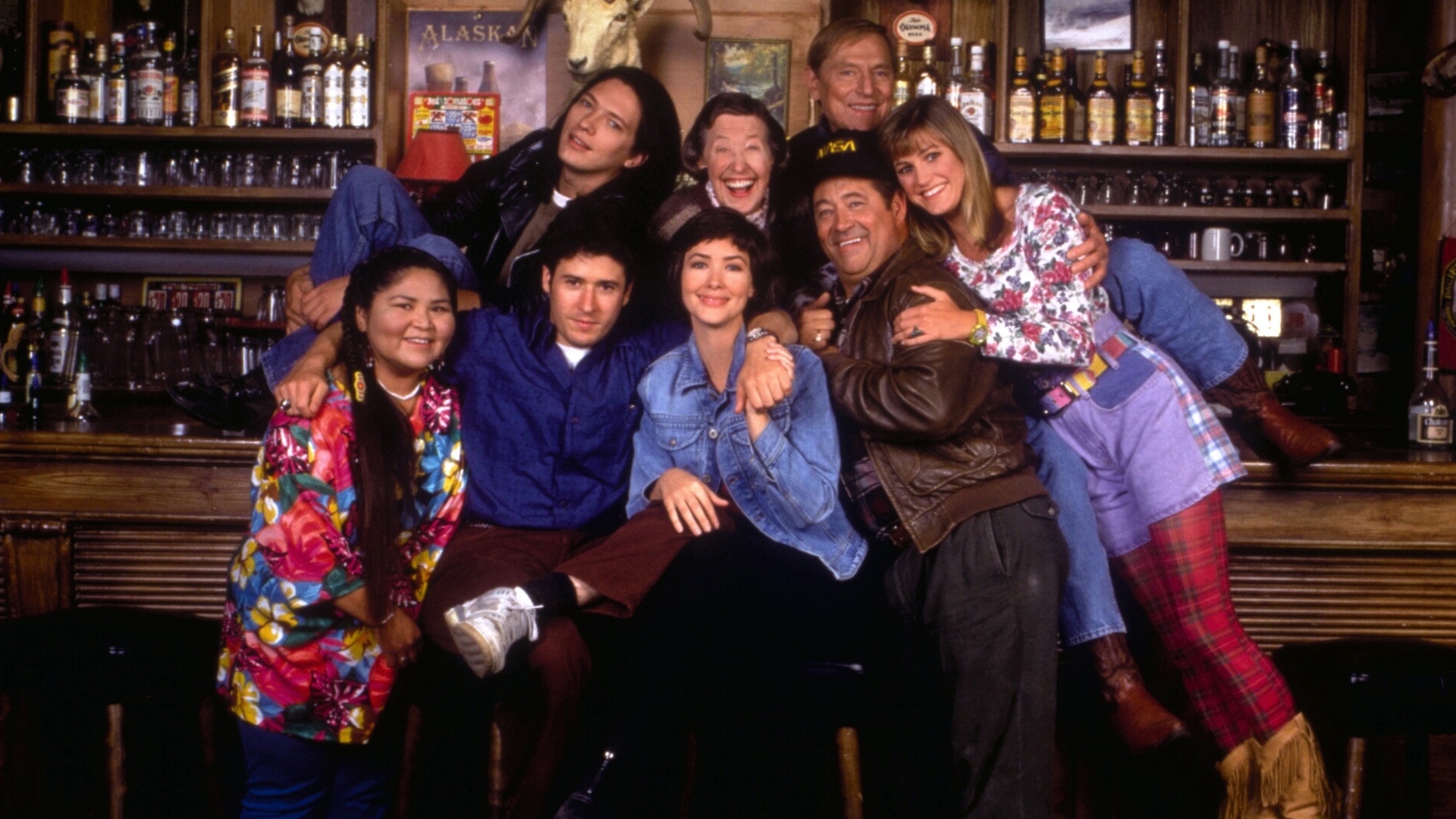
The series Northern Exposure is perhaps called the closest work to Twin Peaks on American television. Filming took place in the foggy and mountainous Roslyn, Washington – in the vicinity of which most of Lynch and Frost's exterior shots took place. The visual correspondence is already undeniable. Journalists of the time began to suspect that this similarity was no coincidence, and for good reason – similar to Agent Cooper, the main character Joel Fleischman, who stands out for his unconventional tastes and quirks, came from a big city; in both series, the waitresses at the local café are named Shelley, and so on, and so forth. However, the creators themselves left a meta-reference in the fifth episode – the characters visit a local waterfall to music painfully reminiscent of Angelo Badalamenti's theme, and discuss donuts, cherry pies, and the power of the invisible.
Wayward Pines

Oh, that familiar Twin Peaks setup and all its derivatives! The series Wayward Pines begins with an investigation in… yes, you guessed it, the remote town of Wayward Pines, Idaho, which is visited by… no, this time it's not an FBI agent, but a Secret Service agent played by Matt Dillon. Could it be that this town has something to hide, and the owls people are not what they seem? The reason is quite simple and clear: M. Night Shyamalan readily confirms that both he and the author of the source material, Blake Crouch, are big fans of David Lynch's series and drew inspiration from it.
Bates Motel
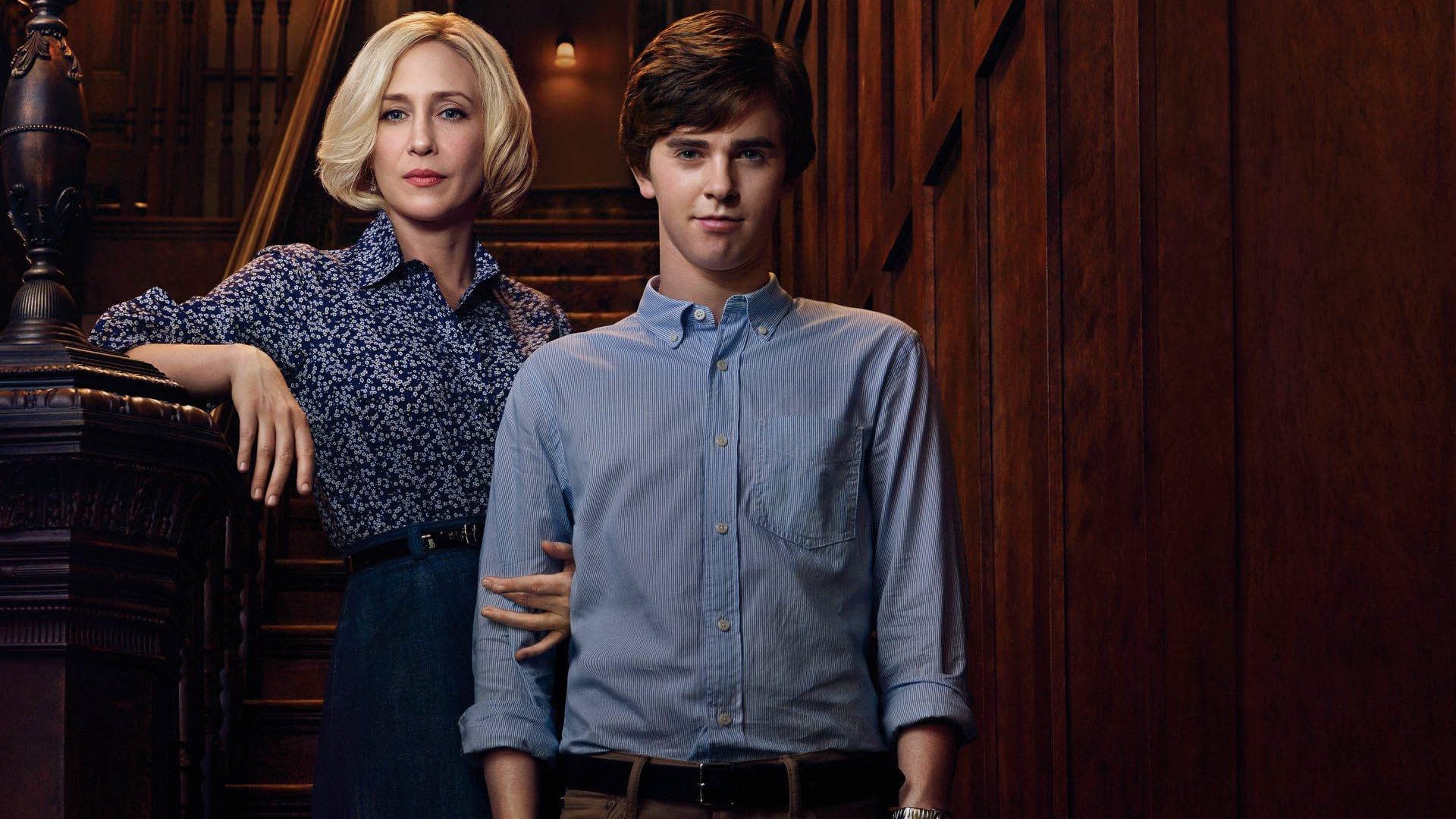
One of the writers of Bates Motel, Kerry Ehrin, considers Twin Peaks the most magical series she has ever seen, one that forever changed her way of thinking as a viewer and a creator. Another writer, Carlton Cuse, who also worked on Lost, echoes her sentiment. Throughout the six years of working on Lost and the five years of working on Bates Motel, Twin Peaks surfaced in his mind with a certain regularity. And this is visible in many elements of the series that work on the atmosphere – the visuals, sound design, music, and the strange but so interesting characters.
Comments
0No comments yet.
Sign in to join the discussion.