
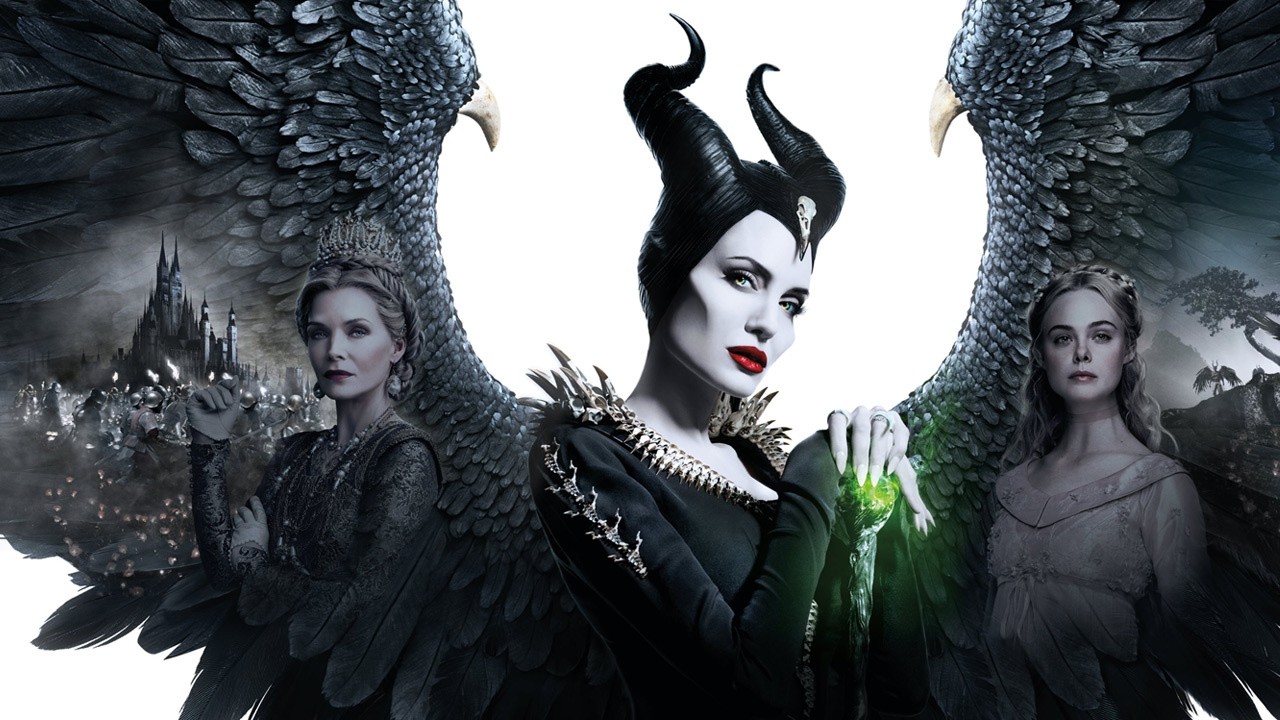
We discuss the main problem of Disney's 'Maleficent' with Angelina Jolie in the title role.
For several years now, I have been haunted by an otherwise unremarkable film (except for the presence of Angelina Jolie) — Maleficent. A film that left a bitter taste in my mouth and a sense of incompleteness in my soul. And when I finally understood what exactly was driving me so crazy, I immediately wanted to share my observations with people. That was about five years ago.
I warn you that revealing the problem will require spoilers for the film and two musicals (Wicked and Twisted, which you probably haven't seen, but I still consider the warning appropriate).
A Well-Known Story
The film 'Maleficent' begins with the words: 'Listen to an old story and see how well you know it.'
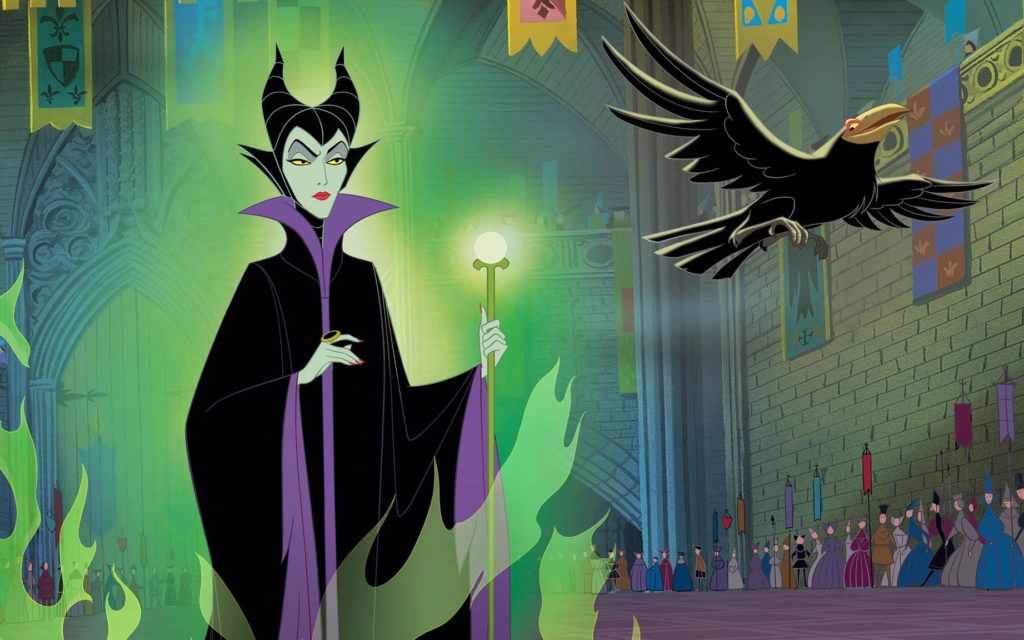
Indeed, almost everyone knows the fairy tale of Sleeping Beauty, especially considering that the Disney animated film became part of many people's childhoods. In the cartoon, the main antagonist was given a name, development, an ending, and even loyal minions. Her image is considered one of the most canonical in children's works, embodying pure evil and cunning.
The Main Problem
The film promises to look at the story from the other side and explain what it was really like. Let's leave the discussion of the controversial nature of the idea itself for some other time and look at the film as it turned out within the context of the cultural layer in which it appeared. So, what is the main problem of this film in my eyes:
Answer: an unreliable narrator.
To explain what I mean, I'll have to resort to telling you about two musicals, one professional and one amateur.
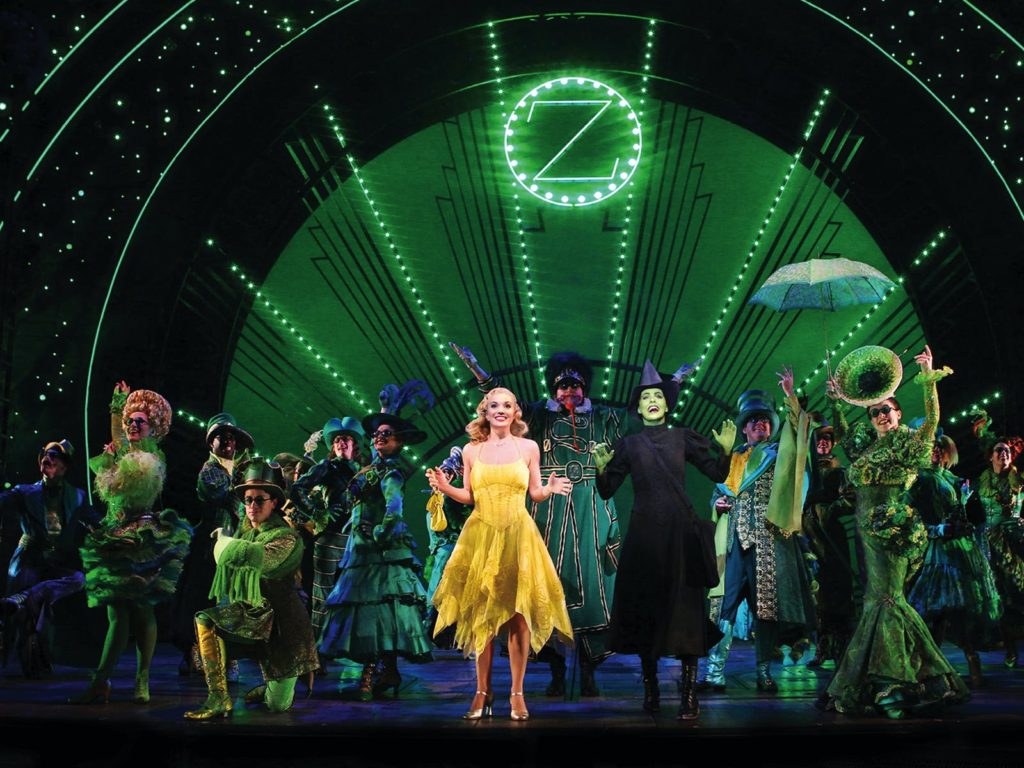
So, the musical Wicked, from which the subject of today's study grew, takes the story of the Wicked Witch of the West from the Land of Oz and reveals the main villainess as a misunderstood, rejected, and very kind girl. In the end, the main character accepts her image in the eyes of the inhabitants of the land and simply rides off into the sunset. Stories about her, passed from mouth to mouth, paint her in an exclusively negative light, and only a few characters know how things really were.
Do you see where I'm going with this?
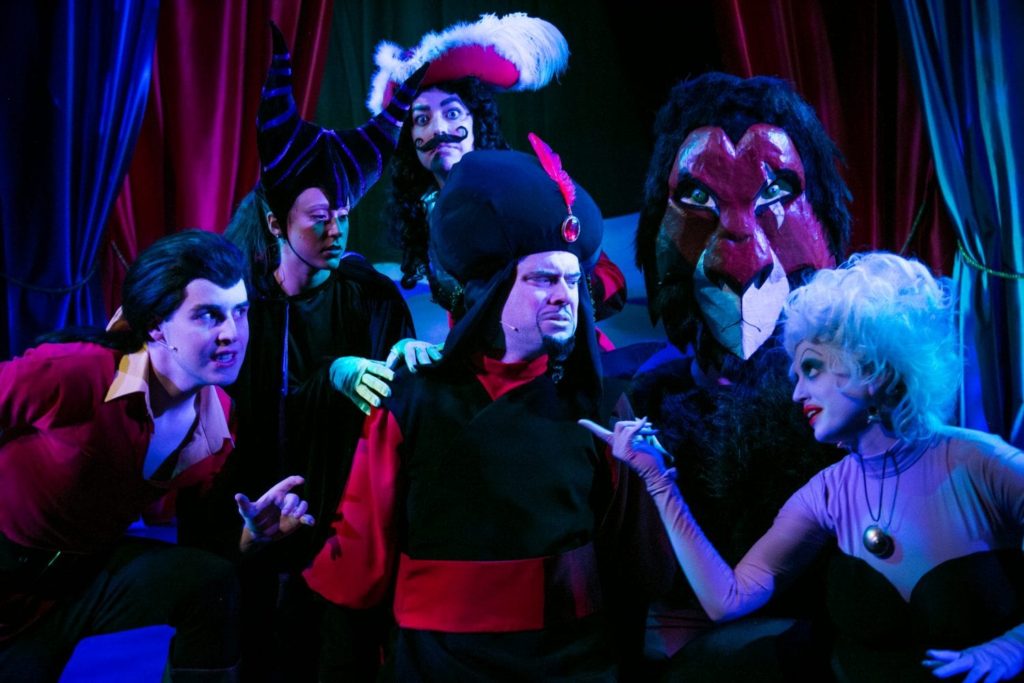
Alright, let's take another example. The musical Twisted, one of my favorite works, low-budget, homemade, and made with love, tells the story of Jafar, the villain from the Aladdin cartoon. The original source is extremely fertile ground in this regard, as it itself provides the viewer with an unreliable narrator in the form of the merchant who appears at the very beginning. I won't spoil the reader's impression of the musical and will simply suggest watching it, especially since this musical is freely distributed on the internet, even with Russian subtitles.
The Film is Unfinished
The question that never left me throughout the entire viewing of Maleficent was this: why did the version of the story in which Maleficent is the villainess reach us?
Why do we know this fairy tale the way it exists now? In both examples given above, this justification is provided. In both musicals, the version of events exists within the context of the story being told. In 'Maleficent,' however...
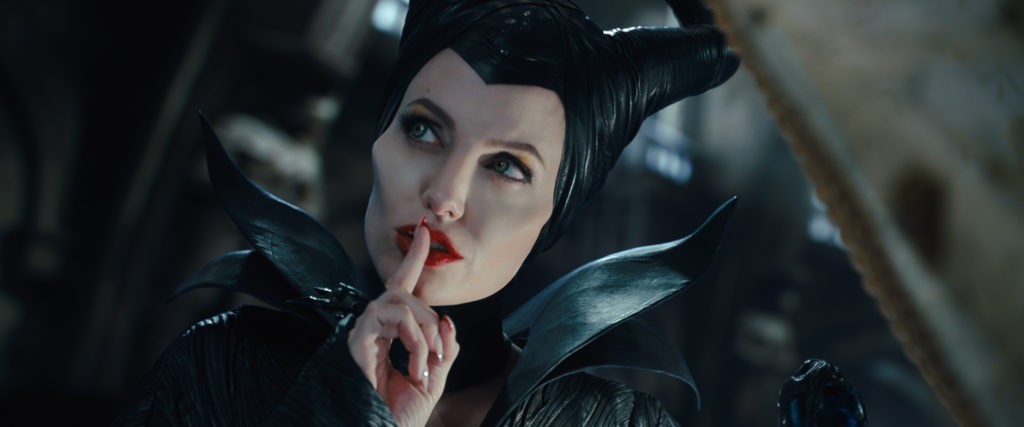
At the end of the film, the main character saved Aurora, defeated the evil king, united the two kingdoms, and is now happily resting on her laurels. So why does the mother tell the fairy tale of Sleeping Beauty in which Maleficent is the villain? The first film did not answer this question; the second didn't even raise it. The film is unfinished. I am not satisfied. I am still waiting for an answer. And I can't stop thinking about the wonderful story we could have had if this question had at least occurred to the creators.
Comments
0No comments yet.
Sign in to join the discussion.